
Why Francesca Bridgerton’s Love Life Isn’t the Problem: Inside the ‘Pinnacle’ Debate
Bridgerton fans love nothing more than a good romantic conspiracy, and Season 3 has delivered plenty—especially where Francesca Bridgerton and John Stirling are concerned. After TVLine published comments from showrunner Jess Brownell stressing that Francesca’s “pinnacle” problems aren’t about John—or about some secret lack of love between them—the fandom immediately split into camps, re‑examining every quiet glance and tense moment on screen.
Francesca’s “Pinnacle” Problem: What the Bridgerton Showrunner Actually Said
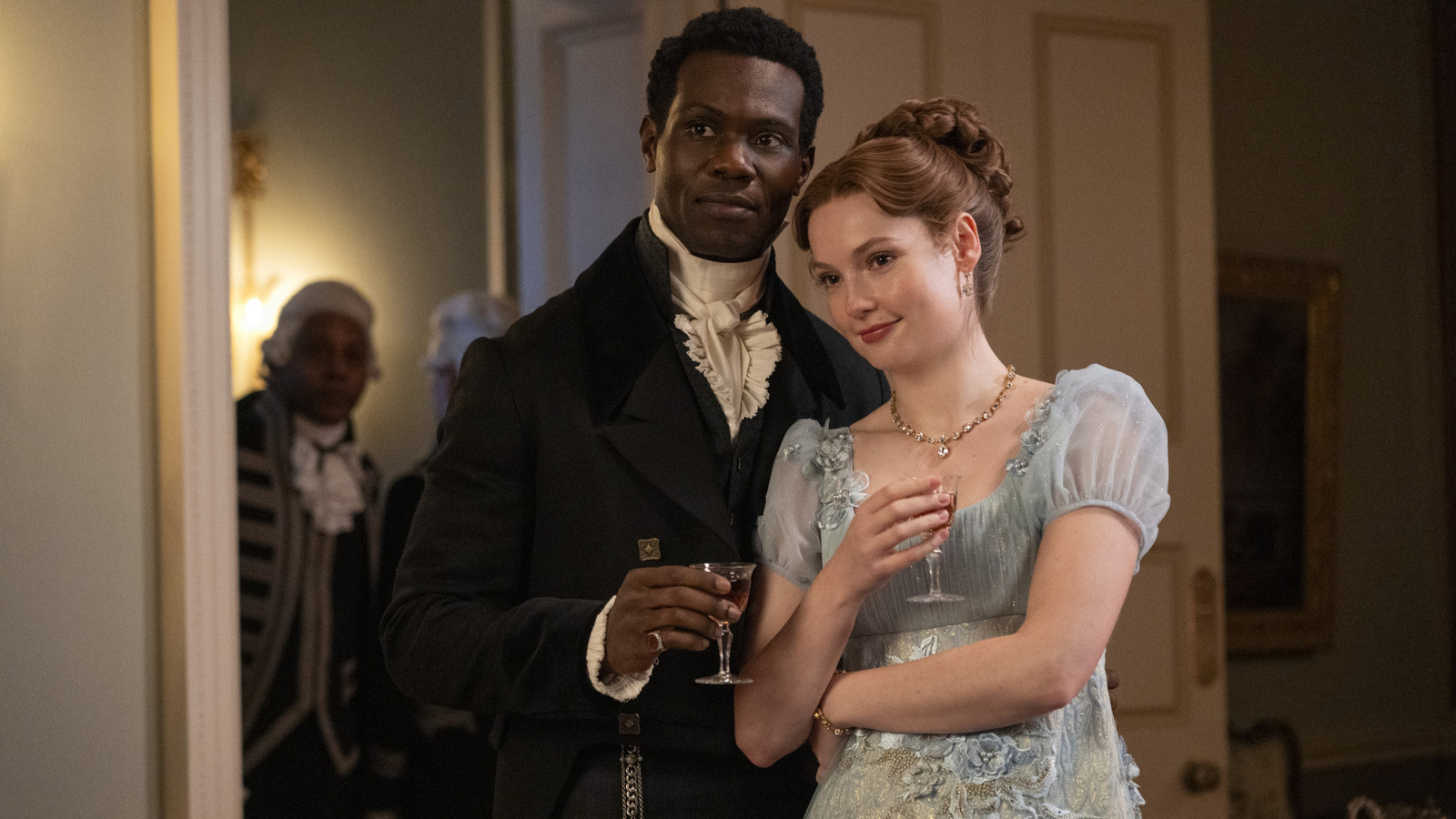
In the TVLine piece, Brownell pushes back on the idea that John is the cause of Francesca’s unease, describing him as a man full of “green flags” rather than red ones. The showrunner frames Francesca’s discomfort not as a flaw in their marriage but as part of her inner conflict and evolving sense of self—a crucial nuance for a character whose book storyline carries enormous emotional and cultural weight.
From Page to Screen: Why Francesca’s Arc Matters So Much
In Julia Quinn’s original Bridgerton novels, Francesca is famously the quiet Bridgerton—the one whose book, When He Was Wicked, hits like a truck emotionally. Her love story involves grief, second chances, and an intense reconfiguration of what “true love” can look like after loss. For readers, John Stirling is important but ultimately a prelude to the great love of her life.
Netflix’s adaptation has taken a more serialized, character‑driven approach, seeding Francesca’s future arcs earlier in the timeline. That means the show has to walk a tightrope: honor the tenderness of her first marriage without undermining the sweeping intensity of the love story still to come.

“Green Flags,” Not Villainy: Re‑Framing John Stirling
“The love between them is very real.” — Jess Brownell, Bridgerton showrunner, via TVLine
Brownell’s strongest message in the TVLine piece is corrective: viewers shouldn’t read Francesca’s “pinnacle” crisis as proof that John is a bad match or an emotional consolation prize. On the contrary, the showrunner explicitly calls out John’s behavior as emotionally healthy: supportive, attentive, and fundamentally kind.
In romance TV, “green flag” love interests can be strangely controversial. Audiences raised on high‑angst ships sometimes mistake low drama for low stakes. By insisting that John’s decency isn’t the problem, Brownell is nudging viewers toward a more nuanced reading: Francesca’s conflict is intra‑personal, not just interpersonal.
- He respects her boundaries and quiet nature.
- He doesn’t punish her for social discomfort or emotional hesitation.
- He offers stability in a world obsessed with spectacle.
That last point is key. In the lush spectacle of Bridgerton, John represents a softer, less performative version of love—one that can still be meaningful even if it isn’t the final destination.

So What Is Francesca’s “Pinnacle” Problem Really About?
The word “pinnacle” has become a kind of fandom Rorschach test. For some viewers, it suggests that Francesca is bumping against the limit of what this particular love can give her; for others, it sounds like foreshadowing for the emotional heights she’ll eventually reach with another partner.
Brownell’s clarification leans toward an internal reading. The “pinnacle” isn’t “John vs. future love interest” so much as “Francesca vs. the life she’s always been told she should want.” As with many queer‑coded or neurodivergent‑coded narratives on TV right now, the friction comes from a character slowly realizing that what looks perfect from the outside doesn’t fully fit the way they experience the world.
In practice, that means:
- Francesca can genuinely care for John and still feel unsettled.
- The marriage can be loving without being her ultimate love story.
- The show can honor their bond while hinting that her journey isn’t complete.

The “Other Romance” on the Horizon: Balancing Two Love Stories
TVLine also teases what fans already suspect: there’s another romance coming for Francesca. Brownell’s insistence that John isn’t the villain here is important groundwork. If the show is heading toward a second great love, it clearly doesn’t want that evolution built on demonizing a first spouse who did nothing “wrong.”
This is tricky terrain, especially for a global phenomenon like Bridgerton where every romantic pivot is dissected online. We’ve seen similar debates in:
- Outlander, where long‑running relationships must survive time jumps and trauma.
- Grey’s Anatomy, a masterclass in handling multiple “true loves” over a character’s lifespan.
- Normal People and Fleabag, which explore love that’s transformative even if it isn’t permanent.
All of these shows suggest a more modern romantic grammar: a person can have more than one great love, and the existence of a future “pinnacle” doesn’t retroactively erase what came before. Brownell appears eager to apply that logic to Francesca.

Fandom Reactions: Shipping Wars, Speculation, and “Reading Into” the Text
Brownell’s gentle warning—don’t blame John, don’t over‑interpret every flicker of discomfort—lands in a fandom culture trained to do exactly that. Since the dawn of Tumblr meta and TikTok video essays, “reading into things” has become part of the entertainment experience, especially for shows like Bridgerton that blend slow‑burn romance with prestige‑level production.
The current Francesca discourse breaks roughly into three groups:
- The Purists: wary of any deviation from book canon, but cautiously optimistic given Brownell’s reassurance.
- The John Defenders: relieved to hear the showrunner explicitly label him a “green flag” and not a narrative punching bag.
- The Future Shippers: already theorizing edits and playlists for Francesca’s next romance, taking “pinnacle” as permission to dream big.
Brownell’s comments won’t end the debates, but they do re‑center the conversation on Francesca’s interiority rather than on punishing or excusing any single love interest.

Between Canon and Commentary: What Jess Brownell’s Clarification Signals
Stepping back, Brownell’s remarks to TVLine are doing more than just PR clean‑up. They reflect how showrunners now actively curate the “meta” around their own work. In an era where think‑pieces and TikTok breakdowns can harden into conventional wisdom overnight, clarifying that John is a “green flag” and that “the love between them is very real” is a way of protecting the emotional nuance of future seasons.
It’s also an interesting test of audience appetite. Can a mainstream Netflix romance ask viewers to sit with:
- A loving marriage that may not be endgame?
- A heroine whose conflict is mostly internal, not driven by obvious cruelty or betrayal?
- A story where more than one relationship is allowed to matter deeply?
If Francesca’s arc lands the way Brownell seems to intend, Bridgerton could help broaden what audiences expect from televised romance—less about picking the “right” ship, more about watching a character slowly discover the truest version of herself.
Final Thoughts: Don’t Blame John—Watch Francesca
Jess Brownell’s message, stripped of all the discourse static, is simple: Francesca’s “pinnacle” crisis is not an indictment of John Stirling or the sincerity of their marriage. It’s a story about a woman whose inner life is finally starting to outgrow the quiet box society—and maybe even her loving husband—built around her.
As Bridgerton moves toward Francesca’s bigger, riskier romantic beats, expect the show to keep asking a question that feels very 2020s: what if the problem isn’t that your partner is wrong for you, but that the life you were told to want was never actually your pinnacle in the first place?
Watch the Latest Bridgerton Trailer
For a refresher on Francesca’s storyline and the broader Season 3 dynamics, the official trailer offers a polished snapshot of where the ton stands now.
