
Why Fermented Superfoods Are Taking Over: Inside the Gut-Healthy Diet Boom
The Gut-Healthy Diet & Fermented Superfoods Boom
Gut health has moved from lab benches to dinner tables. Everywhere you look—social feeds, podcasts, even supermarket shelves—people are talking about the gut-healthy diet, fermented “superfoods,” and how our microbiome might shape everything from digestion to mood.
In this guide, we’ll unpack why fermented foods like kimchi, sauerkraut, yogurt, kefir, kombucha, miso, and tempeh have become everyday staples for many health-conscious eaters, what “microbiome-friendly” really means, and then bring it all together with a high-fiber, probiotic-rich fermented veggie power bowl recipe you can easily cook at home.
Think of this as a gentle, flavorful roadmap to better gut health—no extreme detoxes, just plant-forward meals, fermented condiments, and smart swaps that nourish both you and your microbes.
Why Gut Health Is Suddenly Everywhere
The term “gut-healthy diet” has exploded in search trends, and social platforms are packed with hashtags like #guttok. Behind the buzz is a simple narrative: Feed your gut microbes well, and they might support better digestion, immunity, and even mood.
- Microbiome science goes mainstream: Popular books and documentaries translated complex research into a clear message—eat more plants and fiber, fewer ultra-processed foods.
- Functional foods on shelves: Kombucha taps, rows of kefir, jars of kimchi and sauerkraut, miso pastes, and tempeh now feel as normal as bread and milk.
- Symptom-driven curiosity: Many people struggling with bloating or IBS-like symptoms turn to gut health content for relief and ideas.
- Gut–brain axis hype: Emerging research linking the gut to mood and stress resonates strongly with younger audiences.
While some online claims overpromise (no diet can “cure” every complex condition), the core habits—fiber-rich, minimally processed, plant-forward eating with fermented foods—align well with established nutrition science.
Core Principles of a Gut-Healthy, Microbiome-Friendly Diet
Most gut-health experts and evidence-based creators circle around a similar set of ideas. You’ll see them in “what I eat in a day for gut health” videos, infographics, and simple explainer posts.
- High-fiber, plant-forward eating
Aim for at least 25–30 grams of fiber per day, from:- Fruits and vegetables (especially with skins when edible)
- Legumes: beans, lentils, chickpeas
- Whole grains: oats, quinoa, brown rice, whole wheat
- Nuts, seeds, and even herbs and spices
- Fermented foods as daily staples
Fermented foods bring living microbes (probiotics) and flavorful tang:- Kimchi & sauerkraut on grain bowls or eggs
- Yogurt & kefir with oats, fruit, and seeds
- Miso & tempeh in soups, stir-fries, or marinades
- Kombucha as a fizzy alternative to soda
- Minimizing ultra-processed foods
Highly processed, low-fiber foods are often blamed for dysbiosis (microbial imbalance). Creators encourage swaps like:- Sugary sodas → kombucha or sparkling water
- Chips → roasted chickpeas or nuts
- Refined white bread → whole grain sourdough
- Personalization and sensitivity
Not every “gut-friendly” food works for everyone. Some people with IBS, IBD, or SIBO may initially struggle with:- High-FODMAP foods like onions, garlic, and some fruits
- Large amounts of beans or cruciferous vegetables
- Sudden big portions of fermented foods
How Social Media Sells the Gut-Healthy Lifestyle
The gut-health trend really thrives in visual, story-driven formats. Some of the most shared content includes:
- “What I eat in a day for gut health” vlogs featuring oatmeal with chia and berries, grain bowls with beans and veggies, yogurt with seeds, and fermented condiments.
- Side-by-side comparisons like “gut-friendly vs. gut-disrupting” lunches to illustrate small upgrades (brown rice instead of white, kombucha instead of soda).
- Snackable explainers on probiotics vs. prebiotics vs. postbiotics in simple language.
- DIY fermented foods tutorials for homemade yogurt, kimchi, sauerkraut, and sourdough.
The strongest creators balance excitement with nuance: they celebrate the delicious, colorful side of gut-healthy eating while being honest about what we know, what we’re still learning, and where personalized care matters.
Recipe: Glow-Up Gut-Healthy Fermented Veggie Power Bowl
To bring all these principles onto your plate, let’s build a fermented veggie power bowl—a colorful, cozy dish that layers:
- A hearty whole grain base for long-lasting energy
- Fiber-rich beans or lentils for protein and prebiotics
- Plenty of vibrant vegetables, both raw and cooked
- A generous spoonful of fermented goodness like kimchi or sauerkraut
- A creamy, tangy yogurt-miso dressing to tie it together (dairy or dairy-free)
It’s weeknight-friendly, endlessly adaptable, and a joyful way to sneak more plant diversity and probiotics into your routine.
Quick Recipe Summary
Prep time:
Cook time:
Total time:
Servings: 2–3 bowls
Difficulty: Easy
Equipment You’ll Need
- Medium saucepan with lid (for grains)
- Small saucepan or microwave-safe bowl (for beans, if heating)
- Cutting board and sharp knife
- Small mixing bowl and whisk or fork (for dressing)
- Baking tray (optional, for roasted veggies)
- Serving bowls
Ingredients (High-Fiber & Fermented)
The ingredient list below is designed to maximize fiber, plant diversity, and fermented foods while staying flexible. Feel free to swap within each category based on what you have.
For the Grain Base
- 3/4 cup (135 g) uncooked whole grain (quinoa, brown rice, or barley)
- 1 1/2 cups (360 ml) water or low-sodium broth
- Pinch of sea salt
For the Protein & Veggies
- 1 cup (170 g) cooked beans (chickpeas, black beans, or lentils), rinsed and drained if canned
- 1 small carrot, julienned or grated
- 1 small cucumber, sliced or diced
- 1 cup (70 g) shredded red or green cabbage
- 1 cup (120 g) broccoli florets or other quick-cooking veg (optional: roast or steam)
- 1 small ripe avocado, sliced (optional but lovely for creaminess)
- 2 tablespoons fresh herbs (parsley, cilantro, or green onion), chopped
Fermented “Superfood” Topping
- 1/2–3/4 cup (75–110 g) kimchi or raw sauerkraut (unpasteurized, from the fridge section)
Gut-Friendly Yogurt–Miso Dressing
- 1/2 cup (120 g) plain yogurt (dairy or unsweetened coconut/soy yogurt)
- 1 tablespoon white or yellow miso paste
- 1 tablespoon extra-virgin olive oil
- 1–2 teaspoons lemon juice or rice vinegar, to taste
- 1 teaspoon honey or maple syrup (optional, for balance)
- 1 small garlic clove, finely grated or minced (omit or reduce if sensitive)
- 2–3 tablespoons water to thin, as needed
- Pinch of salt and freshly ground black pepper
Crunchy & Prebiotic Toppers
- 2 tablespoons pumpkin seeds or sunflower seeds
- 1 tablespoon chia seeds or ground flaxseeds
- 1 tablespoon extra-virgin olive oil (for drizzling, optional)
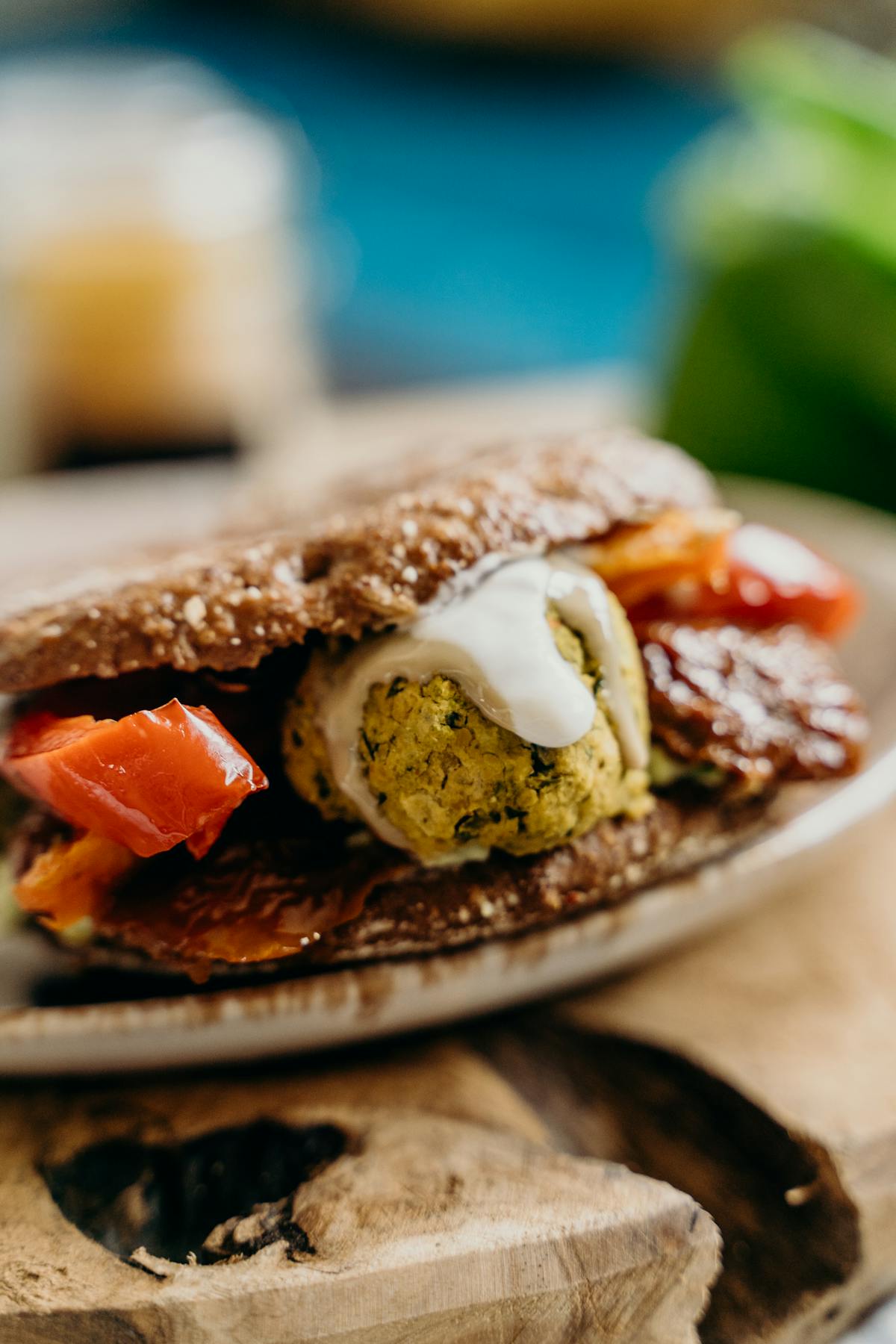
Visual Guide: Fermented Veggie Power Bowl



Step-by-Step Instructions
- Cook the grains.
Rinse your chosen grain under cold water. In a medium saucepan, combine grains, water or broth, and a pinch of salt. Bring to a boil, then reduce to a gentle simmer, cover, and cook until tender (about 15 minutes for quinoa, 25–30 for brown rice or barley). Fluff with a fork and let sit, covered, for 5 minutes. - Prep the vegetables.
While the grains cook, julienne or grate the carrot, slice the cucumber, shred the cabbage, and chop the herbs. If using broccoli or another veg that’s nicer cooked, lightly steam or roast with a drizzle of oil and pinch of salt until just tender. - Warm the beans (optional).
If you prefer warm beans, add them to a small saucepan with a splash of water and a pinch of salt; heat gently until warmed through. You can also toss them with a drizzle of olive oil and any herbs or spices you enjoy. - Make the yogurt–miso dressing.
In a small bowl, whisk together yogurt, miso paste, olive oil, lemon juice or rice vinegar, and honey or maple syrup (if using). Add garlic if tolerated. Thin with water a tablespoon at a time until it’s pourable but still creamy. Taste and season with salt and pepper. - Assemble the bowls.
Divide the warm grains between 2–3 bowls. Arrange the beans, carrot, cucumber, cabbage, broccoli, and avocado (if using) in sections over the top for a “nourish bowl” look. - Add fermented goodness.
Spoon 1–3 tablespoons of kimchi or sauerkraut onto each bowl. If you’re new to fermented foods or have a sensitive gut, start with a small amount and build up over time. - Drizzle & garnish.
Generously drizzle the yogurt–miso dressing over the bowls. Sprinkle with pumpkin seeds, chia or flaxseeds, and fresh herbs. Finish with a final drizzle of olive oil if you like. - Serve & enjoy mindfully.
Serve immediately while the grains are slightly warm and the veggies and fermented toppings are cool and crisp. Take a moment to notice the tangy aroma from the kimchi or sauerkraut and the nutty, toasty scent of the grains—it’s a whole sensory experience.
Storage & Make-Ahead Tips
This gut-healthy bowl is perfect for meal prep with a few simple tweaks.
- Grains & beans: Store cooked grains and beans in airtight containers in the fridge for up to 4 days. Cool completely before refrigerating.
- Veggies: Prep hardy veggies (carrots, cabbage, broccoli) ahead; keep more delicate ones (cucumber, avocado, herbs) fresh and slice closer to serving.
- Dressing: The yogurt–miso dressing keeps well for 3–4 days in the fridge. It may thicken; thin with a splash of water and whisk before using.
- Fermented toppings: Keep kimchi or sauerkraut sealed in the fridge; they can last for weeks or longer and often taste better as they continue to ferment.
Reheating Guidelines
- Grains & beans: Reheat gently on the stovetop with a splash of water, or in the microwave in short bursts, stirring in between, until just warmed.
- Veggies: Roasted or steamed veggies can be reheated with the grains, but keep raw veggies and ferments chilled and add after reheating.
- Dressing: Keep the dressing cold; do not heat.
For best texture, assemble bowls just before eating: warm base, cool crunchy toppings, and fresh drizzle of dressing.
Serving Suggestions & Complementary Gut-Healthy Dishes
This fermented veggie power bowl is a complete meal on its own—balanced with complex carbs, protein, healthy fats, and plenty of fiber. If you’d like to build out a full gut-healthy menu, try pairing it with:
- Starter: A small bowl of miso soup with tofu and seaweed.
- Side: Simple roasted root vegetables (carrots, parsnips, beets) tossed in olive oil and herbs.
- Drink: Lightly sweetened kombucha or sparkling water with a squeeze of citrus instead of soda.
- Dessert: Yogurt parfait with oats, berries, chia seeds, and a drizzle of honey or maple syrup.
Over the course of a week, focus less on one “perfect” meal and more on overall variety—different grains, beans, veggies, herbs, and fermented foods to keep your microbiome well-fed and diverse.
Bringing the Gut-Healthy Trend Into Your Own Kitchen
The gut-healthy diet trend, with its love of fermented superfoods and fiber, has nudged everyday cooking toward more whole, colorful, and plant-forward meals—and that’s a genuinely positive shift.
You don’t need a complete lifestyle overhaul to join in. Start with simple, joyful habits:
- Add a spoonful of sauerkraut or kimchi to your lunch.
- Swap one refined grain for a whole grain a few times a week.
- Experiment with one new plant ingredient every grocery trip.
- Listen to your body, and adjust portions and ingredients to your comfort level.
With every colorful, tangy, fiber-rich bowl you build, you’re not just feeding yourself—you’re feeding a vast community of microbes that may, in turn, support your long-term health. That’s a delicious partnership worth cultivating.
