
Why Everyone’s Going Protein-First: High-Satiety Meals That Actually Keep You Full
The protein-first movement is reshaping how we eat, shifting the focus from restriction to building high-protein, high-satiety meals that support muscle, manage hunger, and fit into everyday life. From viral cottage cheese bowls to Greek yogurt desserts and lean, veggie-packed plates, this approach takes the best of current nutrition science and makes it deliciously practical for home cooks.
What Is Protein-First, High-Satiety Eating?
Protein-first eating simply means you start building every meal around a satisfying source of protein, then layer in fiber-rich carbohydrates, colorful vegetables, and healthy fats. Instead of tiny “diet” portions, you create generous, voluminous plates that keep you full for hours. Research in recent years suggests that, for many active adults, aiming for roughly 1.6–2.2 g of protein per kilogram of body weight can support muscle maintenance, appetite control, and better body composition—especially during weight loss phases.
On TikTok, YouTube, and Instagram, this shows up as towering protein oats, high‑protein pastas, and reimagined fast‑food favorites made leaner and more filling. Meanwhile, dietitians and evidence-based creators remind us to lean on whole-food protein sources—like dairy, eggs, tofu, beans, fish, and minimally processed meats—rather than relying only on ultra‑processed bars and shakes.
To bring this trend into your own kitchen, we’ll explore a flagship recipe: a High‑Protein Greek Yogurt Berry Power Bowl that’s creamy, tangy, lightly sweet, and deeply satisfying—perfect for breakfast, post‑workout, or a late‑night snack that doesn’t leave you raiding the pantry an hour later.
High-Protein Greek Yogurt Berry Power Bowl at a Glance
Prep Time: 10 minutes
Cook Time: 0 minutes
Total Time: 10 minutes
Servings: 1 generous bowl
Difficulty: Easy (perfect for beginners)
Diet: High‑protein, high‑satiety, gluten‑free (if toppings are GF)
This high‑protein breakfast bowl delivers a luxurious, cheesecake‑like creaminess with the freshness of ripe berries and the crunch of toasted toppings. It’s designed to be protein-first, fiber‑rich, and wonderfully customizable.
Why High-Protein, High-Satiety Meals Are Trending
High‑protein diets have stepped out of old‑school bodybuilding circles and into everyday kitchens. On social media, you’ll find creators sharing “protein hacks,” “high‑volume eating” ideas, and “protein‑first meal prep” that look more like comfort food than traditional diet food.
- Satiety: Protein and fiber together help you feel full and satisfied, which can make mindful eating and weight management feel less like a battle.
- Body composition: Higher protein supports muscle maintenance, especially in a calorie deficit or during healthy aging when muscle loss (sarcopenia) is a concern.
- Metabolic support: Distributing protein evenly across breakfast, lunch, and dinner can support blood sugar balance, energy, and recovery from workouts.
- Mindset shift: Influencers and dietitians are reframing the conversation from “eat less” to “eat more of what nourishes you”—lean proteins, veggies, whole grains, and healthy fats.
Instead of chasing tiny portions and constant willpower, high‑protein, high‑satiety eating gives you generous bowls and plates that feel indulgent but are carefully constructed to keep you energized and comfortable for hours.
Think of protein as your meal’s “anchor.” Once that’s in place, you can be playful and creative with everything else on the plate.
A Look at the Protein-First Power Bowl
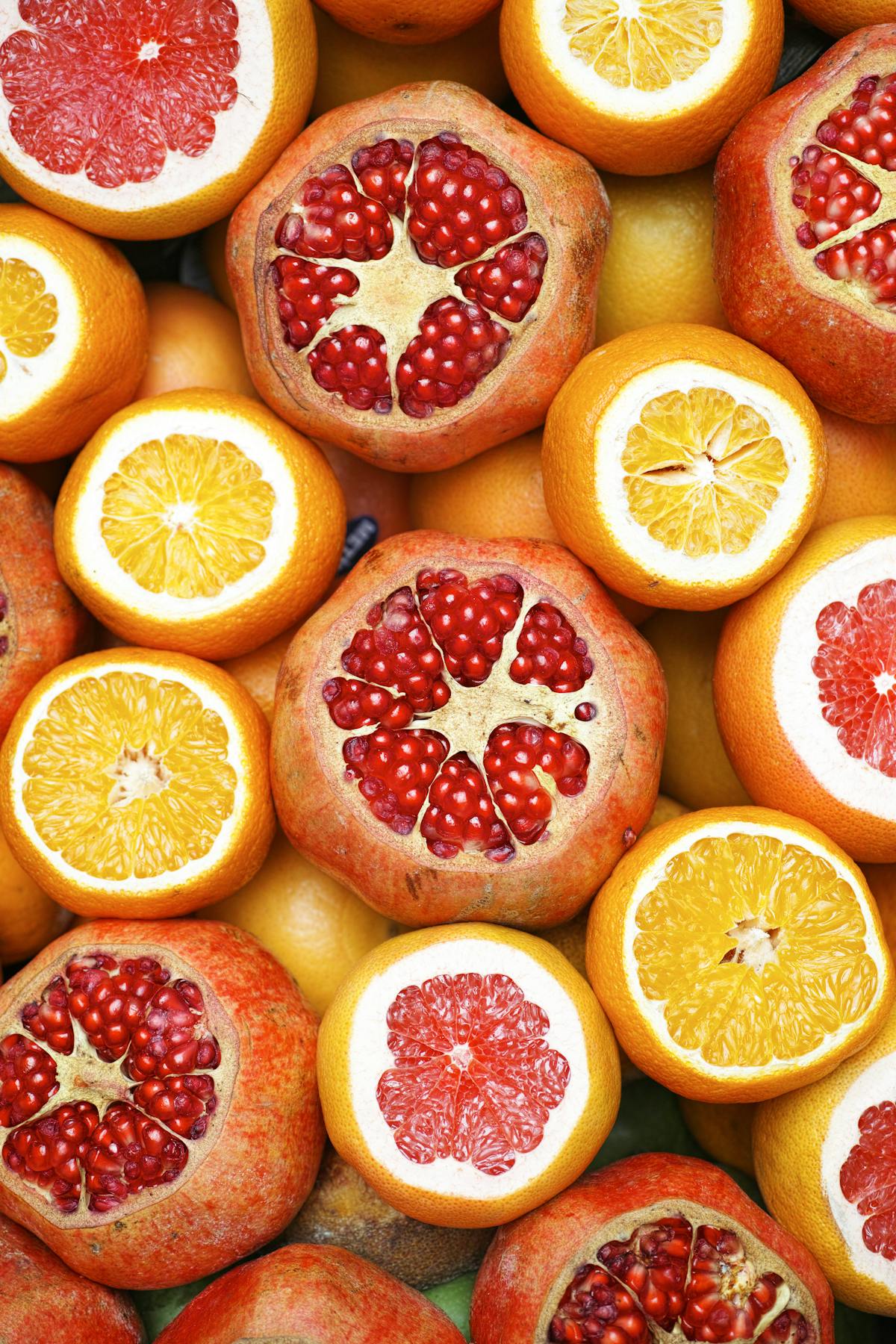
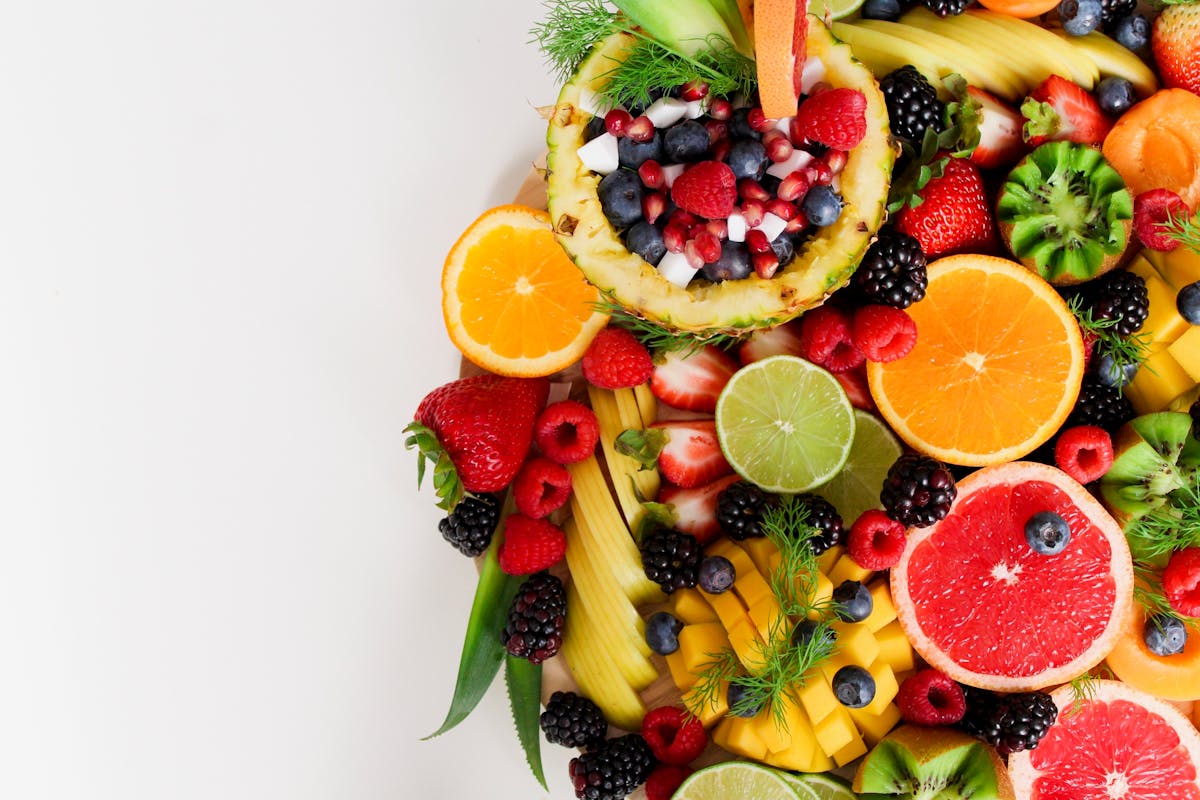
This kind of bowl is the poster child of the protein‑first movement: bold colors, exciting textures, and a nutritional profile that keeps you satisfied for hours.
Equipment You’ll Need
- Medium mixing bowl
- Small whisk or spoon
- Measuring cups and spoons
- Serving bowl
- Cutting board and small knife (for fruit)
Ingredients for a High-Protein Greek Yogurt Berry Power Bowl
These quantities make 1 large, high‑protein serving. Adjust up or down to match your needs.
Protein-First Base
- ¾–1 cup (180–240 g) plain non‑fat or low‑fat Greek yogurt (about 15–20 g protein)
- 2 tablespoons (30 g) whey, casein, or plant‑based protein powder, vanilla or unflavored
- 1–2 tablespoons (15–30 ml) milk or water, as needed to thin
- ½ teaspoon pure vanilla extract (optional but lovely)
- Pinch of fine sea salt (enhances sweetness and creaminess)
High-Satiety Toppings
- ½–1 cup (75–150 g) mixed fresh or frozen berries (blueberries, strawberries, raspberries)
- 2 tablespoons (14 g) chopped nuts (almonds, walnuts, pistachios) for crunch and healthy fats
- 1 tablespoon (10–12 g) chia seeds or ground flaxseed for extra fiber and omega‑3s
- 2–3 tablespoons (15–20 g) high‑protein or whole‑grain granola (optional, for more texture)
- 1–2 teaspoons honey, maple syrup, or zero‑calorie sweetener, to taste
Step-by-Step Visual Guide

How to Make the Greek Yogurt Berry Power Bowl
Mix the protein base. In a medium bowl, add the Greek yogurt, protein powder, vanilla extract (if using), and a small pinch of salt. Whisk until the mixture becomes smooth, thick, and pudding‑like. Add milk or water a teaspoon at a time if it feels too stiff.
Taste and lightly sweeten. Give the yogurt a taste. If your protein powder is unsweetened or you prefer a dessert‑like bowl, drizzle in 1–2 teaspoons of honey, maple syrup, or your favorite zero‑calorie sweetener. Stir well to combine.
Prep the berries. Rinse fresh berries and pat them dry, or quickly thaw frozen berries in the fridge or microwave. Larger fruits like strawberries can be sliced or quartered for easier eating.
Assemble the bowl. Spoon the protein yogurt into your serving bowl. Arrange the berries on top in generous clusters, covering most of the surface so every spoonful has flavor and texture.
Add high-satiety crunch. Sprinkle on the chopped nuts, chia or flax seeds, and granola (if using). These add healthy fats and fiber that slow digestion and keep you satisfied longer.
Finish and enjoy. Add an extra drizzle of honey or a dusting of cinnamon if you like. Eat right away, or chill for 10–15 minutes if you prefer a thicker, slightly set texture.
Approximate Nutrition & Protein Breakdown
Exact values will vary by brand, but for a typical bowl made with 1 cup non‑fat Greek yogurt, 1 scoop protein powder, berries, nuts, chia, and a light drizzle of honey, you might expect roughly:
- Calories: ~350–450 kcal
- Protein: ~30–40 g
- Carbohydrates: ~35–45 g (with fiber from berries, seeds, and possibly granola)
- Fat: ~10–18 g (mostly from nuts and seeds)
- Fiber: ~8–12 g, depending on your toppings
This balance of high protein, moderate carbs, and healthy fats is exactly what the protein‑first movement aims for: meals that feed your muscles, support stable energy, and keep your appetite calm and comfortable.
Variations, Swaps & Dietary Adaptations
One of the joys of this high‑protein bowl is how adaptable it is. Use what you love and what you have on hand, while keeping protein at the center.
Dairy-Free or Vegan
- Swap Greek yogurt for a thick, unsweetened soy or pea‑protein yogurt (higher in protein than coconut or almond yogurts).
- Use a plant‑based protein powder (pea, soy, or a blend) instead of whey or casein.
- Sweeten with maple syrup or agave instead of honey.
Higher Carbs for Athletes
- Stir in ¼–½ cup cooked and cooled oats or quinoa for sustained energy.
- Add a sliced banana or extra granola if you need more fuel around training.
Lower Carbs / GLP-1 Friendly
- Emphasize berries and seeds, and go lighter on granola or omit it entirely.
- Use a no‑added‑sugar protein powder and a non‑nutritive sweetener if needed.
Storage, Meal Prep & Reheating (If Any)
This high‑protein bowl is ideal for quick assembly, but you can absolutely work it into your meal prep routine.
- Make-ahead base: Mix the yogurt, protein powder, vanilla, and salt up to 3 days in advance and store in an airtight container in the fridge.
- Separate toppings: Keep nuts, seeds, and granola in a dry jar at room temperature to preserve crunch.
- Fruit storage: Wash berries just before eating when possible. If prepped, store them in a covered container lined with a paper towel in the fridge for 1–2 days.
- Assembly: Combine the base and toppings right before serving for the best texture.
There’s no reheating needed for this recipe—just assemble and enjoy chilled straight from the fridge.
Serving Ideas & Protein-First Meal Pairings
To build a full protein‑first day of eating, you can pair this bowl with other high‑protein, high‑satiety ideas:
- Breakfast: Enjoy this bowl with a side of scrambled eggs or egg whites and sautéed spinach for even more protein and micronutrients.
- Lunch: Aim for a lean protein anchor like grilled chicken, tofu, tempeh, or beans, plus a big salad and whole grains.
- Dinner: Center the plate on fish, lentils, or turkey, with roasted vegetables and a small serving of starchy carbs for balance.
- Snacks: Keep it simple: cottage cheese and fruit, edamame, roasted chickpeas, or a small yogurt cup.
The magic isn’t in a single “perfect” recipe—it’s in the consistent habit of building every meal around a satisfying, protein‑rich core.
Whole-Food Protein vs. Ultra-Processed Protein Snacks
Supermarkets are stacked with high‑protein bars, cereals, breads, and even “protein water.” These can be convenient tools, but many dietitians encourage using them as add‑ons rather than the foundation of your diet.
- Prioritize whole foods: Greek yogurt, cottage cheese, eggs, legumes, tofu, tempeh, fish, and minimally processed meats provide protein plus vitamins, minerals, and more fiber.
- Use convenience wisely: Keep a few high‑quality protein bars or ready‑to‑drink shakes on hand for travel or emergencies, not every meal.
- Read labels: Look for products with more protein than sugar, moderate fiber, and ingredient lists you recognize.
A simple rule: if most of your protein comes from real foods and a minority from packaged snacks, you’re aligned with the healthiest version of the protein‑first trend.
Protein-First Eating for Healthy Aging & Performance
The protein‑first movement isn’t only about aesthetics or weight loss; it’s also closely tied to healthy aging and performance nutrition. As we get older, we naturally lose muscle mass unless we actively protect it with both strength training and sufficient protein.
- Healthy aging: Higher protein intakes can help prevent or slow sarcopenia (age‑related muscle loss), supporting mobility, balance, and independence.
- Athletic performance: Distributing protein evenly across 3–4 meals enhances muscle recovery and growth more effectively than loading it all at dinner.
- Body recomposition: Many people now focus on “fat loss while maintaining or gaining muscle,” using high‑protein, high‑satiety meals as a core strategy.
Tools like wearables and body‑composition scales have made these changes easier to track, and protein‑first recipes—like this Greek yogurt bowl—give you a practical, tasty way to support those long‑term goals.
Bringing the Protein-First Movement Into Your Kitchen
You don’t need to count every gram or follow a rigid diet to benefit from the protein‑first movement. Instead, use it as a gentle framework:
- Ask yourself: “What’s my protein anchor for this meal?”
- Fill half your plate (or bowl) with colorful vegetables or fruit for fiber and micronutrients.
- Round things out with healthy fats and modest portions of whole‑grain carbs that you truly enjoy.
From there, let your taste buds guide you. The High‑Protein Greek Yogurt Berry Power Bowl is just one starting point—a template you can riff on endlessly. With each satisfying, high‑protein meal you build, you’re not just following a trend; you’re investing in steady energy, stronger muscles, and a kinder relationship with food.
