
Why Chappell Roan’s Sheer Grammys Dress Matters More Than the Outrage
Chappell Roan’s revealing Mugler gown at the 2025 Grammy Awards sparked headlines, but the pop star insists her breast-baring chiffon dress was “not that outrageous,” especially given the brand’s long history with transparency and bold silhouettes. Her look opens up a wider conversation about fashion history, performance personas, and where we draw the line between shock value and artistic expression on music’s biggest night.
Chappell Roan, Mugler, and the Grammys: When a “Revealing” Dress Isn’t That Outrageous
At an award show that’s seen everything from Jennifer Lopez’s green Versace dress to Lady Gaga emerging from an egg, it takes a lot to genuinely shock anyone. Yet Chappell Roan’s sheer chiffon Mugler look at the Grammys still managed to dominate timelines and think pieces. The BBC picked up the story after Roan pushed back on the controversy, framing the ensemble not as scandal but as fashion in conversation with history.
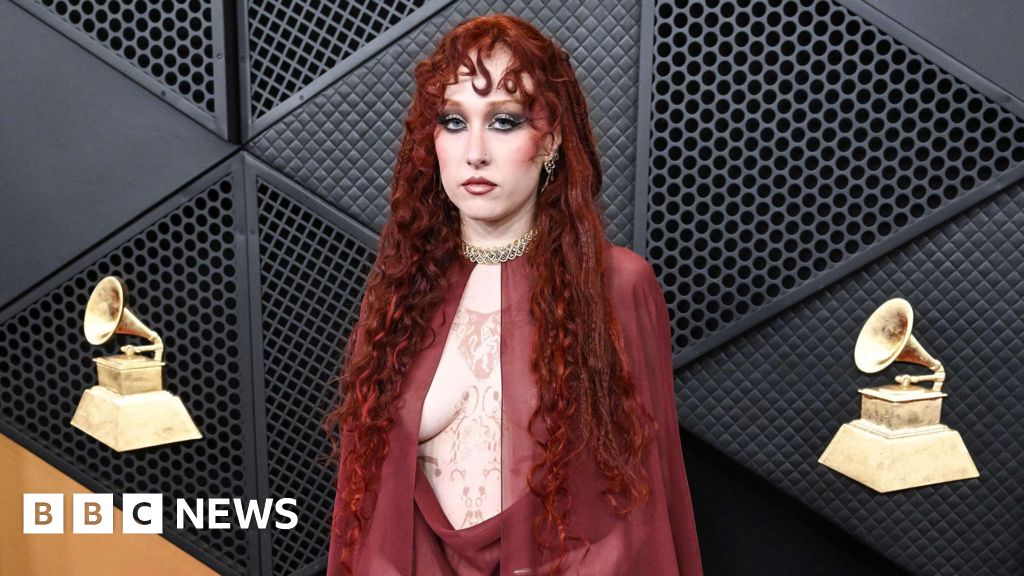
The BBC segment included commentary from fashion writer and stylist Alex Fullerton, who pointed out that Mugler has championed transparency and body-revealing design since the 1980s. In that context, Roan’s dress isn’t a wild outlier; it’s a continuation of an established visual language in pop and high fashion.
Who Is Chappell Roan, and Why Is Everyone Watching Her Style?
Chappell Roan has quickly become one of pop’s most watchable emerging stars, thanks to theatrical performances, queer club-kid aesthetics, and a flair for camp that feels as influenced by drag shows as by traditional pop stardom. Her rise arrives in the slipstream of artists like Lady Gaga, Lil Nas X, and Doja Cat, who treat the red carpet as a catwalk, a performance, and a meme engine all at once.
Roan’s persona leans into exaggerated glamour and playful provocation rather than subdued elegance. In that sense, the Mugler dress wasn’t a random stunt—it was on brand. Where some artists save their boldest looks for music videos, Roan brings that same energy to live performances and public appearances, blurring the line between stage costume and red-carpet couture.
Rather than chasing “classic” Grammys glamour, Roan’s choices signal that she’s playing a different game: closer to club performance and runway shows than the old Hollywood template that still lingers over major ceremonies.
Mugler and the History of Sheer, Sculptural Power Dressing
To understand why Roan’s dress isn’t as extreme as some reactions suggest, you have to understand Mugler. Since the 1980s, the house founded by Thierry Mugler has explored:
- Hyper-sculpted silhouettes that exaggerate shoulders, waists, and hips.
- Transparent fabrics paired with corsetry and armor-like detailing.
- A sense of theatricality that blurs the line between costume and couture.
Speaking to BBC Radio 5 Live, fashion writer and stylist Alex Fullerton said: “What this label (Mugler) has done consistently since the 80s has worked a lot with transparency, bare breasts, so she's very much in step with that tradition.”
In other words, Roan didn’t hijack Mugler for shock value; she stepped into a documented lineage. From runway shows that turned models into cyber-amazons to iconic looks worn by Beyoncé, Cardi B, and Dua Lipa, Mugler’s vocabulary is about empowerment through exaggeration and exposure, rather than modesty.
Against that backdrop, a sheer chiffon dress at the Grammys becomes less about scandal and more about brand coherence. The bare-breasted element isn’t a glitch; it’s a feature that Mugler has articulated for decades.
“Not That Outrageous”: Why the Dress Hit Different Online
So why did Roan feel the need to say the look wasn’t “that outrageous”? Because in 2025, outrage is often less about context and more about screenshots. A carefully constructed designer gown tends to get flattened into a single viral image stripped of its fashion history and design intent.
In a media ecosystem primed for quick takes, bare skin is still the laziest click magnet. But set Roan’s look against:
- The Grammys’ long history of boundary-pushing outfits.
- Mugler’s decades of transparent, body-revealing designs.
- The current pop landscape, where performance personas thrive on visual risk.
Viewed from that angle, her dress lands closer to “on-brand fashion statement” than “moral panic moment.” Roan’s own framing—that it wasn’t especially extreme—is a reminder that artists are often more fluent in fashion history than the discourse swirling around them.
At the same time, there’s a valid conversation about how much of this spectacle is driven by genuine self-expression versus the pressure on female and queer artists to stay visually “disruptive” to maintain visibility. Roan’s confidence in the look doesn’t erase the bigger industry machine around it—but it does suggest she knows exactly what she’s signing up for.
How This Fits into Grammys Red-Carpet History
The Grammys red carpet has always been more adventurous than its film awards cousins. Fashion historians and pop fans can rattle off a canon of looks that once triggered similar pearl-clutching:
- Jennifer Lopez’s plunging green Versace dress (2000) – so viral it helped inspire Google Images.
- Lady Gaga’s cosmic-era ensembles, including the infamous egg entrance (2011).
- Cardi B and Megan Thee Stallion’s more recent couture-meets-rap-royalty moments.

In that lineage, Roan’s Mugler moment slots in as this era’s iteration of a familiar pattern: a young artist using fashion to stake a claim on the culture, invite conversation, and align herself with a certain echelon of design houses.
What feels different now is the way every look is instantly litigated on social media, with little room for nuance about artistic intent, fashion heritage, or the performer’s larger body of work.
Style Review: Where the Look Succeeds—and Where It Divides
Judged purely as a fashion moment, Roan’s Mugler dress hits several strong notes—and a few that understandably won’t be for everyone.
What Works
- Cohesion with persona: The dramatic transparency and sculpting match Roan’s theatrical, club-inspired aesthetic.
- Historical resonance: The look feels authentically Mugler, not just a random “naked dress” chasing engagement.
- Visual impact: On a crowded red carpet, it’s memorable without relying solely on shock; the silhouette and fabric choice do real design work.
What May Divide Viewers
- Comfort threshold: Some viewers simply aren’t comfortable with overtly body-revealing outfits on mainstream broadcasts.
- Over-saturation of “naked” looks: After years of sheer gowns, critics argue the visual trope risks feeling repetitive, even when historically grounded.
- Attention economy: There’s a fair question about whether headline-grabbing fashion can overshadow the music itself.

Overall, the look lands as a confident, if polarizing, statement that lines up with both Mugler’s DNA and Roan’s emerging image—a 4 out of 5 moment in terms of impact and coherence, even if not universally adored.
Beyond the Dress: What This Says About Pop Culture Right Now
The discourse around Chappell Roan’s Grammys outfit says as much about us as it does about her. We’re in a moment where:
- Red carpets double as marketing campaigns for fashion houses and streaming platforms.
- Young artists are expected to cultivate instantly recognizable aesthetics to cut through the noise.
- Audiences are split between craving bold visual statements and feeling exhausted by constant “shock” cycles.

Roan’s insistence that the look wasn’t particularly outrageous is a small but telling pushback against a culture that tends to sensationalize women’s bodies first and contextualize their work later. It’s also a reminder that what feels transgressive in a social media feed may be fairly tame within fashion’s own decades-long timeline.
Conclusion: From Outrage to Understanding
Framed in isolation, Chappell Roan’s sheer Mugler gown is easy headline bait. Framed in context—of Mugler’s archive, the Grammys’ own fashion history, and Roan’s emerging pop persona—it becomes something more interesting: an artist situating herself within a very specific lineage of performance fashion.
As award shows continue to evolve in the age of streaming and social media, we can expect more of these flashpoint looks. The challenge for audiences and critics alike is to move past reflexive outrage and ask better questions: What history is this outfit in dialogue with? What persona is the artist building? And how does the fashion amplify—or distract from—the music that brought them to the carpet in the first place?
If Roan’s response is any indication, artists are prepared to defend their choices not just as shock tactics, but as informed, intentional entries into a broader cultural conversation. The real question is whether we’re willing to meet them there.
