
Why Bad Bunny Isn’t Cashing an NFL Check for the Super Bowl LX Halftime Show
Bad Bunny reportedly won’t be paid a performance fee for his Super Bowl LX halftime show, but the massive global exposure, streaming boost, and brand power he gains may be worth far more than a one‑night paycheck.
Will Bad Bunny Be Paid for His Super Bowl LX Halftime Performance?
As Super Bowl LX kicks off with the Seattle Seahawks facing the New York Jets, another big storyline is unfolding at midfield: Bad Bunny headlining one of the most-watched live events on the planet. According to CBS News reporting, the Puerto Rican superstar is expected to earn no direct performance fee from the NFL for his halftime set.
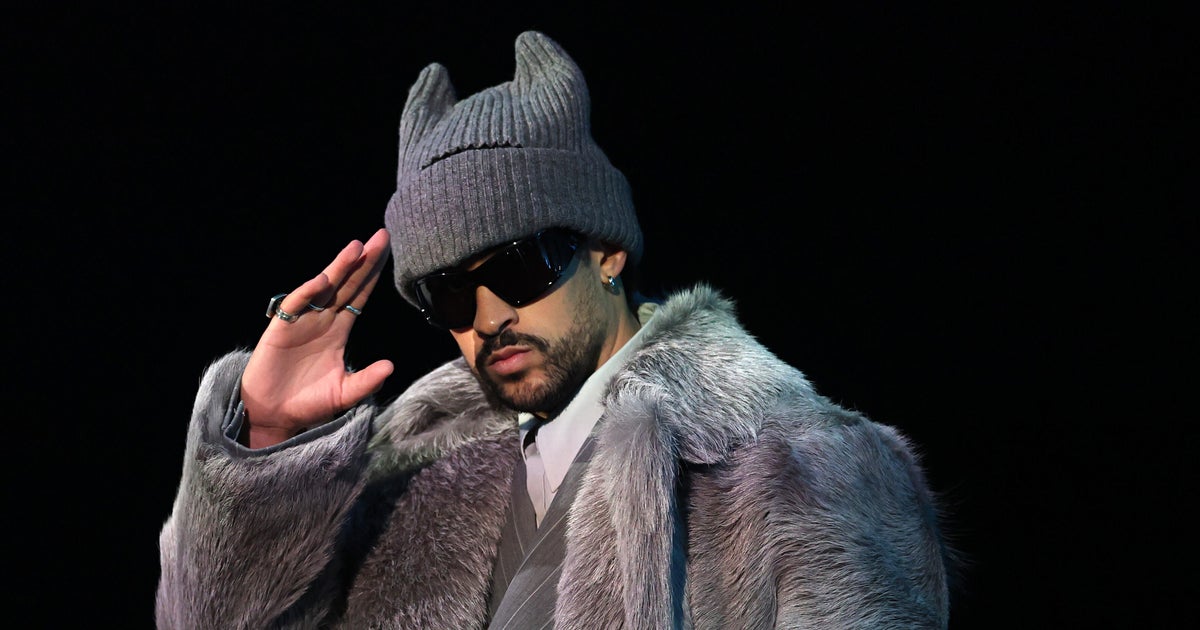
That might sound shocking—this is the biggest stage in American sports, after all—but it actually continues a long-running Super Bowl tradition where the NFL covers production costs, not performance salaries.
How Super Bowl Halftime “Payment” Really Works
Officially, the NFL’s line is consistent: it does not pay a traditional appearance fee to halftime performers. Instead, it finances the elaborate production—stage builds, dancers, pyrotechnics, LED screens, and everything needed to pull off a 12–15 minute pop opera in the middle of a football game.
- No standard performance check: Bad Bunny isn’t pocketing a typical concert fee for Super Bowl LX.
- Multi-million dollar production budget: The league underwrites staging and tech that could easily run into the tens of millions, depending on complexity.
- Union and crew compensation: Dancers, musicians, and technical crews are paid under union rules; the star is the only one essentially donating labor.
In other words, the NFL treats the halftime show less like a concert and more like a blockbuster promotional opportunity—and artists like Bad Bunny accept those terms because the exposure can be financially transformative in the long run.
“We don’t pay the artists. We cover expenses and production. The platform itself is the payment.” — NFL spokesperson explaining halftime show compensation structure in prior seasons
Why Bad Bunny Still Wins Big Without a Halftime Paycheck
For an artist on Bad Bunny’s level, a one-night fee—say a few million dollars—may be less valuable than what the Super Bowl audience can do for his catalog, his touring business, and his brand value.
1. Global Reach Beyond Reggaeton’s Core
Bad Bunny is already one of the most streamed artists in the world, but the Super Bowl LX halftime show introduces him to casual viewers who may know the name yet haven’t fully engaged with the music. The broadcast routinely draws well over 100 million viewers in the U.S. alone, plus massive international syndication.
Past halftime performers saw dramatic spikes:
- Rihanna (Super Bowl LVII): U.S. on-demand streams jumped more than 600% in the days after her performance.
- Shakira & Jennifer Lopez: Triple-digit increases in streams and sales across their catalogs.
- Dr. Dre-led hip-hop showcase: Renewed chart action for classic tracks from Snoop Dogg, Eminem, and Mary J. Blige.
2. Streaming, Sales, and Touring Uplift
The real money is in what happens after the lights go out in the stadium:
- Streaming spikes: A well-curated setlist can send older album tracks back up the charts and introduce newer singles to a fresh audience.
- Merch and brand deals: Increased visibility makes Bad Bunny even more attractive to fashion, lifestyle, and tech brands.
- Tour demand: It’s not unusual for post-halftime tour announcements to spark rapid sell-outs and premium ticket prices.
Bad Bunny’s Trajectory: From Urbano Rebel to Halftime Headliner
Culturally, Bad Bunny’s Super Bowl LX spot is bigger than just another big-name booking. He represents a generation of Latin artists who refused to smooth out language, style, or politics to cross over into the U.S. mainstream—and still conquered it.
His rise—from SoundCloud-era collaborations to chart-topping albums like Un Verano Sin Ti and Nadie Sabe Lo Que Va a Pasar Mañana—helped normalize Spanish-language dominance on global playlists. A Super Bowl slot effectively cements his place in the same tier as icons like Beyoncé, Prince, and Lady Gaga in terms of pop-cultural reach, even if his stylistic lane is different.
“I’m not here to translate myself. The world can come to the music the way it is.” — Bad Bunny, on refusing to water down his Spanish lyrics in early U.S. interviews
That approach makes his halftime booking feel both inevitable and overdue: a global platform finally reflecting what streaming data has been saying for years about Latin music’s rise.
The Business Logic: NFL, Sponsors, and Bad Bunny’s Team
From the NFL’s perspective, the halftime show is a prestige event and a powerful ad product wrapped in one. The league keeps costs in check by treating performers as partners rather than paid contractors, while sponsors and broadcasters reap massive audience engagement.
What the NFL Gets
- Ratings insurance: A global star like Bad Bunny helps keep casual viewers tuned in through halftime.
- Younger, more diverse audience: His fanbase skews younger and globally diasporic, aligning with the NFL’s ongoing push beyond traditional markets.
- Social media dominance: Clips from the set will dominate TikTok, Instagram, and X feeds, extending the game’s relevance beyond the die-hard football crowd.
What Bad Bunny Gets
While he’s not receiving a direct paycheck from the NFL, there are important indirect financial angles:
- Licensing and publishing: Song usage in promos, recaps, and streaming can generate royalties.
- Sponsor alignments: Brand integrations surrounding the show—before, during, or after—can yield significant fees.
- Negotiating leverage: Post-Super Bowl, his asking price for festivals, residencies, and collaborations only goes up.

Setlist Strategy: Which Songs Could Get the Super Bowl Bump?
While details of Bad Bunny’s Super Bowl LX setlist are closely guarded, halftime shows are usually structured as streamlined highlight reels—condensed medleys of artists’ biggest hits and current priorities.
In choosing what to perform, his team will likely balance:
- Global hits: Songs like “Tití Me Preguntó,” “Dakiti,” or “MÍA” that resonate even with casual listeners.
- Recent releases: Live promotion for tracks from his latest project to drive new streams.
- Surprise collaborations: Guest appearances—long a halftime staple—can create viral moments and mutually beneficial spikes in visibility.
Cultural Impact: Latin Music, Representation, and the NFL
Bad Bunny’s appearance continues a broader shift in Super Bowl programming toward more diverse and globally attuned lineups. Latin artists have moved from “special guest” slots to headliner status, mirroring their dominance on streaming platforms and charts.
His presence at Super Bowl LX means:
- Spanish-language normalization: Viewers are increasingly comfortable singing along to hooks in Spanish, even if they don’t speak the language.
- Queer and gender-nonconforming visibility: Bad Bunny’s history of bending traditional masculinity in fashion and visuals subtly expands representation on one of America’s most traditionally “macho” stages.
- Cross-border fandom: The halftime show becomes a shared event for audiences across Latin America, the Caribbean, and diasporic communities worldwide.

Strengths and Weaknesses of the Super Bowl’s No-Fee Model
The current arrangement isn’t without controversy. On one hand, it arguably favors already-established superstars who can afford to trade a fee for exposure. On the other, it can feel out of step with broader conversations around fair compensation for creative work.
Strengths
- Enables blockbuster-scale production without passing extra costs directly onto fans.
- Gives artists a global-stage marketing moment that’s nearly impossible to replicate elsewhere.
- Encourages elaborate, risk-taking performances designed to maximize cultural impact, not just ticket revenue.
Weaknesses
- Reinforces a system where only the biggest names can “afford” to accept such gigs.
- Complicates conversations around valuing labor in the entertainment industry, even at the superstar level.
- Can obscure the financial realities for supporting performers and behind-the-scenes creatives, whose work is essential to the spectacle.
“We need to separate the myth of ‘exposure’ from sustainable compensation. Superstars may benefit—but the system they occupy affects everyone down the chain.” — Media economist commenting on halftime economics
So, How Much Will Bad Bunny Actually Earn?
If you’re looking for a clean dollar figure from the NFL itself, the answer is simple: effectively zero in direct performance pay. The league is reportedly covering the cost of staging Bad Bunny’s halftime spectacle at Super Bowl LX, but not cutting him a conventional appearance check.
In practice, though, his earnings from the ripple effects—streaming spikes, touring demand, sponsorships, licensing, catalog growth—could easily climb into the multi-million-dollar range over time. The precise number will depend on how well his team capitalizes on the moment.
Final Take: A Halftime Gamble That’s Hard to Lose
Super Bowl LX Halftime Show featuring Bad Bunny isn’t just another performance; it’s a statement about where pop culture, sports, and global music are headed. The NFL maintains its long-standing no-fee policy, and Bad Bunny accepts it because the calculus has shifted: audience is currency.
If history is any guide, the question won’t be “Why didn’t he get paid?” but “How much did that 15 minutes reshape the next phase of his career?” For an artist who has already rewritten the rules of global pop stardom, betting on himself on the biggest stage in American sports feels like a very on-brand move.
From a business and cultural standpoint, Bad Bunny’s Super Bowl LX appearance looks less like an underpaid gig and more like a mutually beneficial trade: the NFL gets relevance and ratings; Bad Bunny gets the kind of spotlight that can’t be bought—only earned.
