
What New Jersey’s Bird Flu Outbreak Means For You (And How To Stay Safe Around Wild Birds)
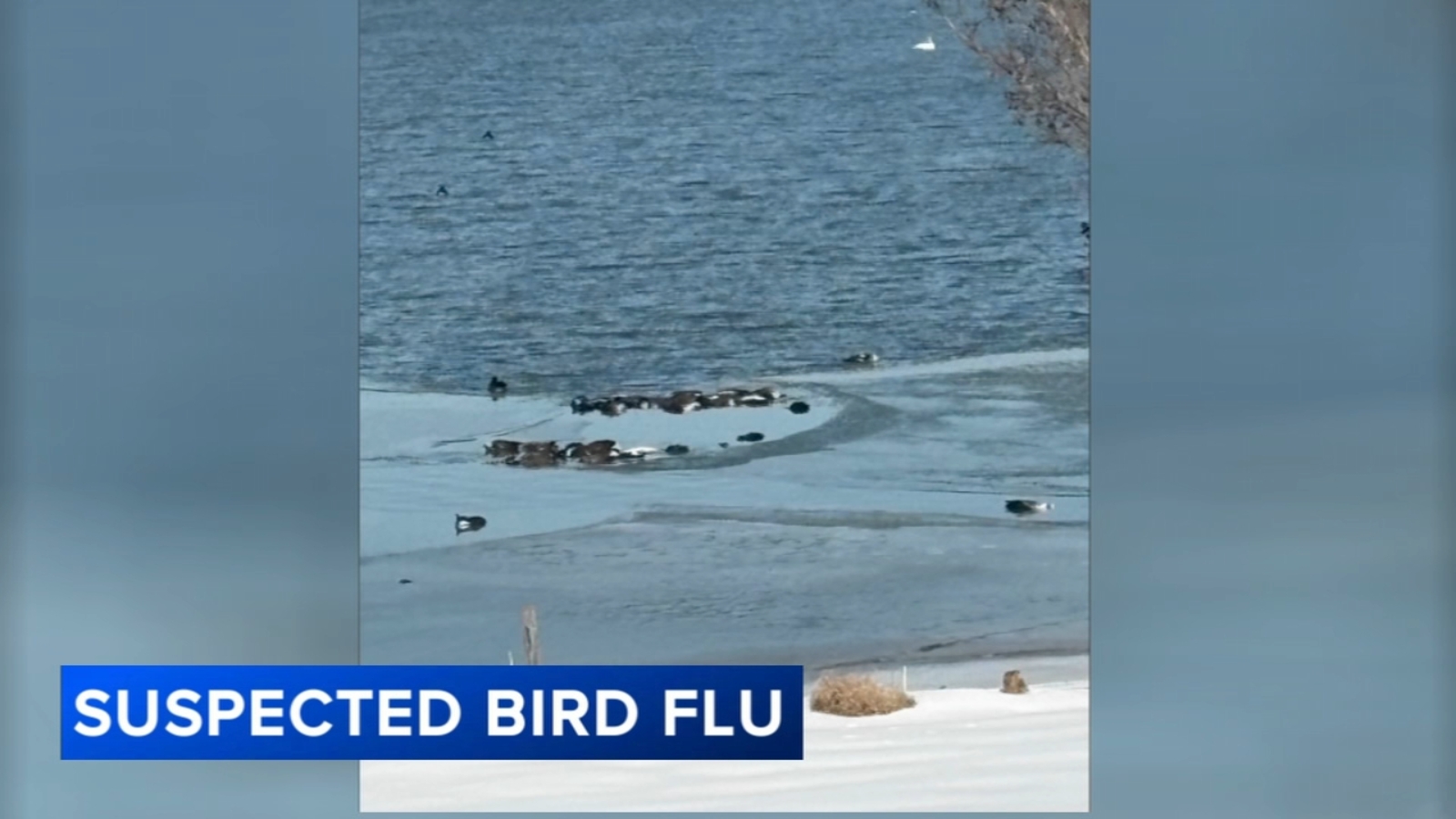
New Jersey officials are investigating a bird flu outbreak after dozens of wild geese were found dead or dying in Gloucester County and other parks across the state. If you walk your dog by the pond, take your kids to feed the ducks, or simply love local wildlife, news like this can feel unsettling.
In this guide, we’ll unpack what’s known so far, what “bird flu” actually means, how it spreads, and the practical steps you can take to stay safe—without giving up your time outdoors.
What’s Happening in New Jersey Right Now?
According to local news reports and state statements as of February 2026, wildlife and health officials in New Jersey are responding to:
- Large numbers of dead or visibly ill geese in Gloucester County, including Pitman and nearby parks
- Similar reports from other parks across the state, suggesting a wider spread among wild birds
- Testing of bird samples for highly pathogenic avian influenza (often shortened to “HPAI” or “bird flu”)
At this stage, investigations typically focus on:
- Confirming exactly which strain of bird flu is involved
- Understanding how widespread it is in local wild bird populations
- Protecting domestic poultry, pets, and the public
“Finding clusters of dead wild birds is always a red flag for avian influenza, especially during migration seasons. Early testing and public cooperation—like avoiding contact with sick or dead birds—are key to limiting spread.”
— Public health veterinarian, summarized from current avian influenza guidance
What Is Bird Flu, and How Worried Should You Be?
“Bird flu” is a catch-all term for avian influenza viruses that primarily infect birds. Some strains stay mild, while others—called “highly pathogenic”—can cause severe disease and high death rates in poultry and wild birds.
In recent years, the H5 family of avian influenza viruses has caused outbreaks in wild birds and poultry across North America and Europe. Human infections are rare and typically occur in people with very close, unprotected contact with infected birds.
The concern from a public health perspective is less about panic today and more about:
- Protecting poultry farms and local food supplies
- Preventing “spillover” into other animals (including mammals)
- Monitoring for any signs that a strain is adapting more easily to humans
So far, most reported human bird flu cases globally have involved people who worked directly with infected birds or in processing facilities, not casual park-goers.
How Bird Flu Spreads: From Wild Geese to Backyards
Understanding how avian influenza spreads can help you make informed, calm decisions.
- Bird-to-bird: The virus spreads through saliva, nasal secretions, and droppings. Shared water sources (like ponds) and crowded roosting areas are high-risk spots—for birds.
- Environment: The virus can contaminate soil, water, and surfaces where infected birds have been, especially where droppings accumulate.
- Human contact: People can be exposed by handling sick or dead birds without protection, or by touching contaminated surfaces and then their mouth, nose, or eyes.
- Pets and backyard poultry: Dogs, cats, and backyard chickens or ducks can be exposed if they have contact with infected wild birds or their droppings.
A Local Snapshot: When a “Normal” Park Walk Suddenly Isn’t
During a previous avian influenza episode, a New Jersey family I spoke with described arriving at their usual weekend walking spot to find multiple dead birds near the water’s edge and yellow tape around parts of the park.
They did exactly what public health officials recommend:
- Kept their dog on a short leash and away from the shoreline
- Reported the sighting to the posted park contact number
- Chose another trail away from the birds and water
- Washed hands thoroughly when they got home and cleaned the dog’s paws
They still enjoyed time outside, but with a few extra precautions. This is the balance we’re aiming for now in Gloucester County and beyond: informed caution, not fear.
How to Stay Safe in New Jersey Parks During the Bird Flu Investigation
You don’t need to avoid every outdoor space, but you do need to adjust a few habits while officials investigate bird flu in local geese.
1. Avoid Direct Contact With Wild Birds
- Do not touch sick or dead birds, even if you’re trying to help.
- Keep children from approaching or feeding geese, ducks, or other waterfowl.
- Respect any park closures, fencing, or posted warning signs.
2. Protect Your Pets
- Walk dogs on a leash and prevent them from chasing or retrieving birds.
- Avoid letting pets drink from ponds or puddles where waterfowl gather.
- Wipe paws after walks, especially if you’ve been near bird-heavy areas.
3. Practice Good Hand and Shoe Hygiene
- Wash hands with soap and water after visiting parks or handling outdoor equipment.
- Consider leaving park shoes at the door, especially if you have backyard poultry.
- Clean mud and debris from strollers, bike tires, and pet gear.
4. If You Keep Backyard Chickens or Ducks
- Keep your birds separated from wild waterfowl and their droppings.
- Use dedicated footwear and clothing when entering your coop area.
- Report sudden, unexplained illness or death in your flock to your state agriculture or animal health department.
Possible Symptoms in Humans and When to Call a Doctor
Human bird flu infections remain very rare, and most people will not be exposed in a way that puts them at significant risk. However, health authorities recommend paying attention if you’ve had:
- Close, unprotected contact with sick or dead birds, especially without gloves or a mask
- Direct exposure to bird secretions or droppings (for example, during cleanup)
- Work in poultry or wildlife settings handling potentially infected animals
In that context, symptoms that might raise concern include:
- Fever, cough, sore throat
- Shortness of breath
- Eye irritation or conjunctivitis after exposure
- Unusual fatigue or body aches following high-risk contact with birds
These symptoms overlap heavily with seasonal flu and COVID-19, so they do not mean you have bird flu. Still, it’s wise to:
- Call your healthcare provider and mention any bird exposure.
- Follow their advice about testing, monitoring, or treatment.
- Limit close contact with others while symptomatic, as a general public health precaution.
Before and After: How Your Park Routine Should Change (For Now)
You don’t need to overhaul your life, but a few small shifts can meaningfully reduce risk while the bird flu investigation continues.

| Before the outbreak | During investigation |
|---|---|
| Feeding geese and ducks with kids at the pond | Skip feeding wild birds; watch them from a distance instead |
| Letting the dog run off-leash near the water | Keep dogs on-leash and away from birds and shoreline |
| Walking through areas covered in bird droppings | Choose cleaner paths; clean shoes and gear when you get home |
| Ignoring a dead bird in the grass | Avoid the area and report it to park or wildlife authorities |
What Experts and Research Tell Us About Outbreaks Like This
Decades of surveillance by organizations like the CDC, U.S. Department of Agriculture (USDA), and global partners give us a clearer picture of what to expect from events like the New Jersey goose die-off.
- Outbreaks in wild birds are not new. Avian influenza circulates naturally among waterfowl, with periodic spikes that cause noticeable mortality events.
- Most outbreaks stay primarily in birds. Despite many avian outbreaks across continents, only a small number of human cases have been recorded, nearly all in high-exposure settings.
- Rapid testing and reporting work. Early detection in wild birds helps protect poultry farms and informs guidance for the public.
“From an evidence standpoint, the best protection remains simple: avoid contact with sick or dead birds, practice hand hygiene, and follow local advisories. These steps have consistently limited human infections, even during large avian outbreaks.”
— Summary of CDC and USDA avian influenza guidance
For more in-depth, up-to-date information, see:
- CDC: Avian Influenza (Bird Flu)
- USDA: Avian Influenza Resources
- New Jersey Department of Health (for state-specific updates)
Feeling Anxious About Yet Another Health Story? You’re Not Alone.
After years of worrying about COVID-19, news about “another virus” can feel heavy. Many people report:
- Worrying every time they hear sirens or see caution tape at parks
- Feeling unsure which sources to trust
- Struggling to balance caution with a desire to live normally
It can help to:
- Limit news to a couple of reliable updates per day (for example, CDC and your state health department).
- Focus on the actions you can take—like the simple steps in this article.
- Keep doing mood-supporting routines: walks, time with family, hobbies, and adequate sleep.

Putting It All Together: Calm, Informed Caution
The bird flu investigation in Gloucester County and other New Jersey parks is serious, especially for wild birds and poultry, but it doesn’t have to derail your day-to-day life.
To recap the most important actions:
- Avoid touching sick or dead birds; report them to authorities.
- Keep children and pets away from waterfowl and areas with heavy bird droppings.
- Wash hands and clean shoes or gear after visiting parks.
- Follow state and local health advisories as they evolve.
- Talk with a healthcare provider if you’ve had high-risk exposure and develop symptoms.
You can think of these steps as a practical toolkit: they’re simple enough to use every day, but powerful enough to help protect your family, your community, and the birds we share our spaces with.
Your next step today:
- Save your local wildlife or park authority contact information in your phone.
- Share a quick summary of these precautions with family or neighbors who frequent the same parks.
- Plan your next walk—with a bit more distance from the geese, and the confidence that you know how to stay safe.
