Weekend Wall Wizardry: DIY Paneling Tricks That Make Your Rental Look Rich
DIY Wall Paneling: When Your Blank Wall Is Begging for a Glow-Up
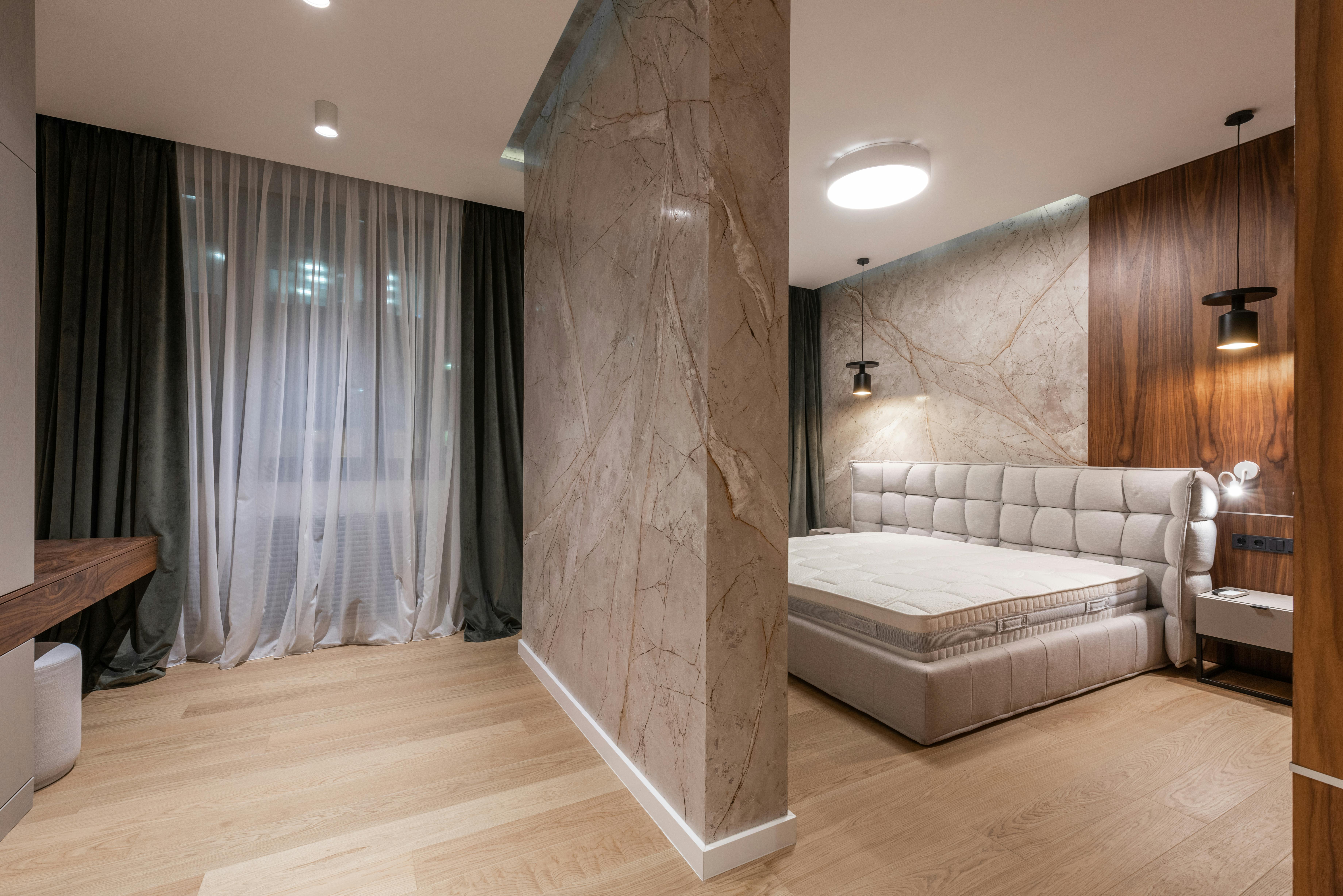
DIY wall paneling and textured feature walls are the internet’s favorite weekend makeover, turning boring blank walls into high-impact, low-cost showpieces with slat walls, board-and-batten, fluted panels, and textured finishes. This playful guide walks you through the trendiest techniques, smart planning tips, and renter-friendly hacks so you can create a stunning feature wall that looks designer, not disaster.
If your walls are currently giving “printer paper energy,” you’re not alone. Across TikTok, YouTube, and Instagram, homeowners are turning flat drywall into architectural main characters with vertical slat walls, moody board-and-batten, fluted panels that look straight out of a boutique hotel, and textured paint that whispers, “Yes, I read design magazines and no, it didn’t cost a fortune.”
Searches for “slat wall DIY,” “fluted wall panels,” “board and batten wall,” and “accent wall ideas” are still spiking every weekend, which means: 1) you’re fashionably on trend, and 2) it’s only a matter of time before your living room starts side‑eyeing you, asking where its feature wall is.
Think of wall paneling as contouring for your room: a little dimension, a little shadow, and suddenly everything looks more expensive.
Why DIY Wall Paneling Is Having a Main-Character Moment
Before we dive into slats and battens (which sound like medieval weapons but are actually very friendly), let’s talk about why these projects are everywhere:
- Big impact, small budget: For around the cost of a fancy dinner and a rideshare surge fee, you can completely transform a room.
- Weekend-friendly: The most shared projects promise a “weekend wall transformation” or “$200 feature wall makeover”—and they deliver.
- Beginner-approved tools: A basic saw, level, nail gun or strong adhesive, filler, and paint will get you through most of these.
- Style-chameleon potential: Farmhouse? Go classic white board-and-batten. Boho? Fluted panels in terracotta. Minimalist? Tone-on-tone slats for subtle shadow drama.
With more people choosing to upgrade rather than move, wall paneling is the home decor equivalent of cutting bangs: bold, cathartic, and (unlike bangs) pretty easy to fix if you change your mind.
Vertical Slat Walls: The Tall, Dark, and Handsome of Feature Walls
Vertical slat walls are the current algorithm darling: slim wood strips installed with a small gap between each one for that modern, linear texture you’ve seen behind every TV and bed on your feed.
Where slat walls shine
- Behind the TV: Hides cords, reduces visual clutter, and makes your TV look like it came with a designer.
- Behind the bed: Acts as a giant, dramatic headboard that screams “custom” without screaming at your bank account.
- Entryways: Paired with hooks or a slim bench, it turns the drop‑zone into an intentional vignette instead of a shoe avalanche.
Material and color tips
For a warm, modern vibe that nods to Japandi and modern farmhouse styles, use pine, MDF, or oak strips and stain them in honey, walnut, or smoked tones. Prefer a softer, minimalist look? Paint the slats and the wall the same color for subtle texture that shows up as delicious shadows instead of shouting for attention.
Pro tip: Measure your slat spacing before cutting everything. This is not the time for vibes-only math. Use painter’s tape or a scrap spacer block to keep gaps consistent, because nothing says “DIY chaos” like one oddly chubby slat in the corner.
Board-and-Batten & Grid Walls: The Classic With a Plot Twist
Board-and-batten is the best friend who looks good at every party. It’s a classic wall treatment using wider boards and vertical battens to create rectangles or squares, and it’s having a serious moment in bedrooms, dining rooms, and home offices.
Where board-and-batten works best
- Bedrooms: A grid wall behind the bed anchors the space and instantly makes budget furniture look curated.
- Dining rooms: Adds a tailored, architectural feel that pairs beautifully with simple furniture and modern lighting.
- Home offices: A painted feature wall behind the desk creates a sharp Zoom background that says “I take work seriously” even when you’re wearing slippers.
Color inspiration
Trending shades include deep greens, inky blues, and moody neutrals. Think “library at a country estate” but on a real‑world budget. If farmhouse is your love language, white or greige board-and-batten delivers instant calm without feeling too precious.
Designer trick: Extend your board-and-batten higher than you think. Taking it to 2/3 or even 3/4 of the wall height makes ceilings feel taller and gives the room a custom, high-end look.
Fluted & Ribbed Panels: The Boutique-Hotel Upgrade
Fluted and ribbed panels are the glamorous cousin in the wall paneling family—sophisticated, a little extra, but surprisingly easy to live with. Pre-made MDF or PVC panels are everywhere right now, and DIYers are wrapping them around kitchen islands, creating curved feature walls, and building sculptural headboards.
Where to use fluted panels
- Accent walls: A half or full-height fluted wall in the living room adds subtle movement and texture.
- Kitchen islands: Wrap the island base with fluted panels and you’ve just tricked everyone into thinking you remodeled.
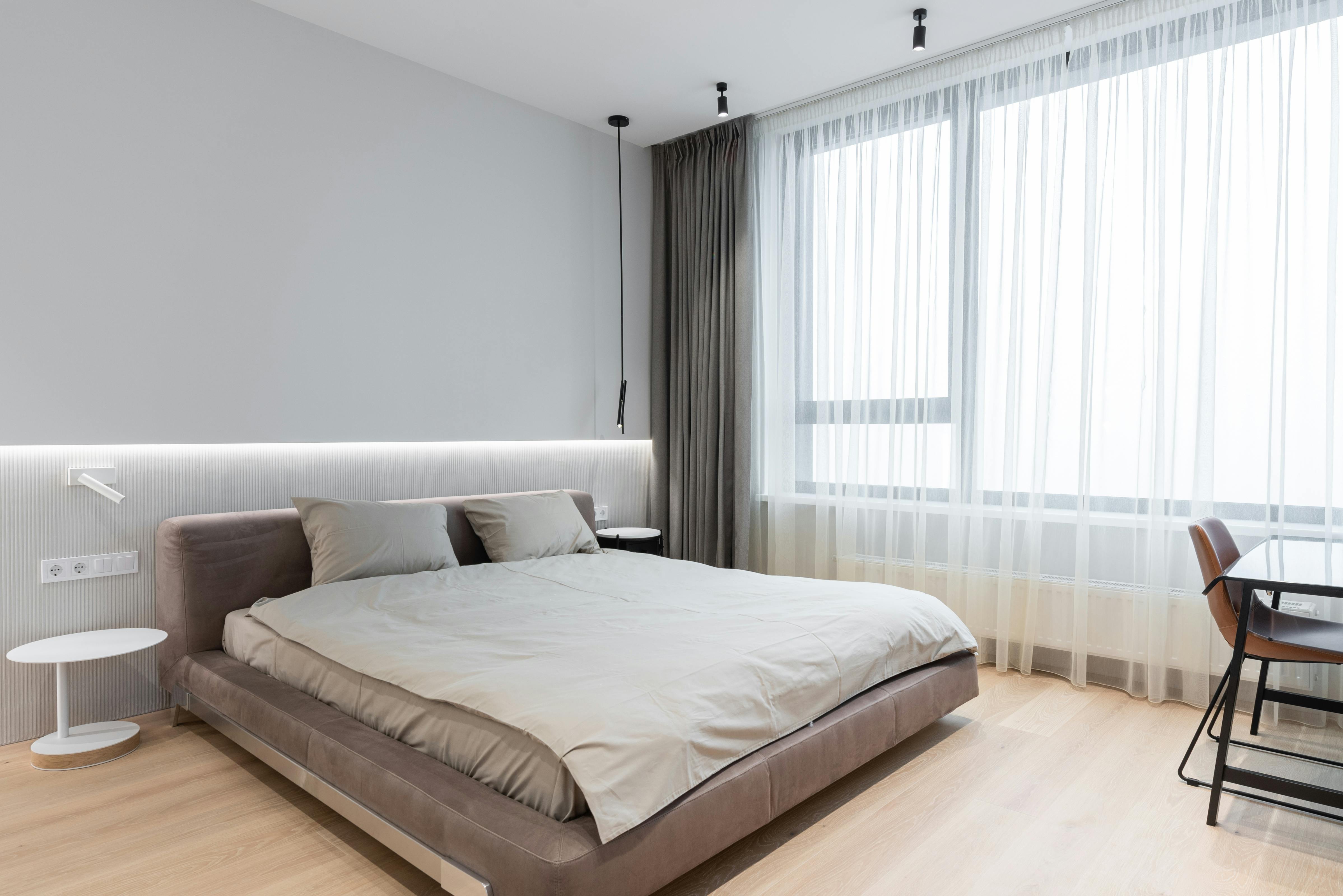
- Headboards: Create a wide, fluted panel behind the bed, add wall-mounted sconces, and enjoy your new boutique-hotel moment.
For a boho-leaning look, paint fluted walls in earthy tones like terracotta, olive, or warm sand. Minimalists can stick to soft white, greige, or mushroom tones for a subtle, sculptural effect.
Installation hack: Many fluted panels can be attached with construction adhesive and a few finishing nails. Just remember that dry fitting is your best friend—lay out the panels on the floor first so you’re not doing geometry on a ladder.
Textured Paint & Plaster: For When Flat Paint Feels Emotionally Unavailable
Not in the mood for wood? Textured finishes like limewash, Roman clay, and faux plaster are everywhere on TikTok and Reels, adding a soft, hand-applied look that feels cozy and expensive (but doesn’t have to be).
Trending textured finishes
- Limewash: Cloudy, tonal color with gentle variation. Perfect for living rooms and bedrooms where you want a calm, lived-in feel.
- Roman clay: A smooth, velvety finish with depth and movement—great for fireplaces and statement walls.
- Joint compound tricks: DIYers are using joint compound with rollers, trowels, or spatulas to add subtle texture before painting.
The secret to success here is embracing imperfection. These finishes are not supposed to look airbrushed; the variation is the point. If you’re a recovering perfectionist, consider this affordable therapy.
For renters, test textured paint on large canvases or plywood panels you can lean against the wall. You’ll get the look without losing your deposit (or your landlord’s patience).
Room-by-Room: Where Feature Walls Work Hardest
Living room: Make the wall do the work
A single accent wall behind the sofa or TV is often enough to redefine your entire living space. Pair slat or fluted walls with minimalist furniture and neutral decor so the texture becomes the focal point, not the chaos of seventeen throw pillows.
Many DIYers are also integrating LED strip lighting or slim picture lights into their feature walls, creating a glow that highlights texture and sets a cozy mood for movie nights.
Bedroom: The oversized headboard you didn’t know you needed
In bedrooms, paneling behind the bed doubles as an extended headboard and visual anchor. Add wall-mounted sconces and floating nightstands, and you’ve freed up floor space while gaining “I hired a designer” energy.
Entryway: Tiny space, huge personality
Even a narrow entry can handle a small slat or board-and-batten section with a slim shelf or bench. This is the perfect spot for a weekend test project before you commit to a full-wall transformation elsewhere.
Plan Like a Pro: Avoiding the “Pinterest vs. Reality” Plot Twist
Before you run to the hardware store chanting “battens, but make them chic,” pause and plan. Your future self (and your wallet) will thank you.
- Measure like your reputation depends on it.
Measure wall width, height, and any interruptions (doors, outlets, vents). For slats or grids, sketch a quick diagram and calculate how many pieces you’ll need and the spacing. - Sample your colors on the actual wall.
Paint swatches look different depending on light and texture. Test your top 2–3 shades on the wall where the paneling will go, and check them at morning, afternoon, and night. - Test your layout with tape first.
Use painter’s tape to mock out grid lines or slat spacing. This low-commitment step can save you from the heartbreak of a strangely placed vertical line behind your headboard. - Budget realistically (with a little wiggle room).
Factor in wood or panels, adhesive, nails, filler, sandpaper, primer, and paint. Then add 10–15% for “surprises,” also known as “that thing I forgot to buy.”
Renter-Friendly Tricks: Have Your Feature Wall and Your Deposit Too
You don’t need to own your walls to spoil them. If your lease is more strict than your childhood piano teacher, try these non-destructive options:
- Freestanding panels: Build slatted or fluted panels on a simple frame and lean them against the wall behind your bed or sofa.
- Removable mounting strips: For lightweight MDF trims, use heavy-duty removable strips rated for the correct weight, and always test first.
- Large art-style panels: Create board-and-batten or textured finishes on big plywood panels, then hang them like oversized artwork.
Take plenty of “before” photos so you can restore everything later, and keep a small jar of your landlord’s wall paint on hand for touch-ups if needed.
Style It Right: Finishing Touches That Make Your Wall Look Designer
Once the wall is up and painted, styling turns “nice DIY” into “please drop your tutorial link immediately.” A few guiding principles:
- Let the texture breathe: Keep furniture and decor slightly simpler on a heavily paneled wall. Texture is already doing a lot of talking.
- Play with contrast: A dark, moody grid wall behind a light sofa or bedding creates instant depth.
- Layer lighting: Pair your feature wall with sconces, picture lights, or hidden LED strips to emphasize shadows and dimension.
- Add soft textures nearby: Rugs, throws, and cushions balance the structure of paneling with comfort.
Remember: the goal is “effortlessly curated,” not “I just discovered power tools and lost control.”
Ready, Set, Panel: Your Wall’s Big Break
From vertical slat walls to moody board-and-batten grids, fluted panels, and textured paint, DIY feature walls are the rare decor project that’s equal parts budget-friendly, beginner-friendly, and brag-worthy. With a free weekend, a little planning, and a willingness to sand things more than once, you can turn a blank wall into the star of your home.
So pick your style, charge your nail gun (or your courage), and give your walls the personality they’ve been quietly begging for. And when your “before and after” inevitably goes viral? Don’t forget to invite your wall to the comments section. It’s earned it.