Tyra Banks Calls Out ‘Celebrity Shakedown’ in $50K Ice Cream Business Feud
Tyra Banks is locked in a fresh legal battle over her ModelLand ice cream venture, accusing a former business partner’s landlord in Washington, D.C., of a “celebrity shakedown” and demanding $50,000 in damages. Behind the catchy headline is a surprisingly common question in modern Hollywood: when a celebrity brand goes sour, who actually pays the bill?
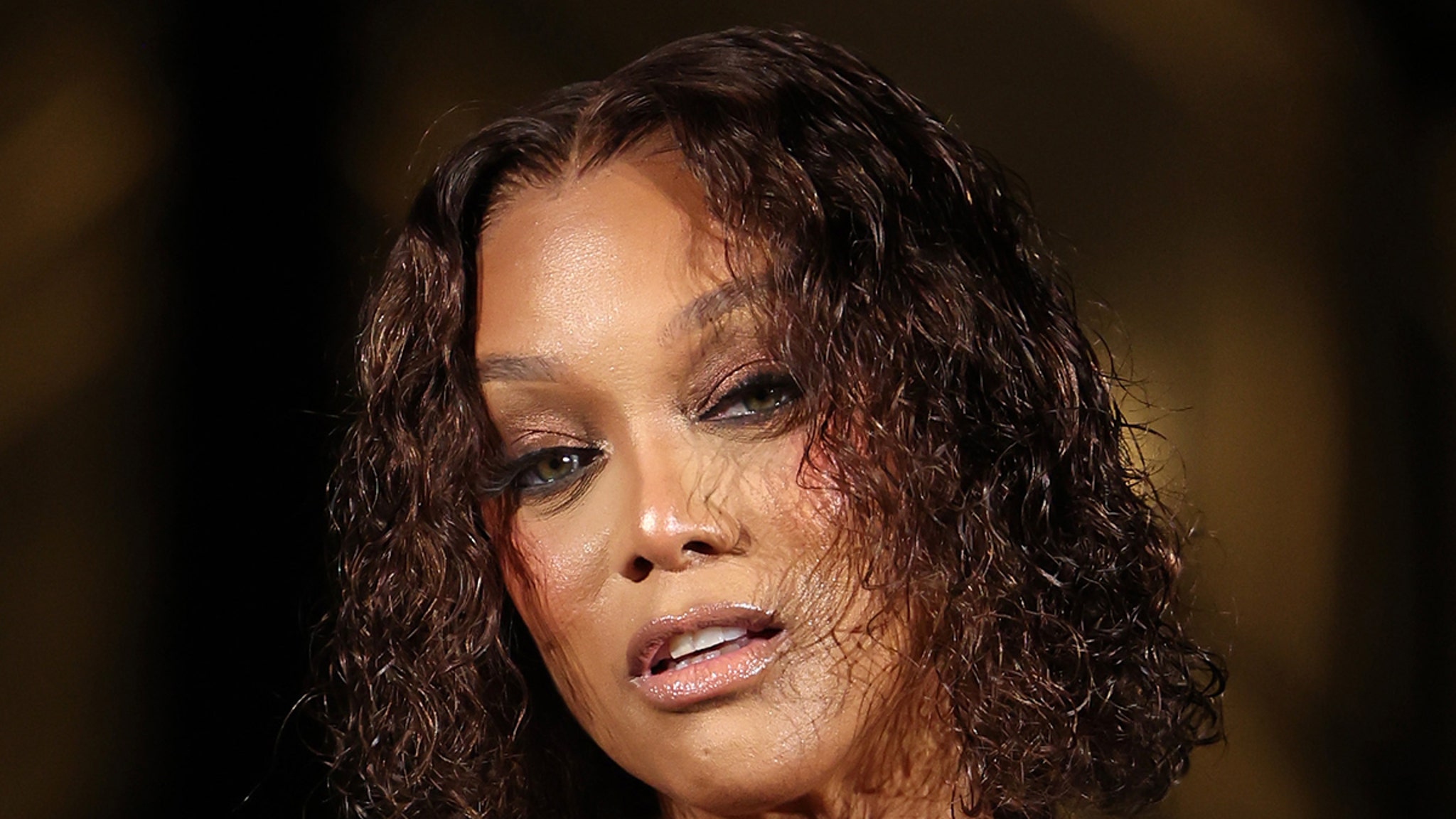
The case, filed in Washington, D.C., pits Banks and her ice cream brand against a landlord who claims they’re owed money tied to a local ModelLand dessert shop. Banks, in turn, says this is less about unpaid rent and more about using her name recognition as leverage.
From Runways to Rocky Leases: How Tyra Banks Got Here
Banks has spent the last decade turning her “America’s Next Top Model” fame into an entrepreneurial portfolio: production, personal branding, a now‑paused ModelLand attraction, and a line of premium ice creams. Like many celebrity brands, the ice cream business relies on partnerships—local operators license the brand, run locations, and pay rent to landlords.
According to reporting and court filings as of February 25, 2026, the Washington, D.C. shop at the center of this dispute was run by an ex‑business partner of Banks. The landlord now argues that Banks’ side bears responsibility for payments linked to that store. Banks’ legal team counters that her role was limited and that the landlord is unfairly targeting her because of her celebrity profile rather than the actual signatory to the lease.
Inside the “Celebrity Shakedown” Claim
In her court documents, Banks reportedly describes the landlord’s move as a classic “celebrity shakedown” — the idea that a famous name becomes a target simply because it looks like the deepest pocket in the room. This framing isn’t new; it’s become a familiar refrain in entertainment law whenever a dispute edges from a private business disagreement into the public spotlight.
“Tyra Banks is embroiled in a nasty court battle over her ice cream company — claiming a landlord is attempting a ‘celebrity shakedown’…”
Banks is reportedly seeking around $50,000 in damages, arguing that she’s being wrongly dragged into a lease dispute that belongs between the landlord and her former business partner. That dollar figure is relatively modest by Hollywood standards, which suggests this case is as much about setting a precedent—and clearing her brand’s name—as it is about recouping money.
- The landlord claims money is owed related to the D.C. ModelLand ice cream location.
- Banks says she was not the tenant and shouldn’t be treated as a guarantor.
- Her legal argument frames the lawsuit as exploiting her fame rather than enforcing a straightforward contract.
Celebrity Brands vs. Real Estate Reality
Behind the glossy branding of a celebrity ice cream company is a familiar business structure: limited liability companies (LLCs), franchise‑style agreements, and local leases. Landlords, especially in high‑rent markets like Washington, D.C., routinely try to secure personal guarantees or attach well‑known partners to leases to minimize their risk.
For celebrities, that’s exactly the risk. Even when they’re not on the lease, their public association with the brand can make them a tempting legal target. The line between “endorser,” “investor,” and “operator” can blur—not just in press releases but in the courtroom.

The TMZ Effect: How This Lawsuit Plays in Public
Because this dispute surfaced via outlets like TMZ, it instantly jumped from niche business story to entertainment headline. That media framing matters. “Celebrity shakedown” is a sticky phrase; it positions Banks as the one under siege rather than a powerful brand owner facing a creditor.
Publicly, the narrative leans into Tyra’s long‑standing persona: someone who’s navigated tough industries—from fashion to reality TV—while fiercely protecting her image. The ice cream twist adds a dash of irony: a wholesome, family‑friendly product now caught up in a bitter legal fight.

Lawsuits like this one live two lives: one in court, and one in the court of public opinion, where phrases like “shakedown” can matter as much as any legal filing.
The Case for Tyra — and the Case Against Her
With full evidence sealed in legal filings, any outside read remains tentative. Still, based on what’s public as of February 25, 2026, a few strengths and weaknesses emerge on each side.
What Helps Tyra Banks’ Argument
- Limited operational role: If she can show she wasn’t a leaseholder or guarantor, it strengthens the claim she’s being targeted mainly because of her name.
- Pattern recognition: Courts have seen attempts to rope in high‑profile figures to increase settlement leverage; judges are wary of purely publicity‑driven tactics.
- Relatively small damages claim: Asking for around $50,000 in damages makes her look more interested in clearing the record than cashing in.
What Helps the Landlord’s Argument
- Brand association: If the landlord can show that Banks’ company directly benefited from the D.C. shop, they can argue there was at least an implied responsibility.
- Public branding and marketing: Heavy promotion of the site as an “official” Tyra‑backed location may blur the lines in the eyes of a court.
- Economic pressure: Commercial landlords hit by vacancies and downturns often fight aggressively for every dollar owed.
Why This Dispute Says a Lot About 2020s Celebrity Culture
The Tyra Banks ice cream battle sits in the same cultural lane as influencer‑fronted ghost kitchens and celebrity tequila lines. The 2020s have been defined by stars trying to convert attention into equity—sometimes with genius, sometimes with chaos.
Where Tyra differs from, say, a TikTok star launching a canned beverage is her legacy status. She’s built a multi‑decade brand around empowerment and savvy reinvention. A messy lease case doesn’t destroy that, but it complicates the narrative. Fans who grew up on “smize” and runway makeovers now see the less glamorous side of scaling a lifestyle empire.

It also underscores a broader shift: audiences increasingly understand that celebrity ventures are businesses first, fantasies second. Lawsuits over rent and royalties sit alongside red‑carpet premieres in the same social feeds, flattening the line between entertainment and enterprise.
Related Celebrity Business Clashes and Where to Read More
Banks’ clash isn’t happening in a vacuum. It’s part of a growing list of disputes where recognizable names collide with the less glamorous parts of capitalism: leases, licensing, and liability.
- Tyra Banks on IMDb — for a look at her evolution from model to media multi‑hyphenate.
- TMZ Entertainment News — for ongoing coverage and document excerpts as the case develops.
- Variety and The Hollywood Reporter — for broader context on celebrity brands and entertainment‑business showdowns.

What This Means for Tyra Banks’ Brand Going Forward
As of late February 2026, this lawsuit sits in a familiar Hollywood holding pattern: lots of noise, limited public paperwork, and a high chance of eventual settlement. For Tyra Banks, the risk isn’t so much financial ruin as reputational drift—the slow erosion that comes when a beloved pop‑culture figure becomes a frequent name in legal filings instead of in fresh creative projects.
Yet if history is any guide, Banks is unlikely to let a rocky lease define her narrative. She’s weathered tougher storms than a D.C. landlord. The real question is what we’ll see next: another reinvention in TV or streaming, a retooled ModelLand‑style concept, or a quieter, more behind‑the‑scenes role as investor and producer.
For now, the “celebrity shakedown” language ensures that this isn’t just another business dispute—it’s a story about how fame itself has become both an asset and a liability in the 2020s entertainment economy.