
Trump vs Trevor Noah: Grammys Epstein Joke Sparks Defamation Threat
A Grammys joke by Trevor Noah about Jeffrey Epstein has triggered a defamation threat from Donald Trump, raising fresh questions about political satire, free speech, and how award shows have become flashpoints in US culture wars.
Grammys Joke, Presidential Fury: Why This Clash Matters
When a US president publicly calls a comedian a “total loser” and threatens to sue over a joke told at the Grammys, it’s more than gossip fodder. It’s another chapter in the long, messy relationship between politics and late‑night style humor, this time playing out on one of music’s biggest stages and amplified by social media in real time.
What Actually Happened at the Grammys?
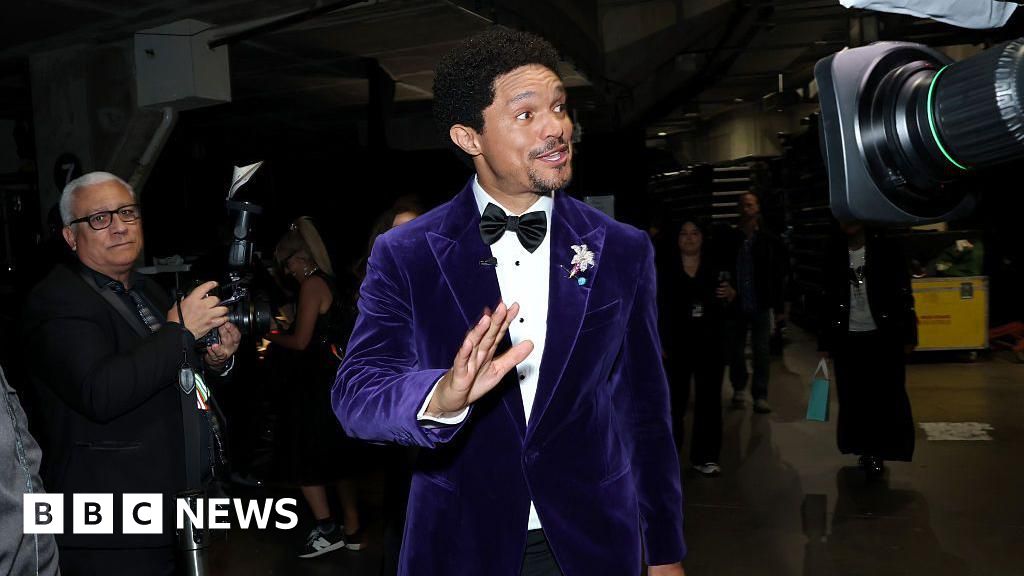
During his hosting duties at the Grammys, Trevor Noah delivered a joke that riffed on long‑running public speculation surrounding Jeffrey Epstein’s private island and the powerful men rumored to have visited. In a quick punchline, Noah mentioned both Bill Clinton and Donald Trump in proximity to the “Epstein Island” idea.
The joke clearly played on audience awareness of Epstein’s criminal history and the swirl of conspiracy‑adjacent discourse that’s surrounded his name for years. Live audiences laughed; social media clipped it within minutes; and by the time the show wrapped, the bit was its own news cycle.
“I can't speak for Bill, but I have never been to Epstein Island, nor anywhere close, and until tonight's false and defamatory statement, have never been accused of being there, not even by the Fake News.”
That response, attributed to Trump and carried by outlets such as the BBC, doubled down on a familiar theme: the former president framing criticism or mockery as “fake” and “defamatory,” while threatening litigation to draw a bright line between edgy comedy and what he claims is reputational harm.

Trump, Comedians, and the Long History of Punchlines as Politics
This dust‑up doesn’t come out of nowhere. Donald Trump has long treated comedians as both adversaries and unexpected foils. From Alec Baldwin’s Saturday Night Live impression to late‑night monologues by Stephen Colbert and John Oliver, satire about Trump has become part of the modern political soundtrack.
Trevor Noah, during his run on The Daily Show, was one of the most visible international commentators on Trump’s presidency, mixing sharp critique with a global outsider’s lens. That history gives this Grammys confrontation an extra layer: it’s not just a random joke; it’s part of a years‑long back‑and‑forth between a politician and a satirical voice who has built much of his US profile responding to Trump‑era politics.
Could Trump Actually Sue? The Defamation Question
Threatening a defamation lawsuit and winning one are two very different things, especially in the United States, where public figures face a deliberately high bar. To succeed, Trump would need to show that Noah made a false statement presented as fact, that it harmed Trump’s reputation, and—most crucially—that it was made with “actual malice,” meaning Noah knew it was false or recklessly disregarded the truth.
Comedy complicates that equation. Courts often treat jokes, hyperbole, and obvious satire as opinion or rhetorical flourish rather than literal factual claims. The Grammys context—an awards show monologue, not a news bulletin—also signals to viewers that they’re in the realm of performance, not sworn testimony.
When a punchline collides with a public figure’s image, the legal question isn’t “Was it rude?” but “Would a reasonable person think this was stated as literal fact?”
That doesn’t mean there’s zero legal risk for comedians—defamation suits against media figures do happen—but history suggests that satire aimed at politicians enjoys substantial First Amendment protection. More often than not, the legal saber‑rattling is as much about political theater and energizing a base as it is about courtrooms.
Grammys as Culture War Stage: From Red Carpets to Political Roast
The Grammys used to be mostly about who wore what and who got snubbed. Over the past decade, though, it’s joined the Oscars and Golden Globes as a de facto political arena. Acceptance speeches double as campaign stumpers, performances speak to social justice issues, and hosts are expected to acknowledge the cultural moment—sometimes by joking directly about the most polarizing figures in the world.
In that sense, Noah was following a well‑established script. Ricky Gervais’s barbed Golden Globes intros, Chris Rock’s monologues about race and Hollywood, and Amy Schumer, Wanda Sykes, and Regina Hall’s Oscar riffs have all blurred the line between entertainment and political commentary. The Trump–Noah flare‑up fits into that continuum: a reminder that awards shows have become live‑streamed op‑eds with better lighting.
- For networks: Political jokes drive clips, outrage, and ratings spikes.
- For artists: Aligning with (or against) a figure like Trump is part of brand identity.
- For viewers: The show becomes a referendum on national mood, not just the music charts.

Reading the Room: Where Trevor Noah’s Joke Worked—and Where It Didn’t
Purely as a piece of comedy, Noah’s Grammys line had the mechanics of a classic roast joke: it referenced a notorious scandal, invoked two instantly recognizable names, and relied on audience familiarity with years of online speculation. For people who already see Trump as fair‑game material, it landed as another sharp but predictable barb.
Strengths of the Joke
- Topicality: Epstein remains a shorthand for abuse of power and elite secrecy, so the reference felt current.
- Shared context: Viewers online and in the room instantly understood the implication without a long set‑up.
- Equal‑opportunity angle: Linking both Trump and Clinton in the same breath kept it from being a one‑party hit job.
Where It Faltered
- Implied factual weight: Even in a joke, tying real names to a specific alleged act (visiting a criminal’s island) edges toward sounding like an assertion, not just a vibe.
- Triggering backlash: Epstein‑related content is radioactive, and some viewers find any reference—comic or not—exploitative.
- Predictability: For audiences fatigued by years of Trump jokes, the punchline may have felt like a rerun rather than a fresh angle.
Objectively, it was a risky but unsurprising swing for Noah: willing to stir controversy, but still operating within the standard late‑night playbook that has defined his career in the US.
Social Media Echoes and the 24‑Hour Outrage Cycle
The Grammys are a television event, but the real battleground is the timeline. The Trump–Noah incident shows how quickly a single line can be clipped, framed, and weaponized by different audiences. Within hours, you had:
- Supporters of Trump condemning the joke as “defamatory” and “disgusting.”
- Fans of Noah celebrating him for “speaking truth to power.”
- Media outlets circulating Trump’s “total loser” comment as another headline‑ready soundbite.
What might once have been a throwaway awards‑show quip now lives forever as a searchable clip, a partisan meme template, and a data point in the broader story about whether celebrities are “too political.” Every player in that ecosystem—networks, politicians, comedians—knows this, and tailors their responses accordingly.
What This Means for Future Award Shows and Political Comedy
The immediate question is whether Trump will actually follow through with a lawsuit, which legal observers generally see as unlikely to prevail. The longer‑term question is how this moment will shape what hosts feel comfortable saying on live television, especially during a heated election cycle.
Networks and producers are already risk‑averse. A fresh skirmish involving a former president, a highly charged criminal case, and a major global broadcast may nudge future scripts away from specific allegations and toward more abstract, personality‑driven digs. But it’s hard to imagine awards shows abandoning political humor altogether; it’s become part of their brand, their ratings strategy, and their cultural impact.
For viewers, the Trump–Noah clash is a reminder of where we are in 2026: jokes aren’t just jokes, politicians are media creators in their own right, and a single punchline can alter the narrative of an entire night. Whether you see that as a sign of democracy’s vitality or its exhaustion may depend on which side of the laugh track you’re on.
