These Super Bowl 2026 Commercials Broke the Internet (and the Ones That Totally Fumbled)
Super Bowl 60 didn’t just crown the Seattle Seahawks over the New England Patriots— it also showcased a $7-million-per-30-seconds showdown between brands trying to own Monday’s group chat. According to expert rankings highlighted by CBS News, Google and Pepsi came out as big winners, while Coinbase and ai.com walked away with failing grades. Below, we break down which Super Bowl 2026 commercials scored, which ones fumbled, and what they reveal about the current state of advertising, tech, and pop culture.
Why Super Bowl 2026 Ads Mattered More Than Ever
Super Bowl commercials are no longer just about making people laugh between plays. They’re brand-defining narrative events, instantly dissected on X, TikTok, and YouTube reaction channels. In 2026, that pressure collided with an ad landscape obsessed with AI, nostalgia, and celebrity overload—sometimes brilliantly, sometimes painfully.
Google’s Super Bowl 2026 Commercial: Emotional Tech Done Right
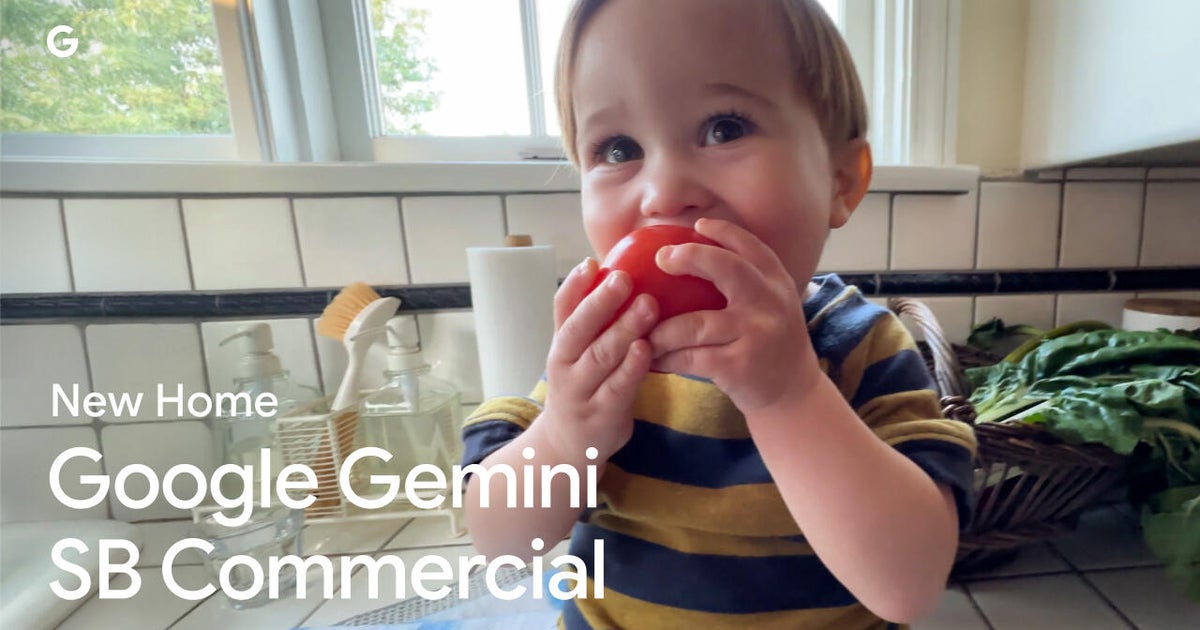
Google’s ad emerged as one of the most critically praised of Super Bowl 2026, largely because it didn’t scream about AI—it quietly showed what technology looks like when it’s actually helpful in real lives. Where some brands treated AI like a buzzword, Google framed it as an invisible assist to human connection.

The spot followed small, human-scale moments—video calls, photos, accessibility features—layered with a restrained voiceover and a swelling score. It felt like a spiritual cousin to Google’s earlier emotional hits like “Loretta” and “Parisian Love,” but calibrated for a world now hyper-aware of data and AI ethics.
“When the tech disappears and the story takes over, that’s when a Super Bowl ad actually sticks.”
- Strength: Clear emotional arc that works even with the sound off.
- Strength: Shows concrete features instead of vague promises about “the future.”
- Potential Weakness: Some viewers may see it as familiar territory after a decade of “heartstring” tech ads.
Pepsi’s Big-Game Strategy: Pop-Culture Chemistry That Landed
Pepsi leaned into what it does best: big personalities, sharp writing, and a heavy splash of self-awareness. In a year overloaded with celebrity cameos, Pepsi’s commercial stood out because it actually gave its stars something to do beyond just showing up.

Instead of a generic “party” setup, the ad framed its celebrities within a knowing, almost meta narrative about choosing flavor, legacy, and, yes, brand loyalty. Think less “random famous person holding a soda” and more “short sketch comedy with a product actually baked into the punchline.”
- Strength: Effective use of celebrity that supports the joke instead of replacing it.
- Strength: Clear product tie-in; you remember the brand, not just the cameo.
- Weakness: May feel over-stuffed for viewers tired of celebrity ad saturation.
“Super Bowl ads are our blockbuster movies—if you’re going to cast stars, you have to give them a real script.”
On most expert scorecards, Pepsi comfortably landed in the “best of the night” tier, proving that classic Super Bowl formulas still work when executed with timing and self-awareness.
Other Standout Super Bowl 2026 Ads: Heart, Humor, and Hype
While Google and Pepsi grabbed headline praise, several other brands quietly built strong cases for post-game virality. The trend across many favorites: clearly defined stories you could summarize in one sentence.

Experts frequently highlighted spots that nailed three key elements:
- A clean, quickly graspable premise.
- An emotional or comedic payoff by the 30-second mark.
- Brand integration that didn’t feel forced or tacked on.
Whether it was an automaker leaning into futuristic design, a snack brand reviving late-’90s nostalgia, or a streaming service winking at its own algorithmic overload, the ads that worked tended to respect viewers’ attention spans and cultural memory.
Coinbase Flops Again: When Minimalism Becomes a Mess
Coinbase, which already had a polarizing Super Bowl history, landed firmly on the “worst of 2026” lists. Where earlier crypto ads chased mystery and hype, this year’s effort came off as muddled—more confusing than compelling.

Instead of embracing the moment to rebuild trust and clarity in a shaky crypto climate, the ad leaned into abstraction: heavily stylized visuals, limited context, and a call to action that required viewers to do homework they simply weren’t going to do during halftime.
- Weakness: No clear narrative to hook casual viewers.
- Weakness: Overestimates how much effort people will spend decoding a QR code or obscure landing page.
- Missed opportunity: Little acknowledgement of past volatility or a credible reason to re-engage.
“The Super Bowl is not the place to make consumers solve a puzzle—especially in a category they already distrust.”
In a year where fintech and payment apps have begun prioritizing transparency and safety messaging, Coinbase’s approach felt out of step with where the audience—and regulators—actually are.
ai.com’s Misfire: The Perils of Selling “AI” Without a Story
If Coinbase’s problem was confusion, ai.com’s commercial suffered from something even more basic: it didn’t seem to know what it wanted viewers to feel. In a year saturated with AI discourse—from deepfakes to productivity tools—this should have been low-hanging fruit for a smart, provocative spot. Instead, experts largely branded it a failure.

The ai.com spot leaned heavily on abstract imagery and sweeping promises about “the future of intelligence” without explaining what the product actually was, what problem it solved, or why anyone should trust it. For everyday viewers—many of whom are already anxious about AI’s impact on jobs, privacy, and creativity—that vagueness landed poorly.
- Weakness: Buzzword-heavy script with very little substance.
- Weakness: Fails basic product advertising: what is this and why should I care?
- Industry signal: A reminder that AI marketing now needs clarity, not just spectacle.
What Super Bowl 2026 Ads Tell Us About the Industry
Beyond individual winners and losers, Super Bowl 60’s commercials captured an industry in transition—caught between old-school spectacle and a new demand for authenticity, clarity, and responsibility.

Several themes stood out across expert reviews and rankings:
- AI everywhere, not always wisely: When grounded in real use cases (like Google’s), AI felt relevant. When treated as a magic word (like ai.com’s), it fell flat.
- Nostalgia with limits: ’90s and 2000s callbacks still played well, but only when tied to a fresh joke or product insight.
- Celebrity fatigue: Stars alone no longer guarantee memorability; the spot needs a tight premise and cultural point of view.
- Trust as a selling point: Especially in finance, crypto, and tech, viewers rewarded brands that felt transparent and grounded.
“The biggest shift in 2026 is that the audience doesn’t just want to be entertained—they want to understand what you stand for in 30 seconds.”
Snapshot: Expert-Leaning Best & Worst Super Bowl 2026 Ads
While every outlet has its own ranking, coverage like the CBS News expert breakdown generally grouped the night’s major players into two clear camps:
Top Performers
- Google – Emotional, grounded tech storytelling.
- Pepsi – Pop-culture savvy, tight comedic writing.
- Selective auto, snack, and streaming brands – Clear, replayable premises with strong brand linkage.
Biggest Letdowns
- Coinbase – Confusing, high-effort ask in a low-attention environment.
- ai.com – Vague, buzzword-driven, and emotionally distant.
- Several lesser-known app and tech brands – Over-reliance on spectacle without explaining utility.
The Real Winner of Super Bowl 60’s Ad Game
Super Bowl 60 confirmed that, in 2026, the commercials that stand out aren’t necessarily the loudest or the weirdest—they’re the ones that can explain, in half a minute, why a brand belongs in your life tomorrow morning. Google and Pepsi did that with confidence and craft. Coinbase and ai.com, by contrast, chased intrigue and abstraction at the exact moment audiences were craving clarity.
As we look ahead to Super Bowl 61, the lesson for advertisers is straightforward but demanding: if you’re going to spend the price of a small indie film on 30 seconds of airtime, make sure your story can survive the scroll, the group chat, and the Monday-morning think pieces. The bar has never been higher—and neither has the cost of fumbling on the biggest stage in advertising.