
‘The Voice Nigeria’ Mourns: Remembering Ifunanya Nwangene After Her Tragic Passing at 26
Ifunanya Nwangene, a former contestant on The Voice Nigeria Season 3, has died at just 26 after a reported snake bite, according to a confirmation shared by her church choir on Facebook and reported by outlets including TMZ. The news has rippled through Nigeria’s music community and the wider reality TV world, reopening conversations about artist safety, the pressures of early stardom, and how fans mourn performers they got to know on screen.
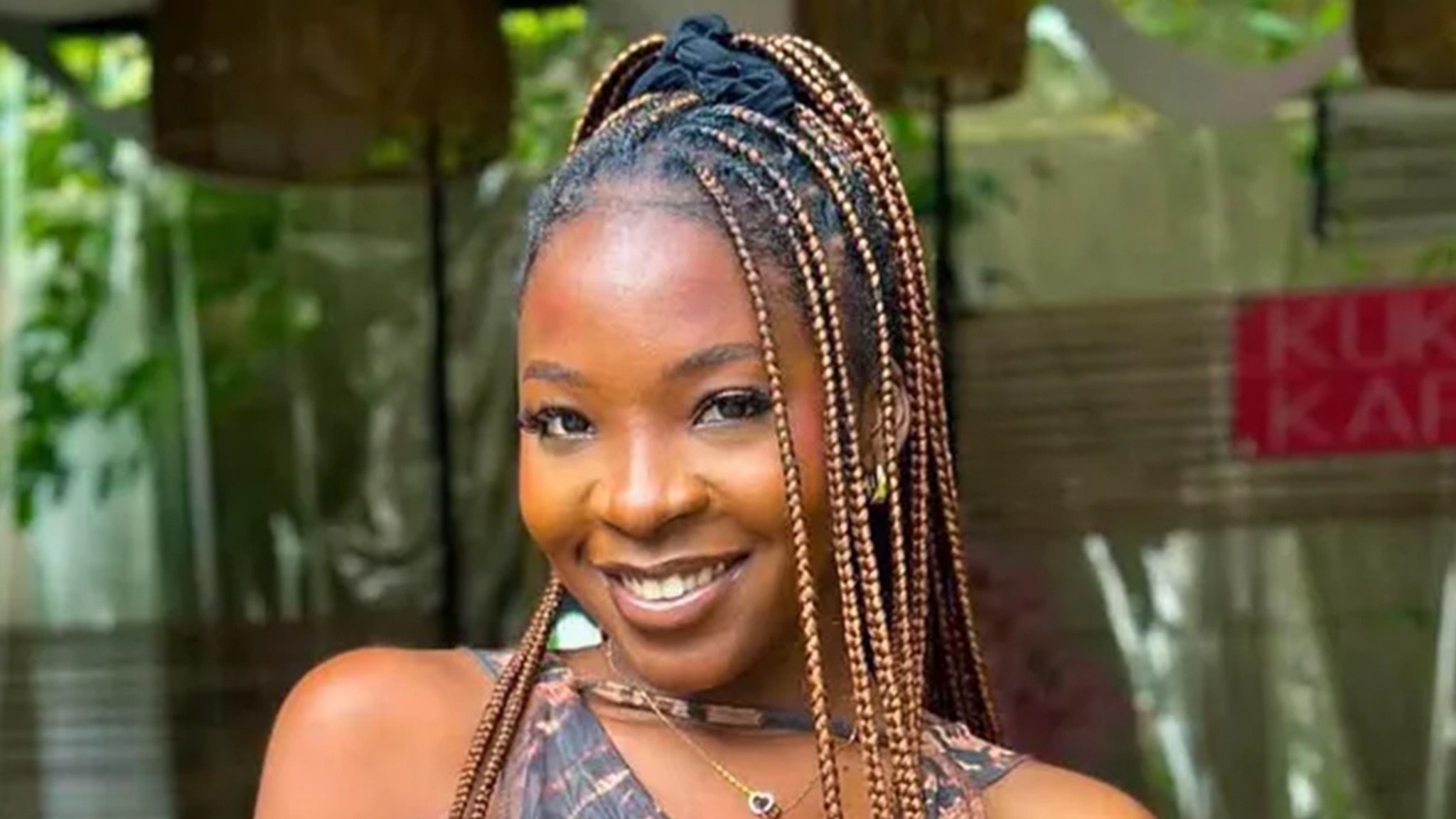
A Tragic Loss for ‘The Voice Nigeria’ and Afropop’s Next Generation
Reality singing shows have become a kind of modern folklore factory across Africa, producing stars who feel like family to viewers. Ifunanya was one of those familiar faces—maybe not yet a household name like some of her predecessors, but a recognisable talent from a franchise that has helped shape the sound and personality of contemporary Nigerian pop and gospel music.
Who Was Ifunanya Nwangene? Revisiting Her ‘The Voice Nigeria’ Journey
Ifunanya Nwangene appeared on Season 3 of The Voice Nigeria, the local adaptation of the global NBC/ITV format originally created by John de Mol. The Nigerian version, which has featured coaches like Waje, Yemi Alade, Falz, and others across its seasons, has been a launchpad for singers blending Afropop, R&B, gospel, and traditional influences.
While full details of every episode featuring Ifunanya aren’t widely syndicated, contestants on the show typically navigate:
- Blind auditions, where coaches face away from the stage and judge only the voice.
- Battle rounds and knockouts, which test range and performance under pressure.
- Live shows, where audience voting cements fan-favourite status.
Singers like Ifunanya often maintain deep ties to church choirs and local music ministries, and it was her choir that confirmed her passing in a public post—underscoring how rooted she remained in community music, even after the bright lights of national TV.
What We Know About Her Death: Snake Bite and Shocked Tributes
According to reporting from TMZ and Nigerian outlets, Ifunanya Nwangene died after suffering a snake bite. The specific location and circumstances have not been thoroughly detailed in widely available English-language coverage as of early February 2026, and official medical documentation has not been made public.
What has been confirmed is that:
- Her music choir announced her death in a Facebook post shared on Sunday.
- Entertainment sites and fans quickly circulated screenshots and condolences.
- The cause cited in these reports is complications from a snake bite.
Until authorities or family members release a fuller statement, most of what is known comes through secondary reporting and community tributes, which is important to keep in mind when discussing the story online.
“Ifunanya Nwangene, who appeared on Season 3 of ‘The Voice Nigeria’ has died after suffering a snake bite.”
In a media ecosystem prone to sensational headlines, the restraint shown by her choir—focusing on grief and remembrance rather than speculation—stands out.
Snake Bites, Safety, and the Nigerian Reality Behind the Headline
To global audiences, “snake bite” can sound almost mythic, but in many parts of Nigeria and wider sub-Saharan Africa, snake envenomation is a real and persistent public health risk. Rural and peri-urban communities often deal with:
- Limited access to antivenom and trained emergency responders.
- Long travel times to adequately equipped hospitals.
- Gaps between traditional responses and clinical treatment.
The World Health Organization categorises snakebite envenoming as a neglected tropical disease; thousands die each year, often far from major media attention. Ifunanya’s case is striking because a reality TV alum’s death drags a usually invisible danger into the entertainment pages.
From Choir Stands to TV Screens: Why Her Story Resonates
Shows like The Voice Nigeria blur the line between everyday life and stardom. Many contestants, including Ifunanya, aren’t insulated celebrities living in distant enclaves—they move through the same environments as their viewers, hold day jobs, and remain active in churches and local scenes.
That relatability is exactly what makes news of her death so jarring. Fans watched her sing in the highly produced glow of a television set, but her passing was due to something disturbingly ordinary in many parts of the country.
In this sense, the grief around Ifunanya touches on several overlapping narratives:
- The vulnerability of young artists who are still building their careers.
- The thin line between national visibility and local precarity.
- How African creative industries are expanding faster than some of the infrastructures that support everyday life.
How Fans and Media Are Responding
As with many contemporary celebrity deaths, the first wave of mourning has played out online: tribute posts on X, Instagram, and Facebook from fans who remember particular performances or audition clips, and from fellow singers who crossed paths with her on church circuits or reality TV.
The tone of coverage has ranged from sensitive to somewhat sensational, a familiar spectrum whenever tragedy intersects with reality television. Some entertainment journalists have tried to foreground her artistry rather than the gruesome details.
“Beyond the headline, this is a story about a young woman whose voice carried the hopes of her family, her choir, and the thousands who watched her sing on national TV.”
Responsible reporting in moments like this often means:
- Relying on confirmed statements from family, choirs, or official representatives.
- Avoiding lurid speculation about the exact circumstances of the attack.
- Highlighting the person’s work—music, performances, collaborations—over the mechanics of their death.
Her Musical Legacy: A Small but Meaningful Footprint
Unlike global megastars, many reality show alumni exist in that hazy space between anonymity and full-blown fame. Their recorded output can be sparse or scattered across YouTube, live church streams, and social media clips rather than polished studio albums.
For fans, that can make remembrance feel oddly fragile: a few saved performances, some rehearsal videos shared on Instagram Stories, maybe a single on streaming services if they were lucky. Those fragments now take on new weight.

Even when the discography is small, the impact on local communities—especially in gospel and choir settings—can be profound. Voices like Ifunanya’s often shape the musical memory of a congregation long before they ever reach TV.
Reality TV, Duty of Care, and Artist Support
While Ifunanya’s reported cause of death doesn’t implicate the show itself, her passing still lands in an era when reality TV franchises everywhere—from the UK’s Love Island to American competitions—are under scrutiny for how they care for contestants after filming wraps.
In the African context, the conversation often expands beyond mental health support to include:
- Access to healthcare and affordable insurance for freelance creative workers.
- Education about touring safety, especially in rural or semi-rural areas.
- Networks that connect ex-contestants to legal, financial, and wellness resources.

If anything, this tragedy underscores how fragile the lives of young creatives can be, regardless of how big their audience might be at any given moment.
Related Shows, Tributes, and Where ‘The Voice’ Fits in Today’s TV Landscape
The Voice Nigeria is part of a broader ecosystem of African talent shows—Project Fame West Africa, Nigerian Idol, MTN Y’ello Star—that have helped shape the continent’s pop culture over the last two decades. Alumni often cross paths at festivals, church events, and on collaborative tracks.
As streaming platforms like Netflix and Showmax invest more heavily in African originals, there’s a growing archival impulse: fans want earlier seasons of shows like The Voice Nigeria to be easily available, both to discover talent and to remember contestants like Ifunanya.
For basic show and cast info, fans often rely on databases like The Voice Nigeria on IMDb and official broadcaster or franchise pages.
Saying Goodbye: Grief, Memory, and What Comes Next
The death of Ifunanya Nwangene at 26 is heartbreaking on its face, but it also lands at the intersection of some very 21st‑century realities: globalised formats like The Voice, fragile creative economies, and the stubborn persistence of underreported health risks such as snake bites.

In the coming weeks, we’re likely to see more tributes, more resurfaced clips from her time on The Voice Nigeria, and perhaps more conversation about how to better protect and support young artists whose lives straddle the local and the global.
For now, remembering Ifunanya primarily as a voice—as someone who stood on a stage and dared to be heard—feels like the most respectful way to keep her story alive, beyond the starkness of a headline.
