
The One Carb Dietitians Love for Easier, Sustainable Weight Loss
The Best Carb for Weight Loss, According to a Dietitian
By A Registered Dietitian · Evidence-based guidance for real life
:max_bytes(150000):strip_icc()/The-1-Carb-for-Weight-Loss-According-to-a-Dietitian-5f5aca71e6d647f9b42f537ff8e20bd3.jpg)
If you’ve ever tried to lose weight by cutting out bread, pasta, or rice, you’re not alone—and you’re also not doomed to repeat it. Many people are told they must ditch carbohydrates to see the scale move. In reality, you can eat carbs and lose weight; it’s about choosing the right type of carb, not banning them altogether.
As a dietitian, I’ve seen clients exhaust themselves on low-carb or no-carb plans, only to feel hungry, moody, and stuck. The turning point often comes when they discover one powerful category of carbs that actually supports weight loss instead of fighting it.
In this guide, you’ll learn what that carb is, why it works according to current nutrition science, and how to add it to your meals in realistic, delicious ways—no extreme dieting required.
Why “No-Carb” Diets Feel Miserable (and Often Don’t Last)
Carbohydrates are your body’s preferred energy source. When you cut them very low:
- You may feel tired, foggy, or irritable.
- Workouts can feel harder and recovery slower.
- Fiber intake usually drops, impacting digestion and gut health.
- Cravings for sweets or refined carbs often increase over time.
“From a clinical perspective, extreme low-carb diets rarely fail because of willpower; they fail because they’re hard to sustain in real life. The goal isn’t to avoid carbs—it’s to choose carbs that keep you satisfied and support your health.”
— Registered Dietitian, outpatient weight management clinic
The good news: you don’t have to give up carbohydrates for effective weight loss. You just need to focus on the most helpful type.
The Best Carb for Weight Loss: Fiber-Rich Whole Carbohydrates
According to nutrition research and clinical practice, the most powerful carb for weight loss is the high-fiber, minimally processed carbohydrate—often called fiber-rich whole carbs.
These are foods where the grain, bean, or plant is left mostly intact. They naturally contain:
- Fiber that slows digestion and keeps you full.
- Vitamins and minerals that support metabolism.
- Plant compounds that benefit heart and gut health.
When people ask, “What is the best carb for weight loss?” my answer is less about a single food and more about a category:
Fiber-rich whole carbs include:
- Whole grains (oats, quinoa, brown rice, farro, barley, whole-wheat pasta)
- Beans and lentils (black beans, chickpeas, lentils, kidney beans)
- Starchy vegetables (sweet potatoes, regular potatoes with skin, winter squash, corn)
- Fruit (especially berries, apples, pears, and citrus)
Why Fiber-Rich Carbs Support Weight Loss: What the Science Says
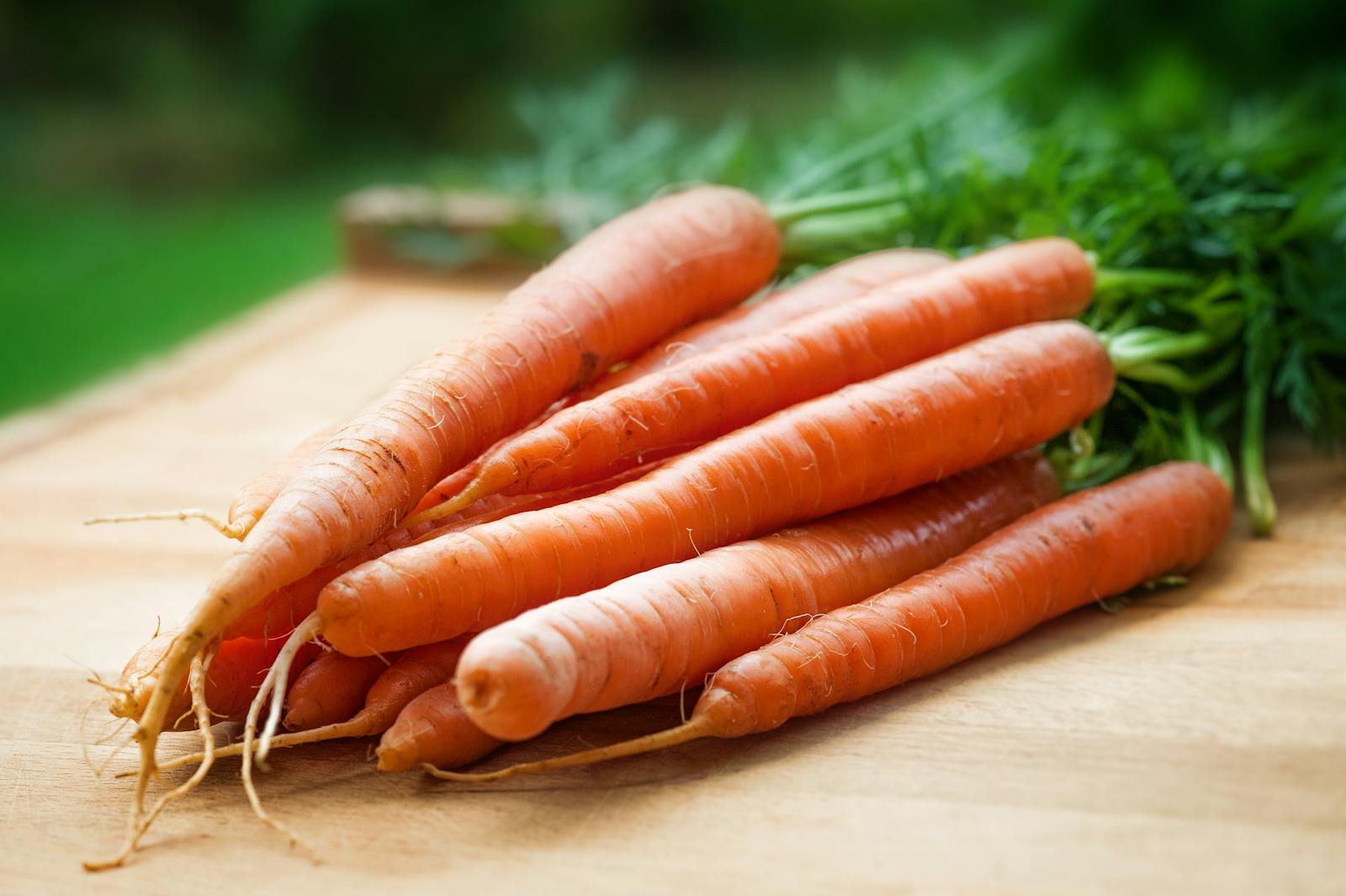
Fiber-rich carbs work in several ways that can make weight loss more manageable and sustainable.
- They increase fullness and reduce overeating.
Fiber absorbs water and takes up more space in your stomach, which helps you feel satisfied with fewer calories. Multiple studies have linked higher fiber intake with easier weight management and lower body weight over time. - They blunt blood sugar spikes.
Because fiber slows digestion, glucose enters your bloodstream more gradually. This can mean steadier energy and fewer “crash-and-crave” cycles that often lead to snacking on high-sugar foods. - They support a healthy gut microbiome.
Some fibers act as prebiotics—fuel for beneficial gut bacteria. A healthier gut has been associated with better metabolic health and improved appetite regulation in emerging research. - They allow you to eat satisfying meals, not tiny portions.
High-fiber carbs are generally less calorie-dense than many refined carbs and high-fat foods. That means you can eat a larger, more visually satisfying plate while still staying within a calorie range that supports weight loss.
For an overview of fiber and weight management, see resources from organizations like the Centers for Disease Control and Prevention (CDC) and Harvard T.H. Chan School of Public Health .
Real-Life Example: From Carb Fear to Confident Eating
One of my clients—let’s call her Maya—came to me after trying a strict low-carb diet she found online. She lost some weight initially but quickly hit a plateau. She was having intense sugar cravings at night and feeling guilty whenever she ate bread or fruit.
Instead of staying low-carb, we shifted focus to quality and fiber. Over several weeks, Maya:
- Swapped refined white bread for 100% whole-grain bread.
- Added a half-cup of black beans to her lunch salads.
- Included fruit with breakfast instead of cutting it out.
- Chose roasted potatoes with the skin instead of fries.
She was surprised to see her hunger and cravings decrease. Over three months, her weight gradually trended down, her energy improved, and—importantly—she felt less anxious around food. Her success wasn’t about perfection; it was about consistently choosing more fiber-rich carbs most of the time.
How to Add Fiber-Rich Carbs to Your Meals for Weight Loss
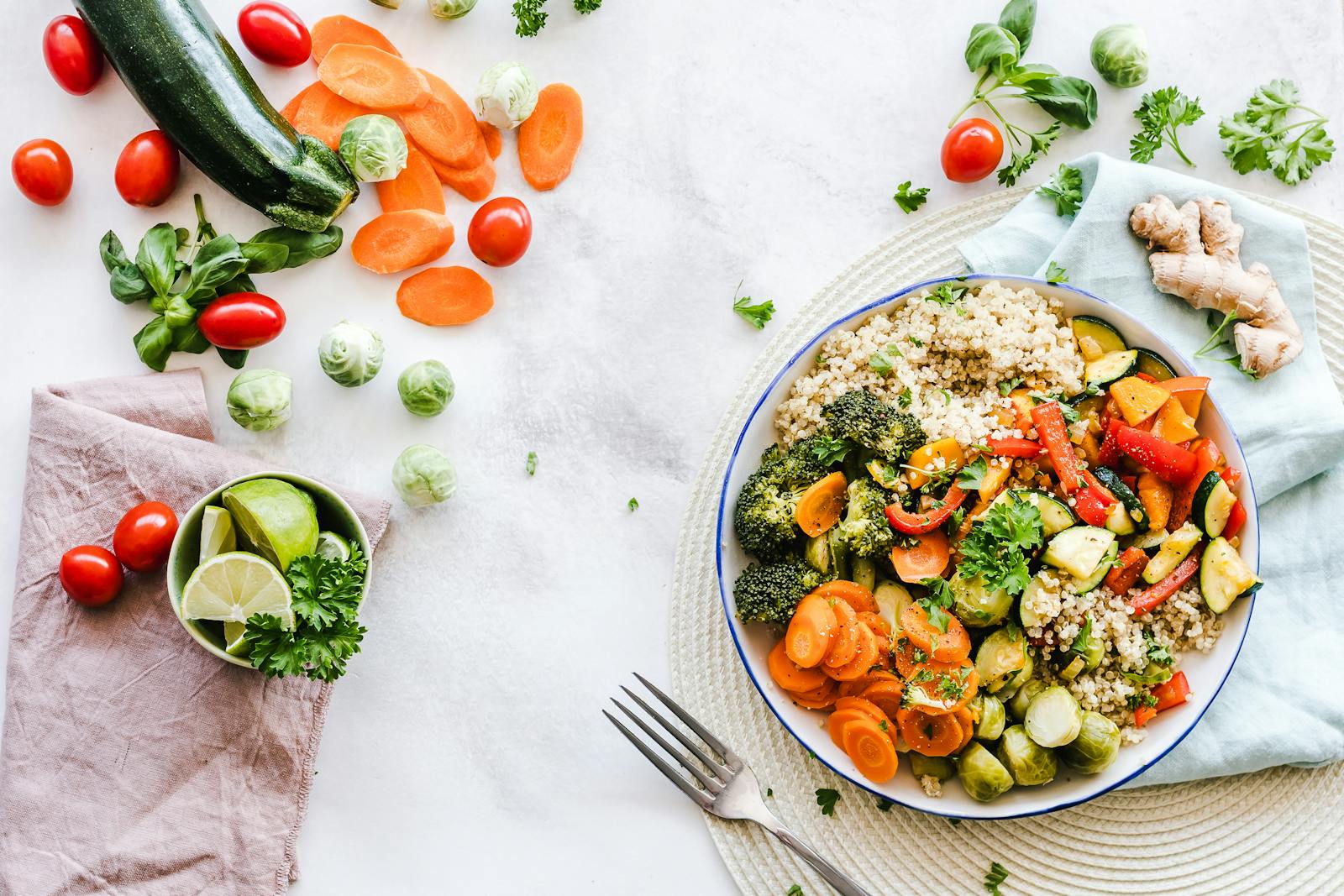
You don’t need a complicated meal plan. A simple rule of thumb is to build meals with:
- ½ plate non-starchy vegetables (like leafy greens, broccoli, peppers)
- ¼ plate fiber-rich carb (like quinoa, beans, or potatoes with skin)
- ¼ plate lean protein (like fish, tofu, chicken, or beans)
- A small amount of healthy fat (like olive oil, avocado, nuts, or seeds)
Easy Ways to Include the “Best Carb” at Each Meal
Breakfast ideas:
- Oatmeal topped with berries, chia seeds, and a spoonful of peanut butter.
- Whole-grain toast with a boiled egg and sliced avocado.
- Greek yogurt with fruit and a sprinkle of high-fiber cereal.
Lunch ideas:
- Quinoa bowl with roasted vegetables, chickpeas, and tahini dressing.
- Big salad with black beans, corn, and a side of whole-grain bread.
- Leftover brown rice stir-fry with tofu and mixed vegetables.
Dinner ideas:
- Salmon with roasted sweet potatoes and green beans.
- Whole-wheat pasta with lentil tomato sauce and a side salad.
- Turkey or bean chili served over a small portion of brown rice or barley.
Before vs. After: Simple Carb Swaps That Add More Fiber
You don’t have to overhaul everything at once. Start by upgrading a few common foods:

| Before | After (Higher-Fiber Option) |
|---|---|
| White toast with jam | 100% whole-grain toast with peanut butter and sliced banana |
| White rice side dish | Half brown rice, half cauliflower rice, plus mixed veggies |
| Regular pasta with cream sauce | Whole-wheat pasta with tomato sauce, lentils, and veggies |
| Bag of chips as a snack | Roasted chickpeas or air-popped popcorn with nuts |
Over time, these upgrades can significantly increase your daily fiber intake, which is strongly associated with better appetite control and weight management.
Common Obstacles (and How to Work Through Them)
“High-fiber foods upset my stomach.”
If you’re not used to much fiber, jumping from very low to very high quickly can cause gas or bloating. To ease in:
- Increase fiber gradually over a few weeks.
- Drink enough water throughout the day.
- Try cooked beans and vegetables before eating large portions of raw ones.
“I don’t have time to cook grains and beans.”
Convenience options can still be healthy:
- Use microwaveable pouches of brown rice, quinoa, or lentils.
- Keep canned beans (rinsed) on hand for quick salads and bowls.
- Choose frozen whole-grain blends or mixed vegetables with beans.
“I’m afraid carbs will stall my progress.”
Weight loss depends on your overall calorie balance and lifestyle—not on eliminating a single macronutrient. Including moderate portions of fiber-rich carbs can actually make it easier to maintain a calorie deficit by reducing hunger and making your meals more satisfying.
Quick Snapshot: The Best Carb for Weight Loss
Think of this as a mini infographic you can mentally screenshot:
- Best carb type: Fiber-rich, minimally processed whole carbohydrates.
- Examples: Oats, quinoa, brown rice, beans, lentils, sweet potatoes, fruit.
- Main benefits: Better fullness, steadier energy, improved digestion, more satisfying meals.
- How often: Include a modest portion at most meals, paired with protein and vegetables.
- Key mindset: Focus on quality and balance, not on cutting out all carbs.
Bringing It All Together: You Don’t Have to Fear Carbs
Carbs are not the enemy of weight loss. In fact, the right kind of carbohydrate—fiber-rich whole carbs—can be one of your strongest allies. By choosing them more often, you’re likely to feel fuller, more energized, and less caught in cycles of restriction and cravings.
You don’t need to be perfect. Start small:
- Pick one refined carb you eat regularly.
- Swap it for a higher-fiber whole version this week.
- Notice how your hunger, energy, and cravings feel.
If you’d like tailored support, consider connecting with a registered dietitian who can help you build a flexible, enjoyable plan that fits your health needs, culture, and lifestyle—carbs included.
Your next step: choose the one carb swap you’re willing to try at your very next meal—and let that be your starting point.
