
The New Game of Thrones Spinoff Just Delivered an All-Time George R.R. Martin Death
The Big Death in the New Game of Thrones Show Is an All-Timer
The penultimate episode of A Knight of the Seven Kingdoms has ignited debate across Westeros-watchers and critics alike, with a brutal death that feels like a vintage George R.R. Martin maneuver: emotionally devastating, historically loaded, and just restrained enough to be argued about for years. Slate’s weekly “Who is the worst person in Westeros?” chat has already seized on it, but underneath the memes and moral scorecards is a carefully constructed moment that reaches back into the past of House Targaryen and the very idea of knighthood itself.
While this spinoff operates in a smaller corner of the Game of Thrones universe, the latest episode proves it can still swing with the heavyweights—especially when it comes to using death not just as a twist, but as the culmination of character, prophecy, and political rot.
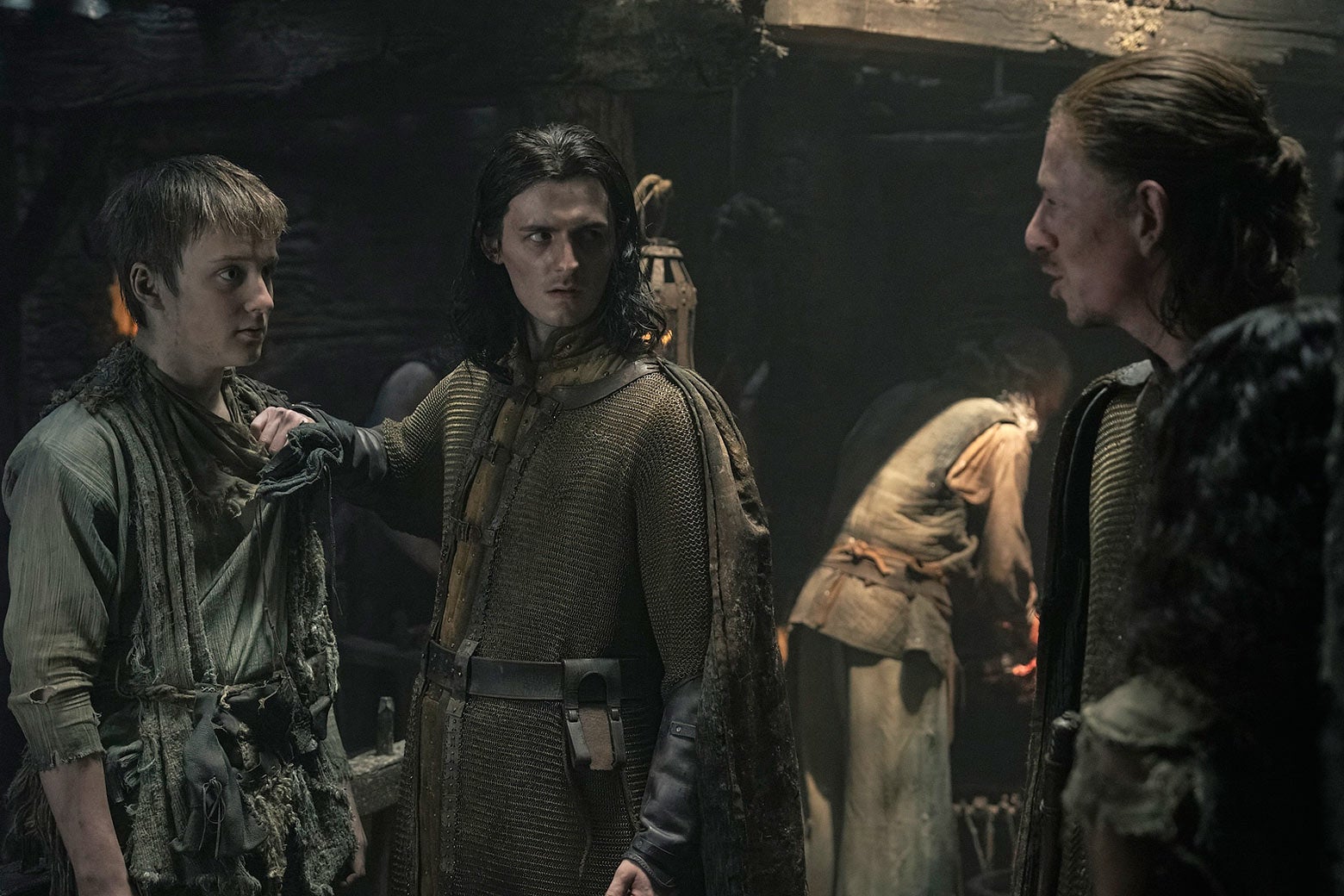
How the New Game of Thrones Show Sets Up an “All-Timer” Death
One of the reasons this death is landing so hard is structural. The episode isn’t just a shock-delivery system; it’s built around a formal, almost ritualized confrontation—“heading to the ring,” as Slate’s headline teases. That framing gives the whole hour a gladiatorial, storybook quality that’s perfectly in step with the Dunk & Egg era, when chivalric ideals still matter on paper, even as they’re curdling in practice.
Anyone who’s read Martin’s original novellas will recognize the way he uses tournaments, trials by combat, and public spectacles as pressure cookers. The show leans into that heritage: a sandpit or tourney ground in Westeros is never just a sporting arena; it’s a courtroom, a battlefield, and a gossip column rolled into one. When someone dies there, it’s automatically more than an accident—it’s a verdict on an era.

That’s part of why critics are calling this kill an “all-timer”: not just for the choreography, but for how cleanly it fuses the intimate stakes of A Knight of the Seven Kingdoms with the grand, doom-laden tradition of earlier Thrones set pieces.
Why This Death Feels So George R.R. Martin
Martin’s “big deaths” typically share a few traits: they’re earned, they’re morally tangled, and they tend to reverberate backward as much as forward. The Slate piece frames this one as an “all-timer” precisely because it engages the history of Westeros instead of functioning as a one-night-only ratings stunt.
- Character-driven: The fatal outcome hinges on who these people have been for years, not what the writers need this week.
- Historically loaded: Old oaths, Targaryen legacies, and memories of past injustices funnel into one moment.
- Ambiguous morality: No one walks away clean—survivors and spectators all have blood on their hands, in different ways.
“In Westeros, death is rarely random. It is the due that is paid for choices made long before the sword is ever drawn.”
That sensibility—actions echoing across decades—is exactly what separates Martin’s work from more disposable fantasy. The show’s willingness to stage a death that’s about memory and lineage as much as it is about gore suggests the creative team understands the assignment.
Slate’s “Worst Person in Westeros” Lens: Morality as a Blood Sport
Slate’s recurring feature—asking who the “worst person in Westeros” is after each episode—is a smart hook, because it captures how Thrones has always been watched: like a weekly morality play wrapped in political fan fiction. In the wake of this episode’s death, senior staff writer Rebecca Onion and her colleagues use the segment to unpack not only who swung the sword, but who engineered the situation, who looked away, and who benefited.
That sort of post-episode forensic analysis is part of the franchise’s cultural glue. It echoes the early Game of Thrones years, when viewers treated forums and recaps almost like small councils, debating whether this lord or that queen had crossed a line, or whether the line even existed in a place like Westeros.

The fact that this episode fits so naturally into that discourse is another sign it’s doing something right. An “all-time” death in this universe isn’t only measured in how shocking it is in the moment; it’s measured in how long we’ll keep arguing about who deserves our sympathy afterward.
Into the Ring and Into the Past: Knighthood on Trial
The episode’s movement “to the ring—and into the past” isn’t just clever phrasing; it reflects how the show treats combat as a historical reenactment. Every duel in Westeros carries ghosts: famous champions, half-remembered songs, and family legends about how some ancestor once “won their spurs.”
By situating the death in a formal arena, A Knight of the Seven Kingdoms effectively indicts the whole culture of chivalry. It asks whether the institution of knighthood is capable of producing true justice, or whether it’s just a bloodier, handsomer way to launder elite violence.
- Honor vs. outcome: The rules are followed, but the result still feels cruel.
- Spectacle vs. conscience: Onlookers cheer even as some realize what they’ve really witnessed.
- Past vs. present: Old stories of “righteous” victories start to look suspect in light of what we see.

Strengths and Weaknesses: Does the Episode Earn Its “All-Timer” Status?
On a craft level, the episode gets a lot right. The direction and editing treat the ring sequence like a slow-building panic attack rather than an action reel; there’s room for glances, hesitations, and those little half-steps that tell you more than any battle cry could. The sound design, too—the crunch of armor, the uneasy rustle of the crowd—evokes the grounded, grimy realism that made early Thrones battles feel dangerous instead of merely cool.
Still, the “all-timer” label comes with expectations:
- Strength: The death is thematically resonant, tying together questions about lineage, legitimacy, and what it means to swear an oath in a broken system.
- Strength: It deepens surviving characters, especially in how they respond afterward—through guilt, denial, or political opportunism.
- Weakness: Some viewers may feel the build-up relied on prior knowledge from the novellas or from House of the Dragon-era lore, making the impact slightly insider-y.
- Weakness: As with many penultimate-episode shocks, there’s a risk that the finale has to spend so much time dealing with fallout that it can’t stand on its own feet.
“A great Westerosi death doesn’t end a story; it rearranges the board.”

Where This Ranks Among Game of Thrones Universe Deaths
Putting this moment alongside the likes of the Red Wedding, Ned Stark’s execution, or Oberyn Martell’s ill-fated duel is a high bar. Those sequences didn’t just shock—they rewired how audiences understood the political and emotional physics of the show.
- Ned Stark’s beheading – The foundational “no one is safe” statement.
- The Red Wedding – A massacre as cosmic punishment and dynastic reset.
- Oberyn vs. the Mountain – Tragedy via pride, hubris, and courtroom spectacle.
- This new ring death in A Knight of the Seven Kingdoms – A quieter, more intimate reckoning that still feels tectonic for its corner of the lore.
Want to Dive Deeper? Trailers, Sources, and Further Reading
If you’re catching up or rewatching with a more analytical eye, pairing the episode with official materials and smart criticism can be surprisingly rewarding.
- HBO’s official site – For trailers, behind-the-scenes clips, and episode guides for A Knight of the Seven Kingdoms.
- A Knight of the Seven Kingdoms on IMDb – Cast, crew, and production details.
- Slate’s TV coverage – Including the “Worst Person in Westeros” discussions that inspired this analysis.
Many streaming platforms host official episode recap videos and post-episode conversations, which often include writers or directors talking through exactly how they wanted these big moments to land.

The Road Ahead: Can A Knight of the Seven Kingdoms Stick the Landing?
By delivering a death that critics are already calling an all-timer, A Knight of the Seven Kingdoms has raised its own stakes considerably. The finale now has to prove that this wasn’t just a perfectly executed gut punch, but the hinge on which a larger story can turn.
If the show can honor the consequences of this episode—politically, emotionally, even spiritually—it could carve out a legacy separate from both Game of Thrones and House of the Dragon: not just as another Targaryen prequel, but as a thoughtful, smaller-scale drama about what it really means to swear an oath in a world built on beautiful lies.
Either way, the latest trip to the Westerosi ring has already earned its place in the franchise’s hall of fame. Now we get to watch how the realm rearranges itself around the empty space it leaves behind.
