
The GLP‑1 Diet Era: How Ozempic Is Changing the Way We Eat (With a Comforting High‑Protein Soup Recipe)
The GLP‑1 Diet Era: Ozempic, Wegovy and “Ozempic‑Friendly” Eating
GLP‑1 medications like Ozempic, Wegovy, Mounjaro, and Zepbound have quietly changed the rhythm of everyday eating. When your appetite shrinks and big, greasy meals suddenly feel impossible, food has to work harder for you: more protein, more nutrients, more comfort in every small bowl or plate. In this guide, we’ll explore what the modern “GLP‑1 diet” trend really means, how to eat well with a sensitive stomach, and finish with a cozy, high‑protein, “Ozempic‑friendly” soup recipe that’s kind to your gut and generous in flavor.
Think of this as cooking with new rules: slower digestion, quicker fullness, but the same desire for food that smells inviting, tastes satisfying, and supports long‑term health. Whether you’re on a GLP‑1 medication yourself or cooking for someone who is, you can absolutely build meals that are gentle, protein‑rich, and deeply enjoyable.

What Is the “GLP‑1 Diet” Trend, Really?
GLP‑1 medications were originally created for type 2 diabetes, but their powerful appetite‑suppressing effects have made them central to today’s weight‑loss conversation. Instead of a rigid meal plan, the “GLP‑1 diet” is more like a bundle of strategies that adapt to a dramatically reduced appetite and slower stomach emptying.
Food creators, registered dietitians, and everyday home cooks are sharing “Ozempic‑friendly” meal ideas that are:
- High in protein to protect muscle
- Rich in fiber but gentle on digestion
- Lower in heavy fats and large portions to reduce nausea
- Nutrient‑dense, so every bite counts
Imagine being full after just a few bites. In that world, soup, smoothies, and simple high‑protein bowls become your best friends—especially when they’re fragrant, colorful, and satisfying without feeling heavy.
GLP‑1 eating isn’t about perfection; it’s about making each small meal count—for your muscles, your digestion, and your long‑term health.
Core Nutrition Themes in the GLP‑1 Era
1. Protein Prioritization
Because GLP‑1 medications curb appetite, it’s surprisingly easy to under‑eat overall calories and protein. That can mean losing muscle along with fat. Many dietitians now aim for roughly 1.6–2.2 g of protein per kilogram of body weight, or at least 25–35 g of protein per meal, when possible.
In practice, this often looks like:
- Thick Greek yogurt bowls topped with berries and chia
- Protein smoothies with whey or plant protein, nut butter, and fruit
- Soft cottage cheese with tomatoes, cucumbers, and olive oil
- Rotisserie chicken shredded into soups, salads, or wraps
- Tofu or tempeh stir‑fries with colorful vegetables
Our recipe below leans into this idea with tender chicken and Greek yogurt stirred into a broth that tastes indulgent but goes down easily.
2. Small, Frequent, Low‑Fat Meals
GLP‑1s slow how fast the stomach empties. Large or high‑fat meals can sit heavily, triggering nausea, reflux, or a “too full” feeling that lingers for hours.
Many people find they feel better when they:
- Eat smaller portions more frequently
- Choose lighter cooking methods like grilling, baking, steaming, or air‑frying
- Limit very greasy, fried foods, especially early in treatment
Soups are perfect here: they’re naturally portion‑flexible, easy to reheat, and gentle on a stomach that doesn’t love big, rich meals anymore.
3. Fiber and Hydration for GI Comfort
Constipation is one of the most common GLP‑1 complaints. The combination of slower digestion, smaller meals, and low fluid intake can make things… sluggish.
Many GLP‑1‑friendly meal plans aim for about 25–35 g of fiber per day from:
- Oats and whole grains
- Chia, flax, and other seeds
- Berries and other fruits with skin
- Beans and lentils
- Plenty of vegetables, especially leafy greens
Sipping water and including some electrolytes can help, but it’s also vital to increase fiber slowly so you don’t end up bloated or gassy. Our soup recipe uses carrots, celery, and baby spinach for gentle, well‑tolerated fiber.
4. Nutrient Density Over Volume
When only a few bites feel comfortable, every bite needs to “earn its place.” That’s where nutrient‑dense foods shine: eggs, fish, legumes, nuts, seeds, colorful vegetables, and fortified dairy or alternatives.
Smoothies, blended soups, and soft bowls (like our chicken & Greek yogurt soup) are popular because they:
- Pack in protein and micronutrients
- Are easier to tolerate when appetite is low
- Feel comforting and warm, especially when nausea or reflux spikes
5. Long‑Term Maintenance and Metabolic Health
More and more GLP‑1 content focuses on what happens after the honeymoon period: protecting muscle, supporting metabolism, and planning for the possibility of dose changes or even stopping medication.
- Resistance training (weights, bands, bodyweight) to keep lean muscle
- Mediterranean‑style eating with plenty of plants, olive oil, and seafood
- Blood sugar‑friendly meals that pair carbs with protein, fat, and fiber
- Being realistic: GLP‑1s are a tool, not a magic wand, and food habits still matter
Recipe: Gentle High‑Protein Chicken & Greek Yogurt Soup (Ozempic‑Friendly)
This cozy soup is built for the GLP‑1 era: softly simmered chicken, tender rice, sweet carrots, and leafy greens in a silky lemon‑kissed broth enriched with Greek yogurt. It’s high in protein, moderate in fat, and naturally portion‑friendly—perfect for small bowls throughout the day.

Quick Recipe Summary
Prep time: 15 minutes
Cook time: 30–35 minutes
Total time: 45–50 minutes
Servings: 4–6 small bowls
Difficulty: Easy
Diet: High‑protein, gluten‑free (with GF stock & rice)
Ingredients & Equipment
Ingredients
For the soup:
- 1 tbsp olive oil (or avocado oil)
- 1 small onion, finely diced
- 2 medium carrots, peeled and sliced into thin rounds
- 2 celery stalks, thinly sliced
- 2 cloves garlic, minced (optional if sensitive)
- 450 g (1 lb) boneless, skinless chicken breast or thighs
- 1/2 cup (about 90 g) uncooked white rice or rinsed quinoa
- 6 cups (about 1.4 L) low‑sodium chicken broth (gluten‑free if needed)
- 1 bay leaf
- 1 tsp dried oregano or thyme
- 1/2 tsp fine sea salt, plus more to taste
- 1/4 tsp freshly ground black pepper (omit if reflux is severe)
- 2 cups (about 60 g) baby spinach or chopped kale
For the protein‑rich lemon–yogurt finish:
- 1 cup (240 g) plain 2% or 0% Greek yogurt (or lactose‑free)
- 2 large egg whites (optional, for extra protein and silkiness)
- Juice of 1 large lemon (about 3 tbsp), plus extra wedges for serving
- 2 tbsp chopped fresh dill or parsley (optional but lovely)
Equipment Needed
- Large, heavy‑bottomed pot or Dutch oven (at least 4.5–5 L / 4–5 qt)
- Sharp chef’s knife and cutting board
- Measuring cups and spoons
- Ladle for serving
- Medium mixing bowl and whisk (for the yogurt mixture)
Step‑by‑Step Cooking Instructions
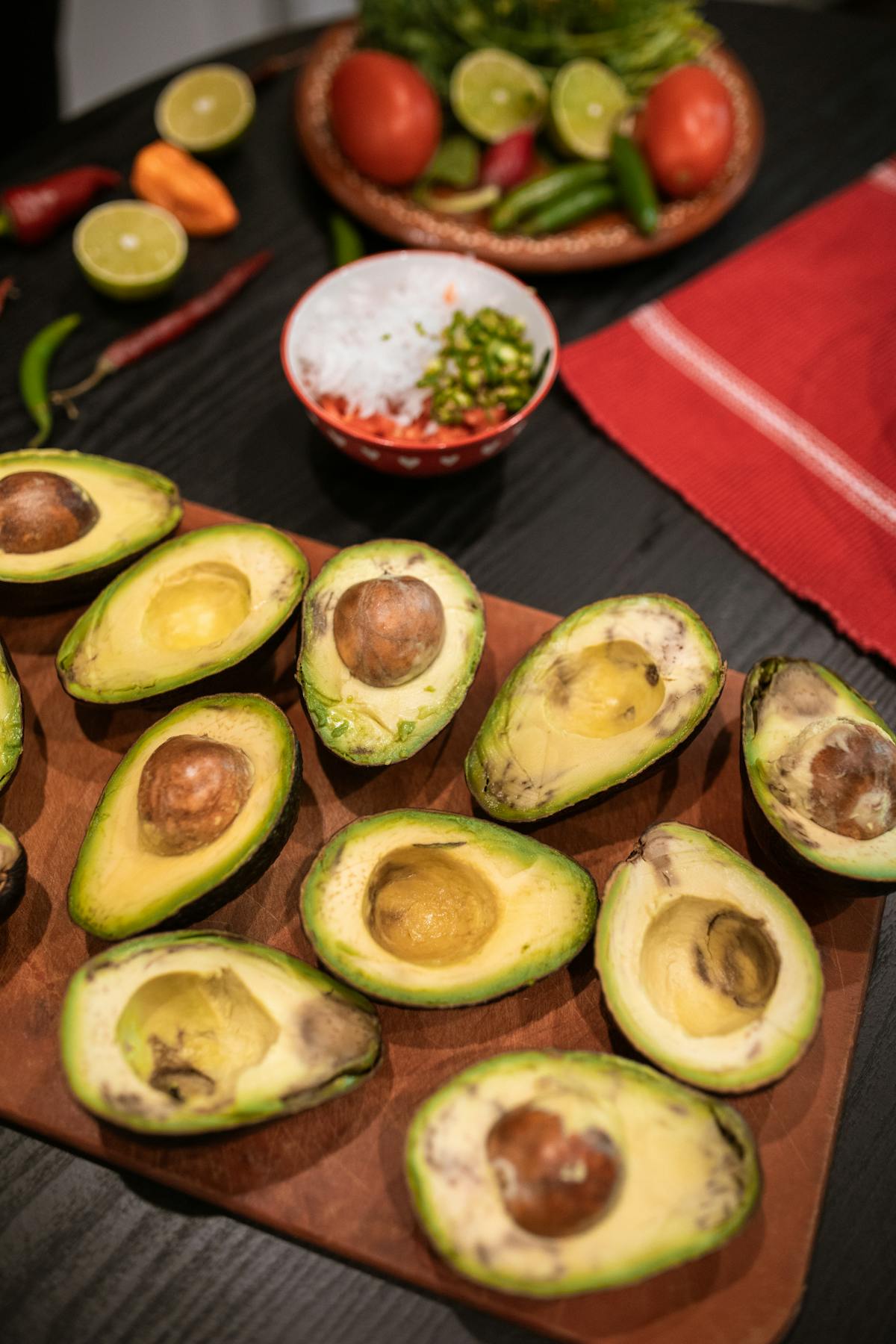
Sauté the aromatics.
Heat the olive oil in your pot over medium heat. Add the onion, carrots, and celery. Cook, stirring occasionally, until the vegetables soften and smell sweet—about 5–7 minutes. If using garlic, stir it in and cook for 30 seconds, just until fragrant.Add chicken, rice, and broth.
Place the whole chicken pieces into the pot. Add the rice (or quinoa), broth, bay leaf, oregano or thyme, salt, and pepper. Stir gently to combine.Simmer gently.
Bring the soup just to a boil, then immediately reduce the heat to low so it simmers softly. Partially cover the pot and cook for 20–25 minutes, or until the chicken is cooked through and the rice is tender.
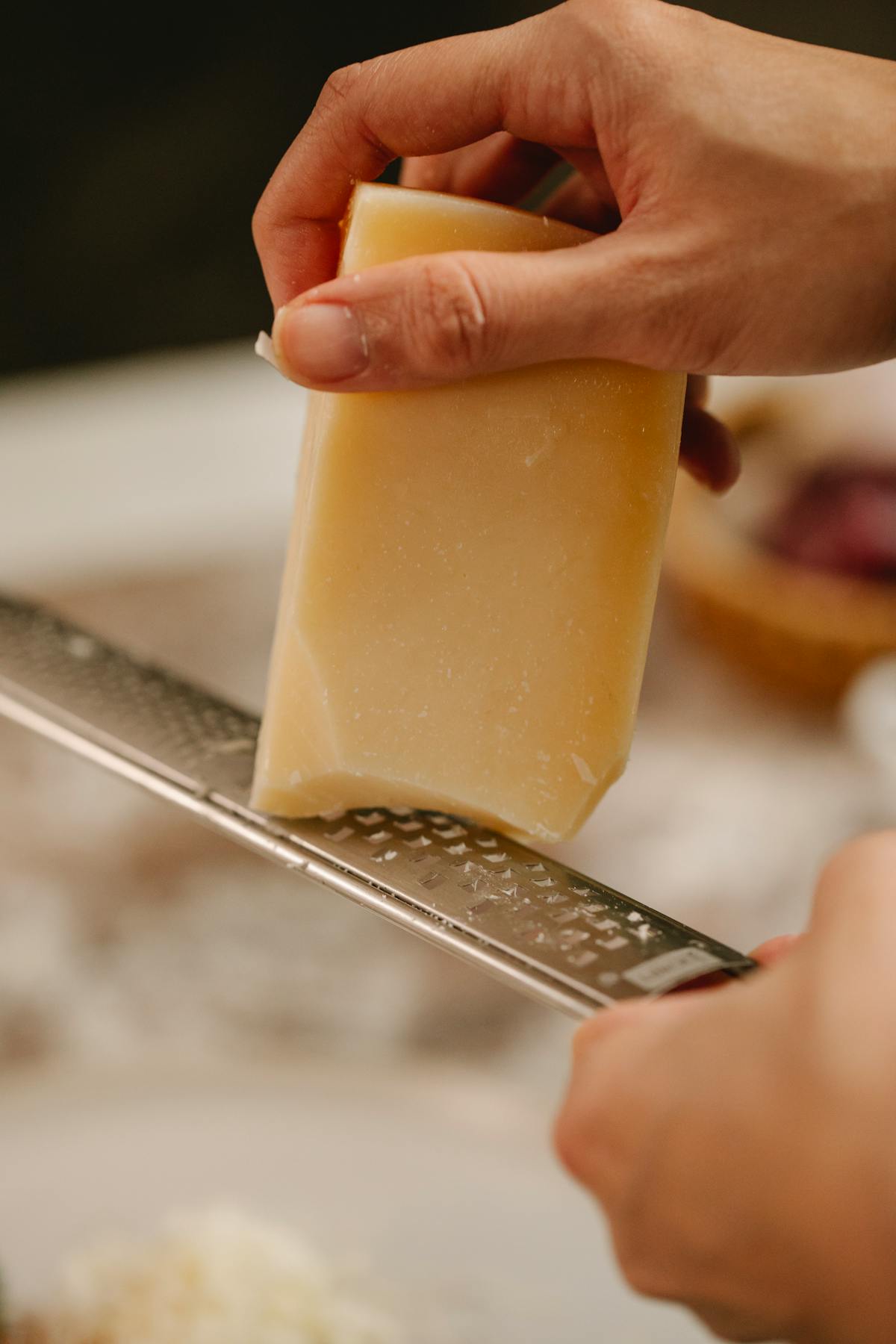
Shred the chicken.
Turn off the heat. Use tongs to lift the chicken onto a cutting board. Shred it into bite‑sized pieces with two forks. Return the shredded chicken to the pot and discard the bay leaf.Add the greens.
Stir in the baby spinach (or kale). The residual heat will wilt the greens in 2–3 minutes. If the soup looks very thick, add a splash more broth or hot water.
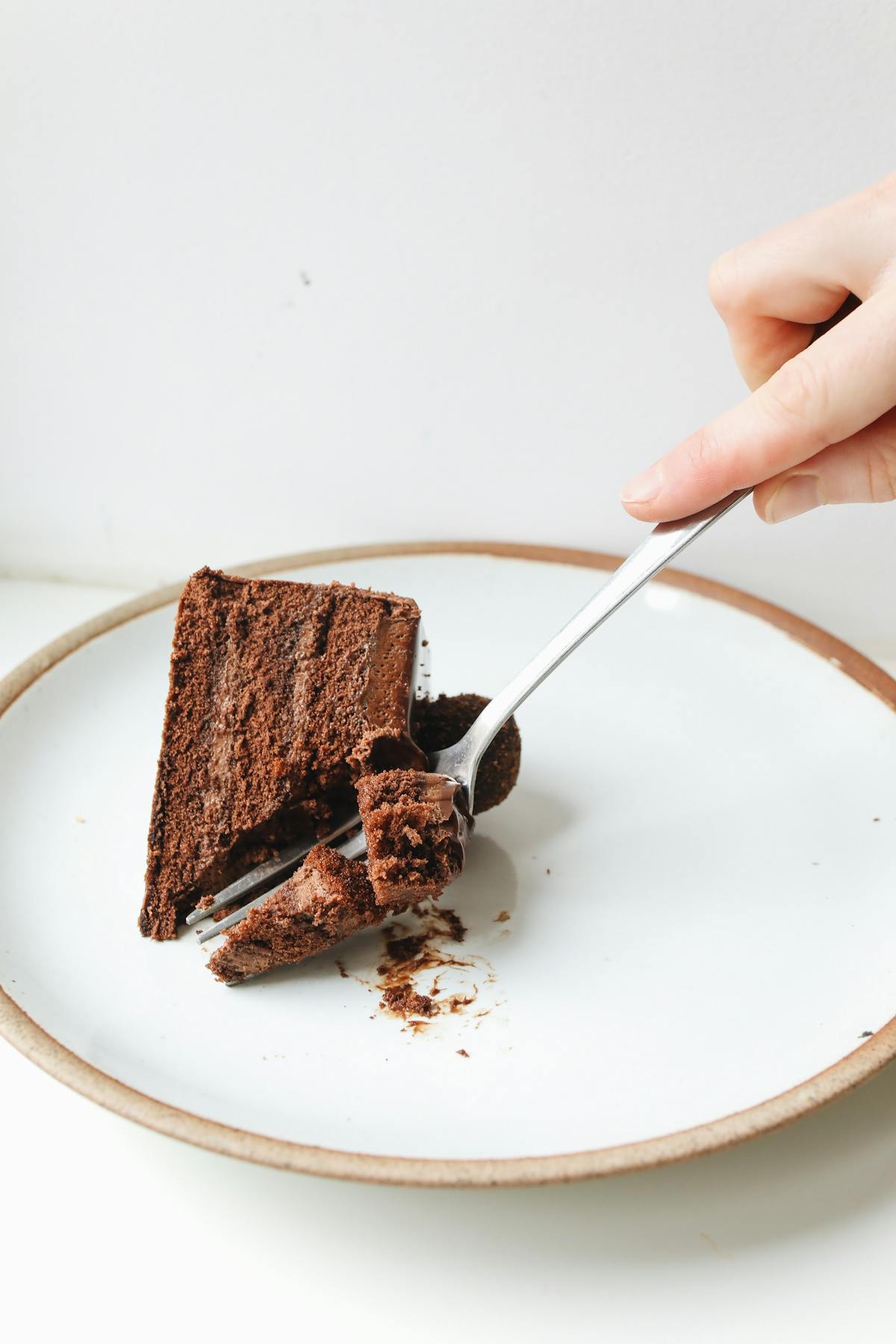
Prepare the lemon–yogurt mixture.
In a medium bowl, whisk together the Greek yogurt, egg whites (if using), and lemon juice until smooth. This mixture will make the broth velvety without loads of cream.Temper the yogurt (important for a smooth soup).
Ladle about 1 cup of hot broth (no solids) into a measuring jug. While whisking the yogurt mixture constantly, slowly pour in the hot broth. This step gently warms the yogurt so it doesn’t curdle.

Finish the soup off the heat.
With the burner still off (this is key), slowly stir the warmed yogurt mixture back into the pot. The broth should turn pale and creamy. Add the chopped dill or parsley, taste, and adjust with more salt or lemon as needed.Serve in small, satisfying bowls.
Ladle the soup into small bowls. Serve with extra lemon wedges on the side so each person can brighten their bowl to taste.
Why This Soup Works for GLP‑1 (Ozempic‑Friendly) Eating
This recipe is built with GLP‑1 needs in mind:
- High protein: Chicken, Greek yogurt, and optional egg whites support lean muscle.
- Moderate fat: A small amount of olive oil keeps things light while still flavorful.
- Gentle fiber: Cooked carrots, celery, and greens are usually better tolerated than raw vegetables.
- Hydrating: The broth helps with fluid intake, which is key for bowel regularity.
- Small‑portion friendly: Easy to portion into half‑cups or cups without losing protein density.
Each warm spoonful offers comfort and citrusy brightness, with soft textures that are easy to chew and swallow even when your appetite is low.
Variations, Substitutions & Dietary Adaptations
Protein Swaps
- Rotisserie chicken: Stir 3–4 cups shredded cooked chicken into the soup during the last 5 minutes of simmering.
- Turkey: Use turkey breast or thighs for a similar flavor profile.
- Tofu (for a vegetarian option): Use firm tofu cubes, simmered gently in vegetable broth. Add 2–3 tbsp nutritional yeast to boost savory flavor and protein.
Grain & Fiber Options
- White rice: Soft and usually well tolerated when nausea is present.
- Brown rice or barley: Higher fiber, best introduced slowly.
- Quinoa: A good gluten‑free, higher‑protein grain alternative.
For Different Dietary Needs
- Gluten‑free: Ensure your broth is certified gluten‑free and stick to rice or quinoa.
- Dairy‑free: Use a thick, unsweetened plant yogurt and skip the egg whites if desired. The texture will be a bit different but still comforting.
- Low‑FODMAP (simplified): Omit onion and garlic, use only the green tops of scallions for flavor, and monitor portion sizes of celery and greens.
Storage, Freezing & Reheating Instructions
One of the biggest wins for GLP‑1‑friendly cooking is having gentle, ready‑to‑heat meals when you’re not in the mood to cook from scratch.
- Refrigeration: Cool the soup quickly, then store in airtight containers in the fridge for up to 3–4 days.
- Freezing: Because this soup contains yogurt, it can sometimes separate slightly in the freezer. If you want to freeze, do so before adding the yogurt mixture. Freeze for up to 2–3 months; thaw in the fridge overnight, then reheat and add the lemon–yogurt fresh.
- Reheating: Reheat gently on the stove over low heat or in the microwave at 50–70% power, stirring occasionally. Avoid boiling once the yogurt is in, to prevent curdling.
- Portioning: Divide into 1/2–1 cup servings in small containers so you can warm exactly as much as your appetite allows.
Serving Suggestions & Complementary Dishes
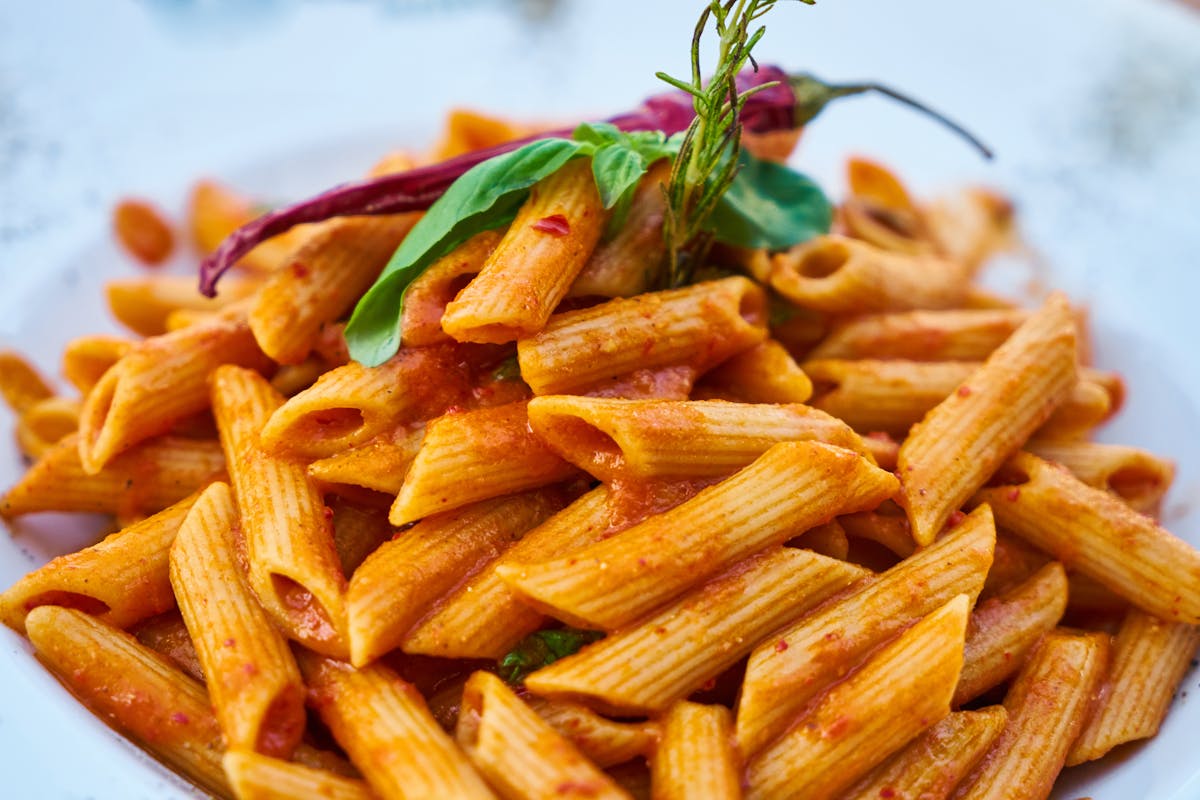
Keep sides light and optional, so you can mix and match based on how you feel that day:
- For a full meal: Add a small leafy green salad with olive oil and lemon, or a slice of soft whole‑grain bread if tolerated.
- On a low‑appetite day: Just a small bowl of soup with extra chicken stirred in for more protein per bite.
- For extra fiber: Serve with a side of steamed broccoli or green beans, cooked until very tender.
- To boost calories gently: Drizzle each bowl with an extra teaspoon of olive oil or swirl in a spoonful of cottage cheese for a creamier finish.
The GLP‑1 Diet Conversation: Beyond the Recipe
As GLP‑1 medications have gone mainstream, they’ve also sparked big, sometimes uncomfortable conversations: about celebrity use, weight stigma, medication access for people with diabetes, and the risks of extreme calorie restriction and muscle loss.
Amid all the noise, food can be a grounding force. Cooking at home—especially simple, forgiving recipes like this soup—lets you:
- Honor your changing appetite without judgment
- Protect your muscles with steady protein intake
- Support digestion with fiber, fluids, and gentle textures
- Stay connected to the pleasure of eating, even in smaller portions
You are not “doing it wrong” if your portions are small. The goal is nourishment, not perfection—one warm, protein‑rich bowl at a time.
Recipe Structured Data (SEO)
The following embedded JSON‑LD helps search engines understand and display this high‑protein, GLP‑1‑friendly soup recipe:
