
The Brain’s Hidden Hazmat Team: How Some Neurons Resist Dementia
Some brain cells can weather the toxic storms of Alzheimer’s disease and other dementias far better than others. For years, neurologists have seen this under the microscope: side‑by‑side neurons in the same brain region, one clogged with harmful proteins and dying, another surprisingly healthy.
A new study highlighted by ScienceAlert helps explain this mystery. Scientists have identified a kind of built‑in “cellular hazmat team” inside certain neurons that helps them clear and contain toxic damage. While this discovery won’t cure dementia overnight, it does point to new, more precise ways to protect the brain by boosting the defenses it already has.
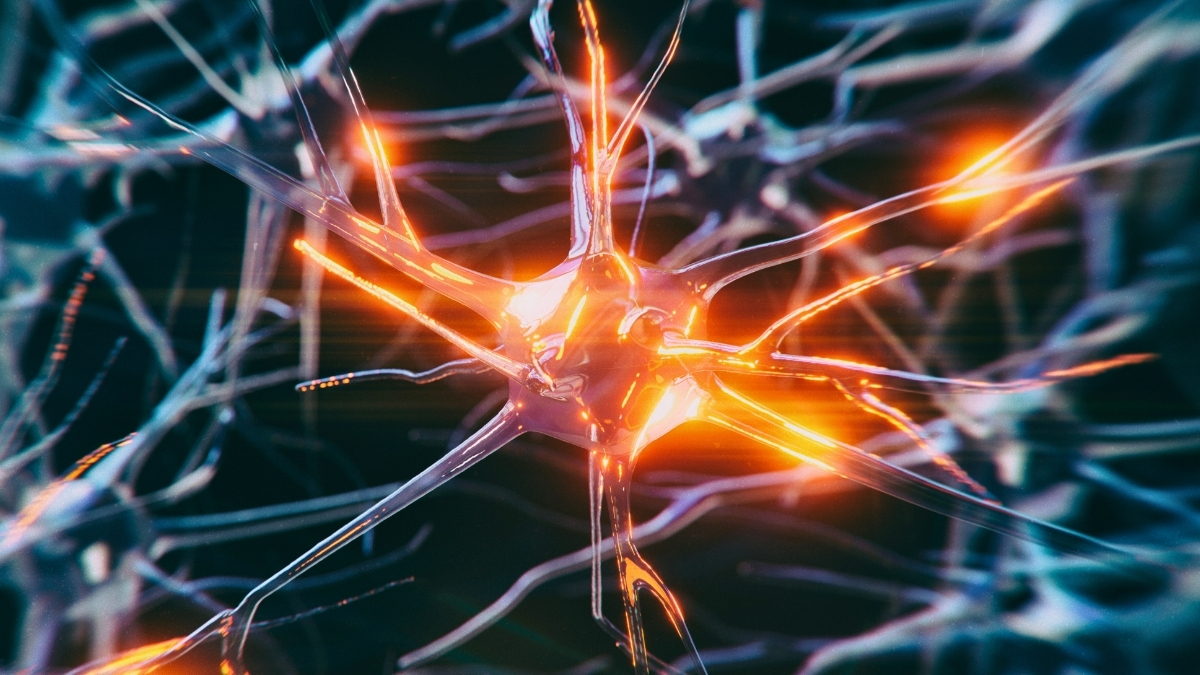
Why some brain cells resist dementia when others fail
In this article, we’ll unpack what scientists have found about these resilient neurons, what a “cellular hazmat team” actually is, and how this knowledge may eventually guide dementia‑prevention strategies. We’ll also explore what you can do right now—based on current evidence—to support your brain’s natural repair systems.
The problem: Toxic buildup in the brain isn’t the whole story
Alzheimer’s disease and related dementias are often described in terms of toxic protein buildups:
- Amyloid‑beta plaques forming between brain cells
- Tau tangles twisting inside neurons
- Chronic inflammation that keeps immune cells “on alert” for too long
Yet pathologists have noticed something puzzling: the severity of plaques and tangles doesn’t always match a person’s memory or thinking abilities. Some people’s brains look badly affected under the microscope, but they experienced only mild cognitive problems in life. Others have fewer plaques but significant dementia.
“Pathology is only part of the picture. The resilience of individual neurons, and the support systems around them, can make a dramatic difference in how the disease actually unfolds.”
— Neurologist commentary on emerging dementia research
This has led researchers to ask a different question: instead of only focusing on what damages the brain, what if we also studied what helps certain neurons survive?
Meet the brain’s “cellular hazmat team”
The new research described by ScienceAlert shows that some neurons are especially good at clearing toxic by‑products and misfolded proteins—much like a hazardous‑materials (hazmat) team that rushes in to contain a chemical spill.
While each study uses slightly different methods, the core pattern is consistent: resilient neurons have stronger internal systems for:
- Detecting damage early (stress‑sensing pathways)
- Tagging faulty proteins for destruction (ubiquitin‑proteasome system)
- Recycling cellular “junk” (autophagy and lysosomes)
- Containing inflammation so it doesn’t spiral out of control

These protective systems are not unique to dementia. They are part of how cells stay healthy in the face of everyday stress—oxidative damage, metabolic waste, even minor infections. What’s new is the recognition that:
- Some neurons express these protective genes more strongly and consistently.
- These “hazmat‑strong” neurons are less likely to accumulate Alzheimer’s pathology.
- Neighboring cells with weaker responses can degenerate much more quickly.
What the latest dementia research is revealing
Large‑scale projects combining brain imaging, single‑cell sequencing, and detailed pathology have transformed how scientists study dementia. Instead of looking at whole brain regions, they now examine the health of individual neurons and support cells.
Several consistent themes are emerging:
- Cell‑type differences matter. Certain neuron types—often the ones heavily involved in memory circuits—are more vulnerable. Others naturally activate stronger protective programs.
- Support cells play a major role. Astrocytes and microglia (the brain’s immune cells) can either help clean up toxins or, if overwhelmed, worsen inflammation.
- Gene expression shifts over time. Early in disease, some cells “ramp up” repair genes. If stress becomes chronic, those systems can burn out or fail.
- Lifestyle and vascular health intersect with these pathways. Conditions like high blood pressure, diabetes, and obesity can push cells toward chronic stress, reducing their capacity to cope with toxic protein buildup.
“We’re shifting from a ‘one size fits all’ view of Alzheimer’s to a model that recognizes cell‑by‑cell vulnerability. The question is becoming: how do we make more neurons behave like the resilient ones?”
— Cognitive neuroscientist, dementia research consortium
For readers and caregivers, the message isn’t that biology is destiny. Instead, it’s that there are identifiable levers—metabolic health, inflammation control, vascular protection—that likely influence how robust your brain’s own “hazmat team” can be.
Turning science into action: How to support your brain’s defense systems
No lifestyle change can guarantee protection from Alzheimer’s or other dementias. Genetics, age, and chance all play a role. But many of the same systems that help neurons resist damage are influenced by everyday habits—especially those that affect blood vessels, metabolism, and inflammation.
Below are evidence‑informed strategies that align with what we know about cellular resilience. Think of them not as quick fixes, but as ways to give your brain’s hazmat team the best working conditions possible.
1. Protect blood vessels to protect brain cells
Neurons rely on a constant supply of oxygen and nutrients. Vascular damage—through high blood pressure, smoking, or poorly controlled diabetes—forces cells to work under low‑energy, high‑stress conditions, making them more vulnerable to toxins.
- Work with your clinician to keep blood pressure in a healthy range.
- Manage blood sugar and cholesterol through diet, activity, and medication when needed.
- Avoid or reduce smoking and vaping; both impair blood flow to the brain.
2. Support cellular cleanup: Sleep, movement, and timing
The brain’s waste‑clearance systems are most active during sleep and are also influenced by daily rhythms and physical activity.
- Prioritize sleep quality. Aim for a consistent routine, a dark and quiet room, and evaluation for sleep apnea if you snore heavily or feel unrefreshed.
- Move regularly. Brisk walking, cycling, or swimming for a total of about 150 minutes per week (or what your doctor approves) can improve blood flow and may stimulate autophagy—the cell’s recycling system.
- Avoid chronic over‑eating late at night. Emerging studies suggest that giving cells “rest” periods from constant energy intake may support cleanup pathways, though the best pattern varies between individuals.
3. Calm chronic inflammation
Inflammation is part of the brain’s defense system, but if it stays switched on, it can damage neurons and overwhelm the very hazmat team meant to help.
- Focus on whole foods. Diet patterns like the Mediterranean or MIND diet—rich in vegetables, fruits, whole grains, beans, olive oil, nuts, and fish—are consistently linked with better brain outcomes.
- Limit ultra‑processed foods, added sugars, and excess alcohol. These can promote systemic inflammation and metabolic stress.
- Address gum disease and chronic infections. Ongoing immune activation anywhere in the body can influence the brain over time.
4. Challenge the brain—without burning it out
Cognitive activity doesn’t directly “kill plaques,” but it may build richer networks and encourage adaptive responses in neurons and support cells.
- Engage in novel, meaningful learning—languages, instruments, crafts, or new professional skills.
- Maintain social connections; conversations and relationships stimulate diverse brain circuits.
- Balance challenge with rest; chronic stress without recovery can impair resilience pathways.

5. Manage chronic stress with realistic tools
Long‑term psychological stress can influence inflammation, sleep, blood pressure, and even gene expression in neurons and immune cells. It’s not about eliminating stress, but improving how you move through it.
- Short daily practices like 10 minutes of slow breathing, mindfulness, or prayer.
- Regular physical activity tailored to your abilities.
- Counseling or support groups, especially for caregivers who are at higher risk of burnout.
Common obstacles—and how real people work around them
It’s one thing to know what supports brain health and another to fit it into a busy, imperfect life—especially if you’re already caring for someone with dementia.
“I’m exhausted as a caregiver. I don’t have time for myself.”
Caregivers frequently put their own health last. One 62‑year‑old caregiver described to her clinician how she felt “guilty” taking a 20‑minute walk while her husband with Alzheimer’s sat at home. Together, they reframed it: those 20 minutes weren’t selfish—they were an investment in the stability and patience she needed to keep caring for him.
- Start with 10–15 minute walks near home while another family member or neighbor checks in.
- Use chair exercises or light stretching that can be done in the same room as your loved one.
- Seek respite services or community programs if available; they exist in part to protect caregiver health.
“I’m worried about my genes. Does anything I do really matter?”
Genetic risk (such as carrying APOE‑ε4) does increase the chance of developing Alzheimer’s, but it doesn’t make your future fixed. Studies suggest that people with higher genetic risk may benefit even more from controlling blood pressure, staying active, and avoiding smoking.
“I keep hearing about miracle supplements. Should I try them?”
At this point, no supplement has been proven in large, well‑controlled trials to prevent or cure dementia. Some nutrients (like omega‑3 fats or vitamin D) may be helpful if you’re deficient, but megadoses can have side effects and may interact with medications.
- Be cautious of products that promise to “reverse Alzheimer’s” or “detox your brain.”
- Discuss any supplement with your clinician or pharmacist before starting.
- Prioritize food‑based nutrition and clinically proven treatments over untested products.
A different way to picture dementia: Damage vs. defense
To make sense of this new “hazmat team” research, it can help to visualize dementia not as a simple buildup of bad proteins, but as a balance between damage and defense.

In simple terms:
- Damage side: Amyloid, tau tangles, vascular injury, chronic inflammation, oxidative stress, infections.
- Defense side: Autophagy, proteasomes, antioxidant enzymes, immune regulation, vascular repair, synaptic plasticity.
The new findings about resistant neurons suggest that strengthening defense systems—even if we can’t completely prevent damage—could meaningfully change how symptoms unfold: delaying onset, slowing decline, or reducing severity.
What this could mean for future dementia treatments
Understanding the brain’s “cellular hazmat team” is already reshaping how scientists design potential treatments. Instead of only trying to remove amyloid or tau directly, future strategies may:
- Boost specific protective genes in vulnerable neuron types.
- Fine‑tune microglia and astrocytes so they clean up debris without causing chronic inflammation.
- Personalize therapies based on which cellular pathways are most impaired in a given person.
This may lead to combination approaches: medications that target pathology, plus therapies that enhance the brain’s natural resilience, alongside lifestyle and vascular care.

Moving forward: Small, steady steps to support a resilient brain
Learning that some neurons can resist dementia doesn’t mean we can switch on invincibility—but it does offer a hopeful shift. Your brain is not a passive victim. It has built‑in defense teams working every day, and many of your choices can help or hinder their efforts.
If you’re wondering where to start, consider choosing one area for the next month:
- Schedule a checkup to review blood pressure, blood sugar, and cholesterol.
- Add a 10–20 minute walk to most days of the week.
- Improve one aspect of sleep (bedtime, screens, caffeine timing).
- Swap one processed snack for a whole‑food option.
- Reach out to one friend or support group you’ve been meaning to contact.
Over time, these modest steps can shape the environment your neurons live in—making it a little more like the environment of those resilient cells scientists are finally beginning to understand.
