
The Battle for the Living Room: How Next‑Gen Consoles, Cloud Gaming, and Subscriptions Are Rewriting the Rules
The modern “battle for the living room” is no longer just about which plastic box sits under your TV. It is a multi‑front conflict spanning local consoles, cloud servers, handheld PCs, and subscription ecosystems that follow you from television to laptop to phone. Sony, Microsoft, Nintendo, and PC‑focused players like NVIDIA and Valve are all converging on the same goal: to make their platform the default place you go to play.
Gaming and consumer‑tech outlets such as The Verge, TechRadar, and Engadget are tracking a set of converging trends: mid‑cycle console refreshes, more realistic expectations for cloud gaming, and the rapid normalization of “all‑you‑can‑play” subscription libraries. Together, these forces are reshaping how games are built, bought, and preserved.
Mission Overview: What Is the Battle for the Living Room?
When people talk about the “battle for the living room,” they are really talking about control of attention and spending in a world where gaming competes directly with streaming video, social media, and short‑form content. Next‑gen consoles, cloud gaming, and subscription models are the strategic weapons each company is using to capture that time.
- Consoles anchor ecosystems with powerful local hardware and prestige exclusives.
- Cloud gaming promises instant access on any screen, with no downloads or patches.
- Subscriptions flatten upfront costs, trading ownership for ongoing access.
“We want to bring Game Pass to every screen that can play games.” — Phil Spencer, CEO, Microsoft Gaming
This shift mirrors what happened in music and video: we moved from discs and downloads to Spotify and Netflix. But games add extra complexity—latency, input responsiveness, massive file sizes, and live‑service updates—making the transition slower and more contentious.
Next‑Gen and Mid‑Cycle Hardware: Consoles in a Smartphone World
Historically, console generations followed a 6–8‑year cadence: stable hardware, followed by a clean break and major leap. Since the “Pro” and “Series X/S” era, the industry is flirting with something more like smartphone refresh cycles, where thinner, faster, quieter revisions keep the ecosystem evolving without a hard reset.

Rumors and Roadmaps for PlayStation and Xbox
As of early 2026, industry reporting and leaks suggest:
- Sony is expected to continue iterating on the PlayStation 5 platform with slimmer, more efficient revisions and a likely “Pro‑class” model targeting higher frame rates at 4K and better ray tracing. Reports point to improved machine‑learning accelerators to assist upscaling and performance.
- Microsoft is rumored to be targeting a more modular, cloud‑integrated vision of future Xbox hardware, with devices that lean on both local GPU power and Xbox Cloud Gaming for hybrid rendering and instant trials.
Are Traditional Generations Dead?
Analysts are split on whether classic generations will disappear:
- Pro “Rolling Platform” View: Hardware will refresh more often, but remain backward‑compatible, with games scaling up or down like PC titles.
- Pro “Hard Generation” View: At some point, a clean break is needed to fully exploit new architectures (e.g., ray‑tracing from the ground up, AI‑driven NPCs).
“We may be heading toward a ‘platform continuum’ where the brand is the generation, not the box.” — games industry analyst quoted by GamesIndustry.biz
Hardware Experience: Quiet Power, Storage, and Form Factor
Beyond teraflops, users increasingly care about practical quality‑of‑life: noise, thermals, storage, and how much space the console occupies in cramped apartments or TV cabinets.
- Storage: With 100+ GB AAA games, 1 TB drives feel small. Faster NVMe SSDs and expandable storage are now baseline expectations.
- Thermals & Noise: Efficient SoCs and better cooling design matter for living‑room comfort.
- Form factor: Slimmer revisions and detached disc drives free up space and reduce shipping/production costs.
For players capturing 4K gameplay or juggling large libraries, pairing a console with a high‑performance external SSD is increasingly common. Products like the Samsung T7 Portable SSD 1TB offer fast load times and simple plug‑and‑play expansion for PS5, Xbox Series X|S, and PC.
Cloud Gaming’s Slow but Steady Rise
The early 2020s cloud‑gaming hype—“the console killer is here”—has given way to a more realistic view: cloud gaming is a powerful complement, not an outright replacement for local hardware, at least for now.

Key Players
- Xbox Cloud Gaming (within Game Pass Ultimate) offers console titles on mobile, PC, and some smart TVs.
- NVIDIA GeForce NOW streams your existing PC libraries from Steam, Epic, and others, often at high resolutions and frame rates.
- Amazon Luna leverages AWS for channel‑based game access, albeit with a smaller footprint.
Technical Progress: Latency and Visual Quality
Advances in video codecs (AV1, HEVC), edge computing, and adaptive bitrate streaming have significantly improved cloud‑gaming responsiveness on high‑bandwidth, low‑latency connections. For turn‑based and slower‑paced games, the experience can be nearly indistinguishable from local play; for twitch shooters and competitive fighters, perceptible latency still matters.
Measured improvements include:
- End‑to‑end latency reductions through closer edge data centers.
- Higher streaming resolutions (1440p and 4K tiers) at reasonable bitrates.
- Smart input prediction and client‑side smoothing to mask small network spikes.
“Cloud will not erase the need for local devices, but it will redefine where games can be played and who can access them.” — Google Cloud gaming white‑paper commentary
Toward a Hybrid Future: Local + Cloud
The most plausible near‑term future is hybrid. Consoles, PCs, and handhelds do heavy lifting when available; the cloud fills in the gaps when you are away from your main device or trying a game before downloading.
Hybrid Use Cases Already Emerging
- Instant trials: Click‑to‑play demos streamed from the cloud before committing to a full download.
- Remote continuation: Start on console, continue on phone or laptop via streaming with cloud saves.
- Thin‑client devices: Low‑power sticks or smart‑TV apps that function like “virtual consoles.”
Cloud‑friendly controllers, such as the 8BitDo Ultimate Bluetooth Controller , are increasingly marketed as cross‑platform: usable with Switch, PC, Steam Deck, mobile, and smart TVs alike. This hardware agnosticism subtly shifts focus away from a single box and toward the account‑based ecosystem.
Subscription Economies: Game Pass, PlayStation Plus, and Beyond
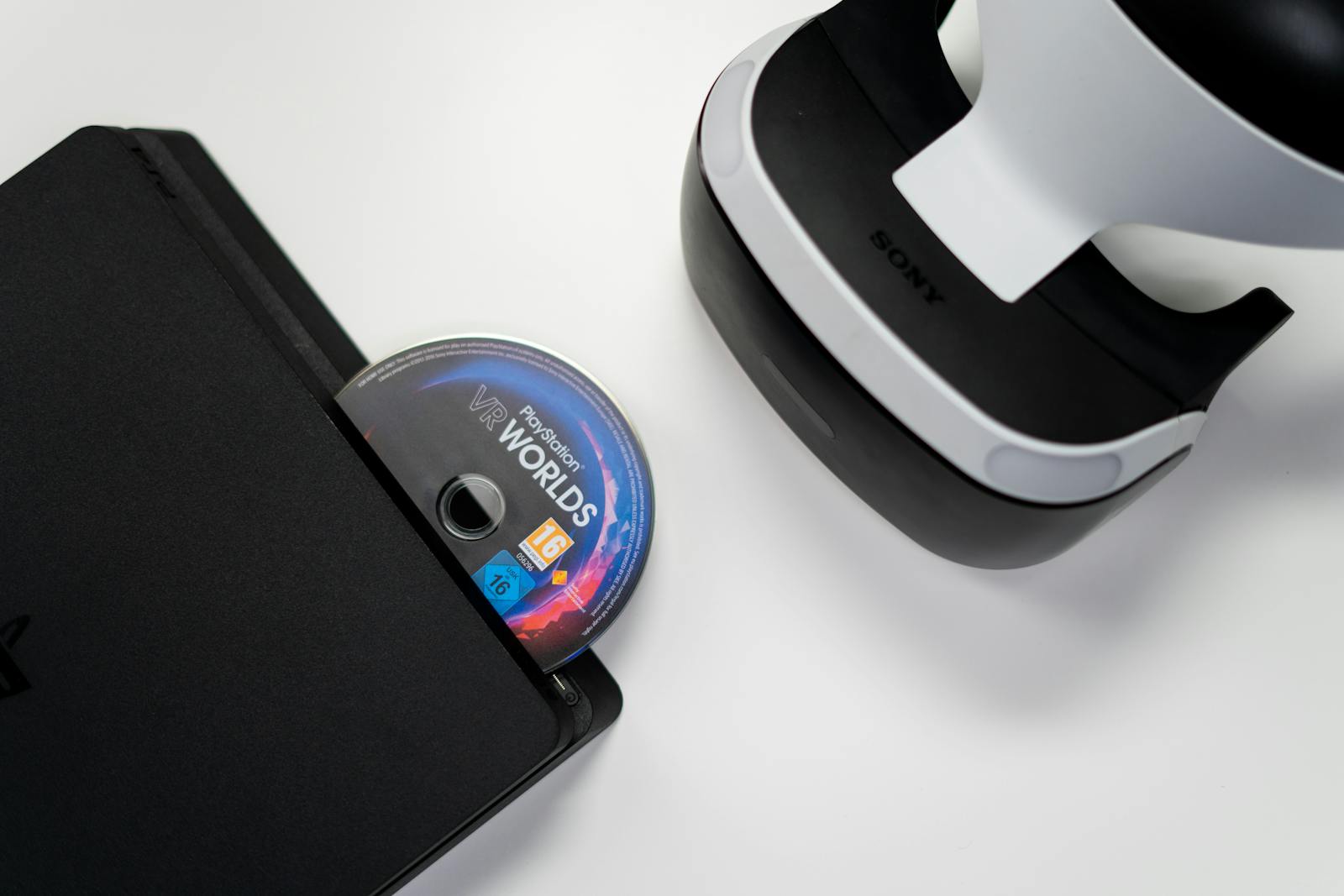
Subscriptions have become the central battleground in the console wars. Microsoft’s Xbox Game Pass and Sony’s revamped PlayStation Plus tiers offer rotating libraries of hundreds of titles for a monthly fee, echoing the Netflix model.
Why Subscriptions Are So Attractive to Players
- Low upfront cost: Access to dozens of AAA and indie titles without paying $70 per game.
- Discovery: Risk‑free experimentation with genres and studios you might never buy outright.
- Cross‑device access: One subscription often covers console, PC, and cloud streams.
Day‑One First‑Party Releases
Microsoft continues to push day‑one releases of many first‑party games into Game Pass, using it as a powerful acquisition and retention tool. Sony has been more cautious, generally delaying first‑party hits before adding them to higher PlayStation Plus tiers to protect traditional retail and premium sales.
“Subscriptions are changing player behavior: when everything feels ‘free,’ attention becomes the true currency.” — commentary in Wired’s coverage of game subscriptions
Business Model Tensions: Developers, Publishers, and Margins
Under the surface, subscription economics are contentious. While some studios praise predictable revenue and boosted visibility, others worry about devalued content and squeezed margins, echoing concerns from musicians in the Spotify era.
Benefits for Developers
- Guaranteed payouts: Upfront deals or minimum guarantees can de‑risk a launch.
- Discovery: Small studios often see large player spikes when featured in subscription catalogs.
- Long tail engagement: Older titles can find new life when added to a big service.
Risks and Concerns
- Opaque metrics: Payout formulas based on engagement, playtime, or downloads are often not fully transparent.
- Price anchoring: Players may become reluctant to pay full price when they expect “free” access via subscriptions.
- Catalog churn: Games leaving services can disrupt live communities and revenue planning.
“All‑you‑can‑play subscriptions risk training players to treat games as disposable, making it harder for premium‑priced titles to stand out.” — Indie developer quoted in The Next Web
Platform Exclusivity, Mergers, and Regulatory Scrutiny
The last several years have seen an unprecedented wave of consolidation: major platform holders acquiring prominent publishers and studios to shore up their content pipelines. This raises both competitive and regulatory questions.
Why Exclusives Still Matter
- System sellers: Flagship franchises still drive console choice for many core gamers.
- Brand identity: Exclusive aesthetics and storytelling create long‑term emotional loyalty.
- Subscription differentiation: Unique first‑party libraries help justify recurring fees.
Regulators in the US, EU, and UK have scrutinized large acquisitions on antitrust grounds, focusing on whether locking major franchises to a single ecosystem would harm competition or consumers. Coverage from outlets like the Financial Times and Bloomberg has highlighted increasingly sophisticated remedies, including multi‑year cross‑platform commitments and cloud streaming concessions.
PC, Handhelds, and Interoperability: Blurring the Lines
The rise of Steam Deck–class handheld PCs and other portable devices has further blurred the boundaries between console, PC, and cloud. Many players now think first about where they want their library to live (Steam, Xbox, PlayStation, Epic) instead of which physical box to buy.

Cross‑Save and Cross‑Play as Expectations
- Cross‑save: Players increasingly expect to move seamlessly between console, PC, and handheld without losing progress.
- Cross‑play: Friends lists that span Xbox, PlayStation, Switch, and PC are becoming the norm for multiplayer hits.
This shift pressures platform holders to cooperate in areas they once fiercely controlled. Games that refuse to support cross‑play or cross‑save increasingly face community backlash and negative coverage from sites like Kotaku and Polygon.
Consumer Implications: Choice, Fragmentation, and Ownership
For players, the new landscape is simultaneously generous and confusing. There have never been more ways to play great games at relatively low cost, but navigating overlapping subscriptions and platform silos can be frustrating.
Upsides for Players
- Affordability: Subscriptions lower the barrier to sampling big‑budget games.
- Accessibility: Cloud and handheld options help those without high‑end PCs or big TVs.
- Flexibility: Play where you want, with who you want, often on whatever device you already own.
Downsides and Trade‑Offs
- Fragmentation: Multiple overlapping services, each with its own exclusives and rotating catalogs.
- Regional inequality: Bandwidth constraints and limited service rollouts disadvantage many regions.
- Ownership ambiguity: If a game leaves a service—or a publisher pulls licenses—access can vanish overnight.
“We’re learning that ‘digital ownership’ often just means ‘licensed until further notice’—and players are right to worry about long‑term access.” — digital‑rights researcher commentary on LinkedIn
Technology Under the Hood: What Powers Next‑Gen Experiences
Next‑gen consoles, cloud servers, and handheld PCs share a surprising amount of DNA: custom AMD APUs or similar designs, high‑bandwidth GDDR memory, super‑fast SSDs, and increasingly, dedicated blocks for AI and media processing.
Key Technologies Shaping the Experience
- Ray tracing: Hardware‑accelerated lighting and reflections that dramatically improve visual realism.
- AI upscaling: Technologies akin to DLSS, FSR, and XeSS allow 4K‑class images from lower internal resolutions, critical for both consoles and cloud streaming.
- DirectStorage‑style APIs: Faster asset streaming from NVMe SSDs reduces load times and enables denser worlds.
- Haptics and adaptive triggers: Advanced controller feedback—pioneered in mass market by the PS5 DualSense—adds tactile immersion and fine‑grained control.
Enthusiasts who also game on PC increasingly look for hardware that bridges console and desktop worlds. Monitors like the LG 27GP850-B 27" QHD 165Hz Gaming Monitor provide HDMI 2.0/2.1 support for consoles alongside DisplayPort for PCs, making them popular centerpieces of hybrid setups.
Scientific and Societal Significance of the New Gaming Landscape
While the console wars may sound like pure entertainment, the technologies and business models involved have far‑reaching implications for networking, human‑computer interaction, and digital culture.
Networking and Distributed Systems
Cloud gaming tests the limits of wide‑area networking. Techniques developed to minimize input lag and packet loss are relevant to telemedicine, remote robotics, and real‑time collaboration tools. Edge computing strategies for game streaming overlap heavily with emerging applications in autonomous vehicles and IoT.
Human‑Computer Interaction (HCI)
Advances in controller design, haptics, and accessibility settings (e.g., button remapping, visual filters, narration) push forward research in inclusive design. Microsoft’s work on the Xbox Adaptive Controller has informed broader assistive‑tech discussions well beyond gaming.
Digital Preservation
As games shift to online services and subscriptions, archivists and academics are raising alarms about long‑term preservation. Without physical media or DRM‑free builds, many titles could become unplayable within a decade or two, complicating cultural and historical research.
Recent Milestones in Consoles, Cloud, and Subscriptions
Over the last few years, several key milestones have marked the maturing of this ecosystem.
Notable Developments
- Wider deployment of native Xbox and cloud‑gaming apps on smart TVs, reducing the need for a console at all in some households.
- PlayStation Plus consolidation into multi‑tier offerings (Essential, Extra, Premium), signaling Sony’s full commitment to subscription strategies.
- GeForce NOW’s expansion into higher‑tier RTX 4080 or equivalent streaming, proving that cloud can deliver true high‑end experiences under ideal conditions.
- Major acquisitions that turn formerly independent publishers into first‑party arms of platform holders, reshaping exclusive line‑ups.
These moves often coincide with tentpole game launches and hardware refreshes, creating cyclical spikes in interest and social‑media chatter captured by analytics platforms and reported across tech media.
Key Challenges: Technical, Economic, and Ethical
Despite impressive progress, multiple unresolved challenges will shape how sustainable and equitable this new gaming ecosystem becomes.
Technical Challenges
- Last‑mile bandwidth: Many regions still lack stable, low‑latency connections required for high‑quality cloud gaming.
- Data caps: Streaming 4K games can quickly hit ISP limits where caps are common.
- Input latency: Even small delays are critical for competitive titles and VR.
Economic and Labor Concerns
- Revenue distribution: How subscription revenue is divided among publishers and indies remains a hot‑button issue.
- Crunch and burnout: Pressure to feed constant subscription content can exacerbate already‑serious labor problems.
- Indie viability: Without strong marketing support, many smaller titles risk being lost in vast catalogs.
Ethical and Regulatory Questions
- Monopoly risk: Consolidation could reduce long‑term competition and innovation.
- Data privacy: Account‑centric ecosystems gather detailed behavioral data that must be handled responsibly.
- Algorithmic visibility: Recommendation systems determining which games surface can make or break smaller studios.
Practical Advice: Navigating the New Gaming Ecosystem
For most players, the best strategy is to treat platforms and subscriptions as flexible tools rather than long‑term lock‑ins. A few practical principles can help.
How to Choose Your Main Platform
- Follow your friends: Multiplayer fun depends heavily on where your social circle plays.
- Check exclusives: Identify must‑play franchises and where they live (PlayStation, Xbox, Nintendo, PC).
- Consider your display: If you own a 4K 120 Hz TV or monitor, aim for hardware that can use it.
- Think about mobility: If you travel often, prioritize cloud‑gaming support or a powerful handheld PC.
Subscription Strategy
- Rotate services: Subscribe for a few months, play what you want, then cancel and switch.
- Buy favorites: For games you truly love or want preserved, consider owning a copy even if they are on a subscription.
- Watch for bundles: Telecoms and hardware makers frequently bundle trials or discounted months.
To optimize a console‑plus‑PC setup without overspending, mid‑range headsets like the HyperX Cloud II Gaming Headset offer strong cross‑platform audio, while a reliable Wi‑Fi 6 router (for example, the TP‑Link Archer AX21 AX1800 ) can meaningfully improve cloud‑gaming stability in many homes.
Conclusion: The Future of the Console Is the Future of the Account
The “next‑gen” story is no longer just about a single spec sheet. It is about ecosystems—accounts that stretch across devices, subscriptions that reshape how we pay, and cloud servers that let us bring console‑class experiences to almost any screen.
Traditional consoles are not disappearing anytime soon; physical boxes still provide the most consistent, latency‑free, and simple experience. But they are gradually becoming just one node in a broader network of devices, services, and social graphs. The true battleground is not the HDMI port under your TV, but the persistent identity that links your purchases, your saves, your friends, and your time.
Over the next cycle, expect:
- More frequent, incremental hardware refreshes rather than hard resets.
- Deeper integration of cloud as a standard feature, not a curiosity.
- Richer, more personalized subscription offerings shaped by data and algorithms.
- Ongoing debates about preservation, ownership, and fair treatment of creators.
Understanding these forces puts you in control of your own gaming future—so you can choose platforms that respect your time, your budget, and your play style in an increasingly complex digital ecosystem.
Further Exploration and Useful Resources
To stay on top of next‑gen consoles, cloud developments, and subscription changes, consider following a mix of news sites, long‑form analysis, and creator commentary.
Recommended Reading and Viewing
- The Verge – Games Section for breaking news and ecosystem analysis.
- Digital Foundry for deep technical breakdowns of console and PC performance.
- Linus Tech Tips on YouTube for hardware‑oriented coverage of gaming setups.
- SkillUp and similar channels for critical takes on major releases and industry trends.
For developers and researchers, white papers from cloud providers and platform holders—such as Microsoft’s Xbox Series X|S technical briefs or NVIDIA’s GTC talks—offer valuable insight into the architectural decisions shaping tomorrow’s games.
References / Sources
Selected sources for further reading and verification:
- https://www.theverge.com/games
- https://www.techradar.com/gaming
- https://www.engadget.com/gaming
- https://www.gamesindustry.biz/
- https://www.nvidia.com/en-us/geforce-now/
- https://www.xbox.com/en-US/xbox-game-pass
- https://www.playstation.com/en-us/ps-plus/
- https://aws.amazon.com/luna/
- https://www.wired.com/tag/video-games/
- https://thenextweb.com/news/gaming
