
Ted Sarandos vs. James Cameron: Inside Hollywood’s New Streaming Power Clash
Netflix co-CEO Ted Sarandos has fired back at James Cameron in a pointed rebuttal letter after the director publicly slammed Netflix’s reported interest in a Warner Bros. deal, turning a speculative corporate maneuver into a very public clash over the future of Hollywood, theatrical releases, and streaming power.

The exchange, first reported by Deadline, isn’t just an ego skirmish between a studio titan and a streaming czar. It’s a snapshot of a business in transition: traditional studios under pressure, tech-backed streamers circling legacy assets, and some of cinema’s most powerful voices pushing back against the algorithmic future.
How We Got Here: The Netflix–Warner Bros. Deal Rumblings
The flashpoint is a reported Netflix plan to explore a potential deal involving Warner Bros., a move that, even as rumor, sends shivers through traditional Hollywood. Warner Bros. is not just another studio; it’s Batman, Harry Potter, DC, Looney Tunes, and a century of cinematic legacy. The idea of Netflix wrapping that into its empire feels, to some, like the moment the old Hollywood order officially hands over the keys.
While the contours of any actual transaction remain speculative and heavily caveated, the mere prospect underscores how streaming-first companies are increasingly seen as potential saviors—or raiders—of debt-laden legacy studios. For Sarandos, it’s an expansion narrative. For filmmakers like Cameron, it’s an existential one.
James Cameron’s Problem With the Netflix Vision
James Cameron has long been one of the loudest defenders of the theatrical experience. From Avatar to Terminator 2, his films aren’t just watched; they’re engineered as large-format, premium events. So when reports surfaced that he had little interest in Netflix’s Warner Bros. ambitions, it tracked with his public stance on streaming’s encroachment.
“You don’t build a cathedral and then tell people to look at it on their phones.”
— James Cameron, on theatrical cinema vs. streaming, in a prior interview
While his latest comments specifically targeted the Netflix–WB idea, the subtext is familiar: Cameron sees all-in streaming strategies as a threat to both craft and culture, reducing cinematic events to endless scrollable tiles. From his perspective, the consolidation of more power under Netflix doesn’t fix Hollywood’s problems; it accelerates them.
Ted Sarandos Responds: A Rebuttal Letter With a PR Smile and Steel Spine
According to Deadline’s reporting, Sarandos responded with a carefully worded letter pushing back on Cameron’s criticisms. It reads like a hybrid of corporate diplomacy and low-key flex: Netflix is not just a disruptor anymore, it’s an establishment player insisting it understands and respects filmmaking tradition.

While the exact wording is calibrated for maximum politeness, the underlying message is blunt: Netflix believes it can, in theory, steward a legacy studio while still investing in theatrical where it makes sense—and it’s not going to let a marquee director define its narrative.
“We share the same love for movies, even if we don’t always agree on the best way to bring them to audiences.”
— Ted Sarandos, in his rebuttal framing, per Deadline’s report
The Ted Sarandos Charm Offensive: Hollywood Whisperer or Power Buyer?
Sarandos has spent the past decade turning Netflix from Hollywood’s bogeyman into an awards-season fixture. His charm offensive has included courting auteurs such as Alfonso Cuarón, Martin Scorsese, and Jane Campion with budgets and creative control that studios either wouldn’t—or couldn’t—match.
- Soft power: Lavish awards campaigns, festival red carpets, and filmmaker-friendly rhetoric.
- Hard power: Massive checkbook, global reach, and data-driven greenlighting that often sidelines mid-budget risk.
The Deadline report suggests that even this well-honed charm offensive had its limits with Cameron. That’s telling. There’s a growing split between directors who see Netflix as a vital lifeline and those who see it as the end of a certain kind of cinema culture.
What’s Really at Stake: The Future of Theatrical, Streaming, and Studio Identity
Strip away the personalities, and this clash is about the identity of major studios in a streaming-dominated era. Warner Bros. has historically been synonymous with big swings and franchise juggernauts. Netflix, meanwhile, is built on volume, personalization, and globalized content pipelines.
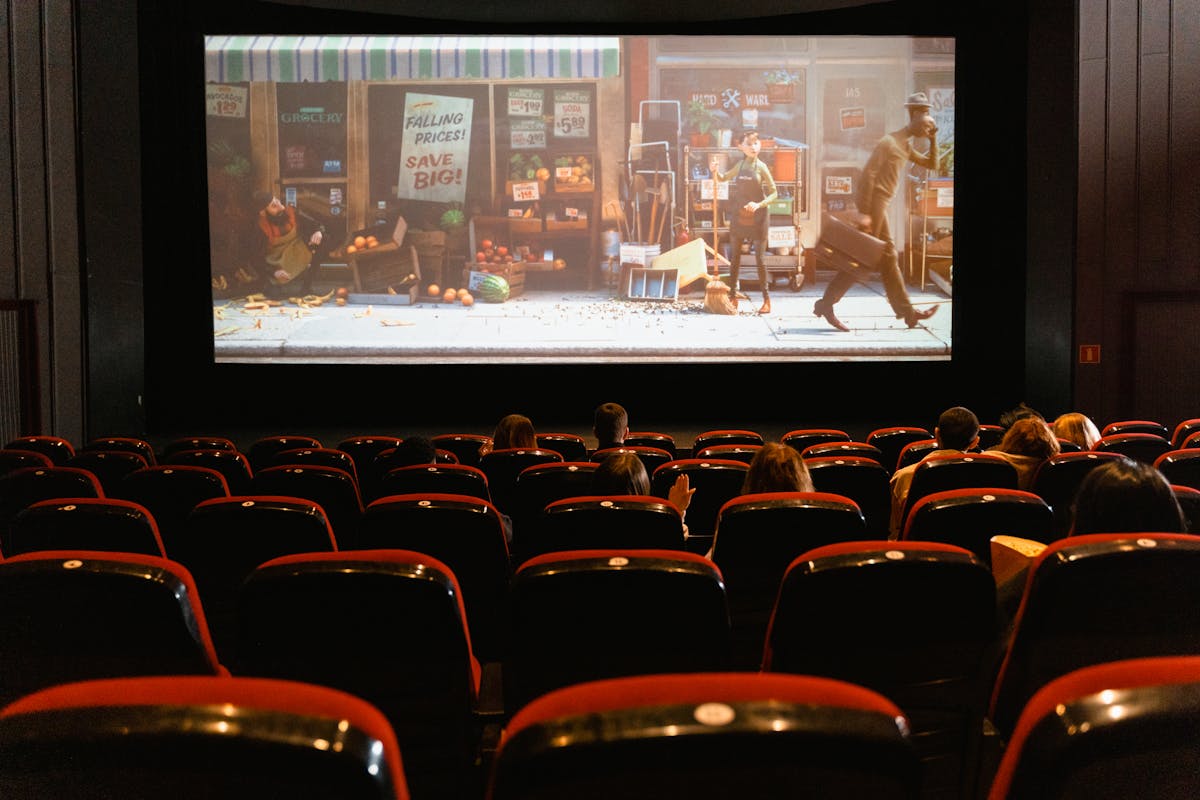
Cameron’s critique reflects a fear that if a streamer swallows a legacy studio, theatrical windows and exhibition-first strategies will become optional rather than foundational. Sarandos’ letter, by contrast, aims to reassure Hollywood that Netflix can be both: a digital powerhouse and a responsible custodian of big-screen moviegoing.
The truth likely lies somewhere in the messy middle. Netflix has shown occasional willingness to support limited theatrical runs, but its core business incentives still point viewers to the couch. Any Warner Bros. arrangement would be judged on that practical reality, not just the rhetoric in a letter.
Who Has the Stronger Case: Cameron’s Purism vs. Sarandos’ Pragmatism
Looked at objectively, both Cameron and Sarandos have credible arguments—and blind spots.
Cameron’s Strengths
- He’s right that theatrical experiences drive cultural moments in a way streaming rarely replicates.
- His track record with mega-budget hits gives weight to his concerns about long-term audience behavior.
- He articulates a widely felt anxiety that cinema is being remade around binge habits and algorithms.
Cameron’s Weaknesses
- He sometimes underplays how streaming has expanded access to non-blockbuster, global, and niche work.
- Theatrical-only idealism can ignore the economic realities faced by mid-budget and indie films.
Sarandos’ Strengths
- Netflix has a proven track record in funding ambitious projects that studios passed on.
- The platform has globalized the reach of foreign-language and unconventional titles.
- His rebuttal letter signals an awareness that Netflix must now play politics, not just disruption.
Sarandos’ Weaknesses
- Netflix’s business model still deprioritizes theatrical, whatever the PR line might say.
- High turnover and buried titles fuel perception that the company treats movies as content, not culture.
From Spielberg vs. Netflix to Cameron vs. Sarandos: A Familiar Fight Evolves
This isn’t the first time a major filmmaker has publicly pushed back on Netflix’s rise. Steven Spielberg previously raised concerns about whether streaming films should qualify for Oscars, arguing that they were closer to “TV movies” than theatrical features.

What’s different now is scale. Back then, Netflix was a brash outsider muscling into awards races. Today, it’s seen as a potential buyer of whole studios. The Cameron–Sarandos friction feels less like art vs. tech and more like a last stand over who gets to define what a “studio” even is in 2026.
Industry and Audience Reaction: Applause, Eye Rolls, and Shrugs
Within the industry, reactions to Deadline’s report on the letter split along predictable lines. Theatrical die-hards applauded Cameron for saying the quiet part loud: that not every legacy brand should end up inside a Silicon Valley-style content pipeline. Streaming pragmatists, meanwhile, argued that Netflix interest is at least better than the alternative—asset-stripping or slow decline.

Regular viewers, of course, mostly just want good movies that are easy and affordable to watch. To them, a Sarandos–Cameron spat can feel like a high-level turf war happening far above their heads—until the day a long-anticipated film ends up delayed, cancelled, or quietly “content-optimized” into oblivion.
Where This Leaves Hollywood: Negotiating a Hybrid Future
The Sarandos rebuttal letter won’t end the debate over streaming’s role in Hollywood. If anything, it underlines how sensitive and high-stakes these conversations have become. Netflix wants legitimacy as a guardian of cinema history; filmmakers like Cameron want guarantees that history won’t be flattened into thumbnails.
The most plausible outcome is a hybrid future: big IP and event titles get the full theatrical rollout, while a vast ecosystem of mid-budget, genre, and global films live primarily on platforms like Netflix with occasional prestige big-screen runs. The real test, if a Netflix–Warner scenario ever materializes, will be whether Sarandos’ reassuring words in this letter translate into an actual, durable commitment to theaters—and whether filmmakers like Cameron are willing to meet that halfway.
Until then, this very public letter exchange serves as a reminder that in 2026, Hollywood drama isn’t just on the screen. It’s in the boardrooms, the trades, and, increasingly, in the inboxes of the people who still believe movies are bigger than the platforms that deliver them.
