
Super‑Food Spotlight: Sea Moss, Adaptogens & Alkaline Blends – What Actually Belongs in Your Wellness Latte?
Super‑Food Spotlight: Sea Moss, Adaptogens & “Alkaline” Wellness Blends
Sea moss gels, mushroom adaptogen powders, and “alkaline” greens blends are everywhere right now—swirled into creamy smoothies, stirred into frothy lattes, and poured into ice‑cold wellness shots that look gorgeous on social feeds. They promise glowing skin, calm energy, better digestion, and a daily dose of minerals, all in a single scoop or spoonful.
This guide warms you into the trend like a cozy mug of mushroom hot chocolate: we’ll explore what sea moss, adaptogens, and greens powders actually are, how they’re used, what the science says, and how to build simple, delicious rituals at home—without falling for overblown “detox” promises.
Why These “Super‑Foods” Are Trending Now
This new wave of super‑foods sits at the crossroads of traditional herbalism, modern supplement culture, and influencer‑driven marketing. You’ll see them in:
- Colorful sea moss gels in mason jars (think mango, pineapple, elderberry).
- Earthy, chocolate‑scented mushroom lattes and “focus” elixirs.
- Vibrant greens powders whisked into water as a “daily detox.”
Their rise is fueled by celebrity endorsements, TikTok morning routine videos, and a post‑pandemic desire for simple, soothing health rituals—something quick you can do each day that feels like an act of self‑care.
Sea Moss (Irish Moss): Mineral‑Rich Red Algae
Sea moss, also called Irish moss, is a type of red algae traditionally used in Caribbean and Irish cooking to thicken drinks, porridges, and desserts. When soaked and blended, it turns into a silky, almost jelly‑like gel that disappears smoothly into smoothies and sauces while adding a subtle oceanic note.

Nutritional Snapshot
Sea moss is valued for its mineral content, especially:
- Iodine – needed for thyroid hormone production.
- Potassium – supports nerves and muscles.
- Magnesium – involved in energy and muscle relaxation.
- Trace elements like zinc and iron.
It’s naturally low in calories and fat, with a softly salty, marine aroma and a neutral flavor when blended with fruit or plant milks.
Common Claims & What We Know
Online, sea moss is credited with everything from smoothing digestion to clearing skin. Current research suggests it can:
- Contribute iodine to support normal thyroid function (as part of an overall diet).
- Provide soluble fiber‑like compounds that may help with gut regularity.
- Add small amounts of minerals that support general health.
However, there’s limited high‑quality human research on sea moss gels and supplements. The detox, weight‑loss, and dramatic “cure‑all” claims you’ll see on social media are far ahead of the evidence.
Adaptogens & Functional Mushrooms: Stress‑Supportive Sips
Adaptogens are herbs and fungi traditionally used to help the body respond more smoothly to stress. Today, they show up in everything from coffee alternatives to sparkling “focus” drinks and cozy night‑time cocoas.

Popular Adaptogens You’ll See
- Ashwagandha – an Ayurvedic root often used for stress, anxiety, and sleep support.
- Reishi – a bitter “mushroom of immortality” in East Asian traditions; often used for calm and immune support.
- Lion’s Mane – a shaggy white mushroom linked to focus and cognitive support in early studies.
- Cordyceps – a fungus associated with stamina and athletic performance in some sports supplements.
- Rhodiola – a cold‑climate root associated with fatigue and mood support.
What the Research Suggests
Many of these ingredients have promising but preliminary evidence, often from small or short‑term studies, suggesting they may:
- Support a more balanced stress response over time.
- Provide bioactive compounds (like beta‑glucans in mushrooms) that may support immune function.
- Offer gentle, non‑jittery energy and focus in place of extra coffee.
It’s important to remember that many wellness blends use proprietary formulas and doses. Effects depend heavily on quality, quantity, and consistency of use.
“Alkaline” & Greens Powders: Nutrient Top‑Up or Detox Hype?
Those neon‑green drinks flooding your feed—often labeled as alkaline blends, super greens, or detox powders—typically combine dehydrated vegetables, grasses, and algae with vitamins, minerals, and sometimes probiotics.
What’s Typically Inside
- Greens & grasses: wheatgrass, barley grass, alfalfa.
- Algae: spirulina, chlorella.
- Vegetable and fruit powders: spinach, kale, beet, carrot, berry blends.
- Add‑ons: vitamin C, B‑vitamins, minerals, probiotics, digestive enzymes, fibers.
The “Alkaline” Question
These products are often marketed as making your body more “alkaline” to prevent disease. In reality, your body tightly regulates blood pH, and no powder can drastically change it. What they can do is:
- Add some vitamins and minerals to your day.
- Provide convenient ways to boost plant compounds if your diet is low in produce.
- Create a daily hydration ritual that reminds you to drink water.
Wellness Rituals vs. Nutrition Reality
Part of the magic of these products is not just what’s in the jar—it’s the daily ritual they create. There’s something deeply comforting about whisking a scoop of powder into water, hearing the tiny clinks of the spoon, and taking a slow, intentional sip before the day rushes in.
From a science standpoint, though, sea moss, adaptogens, and alkaline blends are:
- Potentially helpful sources of specific nutrients and plant compounds.
- Best viewed as supplements rather than substitutes for whole foods.
- Most powerful when layered onto solid basics: balanced meals, sleep, movement, and stress management.
Let your wellness latte be the cherry on top of a nourishing lifestyle—not the entire sundae.
Recipe: Creamy Sea Moss Adaptogen Smoothie (Vegan, Gluten‑Free)
To bring all of this into your kitchen, here’s a gentle, cozy recipe that layers sea moss gel, an adaptogenic mushroom blend, and leafy greens into one creamy, drinkable breakfast. It’s naturally sweet, softly spiced, and designed to nourish without overwhelming your system.

Quick Recipe Overview
Prep time: 10 minutes
Cook time: 0 minutes
Total time: 10 minutes
Servings: 1 large or 2 small smoothies
Difficulty: Easy
Dietary: Vegan, gluten‑free, dairy‑free
Equipment
- Blender (a high‑speed blender gives the creamiest result)
- Measuring cups and spoons
- Knife and cutting board
- Glass or jar for serving
Ingredients
- 1 medium ripe banana, sliced and frozen for extra creaminess
- 1 cup (240 ml) unsweetened plant milk (oat, almond, or soy)
- 1–2 tablespoons prepared sea moss gel (start with 1 tbsp if you’re new to it)
- 1 teaspoon adaptogenic mushroom powder blend (such as reishi + lion’s mane, per package directions)
- 1 small handful (about 1 cup loosely packed) baby spinach or kale, stems removed
- 1–2 teaspoons nut butter (almond, cashew, or peanut) for richness
- 1 teaspoon ground flaxseed or chia seeds (optional, for extra fiber)
- ½ teaspoon ground cinnamon
- ½ teaspoon vanilla extract (optional)
- 1–3 teaspoons maple syrup or honey (if not vegan), to taste
- A small pinch of sea salt to round out the flavors
- Handful of ice cubes (optional, for a thicker, colder smoothie)
Step‑by‑Step Instructions
- Prep your ingredients.
Slice and freeze the banana if you haven’t already. Rinse the spinach or kale and pat dry. Give your sea moss gel a quick stir—it should look glossy and smooth.
- Add the liquids to the blender.
Pour in the plant milk first. This helps the blades catch everything and gives you a smoother blend.
- Layer in sea moss, greens, and powders.
Add the sea moss gel, spinach or kale, mushroom adaptogen powder, flax or chia (if using), cinnamon, vanilla, sweetener of choice, and a small pinch of salt.
- Add fruit, nut butter, and ice.
Top with the frozen banana slices, nut butter, and a few ice cubes if you like your smoothie extra thick and frosty.
- Blend until silky smooth.
Start on low speed and gradually increase to high. Blend for 30–60 seconds, or until the smoothie looks completely uniform with no leafy specks. The texture should be lush and creamy, almost like a drinkable pudding.
- Taste and adjust.
Take a tiny sip. Add more cinnamon for warmth, a splash more milk if it’s too thick, or a little extra maple syrup if you’d like more sweetness. Blend again briefly to combine.
- Serve and savor slowly.
Pour into a glass or jar. If you want to lean into the ritual, dust the top lightly with cinnamon or cacao powder, take a deep breath, and enjoy it mindfully as your morning or afternoon reset.
Ingredient Substitutions & Dietary Adaptations
You can absolutely tailor this smoothie to your taste, budget, and pantry. Think of the recipe as a flexible framework rather than a strict rulebook.
- No sea moss?
Use ½ frozen banana or ¼ avocado for creaminess plus a pinch of iodized salt for a trace of iodine. You won’t get the same mineral profile, but you’ll keep the luscious texture. - No adaptogen powder?
Skip it, or add 1 teaspoon of unsweetened cacao powder for a mood‑boosting chocolate note and extra antioxidants. - Nut‑free option:
Use oat or soy milk and swap nut butter for sunflower seed butter or a teaspoon of tahini. - Higher protein:
Add a scoop of your favorite plant‑based protein powder or ⅓ cup silken tofu for a more filling meal. - Low‑sugar variation:
Use half a banana and add cucumber or zucchini slices, skipping added sweeteners or using a few drops of stevia.
Storage & Make‑Ahead Tips
This smoothie is best enjoyed fresh, when the flavors are bright and the texture is at its creamy peak. That said, life is busy—so some planning helps.
- Fridge: Store leftovers in a sealed jar or bottle for up to 24 hours. Shake well before drinking; some separation is normal.
- Freezer smoothie packs: Combine the sliced banana, greens, and nut butter in small freezer bags. In the morning, empty into a blender with plant milk, sea moss gel, and powders and blend.
- Sea moss gel: Typically keeps in the fridge for up to 1 week in a clean, airtight jar and can often be frozen in ice cube trays for longer storage (always follow your brand’s instructions).
Because sea moss and adaptogens are sensitive to heat, this recipe relies on cold blending rather than cooking, which keeps their delicate textures and aromas intact.
Serving Ideas & Complementary Dishes
Turn your smoothie into a full, satisfying meal or pair it with light bites for a balanced brunch.
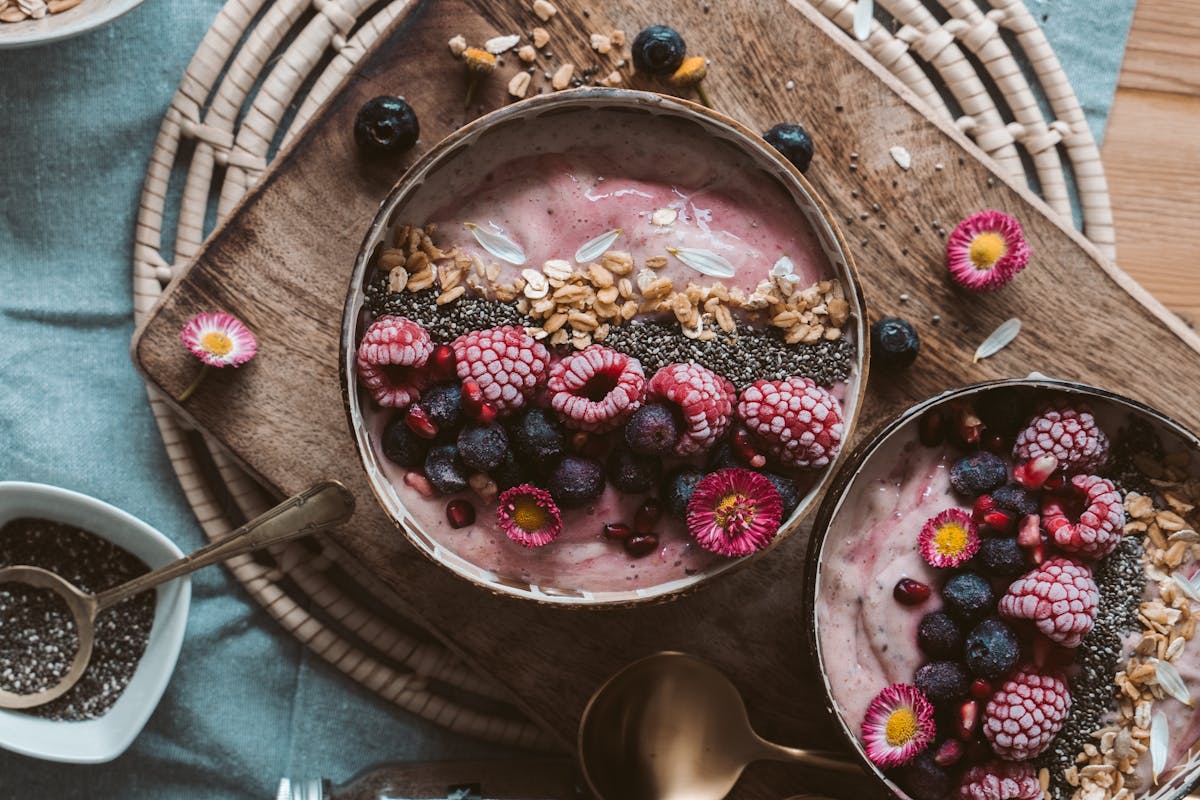
- Smoothie bowl: Pour into a shallow bowl and top with sliced fruit, toasted seeds, and a sprinkle of granola for extra crunch.
- Breakfast pairing: Enjoy alongside a slice of whole‑grain toast with avocado, or a soft‑boiled egg if you eat eggs, for extra protein and staying power.
- Afternoon pick‑me‑up: Sip slowly with a handful of nuts or roasted chickpeas for a satisfying snack that won’t send your blood sugar on a roller coaster.
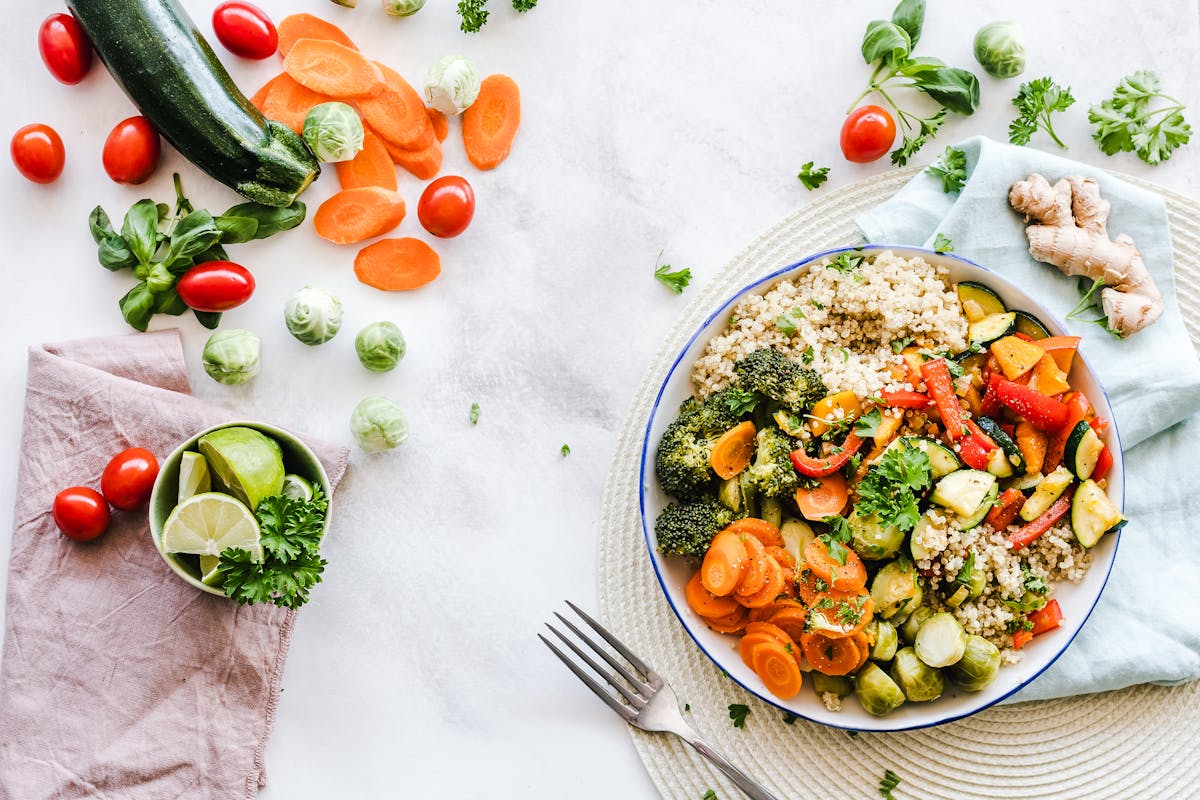
- Light dinner: Pair with a hearty salad—think quinoa, roasted veggies, and a tangy lemon‑tahini dressing—for a nourishing, plant‑forward meal.
Choosing Quality Sea Moss, Adaptogens & Greens Powders
With so many glossy jars on the market, shopping can feel overwhelming. A few practical guidelines help you bring home products that are as safe as they are photogenic.
- Check sourcing: Look for brands that state where their sea moss and mushrooms are harvested and how they test for heavy metals and contaminants.
- Third‑party testing: Certifications like NSF, USP, or independent lab testing reports are a good sign for supplements and powders.
- Short, understandable ingredient lists: Ideally, you can recognize most ingredients—sea moss, spirulina, kale, reishi—rather than a long list of fillers and “proprietary blends.”
- Clear dosing guidelines: Quality products specify serving sizes, nutrient levels (especially iodine), and any cautions.
- Evidence‑based claims: Be wary of words like “miracle,” “cure,” or “instant detox.” Look for brands that speak realistically about potential benefits.
Bringing It All Together in Your Own Kitchen
Sea moss, adaptogens, and greens powders can absolutely have a place in a vibrant, modern kitchen—especially if you love experimenting with new textures, earthy aromas, and colorful drinks that feel like a treat. When you pair them with whole, everyday foods and a little common‑sense skepticism about the hype, they become what they’re meant to be: small, pleasurable rituals that support the bigger picture of your health.
Start with something simple—like the creamy smoothie above—listen to how your body feels, and remember: the most powerful “super‑food” is the pattern of what you eat, drink, and enjoy day after day.
