
Sundance Heads to Boulder: How the 2027 Festival Is About to Rewrite the Indie Film Map
Sundance is officially coming to Boulder, Colorado in 2027, turning the college town into the next big hub for indie cinema and reshaping how fans, filmmakers, and the industry experience the festival circuit.
Sundance in Boulder 2027: Why This Move Matters
Sundance confirming its 2027 dates in Boulder — January 21–31 — isn’t just a calendar note, it’s a cultural pivot. For decades, Park City has been shorthand for snow, ski jackets, and bidding wars. Now, Boulder and the University of Colorado (CU) are stepping in as host, with official venues including Boulder High School Auditorium, Boulder Theater, and spaces across the CU campus.
The move signals how film festivals are adapting: spreading beyond a single resort town into college cities with built-in audiences, strong arts communities, and serious tech and startup ecosystems. It’s indie film meets mountain-hipster academia — with a lot of industry money watching closely.
From Park City to the Front Range: Context for the Sundance Shift
Historically, the Sundance Film Festival has been synonymous with Park City, Utah. Since the 1980s, it has helped launch careers (Quentin Tarantino, Ryan Coogler, Dee Rees), crown breakout hits (Reservoir Dogs, Little Miss Sunshine, Get Out), and shape what “indie” even means.
In recent years, though, Sundance has had to negotiate streaming wars, pandemic-era hybrid models, and debates over how inclusive and accessible a ski-town festival can be. Taking a major edition to Boulder in 2027 sits right in that tension: preserving the mountain-town mystique but plugging into a more walkable, youthful, and university-driven environment.
“Festivals can’t just be destinations anymore; they have to be ecosystems — places where local communities and global film culture actually intersect.”
— A frequent refrain from festival strategists, echoed across recent coverage of Sundance’s evolution
2027 Sundance Boulder Details: Dates, Venues, and Footprint
According to Axios and festival communications, the 2027 Sundance Boulder edition is scheduled for:
- Dates: January 21–31, 2027
- Location: Boulder, Colorado, with a major presence on and around the CU Boulder campus
- Core focus: Feature and documentary premieres, shorts, panels, and live events similar to the Park City slate
Officially named venues so far include:
- Boulder High School Auditorium – a large-capacity community hub for marquee premieres
- Boulder Theater – a historic downtown cinema and concert venue ripe for red carpets
- CU Boulder spaces – university auditoriums, arts buildings, and lecture halls for screenings and Q&As
The CU partnership also opens the door for daytime industry sessions, masterclasses, and student-focused programming, something Sundance has been increasingly vocal about in its mission to nurture the “next wave” of filmmakers.
Why Boulder Makes Sense for an Indie Film Festival
Boulder’s selection is not as random as it might seem on first glance. The city sits at a cultural intersection: outdoors-obsessed, tech-friendly, and heavily driven by university life and research. That’s a rich setting for contemporary indie cinema, which is often obsessed with climate, identity, technology, and community.
CU Boulder also has an established film studies program and a student population that’s accustomed to campus events, visiting artists, and activist screenings. Sundance can plug into that infrastructure instead of parachuting into a town with less year-round arts activity.
Industry Impact: What Boulder 2027 Means for Filmmakers and Buyers
The film industry will mainly care about one thing: does Sundance Boulder still function as a launchpad? If distributors, streamers, and awards campaigns show up in force, the zip code matters less than the energy in the rooms.
A Boulder edition could actually ease some long-standing pressure points from Park City:
- Access and affordability: A college town may offer relatively more flexible lodging and infrastructure than a resort driven by ski tourism.
- Audience diversity: Students, faculty, and local communities can create more varied, less purely industry-heavy crowds.
- Convergent culture: Tech, science, and environmental research at CU could influence panels, VR showcases, and doc conversations.
“The real question isn’t where Sundance is, but whether it remains the place where movies go from whispers to must-see events in a weekend.”
— Common sentiment among critics following the festival’s recent hybrid experiments

For filmmakers, the Boulder edition likely won’t change the essentials: you still want a primetime slot, buzzy word-of-mouth, and a strong press narrative. But the city’s vibe — more coffee shops than ski chalets — could subtly reshape how those conversations happen.
Local Community Effects: Traffic, Tourism, and Cultural Capital
For Boulder residents, Sundance is both an opportunity and a test of patience. Ten days of screenings and events means:
- Tourism spike: Hotels, restaurants, and transit will see a noticeable bump in January, typically a quieter travel month.
- Traffic and congestion: Downtown and CU-adjacent neighborhoods will need careful crowd and parking management.
- Cultural visibility: Local filmmakers, arts orgs, and students gain access to global talent and media attention at their doorstep.
Already, some civic leaders and arts groups are framing the 2027 edition as a long-term investment in Boulder’s cultural profile rather than a one-off spectacle. The question is whether the festival infrastructure leaves behind lasting partnerships, internships, and education programs.
How Boulder Fits into the Global Festival Ecosystem
In the global festival landscape, Sundance now has to compete not only with Cannes, Venice, and Berlin, but also with Toronto, SXSW, and regional upstarts that offer strong lineups without the altitude headaches.
Boulder offers Sundance a few strategic advantages:
- North American convenience: Easier for many U.S. and Canadian attendees than European festivals.
- Academic partnerships: Potential collaborations with CU on labs, research, and experimental storytelling.
- Thematic alignment: The city’s climate and sustainability focus pairs well with environmental docs and science-based storytelling.
Whether Boulder becomes a recurring chapter in the Sundance story or a notable one-off may depend on how compelling that alignment looks — to studios, to filmmakers, and to audiences who now expect hybrid access as well.
How to Experience Sundance Boulder 2027: On the Ground and Online
Sundance has leaned into hybrid formats since 2021, and it’s reasonable to expect Boulder 2027 to retain some mix of in-person premieres and online screenings. That’s especially crucial for accessibility and for audiences who can’t realistically make it to Colorado in January.
If trends from recent years hold, prospective attendees should:
- Follow the official festival site and Sundance IMDb event page for lineup and ticket announcements.
- Expect tiered passes (in-person, online, or mixed) with limited individual ticket options for hot titles.
- Plan for early-morning ticket drops and fast sellouts on high-profile premieres.
- Look for student discounts or campus-only events if you’re affiliated with CU Boulder.

Strengths and Weaknesses of the Boulder 2027 Plan
Even before the first slate is announced, you can sketch out the likely pros and cons of Sundance’s Boulder edition.
Potential Strengths
- Fresh energy: New venues and a younger, campus-heavy crowd could give premieres a different kind of buzz.
- Deeper engagement: Easier integration with academic programs, labs, and workshops.
- Logistical flexibility: A grid-based town and campus infrastructure may be easier to navigate than a ski resort during peak season.
Potential Weaknesses
- Brand dissonance: For some, “Sundance” still feels like Park City; Boulder may take time to feel canonical.
- Capacity stress: Housing, transit, and venue demand could stretch local systems in the first year.
- Weather and altitude: Boulder is still high-altitude winter — slightly less intense than Park City, but not exactly Palm Springs.
Conclusion: A New Chapter for Sundance and for Boulder
Sundance’s 2027 Boulder edition looks less like a novelty and more like a test case: can a legacy festival successfully graft itself onto a college city and still feel like the nerve center of independent film?
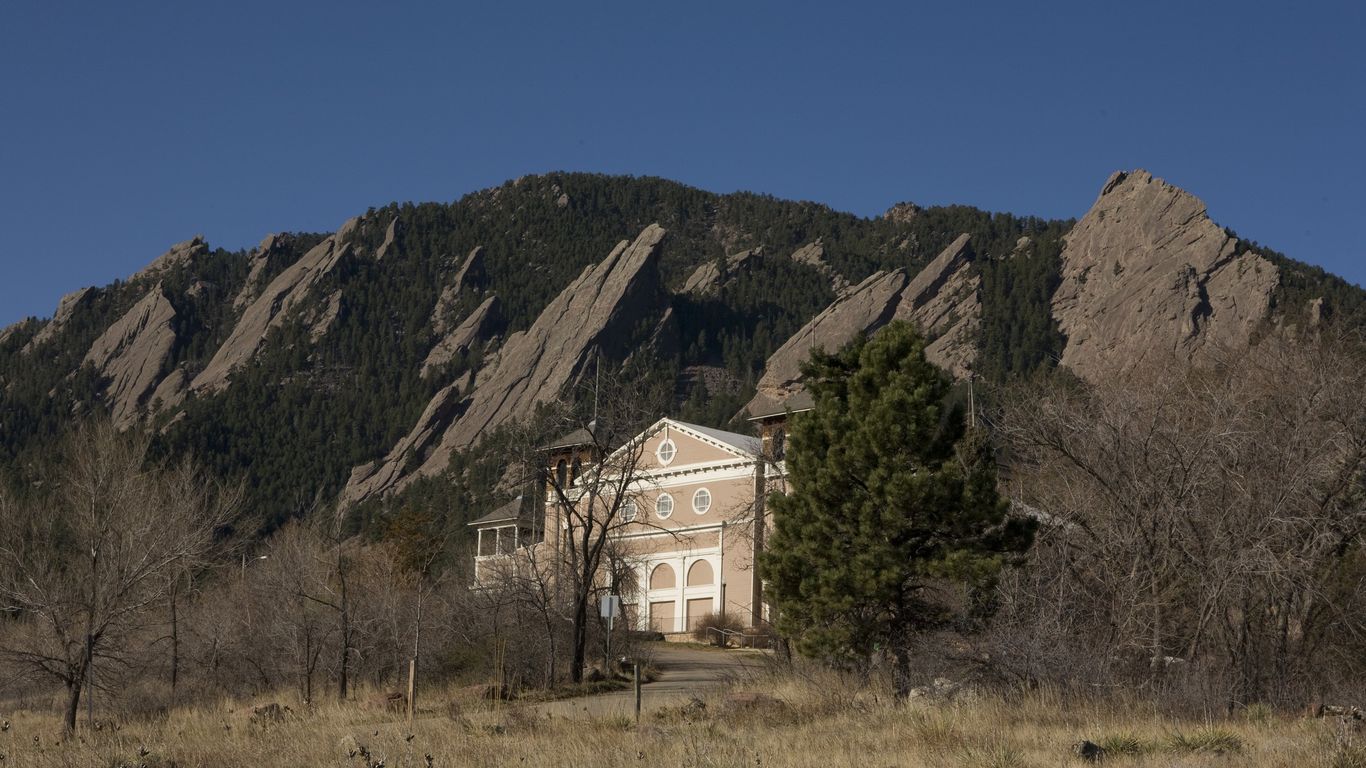
If it works, Boulder could become a recurring fixture in the festival’s calendar — a place where new voices debut against the backdrop of the Flatirons instead of ski lifts. If it stumbles, the lesson will be just as revealing: that even in an era of streaming and hybrid access, geography and atmosphere still matter.
For now, mark January 21–31, 2027. Whether you’re a filmmaker, a student, or just someone who loves discovering the kind of movie people won’t stop talking about a year later, Boulder is about to become a very interesting place to be.
