Snooki’s Cervical Cancer Reveal: How a Reality Star Turned a TikTok Confession into a Health Wake-Up Call
Nicole “Snooki” Polizzi, the breakout star of MTV’s Jersey Shore, has revealed she’s been diagnosed with stage 1 cervical cancer following a cone biopsy, sharing the news directly with fans in a TikTok video. It’s a striking moment where early-2010s reality TV nostalgia collides with 2020s health awareness culture — and it may end up being one of the most impactful things she’s ever done in the public eye.
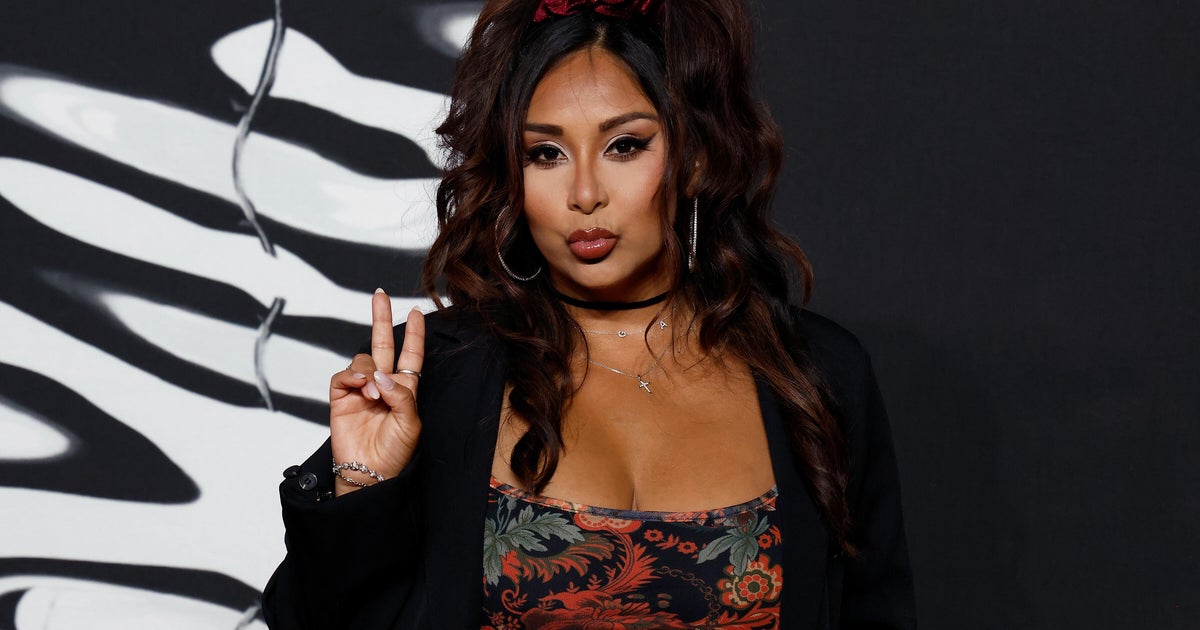
From Seaside Heights to a Hospital Room: How Snooki Shared Her Diagnosis
The announcement came not through a polished press release or a glossy magazine feature, but via TikTok — the same platform where Polizzi usually posts chaotic mom content, nostalgia snippets, and reality TV commentary. In the video, she explains that a post-op appointment following a cone biopsy confirmed stage 1 cervical cancer.
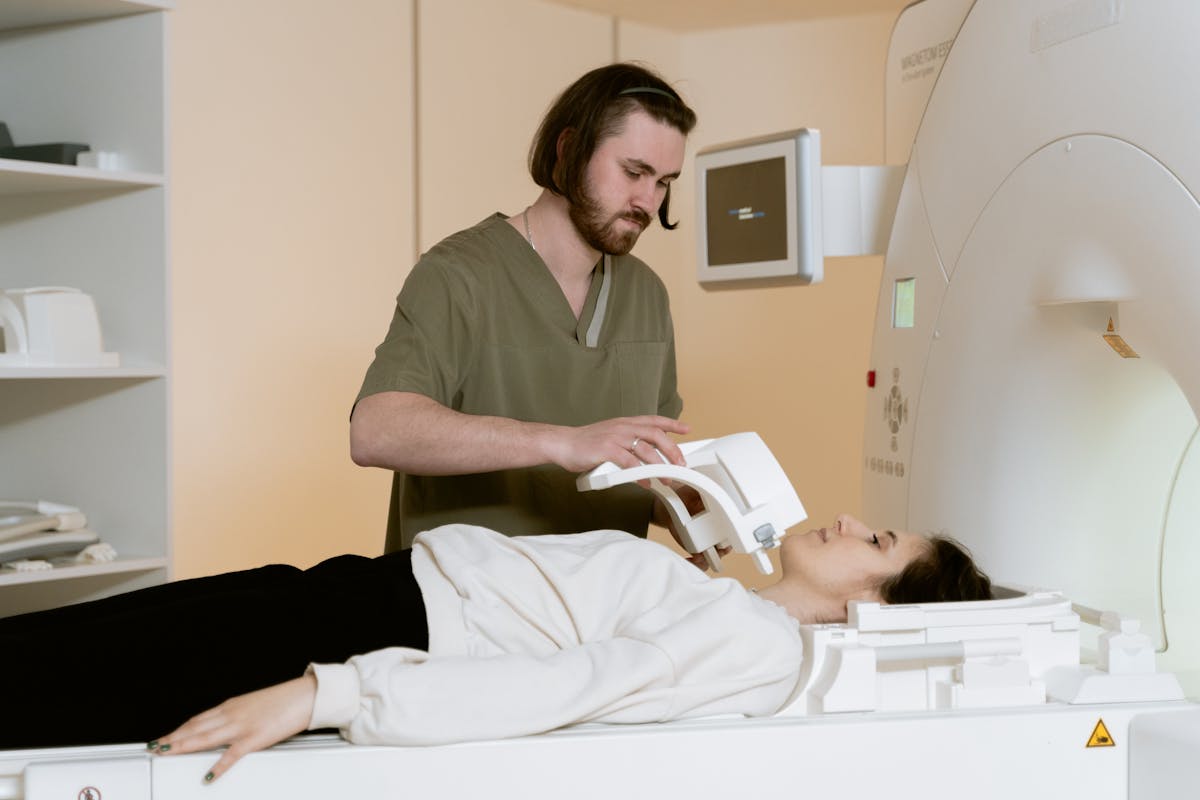
That detail matters. A cone biopsy is typically performed after abnormal cervical screening results. In other words, this wasn’t a random discovery — it was caught because screening worked as designed. In a media landscape where “reality stars” are often treated as caricatures, Polizzi instead became something like a case study in why routine gynecological care and follow-ups matter.
“I’m sharing this because if I can remind even one of you to keep up with your appointments and not ignore your body, it’s worth it.”
Whether you watched Jersey Shore religiously or only know Snooki as a cultural meme, the shift from club lights to clinic fluorescents is stark — and that contrast is precisely what makes this story resonate beyond celebrity news.
Understanding Stage 1 Cervical Cancer: Why Early Screening Is Crucial
Cervical cancer, most often linked to persistent infection with high-risk strains of the human papillomavirus (HPV), is uniquely positioned among cancers: modern medicine actually has strong tools for both prevention and early detection.
- Stage 1 generally means the cancer is confined to the cervix.
- Screening with Pap tests and HPV testing can catch abnormal cells before they become cancer or identify cancers early.
- HPV vaccination dramatically reduces the risk of developing cervical and other HPV-related cancers.
Polizzi’s situation appears to be a textbook example of the system doing what it’s supposed to do: detect changes early enough that there are meaningful options and a realistic path to recovery. It also highlights a quieter reality-TV-era truth — many of the people who defined 2010s “party culture” TV are now navigating midlife health care like everyone else.
Reality TV, Vulnerability, and the New Rules of Celebrity Health Disclosures
Celebrity health announcements are their own media genre now, somewhere between public service and personal branding. From Chadwick Boseman’s private battle with colon cancer to Christina Applegate’s openness about multiple sclerosis, audiences increasingly expect stars to narrate their own medical stories — or at least address them.
For someone like Snooki, whose fame was built on being radically unfiltered in front of cameras for MTV, TikTok is simply the 2020s extension of that persona. But the tone is different: less chaos, more candor.
- Platform choice: TikTok emphasizes immediacy and intimacy, shrinking the distance between celebrity and fan.
- Audience evolution: The original Jersey Shore viewers are now in their late 20s to 40s — the exact demographic that needs to hear reminders about regular screenings.
- Message shift: From “Gym, Tan, Laundry” to “Get Checked, Follow Up, Ask Questions.”
As one entertainment critic noted, “The same stars who once sold nightlife fantasy now end up modeling something more radical — ordinary adulthood, with all its medical paperwork and fear.”

The “Jersey Shore” Legacy Meets a New Kind of Public Story
Jersey Shore was once shorthand for excess: hard partying, hook-ups, and GTL as life philosophy. Over the years, its cast has evolved in full view — marriages, kids, breakups, brand deals, and the inevitable reboot Jersey Shore: Family Vacation. Polizzi has long since shifted from punchline to something closer to elder stateswoman of reality TV, with a side career in podcasts and hosting gigs.
Her cancer announcement adds another layer to the franchise’s long arc: we are now watching the health narratives of the same people we once watched doing Jell-O shots in Seaside Heights. There’s something almost anthropological about that continuity — the way a certain era of American pop culture keeps aging in real time alongside its audience.

Public Response, Media Framing, and the Limits of Celebrity Health Narratives
There’s a temptation to turn any celebrity illness into a neat narrative arc: diagnosis, courage, awareness, inspiration. The reality is messier, and it’s worth acknowledging both the upsides and the blind spots of how this story is being told.
What the coverage gets right
- Emphasis on early detection: Outlets like CBS News have foregrounded the fact that this is stage 1, reinforcing the value of screening and follow-up care.
- Respectful tone: Most reporting has avoided sensationalizing the diagnosis, treating it as serious but not voyeuristic.
- Platform amplification: By embedding or referencing her TikTok, coverage keeps her in control of the core narrative.
Where it can fall short
- Limited systemic context: There’s less focus on access to gynecological care and HPV vaccination disparities, especially for those without celebrity-level resources.
- Parasocial framing: Some discourse leans heavily into fandom language (“our girl,” “we grew up with her”) that can blur the line between empathy and entitlement to personal details.

Beyond the Headlines: What Viewers Can Actually Do
If Snooki’s diagnosis is going to mean more than a fleeting trending topic, it has to translate into action. That doesn’t mean posting a performative hashtag; it means engaging with the very unglamorous logistics of preventive care.
- Check your screening schedule. If you have a cervix, talk to your health care provider about when your next Pap or HPV test is due.
- Ask about HPV vaccination. Vaccines are recommended up to age 26 in most cases, with some patients eligible through 45; your provider can give guidance.
- Don’t ignore follow-ups. If you get an abnormal result, follow-up tests like colposcopy or biopsy can feel intimidating but are critical.
- Share responsibly. If you post about Polizzi’s story, focus on credible links and avoid spreading speculation about her treatment or prognosis.

A New Chapter for Snooki — and a Cultural Check-In for the Rest of Us
That Nicole Polizzi — once the avatar of carefree, chaotic nightlife — is now talking candidly about stage 1 cervical cancer says as much about our culture as it does about her. Reality stars grew up, their viewers grew up, and the stakes of “sharing everything” have shifted from roommate drama to medical updates.
If there’s a silver lining to this moment, it’s that a woman who helped define an era of pop culture may now help normalize something far more useful: regular screenings, open conversations about HPV, and a refusal to treat gynecologic health as taboo. The most on-brand response, for anyone who once quoted Jersey Shore unironically, might be surprisingly simple — channel that energy into a reminder to yourself or someone you love to call their doctor.
Polizzi’s story is still unfolding, and she’s entitled to decide how much more of it she wants to share. But for now, she’s turned a personal diagnosis into a public nudge — not for sympathy, but for vigilance.