
Shockwaves In NXT: New WWE NXT Champion Crowned After Oba Femi Vacates Title
A Sudden Vacancy, A New King: Why the Latest NXT Title Change Matters
In a dramatic shake-up for WWE’s developmental brand, a new NXT Champion has been crowned after Oba Femi shockingly vacated the title at New Year’s Evil. Moments like this are more than just a new name on the belt—they reset the power structure of WWE NXT and hint at what the company really wants its next generation of main-event stars to look like.
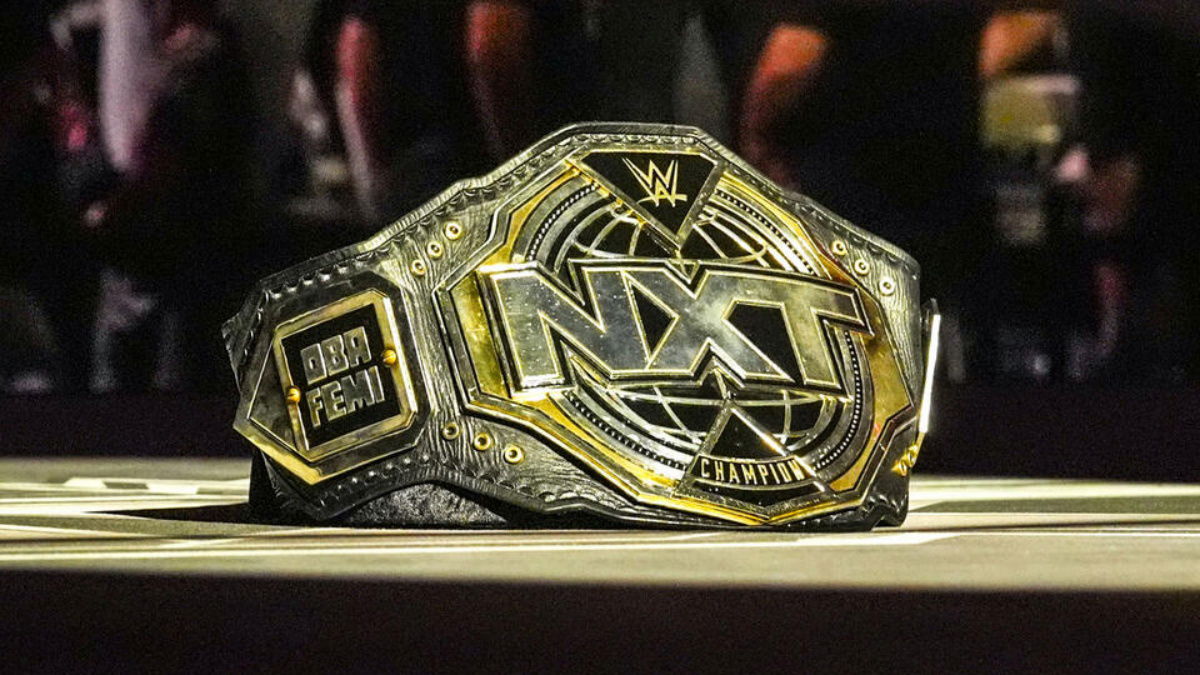
Setting the Stage: Oba Femi’s Meteoric Rise and Abrupt Exit
To understand why this title change hits so hard, you have to start with Oba Femi. In NXT’s ongoing experiment of blending super-athletes with seasoned indie standouts, Femi quickly stood out as a throwback monster champion: imposing size, explosive power, and a presentation that screamed “future main roster project.”
At NXT New Year’s Evil, Femi defeated Leon Slater, then the TNA X-Division Champion, in a crossover bout that blurred the lines between WWE and TNA in a way that would’ve been unthinkable a decade ago. That win was framed as a statement: NXT doesn’t just develop stars; it can hang with—and dominate—other promotions’ champions.
Which is why his decision to vacate the NXT Championship so soon after felt less like a standard wrestling angle and more like NXT slamming a reset button. Whether the move was storyline-driven, injury-related, or part of a larger creative shuffle, the effect is the same: a power vacuum at the very top of the brand.
Meet the New WWE NXT Champion
With Oba Femi out of the picture, NXT wasted no time installing a new standard bearer. The vacant title storyline allowed WWE to showcase multiple core members of the NXT roster in high-stakes matches, culminating in the crowning of a new champion who clearly fits the brand’s current philosophy: athletic, TV-ready, and crossover-friendly.
From a booking perspective, the decision to go with a fresh champion rather than rebooting Femi’s reign signals that NXT wants mobility at the top. Instead of a long-term monster heel championship run, they’re leaning into volatility: more opportunities for different wrestlers to be tested in the main event spotlight.

“The NXT Championship is the ultimate test for anyone who believes they’re ready to carry a brand. You don’t just win a title here; you audition for the future of WWE.”
Inside the Crowning Moment: How NXT Framed the New Era
NXT’s handling of the vacant title situation leaned into sports-drama pacing: tournament-style matches, multi-man encounters, and promo segments built around pressure and opportunity. It’s a formula familiar to longtime fans, but one that still works when executed with energy and stakes.
- In-ring style: The championship match leaned heavily on NXT’s modern identity—fast pace, big near-falls, and a blend of indie-inspired sequences with WWE’s trademark production polish.
- Storytelling beats: The focus was less on long-term blood feuds and more on who could rise to the occasion. That’s consistent with a “vacant title” narrative, where the belt itself becomes the main character.
- Production & atmosphere: As usual, the NXT crowd did a lot of heavy lifting. The Performance Center/arena environment might be smaller than Raw or SmackDown, but the sound mix and camera work help amplify the sense that every title change is a major moment.
Where This Fits in WWE’s Bigger Picture
NXT is no longer the pure “super indie” it was in the mid-2010s, nor is it just a color-splashed developmental show. Instead, it’s a hybrid: a TV product that must hold its own against AEW and other wrestling content while still feeding talent upward to Raw and SmackDown.
Oba Femi’s reign and the subsequent vacancy underline three clear strategic trends:
- Rapid elevation of prospects: NXT is willing to put major titles on relatively inexperienced names if they fit WWE’s long-term profile.
- Cross-promotional optics: Using TNA’s Leon Slater gave Femi—and by extension, NXT—an aura of dominance beyond WWE’s own sandbox.
- Fluidity over stability: Instead of establishing a multi-year “final boss,” NXT seems more interested in rotating champions to stress-test who can connect consistently with TV audiences.

As one TV critic recently put it, “NXT feels like a test lab where nothing is permanent—talent, titles, and even alliances can change within a few tapings, for better or worse.”
Strengths, Weaknesses & Fan Reception
The latest NXT Championship transition isn’t just a storyline beat; it’s a microcosm of what fans praise and critique about modern NXT.
What’s Working
- Spotlight for new talent: Vacating the title created a natural excuse to highlight several wrestlers who might otherwise sit just below the main event tier.
- Unpredictability: Title changes caused by real or storyline circumstances keep the show feeling alive and less formulaic.
- Brand synergy: The echoes of TNA involvement help make NXT feel plugged into a larger wrestling ecosystem, even if crossovers remain carefully curated.
Where It Falters
- Emotional investment risk: If champions don’t get long enough runs, some viewers struggle to emotionally invest in them as true brand cornerstones.
- Story whiplash: Rapid shifts—vacancies, call-ups, sudden character turns—can make NXT feel chaotic rather than tightly written.
- Comparisons to the past: Fans nostalgic for the black-and-gold era often measure current title scenes against the days of Ciampa, Gargano, and Cole, which can overshadow what today’s roster is actually doing well.

How to Watch, Follow, and Dive Deeper
If you’re curious to see how the new NXT Champion carries the brand—and how the rest of the roster responds—there are a few key places to keep an eye on.
- Weekly TV: WWE NXT on USA Network (and on Peacock/WWE Network the next day) is where the new champion’s reign will truly be defined.
- Official profiles: Check the champion’s roster page on WWE.com for updated stats, videos, and storyline recaps.
- Match history & credits: For a more archival view of title matches and careers, browse NXT-related listings on IMDb’s WWE section.
- News & analysis: Outlets like WrestleTalk and Wrestling Observer/F4W provide ongoing coverage, backstage context, and critical takes on NXT booking decisions.

What This NXT Title Change Tells Us About Tomorrow’s WWE
Oba Femi vacating the NXT Championship at New Year’s Evil and the crowning of a new champion aren’t just isolated booking moves—they’re snapshots of WWE’s broader talent philosophy. NXT is doubling down on fluidity, experimentation, and the idea that any given episode could quietly launch the next major WrestleMania headliner.
If you’ve drifted away from NXT since its black-and-gold heyday, this latest title shake-up is as good an excuse as any to check back in. The faces may be new, the presentation a little different, but the core promise is the same: you’re watching the rehearsal for WWE’s future, live and in real time.
