Seven pieces of good news you might have missed this week
This week quietly brought a series of hopeful developments: new evidence that many cancers are preventable, a surge in African solar power, renewed momentum for global tax fairness, and a fragile but vital lifeline reopening in Rafah for Palestinians in Gaza. None of these stories erase the difficult headlines you may be seeing—but together, they show that, even in hard times, people and communities are still pushing for solutions that matter.
Below is a round‑up of what went right this week, why it matters, and how you can turn these global shifts into practical, hopeful action in your own life.
1. A third of cancer cases may be preventable
New global analyses released this week suggest that around one in three cancer cases could be considered “avoidable” because they are linked to modifiable risk factors such as tobacco use, alcohol, poor diet, obesity, and certain infections. That does not mean individuals are to blame; cancer is complex, and many cases occur with no clear cause. But it does mean that public‑health measures and personal choices can meaningfully reduce overall risk.
“When we say a cancer is avoidable, we’re talking about population‑level risk, not individual fault. The big wins come from smoke‑free policies, vaccination, and making healthy choices easier—not from blaming patients.”
— Public health oncologist, summarising current evidence
Large epidemiological studies over the past decade—many synthesised by bodies such as the World Health Organization and national cancer institutes—have consistently found that:
- Tobacco remains the single biggest avoidable cause of cancer worldwide.
- Vaccines like HPV and hepatitis B can prevent infection‑related cancers.
- Maintaining a healthy weight, staying active, and moderating alcohol intake all contribute to reduced lifetime risk.
None of these steps can guarantee that someone will never develop cancer, and some people with extremely healthy lifestyles are still affected. But at a population level, the data show that these measures collectively prevent many cases.

2. Africa is powering ahead on solar energy
Across Africa, solar power capacity is growing faster than many analysts predicted a few years ago. From large‑scale solar farms to community micro‑grids and rooftop panels, countries are using abundant sunshine to expand access to electricity while limiting emissions.
Recent project announcements and tracking by international energy agencies highlight:
- New utility‑scale solar parks in North and Southern Africa that will power hundreds of thousands of homes.
- Off‑grid solar kits bringing first‑time electricity access to rural households.
- Innovative pay‑as‑you‑go models that lower upfront costs for families and small businesses.
“Africa’s solar growth is not only about climate—it’s about reliable power for clinics, schools, and entrepreneurs who can’t wait for the grid to reach them.”
— Energy access researcher, summarising regional trends
In practical terms, this means:
- Fewer blackouts and more stable power for hospitals and health centres.
- New income opportunities, from solar installation jobs to businesses that can finally run refrigeration or machinery.
- Reduced reliance on diesel generators, which are costly and polluting.
3. The push for global tax justice gathered pace
Efforts to make the global tax system fairer—especially for low‑ and middle‑income countries—advanced this week, with renewed discussions at international forums about how to curb aggressive tax avoidance and ensure multinational companies pay a reasonable share where they operate.
While negotiations are complex and often slow, the direction of travel is encouraging:
- More countries are calling for greater transparency on where large corporations book their profits.
- There is growing recognition that tax rules should better reflect digital and cross‑border business models.
- Civil‑society groups are keeping pressure on policymakers to close loopholes that drain public budgets.
“Fairer international tax rules could unlock billions for schools, hospitals, and climate resilience in countries that currently lose out.”
— Policy analyst specialising in international taxation
This is not a quick fix; changes must be carefully designed and agreed between many governments. But the fact that tax justice is firmly on the global agenda is a positive step for long‑term inequality reduction and sustainable development.
4. Rafah’s reopening offered a fragile lifeline for Palestinians in Gaza
The Rafah border crossing between Gaza and Egypt reopened this week, at least partially, after a prolonged closure. For many Palestinians waiting to leave for urgent medical care, family reunification, or safety, this step provided a lifeline—though one marked by uncertainty and concern about how long access will last and who will be allowed through.
Humanitarian organisations have emphasised that:
- Reopening border crossings can help patients reach hospitals that are better equipped to provide specialist care.
- Safe, predictable passage is critical for aid workers and supplies.
- Any progress remains fragile without a durable political solution and respect for international humanitarian law.
5. More quiet wins you may not have seen
Alongside the headline stories, smaller but meaningful developments also took place around the world. Individually they may seem modest; together they reflect a steady undercurrent of problem‑solving and compassion.
- Local climate adaptation projects received new funding—from urban tree‑planting to flood‑resilience schemes—helping communities prepare for more extreme weather.
- Mental health initiatives expanded digital support services, making it easier for people to access counselling and peer support without long waits.
- Grassroots community groups continued to run food co‑ops, repair cafés, and mutual‑aid networks that quietly strengthen social ties.
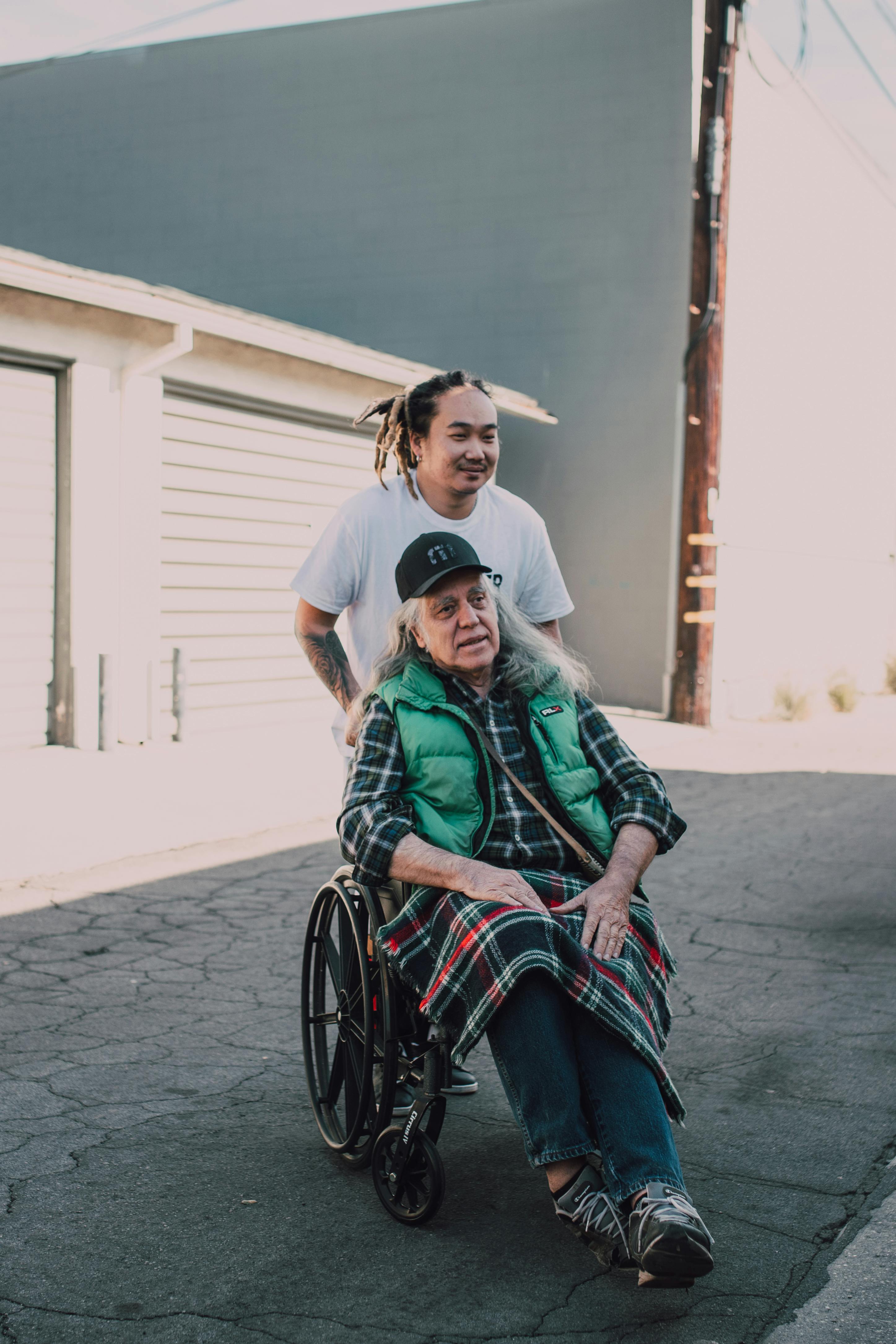
In my own work with community projects, I’ve seen how small, consistent efforts—like a weekly shared meal or a neighbour‑run childcare swap—can dramatically change how supported people feel. These stories don’t always trend online, but they often have the most tangible impact.
6. Making good news useful: overcoming common obstacles
It’s normal to feel that hopeful stories clash with the scale of global crises. Many people worry that focusing on positive news means minimising suffering or “looking away.” In reality, balanced awareness can help you stay engaged without burning out.
Three common obstacles—and ways to navigate them:
- “Good news feels trivial compared with wars or disasters.”
Try seeing positive developments as proof that solutions are possible, not as a distraction. Use them to guide your choices about where to donate, volunteer, or advocate. - “I feel guilty feeling hopeful when others are suffering.”
Hope and empathy can coexist. Allowing yourself to notice progress can actually strengthen your capacity to show up for others over the long term. - “I don’t know what to do with this information.”
Turn each story into a specific action: support a relevant charity, contact a representative about a policy, or make one small lifestyle change aligned with the evidence.

7. Turning this week’s good news into your own next steps
The stories from this week—about preventable cancers, expanding solar power in Africa, growing tax‑justice efforts, and a fragile lifeline reopening at Rafah—don’t cancel out the world’s pain. But they do remind us that progress is possible, and that countless people are working, often quietly, to make life fairer, safer, and healthier.
Here are a few gentle, realistic actions you might take:
- Book any overdue health checks or screenings, and talk to a professional about realistic ways to lower your own risk factors.
- Explore whether your home, workplace, or community could shift a little more toward clean energy or energy efficiency.
- Learn about one organisation working on tax fairness, humanitarian relief, or climate adaptation, and consider supporting them.
- Schedule a “good news check‑in” once a week—five minutes to notice progress as well as problems.
You don’t have to do everything. Choose one step that feels manageable this week. Progress—whether personal or global—almost always starts with small, consistent moves in a hopeful direction.