
“Scream 7” Shatters Franchise Preview Record With $7.5M: What Its Killer Opening Means for the Box Office
“Scream 7” Slashes a Franchise Preview Record: Why a $7.5M Start Matters
Scream 7 has slashed its way to a franchise-best $7.5 million in Thursday previews, signaling both a major win for Paramount and Spyglass and a strong start for the 2026 box office. This record-setting launch positions the latest Ghostface outing as a key test of modern horror’s staying power and the enduring appeal of legacy franchises in a crowded, IP-obsessed marketplace.
Coming off Paramount’s headline-making status as lead bidder for Warner Bros. Discovery, the studio is riding a rare double high: corporate chess moves in the boardroom and a bona fide genre event in theaters. For horror fans and industry watchers alike, Scream 7 isn’t just another slasher sequel—it’s a referendum on whether legacy horror can keep reinventing itself without bleeding out creatively or commercially.

Box Office Breakdown: How Big Is a $7.5M Preview for “Scream 7”?
In the current theatrical climate, $7.5M in Thursday previews for a horror sequel is not just “good”—it’s genuinely muscular. Preview numbers are the industry’s first real evidence of audience urgency, and Scream 7 just posted the strongest early turnout in the franchise’s three-decade history.
Where It Stands in the Franchise
- Scream (1996): Opened modestly and legged out over weeks; the “preview culture” we have now barely existed.
- Scream (2022): Reported previews in the mid–$3M range, part of a $30M+ debut.
- Scream VI (2023): Generated franchise-best previews at the time (around $5.7M) and opened to the high $30Ms domestically.
- Scream 7 (2026): Now sets a new high-water mark with $7.5M in previews.
Historically, robust horror previews often translate to front‑loaded but healthy opening weekends. A rough rule of thumb: a successful horror title can do 3–4x its Thursday number by Sunday. That math suggests Scream 7 is easily pacing toward the upper tier of franchise openings, potentially flirting with or surpassing the series’ domestic debut record.
Why “Scream 7” Matters Now: Horror, IP, and Paramount’s Big Week
The timing of Scream 7’s record previews is almost suspiciously cinematic. On the same day Deadline reports Paramount as the lead bidder for Warner Bros. Discovery, the studio drops numbers that remind Wall Street and fans alike: yes, Paramount can still open a movie.
Horror has quietly become the most dependable box office genre, a Swiss Army knife for studios: relatively low budgets, high social buzz, and a built-in “event” feel for younger audiences who want that communal, jump-scare experience. The Scream franchise sits at the crossroads of:
- Nostalgia IP: A 90s-born franchise that still means something to multiple generations.
- Meta storytelling: Movies that comment on their own existence as movies—now doubling as commentary on franchise-ification itself.
- Youth casting strategy: Rotating ensembles of rising stars who energize social media and TikTok chatter.
“It’s always someone you know.”
That iconic line from the original Scream hits differently in 2026, when audiences “know” franchises intimately—and can sniff out when a sequel is just cashing checks. The strong preview turnout suggests that, at least for now, viewers still trust Ghostface to deliver something worth leaving the couch for.
Creative Direction: Can “Scream 7” Keep the Meta Magic Alive?
One of the enduring tricks of the Scream franchise has been its ability to pivot: from 90s slasher deconstruction to millennial sequel commentary, to Gen‑Z reboot culture and true crime obsessions. Each new entry rewrites the “rules” of horror movies while following just enough of them to stay satisfying.
By the time a horror franchise hits part seven, the danger is less Ghostface and more self-parody. The question for Scream 7 is whether it leans into that risk as part of its meta-text—or accidentally becomes the very kind of overextended sequel earlier films mocked.
What Fans Are Watching For
- New rules for survival: Every major entry has updated “the rules” for horror and sequels. In 2026, that might mean skewering AI, algorithmic content, or franchise reboots that never end.
- Legacy vs. new blood: Balancing returning favorites with fresh faces has become a narrative and marketing hallmark of modern horror IP.
- Social-media-age paranoia: The series has increasingly engaged with online culture; audiences expect commentary on virality, stan culture, and digital anonymity.
“You can’t reboot the past without spilling a little fresh blood.”
Lines like that—half cynical, half playful—capture why Scream still resonates. The films are in conversation not just with horror history, but with the audience’s awareness of how franchises actually work.
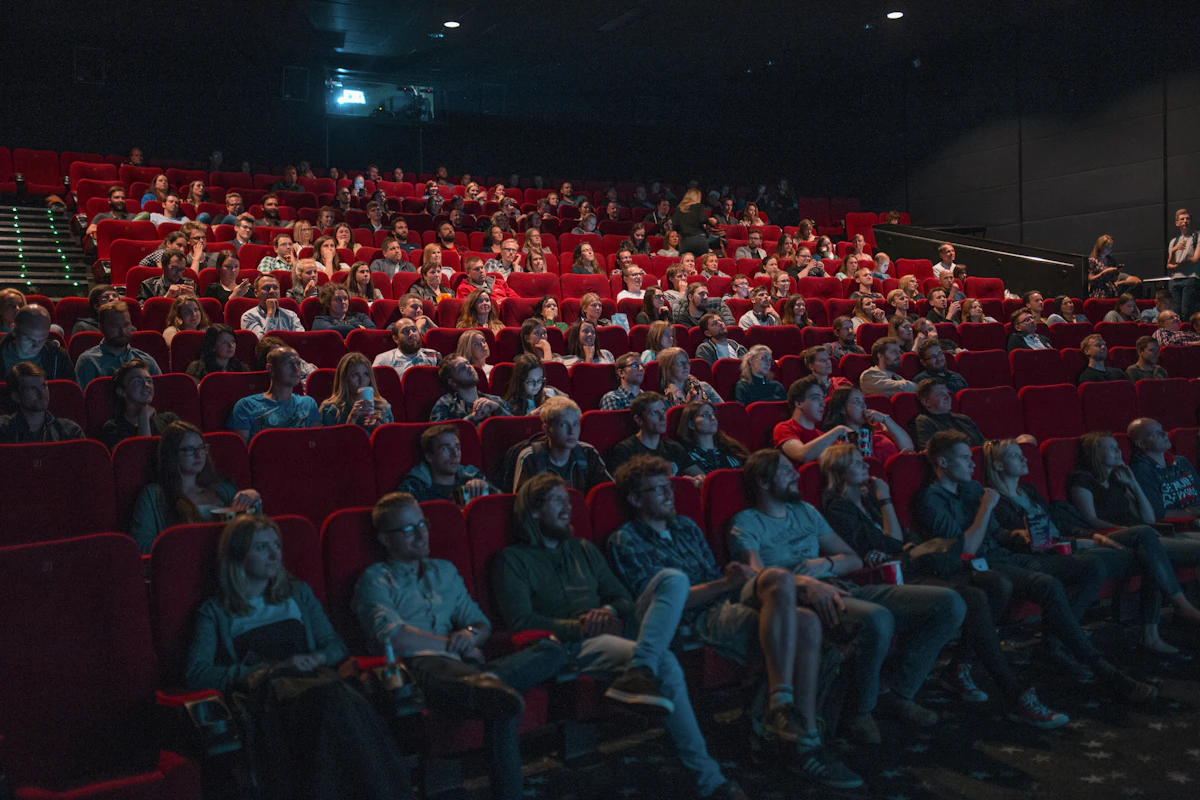
Industry Impact: What “Scream 7” Signals for Theatrical Horror
The record preview performance of Scream 7 arrives at a moment when studios are still recalibrating theatrical strategy after years of pandemic disruption and streaming churn. Horror, along with event animation and superhero films, has been carrying more than its share of the load.
Several industry implications flow from this opening:
- IP stamina: When a seventh entry can set franchise records, studios notice. Expect renewed interest in legacy horror brands with recognizable masks, monsters, or mythology.
- Release-date strategy: A strong preview turnout suggests that Scream 7 landed on a relatively uncluttered weekend with room to dominate.
- Mid-budget confidence: The success of horror sequels supports a slate strategy that doesn’t rely entirely on $200M tentpoles.

Early Read: Strengths, Weak Spots, and Audience Buzz
With only preview numbers and early reactions in play, the full critical verdict on Scream 7 is still forming. But even at this stage, certain patterns tend to show up for late-franchise horror:
Likely Strengths
- Instant brand recognition: Ghostface is now as iconic as any modern horror figure—mask, voice, and phone call included.
- Built-in fan discourse: Scream movies are built to be argued about: who guessed the killer, whose death hit hardest, which meta lines landed.
- Event energy: Strong previews usually mean the marketing connected—trailers, posters, and social campaigns hit the right tone.
Potential Weaknesses
- Sequel fatigue: Some portion of the audience is inevitably asking if there’s anything left to say.
- Continuity overload: Keeping track of lore across seven films can be alienating for casual viewers.
- Expectation inflation: A record-breaking preview sets a high bar for word-of-mouth and second-weekend holds.
“Horror fans have long memories but short patience. If you don’t surprise them, they move on.”
That dynamic is exactly why Scream 7’s opening is so closely watched: the franchise has made a brand out of surprise, but surprise gets harder with every new installment.

Watch the “Scream 7” Trailer and Dig Deeper
For a fuller sense of the film’s tone and new setting, the official trailer is essential viewing. It teases fresh kills, updated “rules,” and a Ghostface that feels more physical and relentless than ever.
You can also track cast, crew, and critical scores as they update on:

Final Cut: A Killer Start and the Future of Ghostface
With $7.5 million in previews, Scream 7 has already made a loud statement: Ghostface isn’t just alive; the franchise is thriving at a scale that would’ve sounded improbable back in 1996. The opening underscores how deeply horror is woven into the modern theatrical ecosystem—part nostalgia machine, part innovation lab, part communal thrill ride.
Whether Scream 7 ultimately lands as a top‑tier entry or a stylish curio in a long‑running saga, its early box office strength will echo beyond this weekend. For Paramount and Spyglass, it’s a proof of concept. For the industry, it’s a reminder that audiences will still show up—if you give them something sharp, self‑aware, and just dangerous enough to feel new.
The only real question now is one the series has been dancing around for decades: how many times can you pick up the phone before the call finally goes dead?
