
Scientists Grew Human Brain Cells in Rats—What They Discovered Next Will Challenge What You Think About the Mind
Human Brain Cells in Rats: A Breakthrough That’s As Unsettling as It Is Powerful
Imagine looking at a rat and knowing that part of its brain is made of human cells—cells that grew in a lab, wired themselves into its nervous system, and helped shape how it behaves. That is no longer science fiction. Researchers have, for the first time, implanted lab-grown human brain organoids into rat brains and watched them connect to the animals’ blood supply, tap into their neural circuits, and alter their behavior in measurable ways.
This kind of science can feel both awe‑inspiring and deeply unsettling. On one hand, it opens doors to understanding conditions like autism, epilepsy, or schizophrenia in ways we simply never could before. On the other hand, it forces us to ask hard questions: When does an animal with human brain tissue become something ethically different? How far is too far?

What Exactly Did Scientists Do—and Why Does It Matter?
The core experiment involved transplanting human brain organoids—tiny, lab-grown clusters of brain cells derived from human stem cells—into rat embryos. As the rats developed, the human organoids:
- Integrated with the rats’ blood supply, receiving oxygen and nutrients like native tissue.
- Formed functional synapses, the connections neurons use to communicate.
- Linked up with the rats’ sensory and motor circuits.
- Contributed to observable changes in behavior as the animals matured.
The “strange” part, scientifically speaking, isn’t that the cells survived. It’s that they participated in the rats’ mental lives—responding to stimuli, shaping how the animals perceived and interacted with the world.
“The striking thing is not just that the human organoids stayed alive, but that they wired into the host brain and influenced behavior. That marks a qualitative shift in what brain chimeras can do.”
— Neuroscientist commenting on organoid–animal integration
How Do You Grow Human Brain Cells and Put Them Into a Rat?
The process is complex, but it follows a logical sequence grounded in stem cell biology and developmental neuroscience.
- Starting with stem cells
Scientists begin with human induced pluripotent stem cells (iPSCs), often created from skin or blood cells that are “reprogrammed” back into an embryonic-like state. - Guiding them into brain tissue
By adjusting growth factors and nutrients, they coax these stem cells to become neural cells. Over weeks, the cells self-organize into organoids that resemble early brain regions. - Transplanting into rat embryos
Instead of adding organoids to adult rats, researchers place them into developing rat brains—typically in embryos or very young pups. This increases the odds of stable integration. - Connecting to blood and nerves
As the rat’s brain and blood vessels grow, they infiltrate the organoid, providing circulation and allowing the human cells to hook into existing neural circuits. - Testing behavior and brain activity
Later, scientists track how the animal behaves and record neural activity to see whether human cells are participating in sensory processing, learning, or movement.
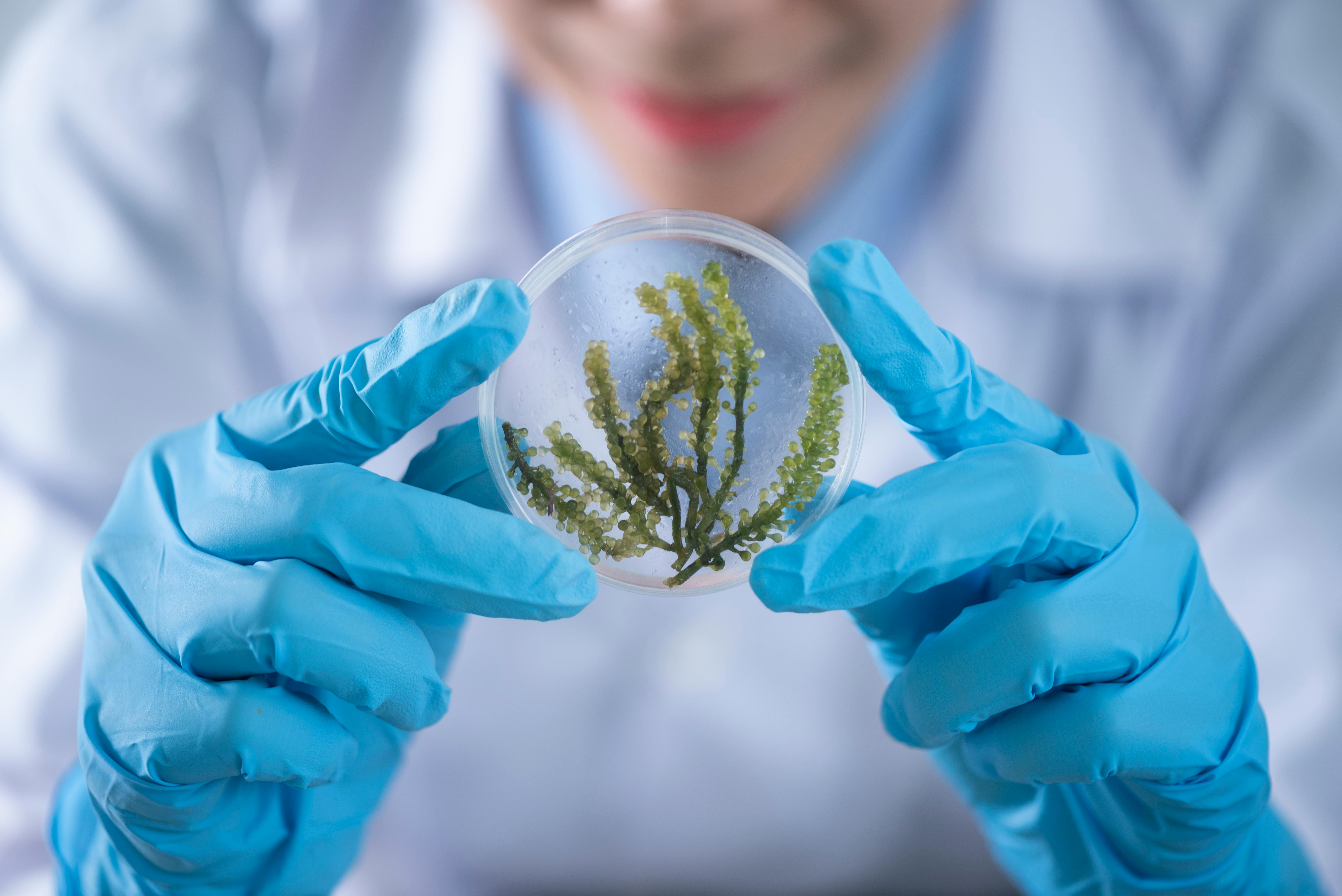
Technically, this builds on decades of work in neural transplantation and chimeric models. What’s new is the scale and sophistication of human tissue integration—and the fact that these cells can now shape complex behavior, not just survive.
The “Strange” Part: How Did the Rats’ Behavior Change?
While each study has its own design, the headline finding is that rats with human brain organoids didn’t just look normal—they acted differently in specific tasks. In broad terms, researchers observed:
- Altered sensory responses – Some rats responded differently to touch or visual cues, suggesting that human cells were involved in processing incoming information.
- Changes in learning or memory tasks – In maze-like tests or reward-based tasks, organoid-bearing rats sometimes showed enhanced or altered learning curves.
- Distinct neural signatures – Brain recordings showed activity patterns linked specifically to regions containing human cells.

At this stage, there is no credible evidence that these rats are “part human” in any psychological sense. Their capacities remain within the spectrum of rodent behavior. But the fact that human tissue can drive functional output in an animal brain is a profound step.
Why Are Scientists Doing This? Potential Benefits for Brain Health
The motivation isn’t shock value; it’s about solving problems that devastate real people and their families. Human brain cells in living animals offer a bridge between simple cell cultures and the complexity of the human brain.
Potential benefits include:
- Better models of human brain disorders
Many conditions—such as autism, schizophrenia, epilepsy, or rare genetic syndromes—are uniquely human and don’t show up clearly in standard animal models. Human organoid–rat chimeras can carry human-specific genetic changes in a functioning brain environment. - Testing drugs in more realistic systems
Instead of relying solely on rodent cells, researchers can see how human neurons in a living brain respond to candidate medications, possibly flagging toxicity or ineffectiveness earlier. - Understanding early brain development
Organoids mimic early developmental stages. When placed into a growing brain, they can reveal how human circuits form, migrate, and connect—and what goes wrong in developmental disorders. - Exploring recovery after injury
In the future, refined organoid implants might help us learn how to rebuild damaged brain regions after stroke or trauma, though this remains speculative.
“For families living with severe neurological disorders, progress has been painfully slow. Organoid–animal models won’t be a miracle cure, but they are among the most promising tools we have for finally understanding what’s happening at a cellular level.”
— Clinician–scientist specializing in neurodevelopmental disorders
The Ethical Tightrope: Where Do We Draw the Line?
Whenever human cells enter animal brains—especially cells capable of complex activity—ethics move from background to center stage. International bioethics groups, including those advising the ISSCR and various national academies, have been actively debating these issues.
Key ethical questions include:
- Animal welfare: Could human cells increase an animal’s capacity to suffer or change its emotional life in ways we don’t detect?
- Identity and moral status: If an animal’s cognition were significantly enhanced, would it deserve stronger protections?
- Limits on brain development: Should there be caps on how large or complex human organoids in animals are allowed to become?
- Public trust: How can researchers communicate honestly about what they are doing without sensationalizing or minimizing risks?

Many countries already require special review for human–animal chimera research. Oversight committees can:
- Review whether animal suffering is minimized and justified.
- Assess if the scientific goals truly require chimeric models.
- Limit experiments that risk creating significantly enhanced cognitive capacities.
A Real-World Case Study: From Petri Dish to Rat Behavior
To understand what this looks like in practice, consider a composite example based on recent organoid–rat studies.
A research team working on a rare genetic epilepsy first created brain organoids from patients’ own cells. These mini-brains showed abnormal, hyperactive electrical firing in the dish—consistent with seizures. But the scientists needed to know how these cells behaved in the context of a full nervous system.
They transplanted the patient-derived organoids into rat embryos. Months later, they found:
- The human cells had integrated into specific cortical circuits.
- Rats with these grafts showed brief, seizure-like events on EEG that matched the organoids’ abnormal firing patterns.
- When the team tested a new anti-seizure compound, it reduced abnormal activity in both the organoids and the rats’ networks.
This doesn’t mean a cure was in hand, but it provided an unusually direct link between a patient’s cells, an animal model, and a candidate therapy—something that traditional rodent genetics alone often cannot deliver.
Risks, Limits, and Misconceptions
The public discussion around “human brain cells in animals” can quickly veer into dystopian territory. It’s important to separate realistic concerns from science-fiction fears.
What the research does not do (based on current evidence)
- It does not create human-like consciousness or self-awareness in rats.
- It does not produce animals that “think like humans.” Their cognition remains fundamentally rodent.
- It does not transfer memories, personality, or identity from any individual person.
Real risks and challenges
- Unintended suffering: Subtle changes in anxiety, pain perception, or stress might be hard to detect but ethically significant.
- Overselling benefits: Hyping organoids as near-term cures can mislead patients and families looking for hope.
- Regulatory gaps: Different countries have inconsistent rules, making it easier to bypass stricter oversight.
- Data interpretation: Human cells in a rat environment don’t behave exactly as they would in a human brain, so results require caution.
How You Can Stay Informed and Think Critically About This Research
You don’t need a PhD to follow this field thoughtfully. A few practical steps can help you stay grounded as headlines about “human cells in animals” become more frequent.
- Check the source
Look for coverage from reputable science or medical outlets and, when possible, follow links to the original peer‑reviewed studies. - Look for limitations, not just breakthroughs
Responsible reporting will highlight what the study cannot yet tell us and where the authors themselves call for caution. - Pay attention to ethics sections
Many journals now include explicit ethics statements and oversight details. These are worth reading, not skipping. - Balance hope with timelines
Even spectacular lab findings often take 10–20 years, if ever, to translate into approved therapies. - Engage in public dialogue
Community forums, patient advocacy groups, and public consultations increasingly shape research policies. Your voice can matter.

Science Snapshot: What We Know So Far
While individual studies differ in detail, current evidence as of early 2026 supports a few clear points:
- Human brain organoids can survive long‑term in rat brains when transplanted early in development.
- These organoids receive blood supply and form functional synaptic connections with host neurons.
- They can influence rat behavior in specific, measurable ways, particularly in sensory processing and learning tasks.
- No study has demonstrated human‑like consciousness or globally enhanced intelligence in these animals.
- Ethical oversight frameworks exist but are still catching up with rapid technical progress.
For readers interested in digging deeper, look for work published in high‑profile journals in neuroscience and stem cell research, and policy statements from bodies such as the International Society for Stem Cell Research (ISSCR) and national academies of sciences.
Looking Ahead: Power, Responsibility, and the Future of the Brain
Growing human brain cells in rats—and watching them shape behavior—forces us to confront what we value most about minds, identity, and the boundaries between species. It is both a powerful scientific tool and a mirror held up to our ethics.
If you feel a mix of curiosity and discomfort reading about this, you’re not alone. Those emotions are a sign that you’re taking the implications seriously. The challenge for all of us—scientists, ethicists, patients, and the broader public—is to harness this technology in ways that genuinely reduce suffering while respecting the moral weight of what we’re doing.
Your next step:
- Share this topic with someone and talk through your reactions.
- Follow one trusted science outlet or newsletter that regularly covers neuroscience and bioethics.
- If neurological disease affects your family, ask your clinician how organoid research might relate to studies in your condition.
The story of human brain organoids in rats is just beginning. Staying informed—and thoughtfully engaged—means you help shape how that story unfolds.
