Royal Reckoning: How King Charles’s Epstein Comments Put Fresh Heat on Prince Andrew
The Epstein scandal has returned to the centre of British public life, as King Charles expresses “profound concern” and signals his willingness to support police inquiries that could once again place Prince Andrew under intense scrutiny. For a monarchy already trying to modernise its image and navigate health worries, this moment feels like a collision of old‑world privilege with 21st‑century accountability.
Why King Charles’s Epstein Intervention Matters Now
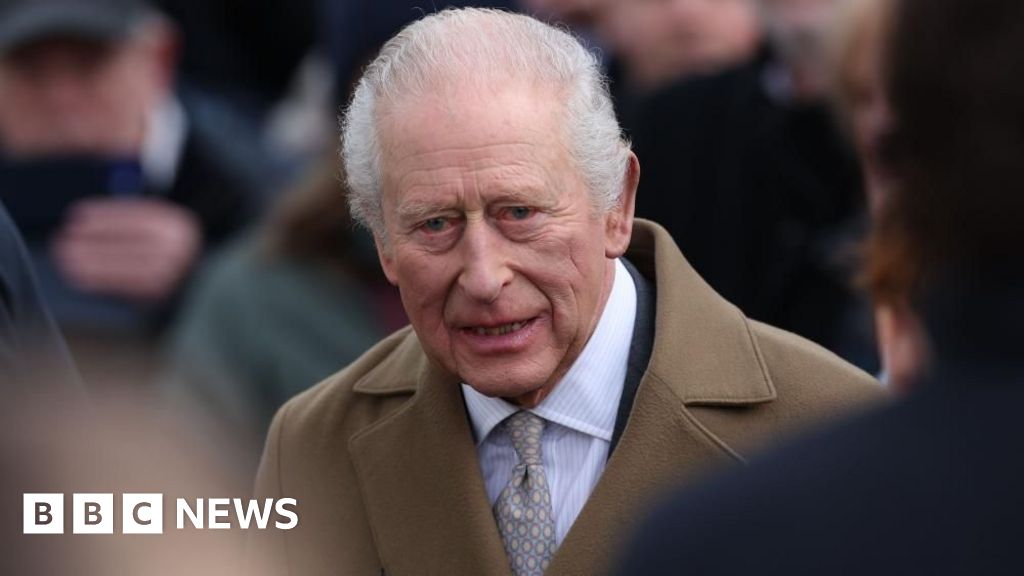
King Charles has made his first substantive intervention in the Epstein saga, signalling through palace sources a “profound concern” over the allegations surrounding Prince Andrew and a willingness to co‑operate should UK police reopen or expand their inquiries. This is not just another royal headline; it’s a constitutional and cultural moment where the institution of the monarchy brushes against modern expectations of transparency and justice.
The latest focus is on reports that Prince Andrew allegedly shared official documents from his then‑special adviser, Amit Patel, with Jeffrey Epstein within minutes of receiving them back in November 2010. At a minimum, it raises sharp questions about judgment, boundaries, and the way royal access was being traded — or at least perceived to be.
From “Randy Andy” to Royal Pariah: A Quick Background
To understand why this latest development is so charged, you have to trace Prince Andrew’s transformation from the tabloids’ swashbuckling “Randy Andy” of the 1980s to a semi‑exiled figure whose public role has all but vanished.
- 1990s–2000s: Andrew serves as a trade envoy, leveraging royal status to court global business and political figures.
- Late 2000s: His friendship with financier Jeffrey Epstein raises eyebrows, but little public consequence follows at first.
- 2010: After Epstein’s conviction in the US, Andrew continues contact, including the now‑infamous New York visit.
- 2019: His Newsnight interview about Epstein becomes a cultural shorthand for tone‑deaf crisis management.
- 2022: Andrew settles a civil case in the US, maintains his denial of wrongdoing, and retreats from official royal duties.
Where earlier royal crises could slowly fade, Andrew’s ties to Epstein live on permanently across clips, podcasts, and investigative reporting. That’s the backdrop against which King Charles’s current stance is being read.
The Police Dimension: What Are Officers Reportedly Looking At?
UK police have previously reviewed aspects of the Epstein allegations and declined to proceed with full criminal investigations in Britain, citing jurisdiction and evidential thresholds. Now, fresh claims about Andrew’s conduct — including the apparent sharing of official trip reports with Epstein in 2010 — are prompting calls for another look.
If officers proceed, they are likely to weigh:
- Whether any UK laws were potentially engaged by the way information was shared or relationships managed.
- The authenticity and chain of custody of any documents or messages reportedly forwarded to Epstein.
- The broader pattern of contact between Andrew and Epstein post‑conviction, particularly after November 2010.
- New witness testimony or digital evidence emerging from US investigations and civil cases.
“If there is credible new material, the expectation in 2026 is that no one — royal or otherwise — should be beyond basic investigative scrutiny.”
— UK legal commentator speaking on a recent news broadcast
None of this means charges are imminent or even likely. But the optics of police “considering” claims involving a senior royal are, in themselves, culturally significant — especially with the King publicly signalling a willingness to assist.
King Charles’s “Profound Concern”: Palace Strategy or Personal Line in the Sand?
Reports describe King Charles as having a “profound concern” about the allegations surrounding his brother and the wider Epstein network. That language matters. Royal communications are famously cautious; adjectives are chosen like chess moves.
Read between the lines, and three goals seem clear:
- Institutional distancing: Reinforcing that Andrew’s choices are personal misjudgments, not sanctioned by the Crown.
- Signalling cooperation: Framing the monarchy as aligned with law enforcement, not obstructing it.
- Reputation triage: Protecting the long‑term viability of the institution, even if it means keeping Andrew firmly on the sidelines.
“The King has been consistent that, where appropriate, there should be full cooperation with the relevant authorities.”
— Palace source quoted in UK press coverage
This is not quite the bare‑knuckle approach some critics want — there is no public call for a new inquiry from the King himself. But compared with the hush‑hush approach of earlier decades, it’s still a marked evolution in how the royals play a scandal.

Royal Scandal as Pop Culture: How the Story Plays on Screens and Social Media
These days, royal scandals don’t just live in newspaper columns; they’re binge‑watched, live‑tweeted, and re‑cut into TikToks. The ongoing fallout around Andrew and Epstein has effectively become a sub‑genre of modern true‑crime and prestige‑TV culture.
Social platforms have also shifted the dynamics. Where past generations might have simply accepted official palace statements, today’s audiences cross‑reference timelines, pull court filings, and circulate interviews in real time. The infamous Newsnight segment, for instance, is now a meme, a cautionary PR case study, and a cultural milestone in how institutions misjudge public sentiment.

A Balancing Act: Accountability, Fair Process, and Public Opinion
Any fair analysis has to hold two thoughts at once: the public’s demand for accountability and the legal system’s need for due process. Much of the commentary around Andrew has blurred the line between moral judgment and legal responsibility.
From a critical standpoint, several tensions stand out:
- The optics of privilege: Many observers feel Andrew’s status insulated him from the level of legal exposure most people would face under similar scrutiny.
- The evolving role of the Crown: A modern constitutional monarchy is expected to be symbolically above reproach, even when individual royals are not.
- The question of redemption: With Andrew out of public life, there’s an open debate about whether there is any realistic path back — or if this is a permanent exile.
“The public isn’t just asking whether laws were broken. They’re asking whether the moral standard for public life has finally caught up with the realities of elite power.”
— Cultural critic on a UK current affairs programme
King Charles’s posture — respectful of process, verbally aligned with investigators, but still careful not to pre‑judge — feels like an attempt to walk that tightrope. It won’t satisfy everyone, but it does reflect a monarchy that understands it is being watched with a more sceptical, global eye than ever before.
Where to Follow the Story: Official Sources and Reputable Coverage
For those who want to move beyond social‑media hot takes, a few reliable starting points include:
- Official royal communications via The Royal Family’s website, which posts statements and updates on royal roles.
- In‑depth reporting and analysis from established outlets such as BBC News and other major UK news organisations.
- Background on Prince Andrew’s public life and past roles on his IMDb profile and related documentary listings, for those interested in how the story is depicted on screen.

What This Moment Says About the Future of the Monarchy
The implications of King Charles’s stance go beyond one scandal. They point to a monarchy that knows its survival depends on appearing aligned with the values of a more transparent, less deferential Britain. Public “profound concern” and stated willingness to assist investigations are, in that sense, as much about the Crown’s future as they are about Andrew’s past.
Whether police ultimately decide to deepen their inquiries or not, the cultural verdict is already clear: royal titles no longer offer the protective bubble they once did in the court of public opinion. The real test, over the coming years, will be whether this moment marks a lasting shift in how power, privilege, and justice intersect at the very top of British society.