
Reclaim Your Nights: How to Stop Revenge Bedtime Procrastination Without Losing “Me Time”
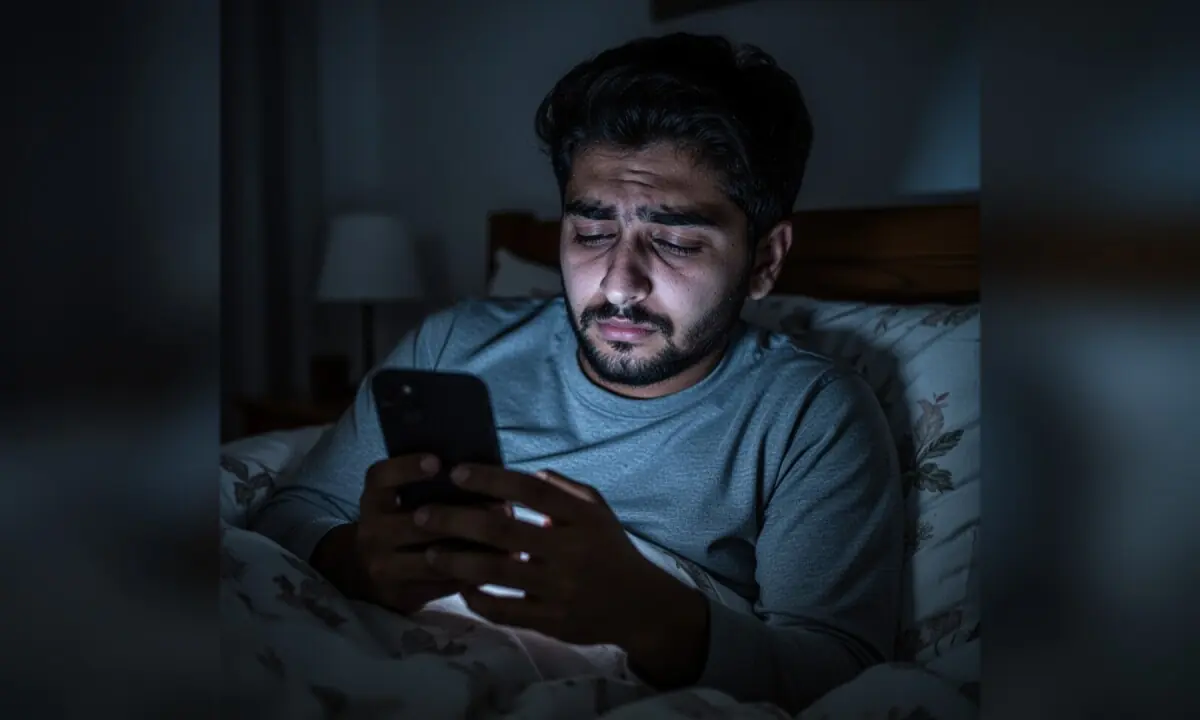
Many people stay up late scrolling or streaming, not because they’re not tired, but because those late hours feel like the only time they truly own. If you’ve ever looked at the clock, seen 1:30am, and still thought, “Just one more episode—I deserve this,” you’re not alone. This pattern has a name: revenge bedtime procrastination.
For final‑year medical student Mohammad Daniyal Shahid, whose day is buried in exam prep and clinical duties, the glow of his phone often marks the first time he isn’t answering to patients, professors, or family. Those late‑night hours feel like freedom—until the morning alarm rings and the cycle of exhaustion begins again.
In this guide, we’ll unpack why revenge bedtime procrastination happens, what science says about its effects, and how you can gently shift your nights without giving up the “me time” that keeps you sane.
What Is Revenge Bedtime Procrastination?
Revenge bedtime procrastination is when you deliberately delay going to sleep—even though you’re tired and know you’ll pay for it the next day—to squeeze in personal time you missed during a busy day.
- You’re aware you should sleep soon.
- You have no external reason (like emergencies) to stay up.
- You stay awake anyway, usually for leisure or “me time.”
“People often sacrifice sleep to reclaim a sense of control over their day. It’s less about laziness and more about unmet emotional needs.”
— Clinical psychologist summarizing current sleep research trends
The “revenge” part reflects a subtle pushback against long work hours, academic pressure, caregiving duties, or rigid schedules. Night becomes the only negotiable territory.
Signs You Might Be Stuck in the Cycle
If you’re wondering whether your late nights are simple habit or revenge bedtime procrastination, look for patterns like these:
- You feel a surge of “fake energy” at night. You’re wiped at 8pm, but somehow alert at midnight when you open your phone or laptop.
- You tell yourself “just 10 more minutes.” Those 10 minutes regularly turn into an hour or more.
- You resent your daytime obligations. Work, studies, or caregiving leave you feeling you have no time for yourself.
- You feel guilty but still keep doing it. Each morning you promise to sleep earlier; each night you break that promise.
- Your sleep debt is building. You feel tired, irritable, or foggy most days, yet the pattern continues.
For Daniyal, the pattern looked like this: studying until 11pm, telling himself he’d sleep “right after a quick scroll,” and finally crashing at 2–3am, only to wake up at 7am for hospital rounds.
Why We Sabotage Our Own Sleep: The Psychology Behind It
Sleep researchers and psychologists point to a mix of factors that drive revenge bedtime procrastination:
- Perceived loss of control.
If your day is tightly scheduled or emotionally draining, staying up feels like choosing something for yourself. - Instant gratification vs. future self.
Our brains naturally prioritize rewards we can enjoy now (a show, a game, a chat) over abstract future benefits (feeling fresh tomorrow). - Stress and emotional overload.
High stress makes it harder to wind down. Leisure activities help you decompress—but bright screens and stimulating content delay sleep further. - Social and cultural pressure.
Hyper‑productivity culture often glorifies “hustle,” making daytime rest feel “unearned” and pushing fun into the late night. - Chronotype (natural sleep timing).
Some people are naturally more alert in the evening (“night owls”), which can amplify the pull of late‑night activities.

How Late Nights Quietly Affect Your Health and Productivity
Missing sleep once in a while is usually manageable. The problem is when revenge bedtime procrastination becomes a nightly pattern. Research over the past decade has linked chronic sleep restriction to:
- Impaired concentration and memory—which is especially tough for students and professionals in high‑stakes roles.
- Increased stress reactivity—your body releases more cortisol, making you feel more on edge.
- Lower mood and greater anxiety risk—poor sleep is a known contributor to depression and anxiety symptoms.
- Metabolic changes—over time, short sleep is associated with weight gain, insulin resistance, and higher risk of type 2 diabetes.
- Immune function dips—your body’s repair processes and immune system rely heavily on consistent, adequate sleep.
“Adults generally need about 7–9 hours of sleep per night. Consistently getting less than that can impact mental sharpness, mood, and long‑term health.”
— Consensus of major sleep foundations and medical guidelines
For Daniyal, the consequences showed up subtly at first: rereading the same textbook paragraph several times, snapping at friends, and needing more caffeine than ever. Only later did he notice how his late‑night “freedom” was shrinking his actual capacity to enjoy the day.
You Don’t Need to Lose “Me Time” to Fix This
A common fear is: “If I sleep earlier, I’ll have no life outside work or study.” That’s understandable—and important to acknowledge.
The goal is not to strip away your me time. It’s to:
- Protect your sleep and
- Design me time that actually restores you, instead of leaving you more exhausted.
When Daniyal started experimenting with earlier wind‑down routines, he didn’t give up his favorite shows altogether. Instead, he shifted when and how he watched and combined them with calming rituals that made sleep more inviting.
Step‑by‑Step: How to Gently Break the Revenge Bedtime Procrastination Cycle
You don’t have to overhaul your nights overnight. Small, consistent shifts are far more sustainable. Here’s a structured approach:
1. Name What You’re Really Craving
Ask yourself, on a few different nights:
- “What need am I trying to meet right now?” (Freedom, fun, quiet, connection, numbing out?)
- “How did today make me feel deprived of that?”
Once you know the real need, it’s easier to meet it more effectively—often in ways that don’t require sacrificing hours of sleep.
2. Shrink the Gap, Don’t Chase “Perfect” Sleep
If you currently fall asleep around 2am, aiming for 10pm overnight will probably fail. Instead:
- Move your target bedtime earlier by 15–20 minutes every few nights.
- Set a gentle reminder 30–45 minutes before your new target bedtime as a cue to start winding down.
This gradual approach respects your current rhythm and reduces resistance.
3. Design an Intentional “Me Time” Ritual
Decide in advance what your late‑evening me time will look like, and for how long. For example:
- 20 minutes of your favorite show (with an episode limit).
- 15 minutes of reading for pleasure, not work or study.
- 10 minutes of journaling, drawing, or a hobby that feels nourishing.
Put a clear “end point” on this ritual (e.g., an alarm, playlist that ends, or the end of one episode). Planning ahead makes it easier to stop than deciding in the heat of the moment.
4. Tame the Phone and Screen Trap
Phones are engineered to steal attention, especially when you’re tired. A few practical boundaries:
- Use app limits or “downtime” modes for social media after a set time.
- Charge your phone away from your bed if possible—out of reach means out of mind.
- Switch screens to night mode and dim brightness at least an hour before sleep.
- Pick one low‑stimulus activity (like reading or gentle stretching) as your last 20–30 minutes before bed.
5. Make Mornings a Little Kinder
If your mornings are harsh and rushed, night will naturally feel more attractive. Try:
- Preparing clothes, bags, or breakfast the night before.
- Building in a 5–10 minute morning ritual you enjoy (music, stretching, a quiet cup of coffee).
- Keeping your wake‑up time consistent—even on weekends—within about an hour’s range.
6. Add Micro “Me Time” Into Your Day
If you only ever feel free after midnight, the real fix is to sprinkle small moments of autonomy into your day:
- 5‑minute breaks between tasks with no phone—just breathing, stretching, or looking outside.
- Short walks without multitasking.
- Intentional pauses to enjoy meals instead of always eating while working.
These small doses won’t replace nighttime entirely, but they reduce the sense of deprivation that fuels revenge.
7. When to Seek Professional Support
Consider talking to a healthcare provider or mental health professional if:
- You regularly get less than 5–6 hours of sleep and can’t shift the pattern on your own.
- You have symptoms like loud snoring, gasping at night, or extreme daytime sleepiness.
- Low mood, anxiety, or burnout are significant and persistent.
Sometimes revenge bedtime procrastination overlaps with conditions like insomnia, anxiety disorders, ADHD, or depression, and targeted treatment can help.
A Real‑Life Shift: Daniyal’s Story
When exam pressure peaked, Daniyal was sleeping around 4–5 hours a night. He knew it wasn’t sustainable, but the idea of giving up his only free time felt unbearable.
Instead of forcing a 10pm bedtime, he tried a three‑week experiment:
- Week 1: Set a 1:30am “lights‑out” instead of 2–3am. From 12:30–1:15am, he watched one episode of a show, phone on “Do Not Disturb.”
- Week 2: Moved lights‑out to 1:00am. Kept the same show ritual but started it at 11:45pm. Added 5 minutes of stretching before bed.
- Week 3: Aimed for 12:30am. He noticed that on nights he journaled for 5–10 minutes about his day, he felt less urge to scroll endlessly.
He still had me time, but it became more intentional and less draining. Within a month, his average sleep time increased by about 60–90 minutes, and he reported better focus during rounds and less irritability with classmates.

Before and After: What Changes When You Reclaim Sleep
Everyone’s experience is different, but people who gradually reduce revenge bedtime procrastination commonly notice:
| Before | After |
|---|---|
| Waking up exhausted, hitting snooze repeatedly | More consistent wake times and easier mornings |
| Irritability and low patience with others | Smoother mood and better emotional resilience |
| Endless evening scrolling or streaming without feeling satisfied | Short, planned me‑time that actually feels restorative |
| Frequent brain fog, difficulty focusing, procrastination during the day | Clearer thinking, more productive hours, and less daytime procrastination |
Further Reading and Support
For those who like to dig deeper into the science and practical strategies:
- Evidence‑based sleep education from major sleep foundations and national health services often includes guidance on healthy sleep duration and habits.
- Cognitive Behavioral Therapy for Insomnia (CBT‑I) is a structured, research‑supported approach that many people find helpful for persistent sleep difficulties.
- Many universities and workplaces now offer mental health and wellness resources, including sleep and stress workshops—worth asking about if you’re in a structured institution.
Bringing It All Together: Taking Back Your Nights, Gently
Revenge bedtime procrastination is a quiet protest against days that feel overfilled and undernourishing. It’s an understandable response—but one that often backfires, leaving you more depleted and less able to enjoy the very life you’re fighting for.
You don’t need a perfect routine or a 10pm bedtime to start feeling better. Begin with one small shift:
- Set a realistic “lights‑out” time just 15–20 minutes earlier.
- Choose one intentional me‑time activity you truly enjoy.
- Give yourself permission to be imperfect—and to try again tomorrow.
Over time, those gentle changes can help you reclaim both your nights and your days. You deserve rest and joy—not one at the expense of the other.
Call to action: Tonight, before you open your favorite app or show, pause and ask, “What do I really need right now?” Then, design just 30 minutes of intentional me time—and see how it feels to end the night with a little more kindness toward your future self.
