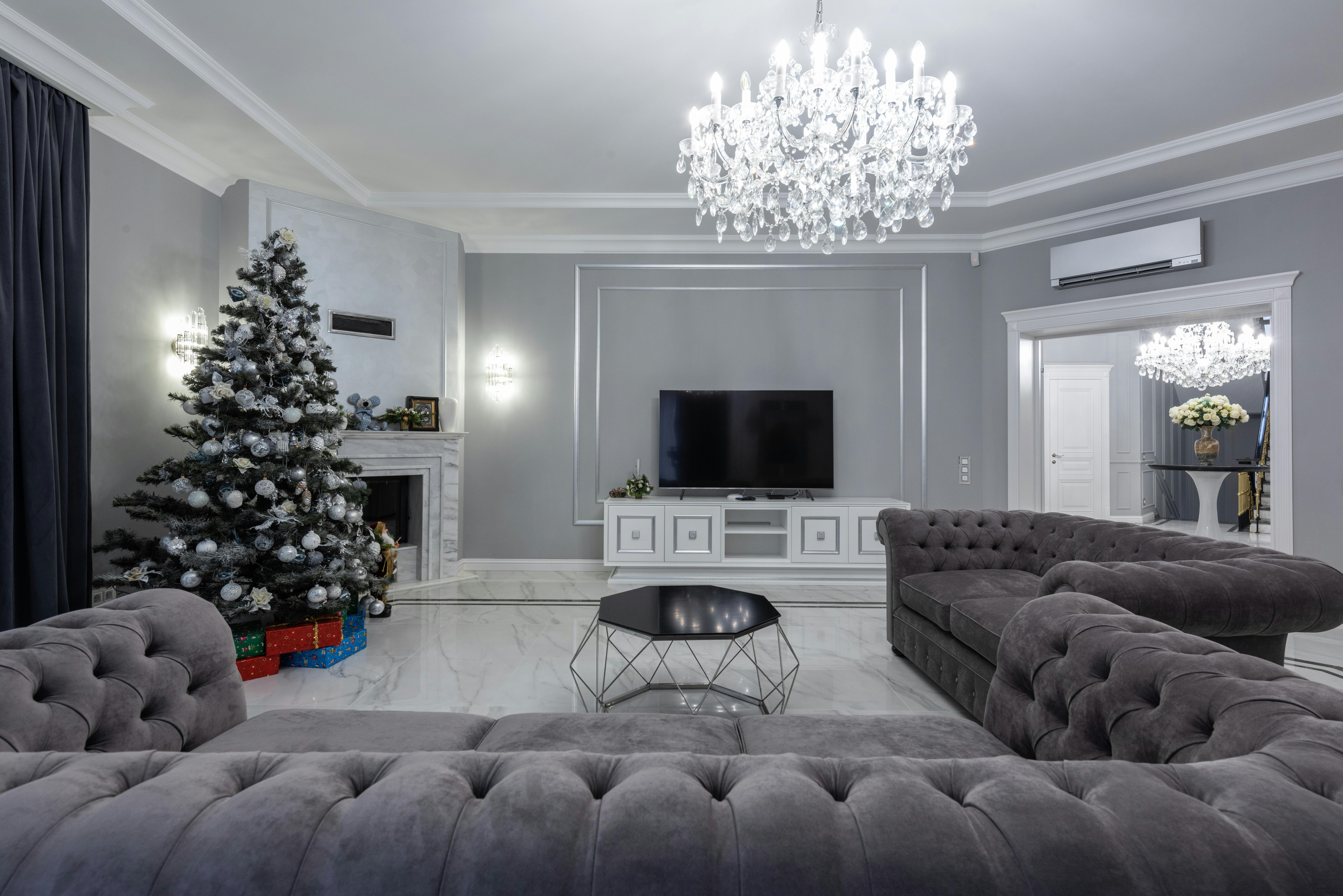
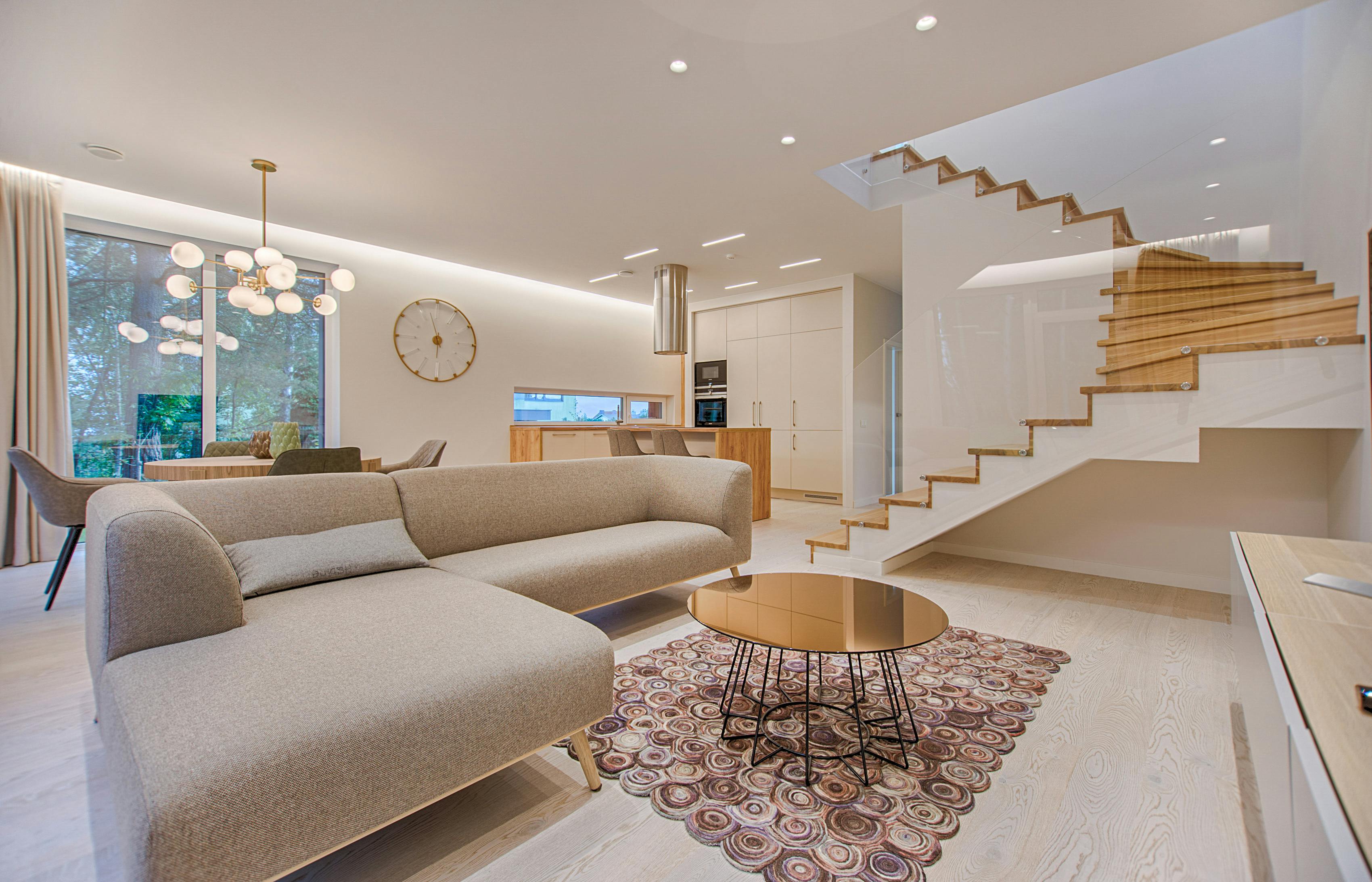
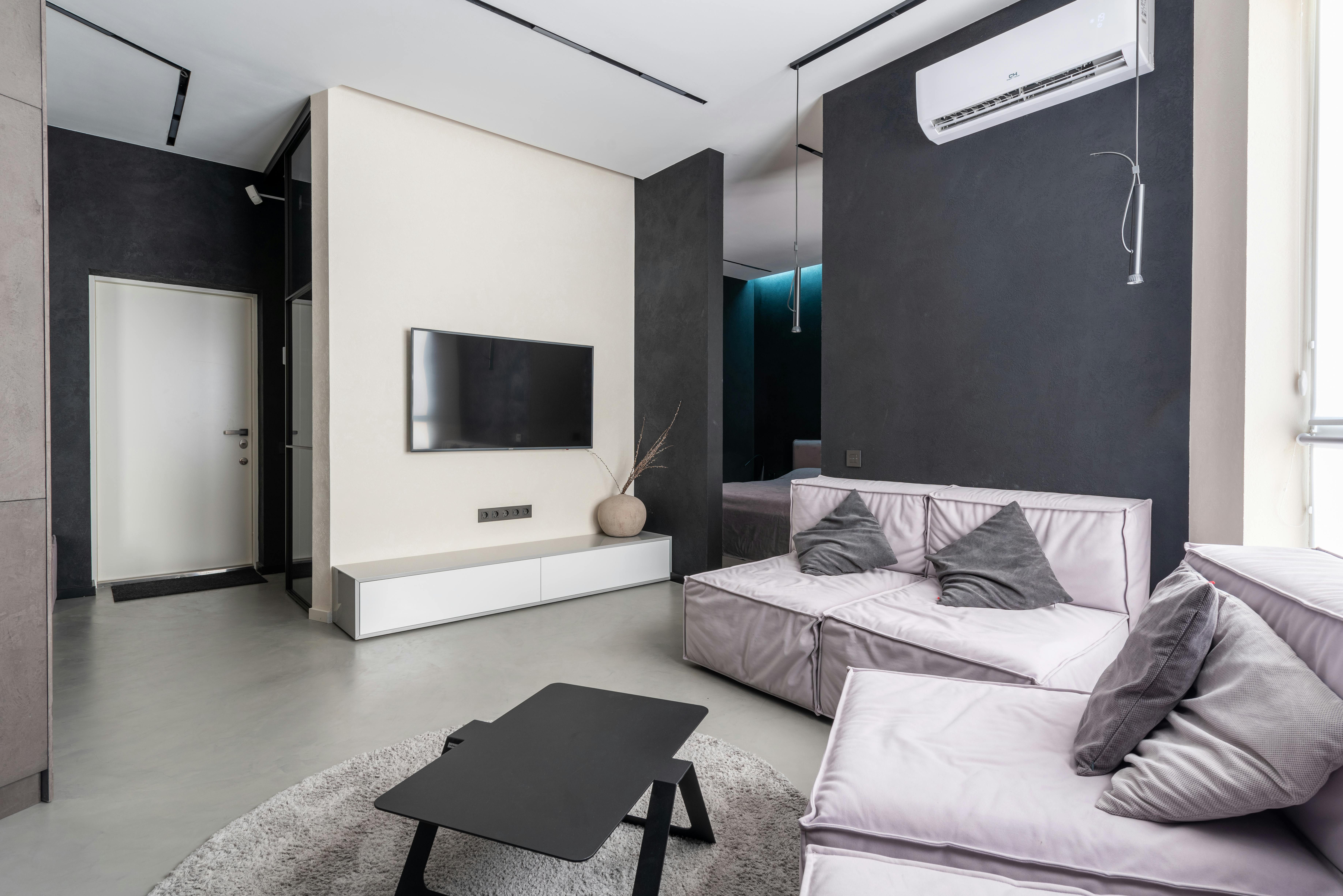
Quiet Luxury, Loud Comfort: How to Make Your Home Look Expensive Without Shouting
Quiet Luxury: When Your Home Whispers “I’m Expensive” Instead of Yelling It
Quiet luxury home decor is all about creating a calm, high-end, and timeless space using muted colors, quality materials, and less clutter, without needing a billionaire budget. In this guide, we’ll walk through how to bring the “old money” and “stealth wealth” aesthetic into your living room, bedroom, and walls with practical, budget-friendly tips, playful styling ideas, and smart upgrades that make your home feel quietly expensive and deeply comfortable.
Think of quiet luxury as the introvert of interior design: understated, confident, and deeply sure of itself. No screaming neon, no 27 throw pillows with inspirational quotes, no “Live, Laugh, Love” threatening you from the hallway. Just soft colors, beautiful textures, and pieces that look like they’ll age gracefully instead of dramatically.
If you’ve seen “old money aesthetic,” “stealth wealth,” or capsule wardrobe content invading your feed, this is the home-decor version: fewer things, better things, and spaces that feel like a very calm, very rich person lives there… even if it’s actually you, in sweatpants, eating cereal for dinner.
Why Quiet Luxury Is Everywhere Right Now
Quiet luxury is trending because we’re collectively tired. Tired of fast decor, tired of replacing things every season, and tired of spending three hours dusting knick-knacks we don’t even like. The new mood: intentional, cozy, and grown-up.
- Social media shift: Capsule wardrobes, “investment pieces,” and slow fashion have spilled into home decor. If you’re curating your closet, your sofa is next.
- Economic reality: People want pieces that won’t look dated in a year. A timeless oak coffee table? Yes. A hot-pink plastic side table shaped like a flamingo? Probably not.
- Influencer tours: YouTube and TikTok home tours are showing off calm, neutral apartments with bouclé sofas, limewash walls, and quietly luxurious details. It’s aspirational, but also surprisingly achievable.
- DIY creativity: Creators are reupholstering thrifted chairs, limewashing walls themselves, and upgrading basic furniture with better knobs, legs, and finishes.
The result: quiet luxury has become the sweet spot between minimalist home decor, modern living room styling, and old-world charm. Less clutter, more character.
The Quiet Luxury Color Palette: Your Home, But on “Do Not Disturb” Mode
If loud decor is a nightclub, quiet luxury is a perfectly lit hotel lobby at 8 a.m. The color palette is calm, layered, and subtle:
- Base tones: warm whites, soft beiges, taupes, and greiges (that grey-beige hybrid that sounds boring but looks like money).
- Depth tones: deep chocolate browns, charcoal, muted olive, or inky navy for contrast.
- Metal accents: brass, antique bronze, or aged gold instead of super-shiny chrome.
A simple formula:
70% soft neutral + 20% deeper neutral + 10% dark accent = calm, expensive-looking space.
Translate that into reality: warm white walls, a light beige sofa, a walnut coffee table, dark charcoal cushions, and antique brass lamp bases. The room feels quiet but not flat—like a whisper with depth.
Living Room Quiet Luxury: From “Stuff Everywhere” to “Styled on Purpose”
Your living room is where quiet luxury really struts (softly) onto the scene. The goal is to create a space that looks like you hired a designer, even if you actually just hired a podcast and a roll of painter’s tape.
1. Sofas with Self-Respect
Swap overstuffed or sagging sofas for clean-lined pieces in natural fabrics:
- Fabrics: linen, cotton, bouclé, or a high-quality performance fabric in a neutral shade.
- Shape: simple silhouettes, slim arms, and low visual bulk.
- Color: warm white, beige, oatmeal, or light grey to keep things airy.
If a new sofa isn’t in the budget, a tailored slipcover in a textured neutral can work miracles. It’s like a makeover montage for your couch.
2. Coffee Tables that Mean Business
Quiet luxury loves a solid wood coffee table with minimal hardware and a bit of visual weight. Skip overly ornate legs, bright lacquers, or glass tops with complicated bases.
- Look for oak, walnut, ash, or even a beautifully stained pine.
- Choose a simple rectangle or soft-edged oval.
- Keep decor on top minimal: a stack of 2–3 coffee table books, a stone or ceramic bowl, and one sculptural object or candle.
3. Art: Go Big, Stay Calm
The gallery wall has officially been put on quiet time. Instead, people are choosing one or two large-scale pieces:
- Muted abstract art in soft neutrals.
- Black-and-white photography (architecture, landscapes, or simple still lifes).
- Large framed fabric panels or tonal textile art.
Budget tip: print high-res black-and-white photography, use simple thin frames in black, wood, or brass, and let negative space do the flexing.
4. Declutter… But Make It Chic
Quiet luxury is allergic to visual chaos. That does not mean you must become a minimalist monk; it just means everything should look like it has a reason to be there.
- Retire overly themed decor or mass-produced signs.
- Use closed storage (baskets, cabinets) to hide remotes, cables, and random life debris.
- Keep surfaces “breathing”—leave some empty space on shelves and tables.
If it doesn’t add function, texture, or genuine joy, it might be time to let it move on to its next home.
Bedroom Quiet Luxury: DIY 5-Star Hotel Energy
Your bedroom should feel like a high-end boutique hotel that actually lets you bring snacks into bed. Quiet luxury turns this space into a sanctuary—no clutter, no chaos, just calm.
1. Hotel-Inspired Bedding
Start with the basics:
- Crisp white or warm white sheets with a decent thread count or just a nice hand-feel.
- Layered neutrals: a duvet in beige, taupe, or greige; a textured throw at the foot; 2–4 perfectly fluffed pillows.
- Subtle details: piping, a thin border, or a slight tonal pattern instead of bold prints.
Extra credit: iron or steam the pillowcases. Suddenly your room says “suite upgrade” instead of “I just woke up like this… and stayed that way.”
2. The Headboard Glow-Up
An upholstered headboard in a textured fabric (linen, bouclé, velvet in a matte finish) instantly amps up the quiet luxury vibe. If replacing isn’t an option, consider:
- A DIY slipcover in a heavy fabric.
- A long lumbar cushion in front of an existing simple headboard.
- Wall-mounted padded panels aligned behind the bed for a custom, built-in look.
3. Symmetrical Nightstand Styling
Symmetry is your secret weapon. On each side of the bed:
- A matching lamp with a simple, fabric shade.
- One small stack of books or a tray.
- One sculptural or organic object: a small vase, a stone dish, or a candle.
The vibe: “I definitely know where my phone charger is,” even if you, in fact, do not.
Walls That Whisper: Limewash, Plaster & Subtle Drama
In quiet luxury homes, walls are not just blank backdrops; they’re the soft-spoken co-stars. Instead of busy patterns or intense colors, the look leans into texture and depth.
1. Limewash & Plaster-Effect Paints
Limewash and plaster-effect finishes are trending because they create areas of soft movement on the wall—almost like clouds of color.
- Use them in living rooms, bedrooms, or entryways.
- Choose warm, earthy neutrals: mushroom, sand, warm grey, stone.
- Pair with simple, thin-framed art and minimal wall decor.
DIY-friendly versions are now widely available, and plenty of creators share techniques for layering, blending, and sealing the finish so it looks custom, not chaotic.
2. Fewer Pieces, Bigger Impact
Quiet luxury wall decor strategy: fewer, bigger, calmer.
- One oversized mirror in a slim metal or wood frame.
- One large monochrome piece instead of many small prints.
- Framed neutral textiles for subtle texture.
Your walls should feel like they’re exhaling, not screaming.
Materials That Feel Rich (Even If You Aren’t)
Quiet luxury is less about brands and more about how things feel. Literally. Texture does the heavy lifting here.
- Wood: solid or high-quality veneer in oak, walnut, ash, or stained pine. Avoid overly orange or red finishes where possible.
- Fabrics: linen, cotton, wool, bouclé, and textured weaves. Matte, not shiny.
- Stone: marble, travertine, soapstone, or faux versions in subtle patterns.
- Metals: brushed brass, antique bronze, or aged gold in small, tasteful doses.
- Ceramics & glass: hand-thrown-style vases, simple glass hurricanes, fluted or ribbed glass lamps.
The magic is in mixing them: a linen sofa, a wood coffee table, a stone bowl, a brass lamp, and a ceramic vase. Nothing loud, but together they look undeniably elevated.
Quiet Luxury on a Loud Budget: Smart, Sneaky Upgrades
You don’t need a trust fund to get the “old money” home decor look. You just need strategy and maybe a weekend with a drop cloth.
- Edit before you buy.
Remove 20–30% of your visible stuff first. Many rooms instantly look richer just by reducing visual noise. - Upgrade hardware.
Swap shiny chrome knobs and pulls for brushed brass, bronze, or matte black. Same furniture, better outfit. - Reupholster or slipcover.
Thrift a solid wood chair with great bones, then dress it in a textured neutral fabric. Instant quiet-lux icon. - Invest in lighting.
Soft, layered lighting (table lamps, floor lamps, sconces) beats one sad overhead light every time. - Choose one “hero” piece per room.
A great rug, a stunning headboard, or an oversized artwork can anchor the entire space.
Think of your home like a capsule wardrobe: a few high-impact basics styled well, instead of a closet full of impulse purchases.
The Quiet Luxury Mindset: Fewer, Better, Calmer
Quiet luxury home decor is not about making your house look like everyone else’s neutral Instagram grid. It’s about curating what you truly love, then giving it room to breathe.
Ask yourself, room by room:
- Does this space feel calm or chaotic?
- Do my colors feel soft and layered, or loud and jumpy?
- Am I keeping this item because I love it, or just because I bought it?
When in doubt, edit, soften, and add texture. Let your home be the place where your nervous system goes, “Oh, finally.”
Quiet luxury doesn’t demand attention. It earns it—with calm colors, thoughtful materials, and spaces that feel good to live in, not just to photograph. And that, more than any trend, is always in style.