
Protein‑Packed Convenience: Greek Yogurt, Cottage Cheese & High‑Protein Snacks You’ll Actually Crave
Trend Watch · High‑Protein Dairy & Snacks
Protein‑Packed Convenience: Greek Yogurt, Cottage Cheese & High‑Protein Snacks
High‑protein dairy and snack products—especially Greek yogurt, skyr, and cottage cheese—are having a serious moment. They’re turning up in lunchboxes, gym bags, office fridges, and “what I eat in a day” videos as easy, nutrient‑dense options for muscle gain, weight management, and blood‑sugar control. The beauty of this trend is that you don’t need chef‑level skills or hours in the kitchen: with a few smart choices, you can hit your protein goals using simple, delicious foods.
Below, you’ll learn why protein is suddenly front and center, how Greek yogurt and cottage cheese became social‑media “superfoods,” and how to enjoy the explosion of high‑protein snacks without losing sight of overall nutrition. Along the way, you’ll find a detailed, step‑by‑step recipe for a Protein‑Packed Greek Yogurt & Cottage Cheese Power Bowl that’s perfect for breakfast, post‑workout fuel, or an afternoon pick‑me‑up.
At‑a‑Glance: Protein‑Packed Greek Yogurt & Cottage Cheese Power Bowl
Prep time: 10 minutes
Cook time: 0 minutes
Total time: 10 minutes
Servings: 1 large or 2 smaller bowls
Difficulty: Easy (great for beginners)
Approx. protein: 30–40 g per serving (depending on brands)
This no‑cook bowl highlights the protein trend in the most delicious way: thick Greek yogurt, creamy cottage cheese, fresh fruit, crunchy nuts, and a sprinkle of high‑fiber cereal or granola. It’s endlessly customizable for different seasons and dietary needs (gluten‑free, higher‑fiber, lower‑sugar, and more).
Why Protein Is Front and Center in Everyday Eating
Protein has moved from a niche bodybuilding topic into mainstream wellness. Dietitians, doctors, and fitness creators are increasingly aligned on one thing: most people feel and perform better when they consistently reach an appropriate protein target—often in the range of 1.2–2.0 g of protein per kg of body weight per day for active adults, depending on individual health and goals.
- Lean muscle support: Protein provides the amino acids your muscles need to repair and grow, especially when paired with resistance training.
- Satiety & cravings: High‑protein meals tend to keep you full longer, which can naturally reduce snacking and late‑night cravings.
- Blood‑sugar stability: When you eat protein alongside carbohydrates, it can help blunt sharp blood‑sugar spikes.
- Recovery: After workouts, illness, or surgery, adequate protein supports faster recovery and helps preserve lean mass.
Because of all this, many people now “anchor” their day with protein‑rich choices: starting with a high‑protein breakfast (like a yogurt bowl), keeping a protein‑dense snack in their bag, and making sure every meal includes a satisfying protein source.
Greek Yogurt & Cottage Cheese: Everyday Superfoods
Greek yogurt and cottage cheese are hardly new, but social media has given them a glamorous makeover. Instead of being seen as plain “diet foods,” they’re being treated like blank canvases for high‑protein creations—sweet, savory, and everything in between.
Greek yogurt (and its Nordic cousin, skyr) is strained, which removes some liquid whey and naturally concentrates the protein. Cottage cheese, on the other hand, is made from milk curds—mild, slightly salty, and wonderfully versatile.
Why they’re trending as “superfoods”:
- High protein density: 15–20 g of protein per ¾–1 cup serving is common for non‑fat or 2% Greek yogurt and many cottage cheeses.
- Calcium & micronutrients: They provide calcium, B vitamins, and, for yogurt, live cultures that can support a healthy gut.
- Versatility: They work in sweet bowls, savory bowls, sauces, dips, and even “ice creams.”
Some viral ideas you might recognize:
- “Cheesecake” Greek yogurt bowls: Yogurt whipped with a bit of cream cheese or cottage cheese, topped with berries, nuts, and high‑fiber cereal.
- Cottage‑cheese ice cream: Cottage cheese blended with frozen fruit and a touch of sweetener, then frozen until scoopable.
- Savory cottage cheese bowls: Cottage cheese topped with cucumbers, tomatoes, herbs, olive oil, and seeds.
The New High‑Protein Snack Ecosystem
Dairy isn’t the only player in the protein game. Supermarket shelves are now lined with high‑protein convenience foods that make it easier than ever to hit your daily target—even when you’re running between meetings or workouts.

Common options include:
- Protein bars and cookies: Handy, but watch for added sugars, artificial sweeteners, and long ingredient lists.
- Ready‑to‑drink shakes & shelf‑stable milks: Fast post‑workout fuel, often 20–30 g of protein per bottle.
- Protein‑fortified cereals, tortillas, and chips: Everyday foods re‑engineered to add more protein into familiar habits.
“I like to think of these products as backup singers, not the star of the show. They’re great when you’re on the go, but whole‑food proteins like yogurt, cottage cheese, eggs, tofu, beans, chicken, and fish still deserve the spotlight.”
Balancing Protein with Fiber, Fats & Overall Nutrition
With all the hype around protein, it’s easy to forget that you also need fiber‑rich carbohydrates, healthy fats, and colorful plants for long‑term health. A bowl of plain yogurt alone won’t keep most people energized for hours—but add some fruit, nuts, and whole grains, and it becomes a complete, satisfying meal.
- Pair protein with fiber: Think berries, apples, pears, oats, quinoa, beans, lentils, or high‑fiber cereals.
- Add healthy fats: Nuts, seeds, nut butter, avocado, and olive oil add creaminess, flavor, and staying power.
- Watch sodium: Some cottage cheeses and protein snacks can be quite salty. If you’re watching blood pressure, choose reduced‑sodium options when possible.
- Dairy‑free needs: If you’re lactose intolerant or dairy‑free, look for soy yogurt, fortified soy or pea milks, or tofu as high‑protein alternatives.
How Influencers, Athletes & Weight‑Loss Trends Fuel the Protein Craze
Scroll through social media and you’ll see it: high‑protein breakfasts, “hit 30 g protein by 10 a.m.” challenges, and full days of eating where every meal is meticulously tracked. Celebrities, fitness coaches, and everyday creators share their favorite Greek yogurt parfaits, cottage‑cheese‑based snacks, and shake recipes, making higher‑protein eating feel normal and accessible.
This shift lines up with other wellness trends—like GLP‑1 medications for weight loss, intermittent fasting, and macro tracking—all of which emphasize preserving muscle and staying full on fewer calories or within shorter eating windows. In that context, Greek yogurt bowls, protein‑fortified snacks, and simple cottage‑cheese meals become powerful tools rather than restrictive “diet” foods.
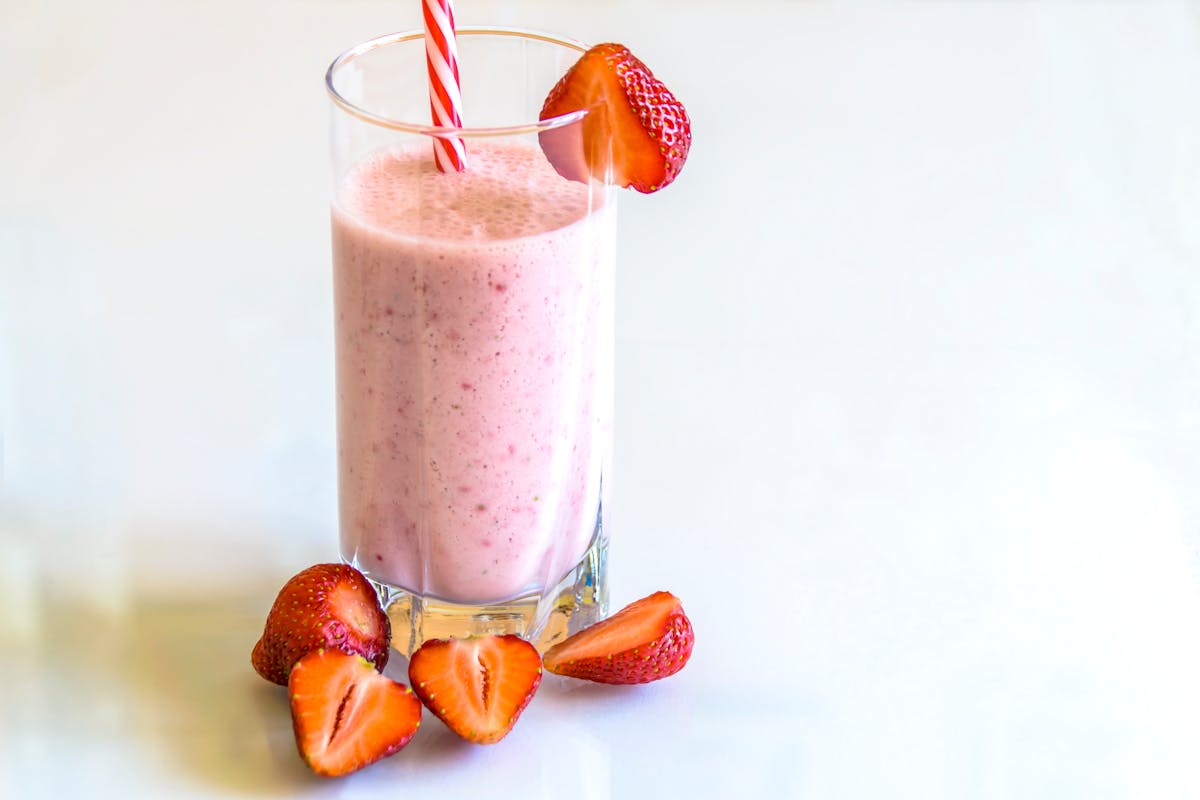
Protein‑Packed Greek Yogurt & Cottage Cheese Power Bowl
Prep time:
Cook time:
Total time:
Servings: 1 large or 2 smaller bowls
Difficulty: Easy
Dietary: High‑protein, gluten‑free option, vegetarian
Ingredients
Base
- ½ cup (120 g) plain Greek yogurt (2% or non‑fat)
- ½ cup (120 g) cottage cheese (2–4% milkfat or reduced‑sodium, if preferred)
- 1–2 teaspoons honey, maple syrup, or a few drops of liquid sweetener (optional, to taste)
- ½ teaspoon vanilla extract (optional, for a dessert‑like flavor)
Fruit & crunch
- ½–1 cup mixed fresh berries (strawberries, blueberries, raspberries) or chopped seasonal fruit
- 2–3 tablespoons high‑fiber cereal, granola, or oats (use a gluten‑free brand if needed)
- 1–2 tablespoons chopped nuts (almonds, walnuts, pistachios, or pecans)
- 1 tablespoon seeds (chia, flax, or pumpkin seeds) for extra fiber and healthy fats
Optional boosts
- 1 scoop (about 20–25 g) unflavored or vanilla whey or plant‑based protein powder (for an ultra high‑protein version)
- 1–2 tablespoons nut or seed butter (peanut, almond, cashew, tahini) for extra richness
- A pinch of cinnamon or cardamom for warmth and aroma
Equipment & Tools
- Medium mixing bowl
- Spoon or small whisk
- Serving bowl or glass (a clear glass shows off the layers beautifully)
- Measuring cups and spoons
Step‑by‑Step Instructions
Prep your toppings. Rinse and dry the berries or fruit. If using strawberries or larger fruits (like peaches or apples), slice them into bite‑size pieces so every spoonful gets a bit of everything.
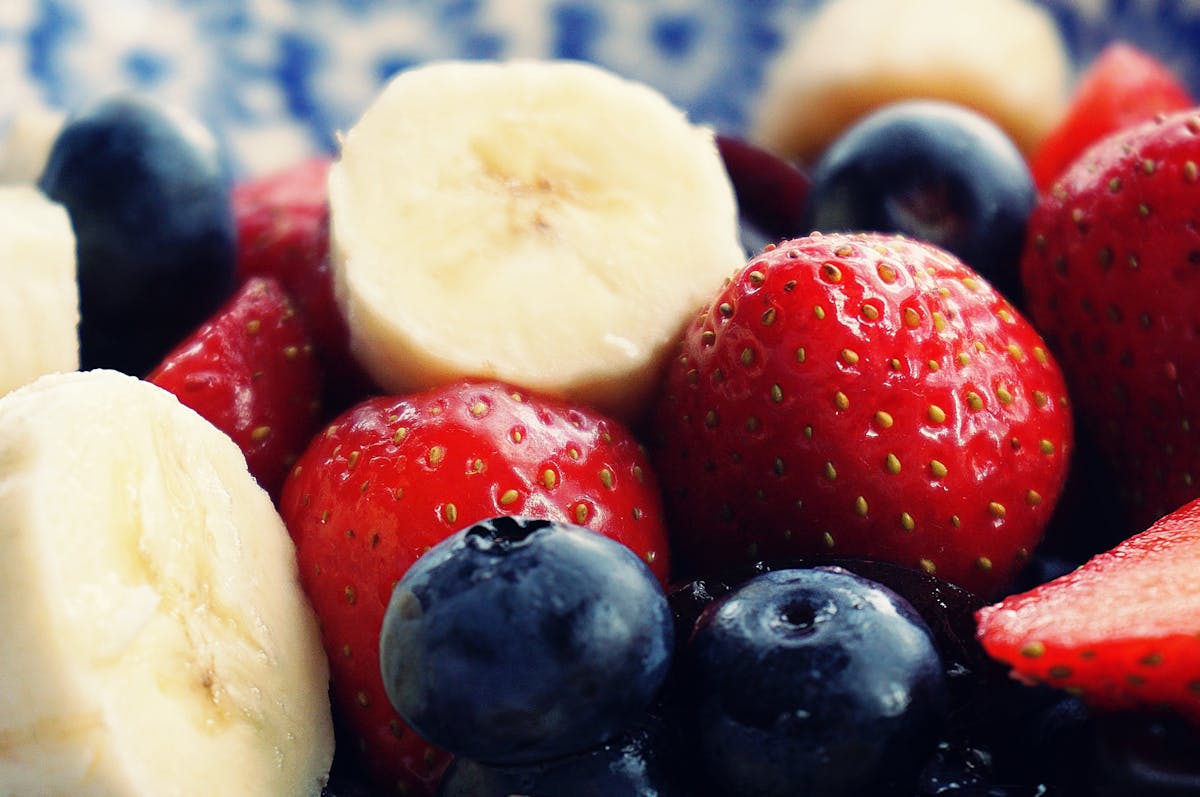
Prepare a mix of colorful fruits for natural sweetness, fiber, and antioxidants. Mix the protein base. In a medium bowl, combine the Greek yogurt and cottage cheese. Stir vigorously with a spoon or small whisk until the mixture looks smooth and creamy. If you’d like it sweeter or more dessert‑like, stir in the vanilla and your choice of sweetener.

Whisk Greek yogurt and cottage cheese together for a fluffy, cheesecake‑like texture. Optional: Add a protein powder boost. If you’re using protein powder, sprinkle it over the yogurt‑cottage cheese mixture. Stir slowly at first to avoid clumping, then more vigorously until fully blended. Add a splash of milk or water (1–2 tablespoons) if it becomes too thick—aim for a creamy, spoonable consistency.
Assemble the bowl. Spoon the protein base into your serving bowl or glass. Top with your fruit in one section, cereal or granola in another, and nuts and seeds sprinkled over the top. If you like, drizzle with a little honey or nut butter and finish with a pinch of cinnamon.

Layer the protein base with fruit and crunchy toppings for a visually striking, satisfying bowl. Taste and adjust. Take a test bite. If you’d like more sweetness, add a touch more honey or fruit. If you prefer extra crunch, sprinkle on additional nuts, seeds, or cereal just before serving.
Serve immediately. Enjoy right away for the best contrast of creamy, juicy, and crunchy textures. If you’re packing this to go, keep the cereal or granola separate and add it at the last minute so it stays crisp.
Storage, Meal Prep & Reheating (If Any)
This high‑protein bowl is ideal for quick meal prep, especially if your mornings are busy.
- Make‑ahead base: Mix the Greek yogurt and cottage cheese (plus protein powder, if using) and store in an airtight container in the fridge for up to 3–4 days.
- Add toppings fresh: For the best texture, add fruit, cereal, granola, nuts, and seeds just before eating. If you must pre‑assemble, keep the crunchy toppings in a separate container.
- No reheating needed: This is a chilled recipe; just give it a stir if it separates slightly in the fridge.
Serving Ideas & Complementary Dishes
This protein‑packed bowl is incredibly flexible. You can enjoy it on its own or build it into a complete meal.
- For a power breakfast: Pair the bowl with a small slice of whole‑grain toast and avocado, or a hard‑boiled egg for extra protein.
- Post‑workout: Enjoy within 1–2 hours of training, especially if you’ve done strength work. Add banana or oats for extra carbs to support recovery.
- Light lunch: Serve alongside a simple green salad dressed with olive oil and lemon.
- Snack plate: Pair a smaller bowl with a handful of veggies and hummus or a small portion of nuts.
Smart Shopping Tips for High‑Protein Dairy & Snacks
A little label‑reading goes a long way. When you’re choosing Greek yogurt, cottage cheese, or packaged high‑protein snacks, keep these guidelines in mind:
- Check protein per serving: For yogurts and cottage cheese, aim for at least 12–15 g protein per serving. For bars and shakes, 10–20 g is typical.
- Watch added sugar: Flavored yogurts and protein snacks can pack in 10–20 g of added sugar. Choose plain when possible and sweeten at home with fruit or a drizzle of honey.
- Scan the ingredient list: Shorter is usually better. Look for milk, cultures, and maybe a few stabilizers—not an essay’s worth of additives.
- Sodium awareness: Some cottage cheeses and ready‑to‑eat snacks are relatively high in salt. If you eat them daily, consider mixing in reduced‑sodium choices.
Bringing the High‑Protein Trend into Your Kitchen
The rise of Greek yogurt, cottage cheese, and high‑protein snacks is more than just a fad—it reflects a genuine shift toward eating in a way that supports muscle, energy, and long‑term health, without requiring complicated cooking. With a few staple ingredients in your fridge, you can build bowls, snacks, and simple meals that feel indulgent yet keep you nourished for hours.
Start with the Protein‑Packed Power Bowl, then play: swap fruits with the seasons, toggle between sweet and savory, or layer your bowl into a portable parfait. As you get comfortable, you’ll find that prioritizing protein—while still honoring fiber, fats, and flavor—quickly becomes second nature.
Most importantly, remember that there’s no “perfect” way to eat. Let these high‑protein options be tools that make your life easier, your meals more satisfying, and your time in the kitchen both nourishing and genuinely enjoyable.
