Park Chan-wook Takes Cannes: Why the 79th Festival Just Got A Lot More Interesting
South Korean auteur Park Chan-wook has been named president of the jury for the 79th Cannes Film Festival, succeeding Juliette Binoche and signaling another major step in Cannes’ long, complicated, and increasingly passionate relationship with Korean cinema. His appointment is more than a ceremonial honor; it’s a statement about where global film culture is headed, what kinds of stories the industry values, and how Cannes continues to recalibrate its own prestige in a post-streaming, post-Parasite landscape.

Why Park Chan-wook at Cannes Actually Matters
On paper, “renowned filmmaker to head prestigious jury” sounds like standard festival press-release fodder. But Cannes doesn’t hand the big chair to just anyone. When the world’s most scrutinized film festival taps Park Chan-wook, it’s picking a director whose work has defined 21st‑century genre cinema, influenced everyone from Denis Villeneuve to the Safdie brothers, and helped push Korean film from cult favorite status into the global mainstream.
Park will follow French actor Juliette Binoche as jury president, a handoff that neatly symbolizes Cannes’ shift from traditional European arthouse royalty to a more globally fluent, stylistically hybrid kind of cinema. Binoche is the face of classic European prestige; Park is the banner carrier for the “post-video-store” generation—cinephiles raised on Hitchcock, manga, film noir, and Hong Kong action who turned their obsessions into something shockingly new.
Cannes and Korean Cinema: From Cult Favorite to Core Player
Park’s new role is the latest chapter in a longer love story between Cannes and Korean film. For years, Korean titles were the festival’s best kept secret—must‑see, late‑night screenings that hardcore cinephiles raved about while mainstream audiences barely knew they existed.
That dynamic has changed dramatically:
- 2004: Park’s Oldboy wins the Grand Prix, with Quentin Tarantino loudly championing it from the jury bench.
- 2019: Bong Joon-ho’s Parasite takes the Palme d’Or, then rewrites Oscar history.
- 2022: Park returns with Decision to Leave, winning Best Director and consolidating his status as a Cannes regular.
With this appointment, Cannes moves Korean cinema from the “talented guest” category into the “institutional pillar” slot. It’s not just about representation; it’s about acknowledging that Korean filmmakers now shape the global film canon, not just decorate it.
“Park Chan-wook’s cinema blends audacity and elegance, constantly questioning the nature of justice, desire, and morality. His presidency signals our commitment to bold storytelling and uncompromising vision.”
What Park’s Filmmaking Says About His Taste as Jury President
Trying to predict a Cannes winner is a dangerous game, but understanding Park’s own work gives a decent clue as to what he might champion from the jury room.
1. Stylized Violence, Moral Ambiguity
Park is often (too lazily) summed up as “the revenge guy.” In reality, his so‑called “Vengeance Trilogy” is less about payback than the emotional wreckage left behind. Think of the infamous hallway hammer fight in Oldboy: it’s brutal, sure, but it’s also carefully choreographed sadness, framed as a tragic inevitability rather than gleeful carnage.
Expect Park to look kindly on films that push formal boundaries—choreography, editing, sound—without losing their emotional core. Excess without empathy is unlikely to impress him.
2. Romance, Obsession, and the Gothic
Recent Park is more romantic, in his own twisted way. The Handmaiden reimagined Sarah Waters’ Victorian London novel as a lush, erotic Korean-Japanese period puzzle. Decision to Leave turned a murder mystery into a melancholy, almost old‑fashioned melodrama hiding inside a modern thriller shell.
This suggests a jury president who might gravitate toward films with emotional complexity rather than purely intellectual puzzles—stories where love, desire, and guilt are hopelessly intertwined.

3. Genre as High Art, Not Guilty Pleasure
Park’s filmography is a quiet rebuke to the old Cannes hierarchy where slow, austere dramas were “art” and thrillers or horror were guilty pleasures. His movies prove you can stage a baroque, blood‑tinted thriller that still has the thematic weight of a capital‑A Art Film.
That makes his presidency particularly interesting for filmmakers operating in horror, sci‑fi, and neo‑noir—genres that now walk into Cannes with more confidence than ever.
Industry Signal: What This Means for Global Filmmakers
Beyond cinephile buzz, a Cannes jury presidency is a broadcast signal to the entire industry. Park’s appointment tells studios, streamers, and festival programmers a few things very clearly.
- Asian auteurs are no longer “special guests.”
Between Parasite, the rise of K‑dramas on Netflix, and Japan’s recent anime dominance at international box office, Asia is not a niche market. Park’s role further normalizes the idea that the artistic center of gravity is shared, not Europe‑only. - Genre cinema is fully legitimate prestige territory.
Park’s Cannes résumé already proved this, but putting him in the big chair underlines it. For emerging filmmakers mixing horror, thriller, and melodrama, this is an encouraging green light. - Streaming vs. theatrical will keep simmering in the background.
Park has worked in both Korean and international systems and knows the realities of funding and distribution in 2026. Expect jury debates—quietly, at least—to weigh how well films use the big screen, without dismissing more intimate, streaming‑friendly storytelling.
Park Chan-wook Essentials: A Primer Before the 79th Cannes
If you’re planning to follow this year’s Cannes coverage closely, it’s worth doing some “homework.” Thankfully, Park’s filmography is wildly entertaining homework.
- Oldboy (2003) – The movie that turned him into an international cult name. A revenge thriller that spirals into existential horror and tragic romance. Still one of the most talked‑about films to ever screen at Cannes.
- Lady Vengeance (2005) – Intricate, emotionally bruising, and visually meticulous. Less meme‑ified than Oldboy, arguably more mature.
- Thirst (2009) – A vampire story reimagined as a Catholic guilt tragedy. Park uses genre trappings to talk about faith, desire, and self‑destruction.
- The Handmaiden (2016) – A con‑artist drama and romantic labyrinth. Luxurious, twisty, and crucial to understanding Park’s fascination with deception and liberation.
- Decision to Leave (2022) – A melancholy policier that feels like Wong Kar-wai wandered onto the set of a Korean crime thriller. This is the film that confirmed Park’s late‑career shift towards aching, unresolved longing.

Watching these doesn’t just prepare you for Park’s tastes; it’s a reminder of how much the visual grammar of modern thrillers owes to his work—the zooms, split‑diopters, bold color palettes, and carefully engineered shocks that now feel almost standard.
Strengths and Potential Pitfalls of a Park-Led Jury
No jury president is neutral, and that’s part of the fun. Park’s appointment comes with clear upsides and a few reasonable questions.
What Park Brings to the Table
- Global cinephile credibility: He’s widely respected across arthouse and genre circles, which helps legitimize the eventual Palme-winner with both critics and filmmakers.
- Experience on the circuit: Park has played the festival game from inside and outside the studio system, in multiple languages and markets.
- Visual literacy: Expect an acute sensitivity to cinematography, editing, and production design, not just script and acting.
Potential Weak Spots
- A taste for the baroque: Park’s natural home is in heightened, stylish worlds. The risk—though not a certainty—is that quieter, more minimal films might struggle to grab his imagination unless they’re emotionally overwhelming.
- Balancing ensemble dynamics: The jury president is more conductor than dictator, but cinephiles will inevitably read the final choices as “Park’s taste.” How he balances his preferences against the rest of the panel will be closely watched.
“A good jury president doesn’t look for films that resemble their own—they look for works that challenge their instincts,” one critic noted during a previous Cannes edition, commenting on the perils of auteur-led juries.
Visual Cinema, Visual Festival
Park’s appointment also reinforces Cannes’ self-image as the festival of cinema as spectacle—not necessarily blockbusters, but films that demand a big screen and a dark room.
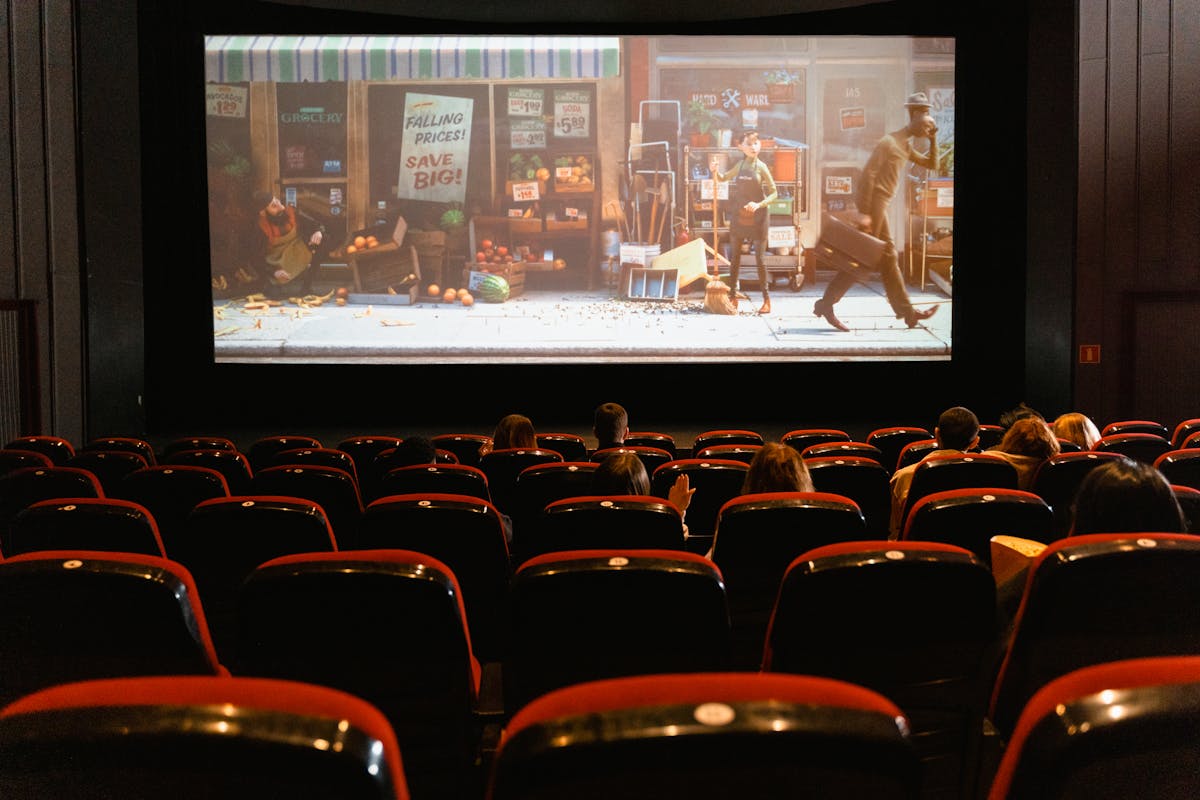
As the festival navigates hybrid distribution models, streaming premieres, and a fractured theatrical landscape, putting a maximalist visual stylist in charge subtly reasserts the idea that cinema is, first and foremost, something you watch, not just something you “consume.”
Looking Ahead: A Cannes Lineup with Sharper Edges
Park Chan-wook taking the jury presidency for the 79th Cannes Film Festival is more than a nice full‑circle moment for a filmmaker long beloved on the Croisette. It’s a declaration that the festival wants to be seen as bold, globally literate, and unafraid of films that cut deep—emotionally, politically, and sometimes literally.
As buzz builds around the Official Selection and eventual Palme d’Or contenders, one thing feels clear: under Park, “safe” and “polite” are unlikely to be the words that define this year’s winners. Cannes just handed the keys to one of cinema’s great stylists—and the world will be watching to see what kind of chaos, beauty, and surprise that unlocks on the biggest arthouse stage there is.