Ozempic, Wegovy & the ‘Skinny Shot’ Era: How GLP‑1 Drugs Are Rewriting Diet Culture
Ozempic, Wegovy & the New Face of Diet Culture
Prescription GLP‑1 drugs like Ozempic and Wegovy have exploded in popularity as weight‑loss tools, reshaping diet culture, celebrity body ideals, and the way we talk about obesity and nutrition. In just the last couple of years, these weekly “skinny shots” have gone from quiet diabetes treatments to front‑page headlines, TikTok trends, and dinner‑table debates.
Underneath the hype is something far more personal: people navigating smaller appetites, intense social pressure, confusing food choices, and big questions about what “healthy” really means in a world where weight loss can come from a prescription.
What Are GLP‑1 Drugs Like Ozempic and Wegovy?
GLP‑1 receptor agonists are medications that mimic a natural hormone called GLP‑1 (glucagon‑like peptide‑1). Originally designed to treat type 2 diabetes, they’ve also been found to produce significant weight loss, which is why they’re now widely discussed as weight‑management drugs.
In simple terms, GLP‑1s help your body:
- Regulate blood sugar by helping the pancreas release insulin when you eat.
- Slow stomach emptying, so food lingers a bit longer and you feel fuller.
- Increase feelings of fullness and satiety in the brain, which can blunt appetite.
Ozempic (semaglutide) is FDA‑approved for type 2 diabetes; Wegovy, a higher‑dose version of the same active ingredient, is approved specifically for chronic weight management. In practice, many people encounter them in the same way: as a weekly injection that can dramatically change how hungry they feel.
From Diabetes Drug to Viral “Skinny Shot”
Over the last 18–24 months, search traffic around terms like “Ozempic weight loss,” “Wegovy transformation,” and “GLP‑1 foods” has surged on Google, TikTok, YouTube, and Instagram. What used to be quiet conversations in endocrinology clinics are now front‑and‑center in:
- Celebrity reporting and red‑carpet “before and afters.”
- Influencer vlogs titled “What I eat on Ozempic this week.”
- Nutrition and fitness accounts focused on GLP‑1‑friendly meal prep.
This shift marks a new kind of diet culture. Instead of chasing the latest detox tea or low‑carb plan, people are increasingly chasing access to a prescription. The “willpower” narrative has been partly replaced by a medical one: if weight is driven by biology, then medication can help—but that doesn’t mean the cultural pressure has gone away.
How Ozempic & Wegovy Change Hunger and Eating
For many users, the most noticeable effect of GLP‑1 medication is a suddenly quiet appetite. Foods that once called your name—late‑night snacks, bottomless bread baskets—can feel strangely easy to ignore.
Common experiences include:
- Feeling satisfied with much smaller portions.
- Forgetting to eat until late in the day.
- Finding rich, greasy, or very sugary foods less appealing.
- Occasional nausea or GI discomfort, especially with large meals or high‑fat foods.
From a nutrition perspective, that quieted appetite can be a double‑edged sword. It can make energy deficit and weight loss easier, but it can also mean:
- Not getting enough protein to maintain muscle.
- Skimping on fiber, vitamins, and minerals.
- Drinking too little fluid, which worsens side effects like constipation.
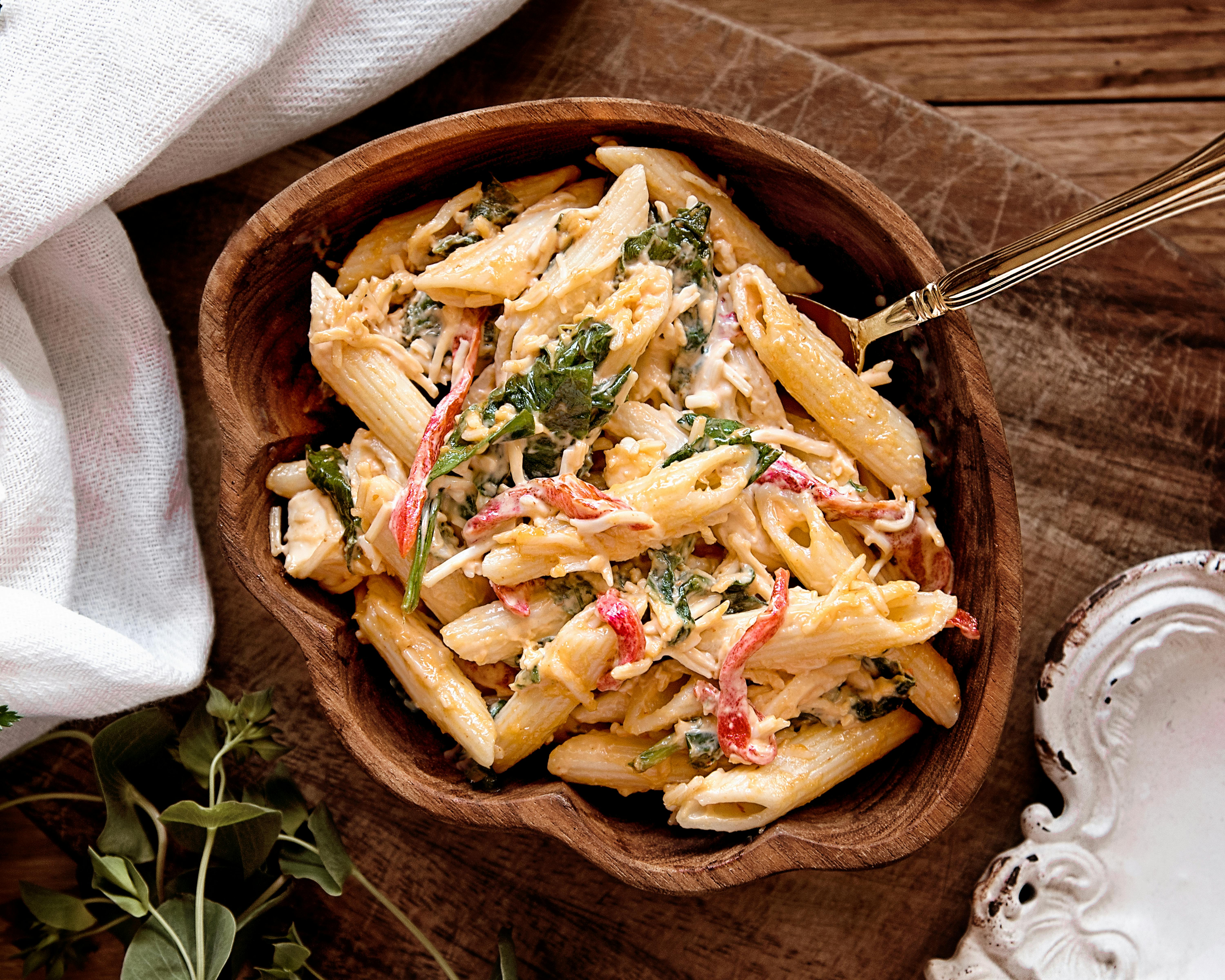
Inside the “Ozempic Diet”: What People Eat on GLP‑1s
A whole micro‑genre of content has popped up around “Ozempic diet plans” and “What I eat on Wegovy.” While there’s no single official Ozempic diet, many dietitians guiding GLP‑1 users tend to emphasize a few key themes.
1. Protein‑Dense Small Meals
Because muscle loss is a real risk during rapid weight loss, most experts aim for protein at every eating occasion. With a smaller appetite, each bite needs to count.
- Greek yogurt or skyr with berries.
- Eggs, egg whites, or tofu scrambles.
- Chicken, fish, tempeh, or lentils in small portions.
- Protein shakes or fortified smoothies when solid food feels heavy.
2. Gentler, Easier‑to‑Digest Choices
High‑fat, heavily fried, or very sugary foods can worsen nausea and diarrhea. Many people feel best with:
- Baked or grilled proteins instead of fried.
- Lower‑fat dairy or plant milks.
- Simple starches like potatoes, rice, or oats paired with protein.
- Cooked vegetables instead of large bowls of raw salads at first.
3. Hydration and Electrolytes
Slower gastric emptying and changes in appetite can subtly decrease fluid intake. Dehydration, in turn, can worsen constipation and fatigue.
- Aiming for regular sips of water throughout the day.
- Adding electrolyte powders or broths if prone to dizziness.
- Choosing water‑rich foods (soups, fruits, yogurt).
4. Movement to Preserve Muscle
GLP‑1 medications can change the scale, but they don’t decide what you lose: fat, water, or muscle. That’s where resistance training and walking come in. Even two to three sessions per week of basic strength work, combined with enough protein, makes a huge difference in preserving lean body mass.
Ethical Questions: Access, Expectations & Side Effects
The rise of GLP‑1 diet culture isn’t only about recipes and body changes; it’s also about access, fairness, and how we talk about health.
1. Drug Shortages and Access
Widespread off‑label use for weight loss has, at times, contributed to shortages, making it harder for people with type 2 diabetes to fill prescriptions they genuinely need to manage blood sugar.
2. Medicalized Thinness in Celebrity Culture
Speculation about who is or isn’t “on Ozempic” can fuel a familiar but harmful pattern: conflating thinness with success, discipline, or moral worth. Now, the subtext often sounds like, “If you’re not losing weight, why not just get a shot?”
3. Unrealistic “Set and Forget” Expectations
Headlines sometimes frame GLP‑1s as effortless fixes. In reality, trials and emerging real‑world data show that many people regain weight after stopping unless sustainable habits and support are in place. Medications can change biology, but daily routines, food environment, sleep, and stress still matter.
4. Side Effects and Safety
Common side effects include:
- Nausea, vomiting, or diarrhea.
- Constipation and abdominal discomfort.
- In some cases, gallbladder issues or pancreatitis risk.
These medications should always be used under medical supervision, especially for people with existing GI conditions or a history of certain endocrine cancers. Self‑directed use or sourcing from unverified providers carries real risk.
How GLP‑1 Diet Culture Is Changing Our Relationship with Food
Food has always been more than fuel: it’s memory, identity, celebration. One of the most jarring experiences some GLP‑1 users describe is a muted pleasure around eating—liking food, but not yearning for it in the same way.
“I used to think about my next meal constantly. Now my stomach is quiet—almost too quiet. I’m grateful for the relief, but I miss some of the joy of planning dinner.”
For home cooks and food lovers, the challenge becomes finding a new balance: enjoying flavors and textures, honoring cultural dishes, and still respecting a smaller appetite and any medical guidance.
Practical, Food‑First Tips If You’re on a GLP‑1
If you’re using Ozempic, Wegovy, or another GLP‑1 under medical care, small shifts in how and what you eat can make a big difference in comfort and long‑term health.
- Prioritize protein early in the day.
When appetite is best—often at breakfast or late morning—include eggs, yogurt, cottage cheese, tofu, or a protein smoothie. - Opt for smaller, more frequent meals.
Instead of forcing three large meals, consider 4–5 smaller eating times to gently meet your needs. - Go slow with higher‑fat foods.
Enjoy fats (olive oil, nuts, avocado) in modest portions to reduce nausea and reflux. - Drink fluids between meals, not just with them.
Sipping water, herbal tea, or broths throughout the day supports hydration without overfilling your stomach at mealtime. - Lean on soft, soothing textures when queasy.
Oatmeal, mashed potatoes, blended soups, and smoothies are often better tolerated on tough days. - Keep favorite flavors—just adjust portions.
Instead of cutting out beloved cultural dishes, enjoy smaller servings, bulked up with vegetables and lean proteins.
Beyond the Hype: The Future of GLP‑1 Diet Culture
We’re in the middle of a profound shift: for the first time, the most talked‑about “diet” isn’t a food pattern but a prescription. As more data emerges, we’re likely to see:
- Clearer guidelines on long‑term use and tapering.
- More emphasis on combining GLP‑1s with nutrition, movement, and mental health support.
- Ongoing debates about access, cost, and equity.
- New medications and possibly oral formulations entering the market.
Through all of this, one truth remains steady: bodies are diverse, and health is far more than a number on the scale or a medication list. Whether you’re cooking vibrant, protein‑rich meals on a GLP‑1 or choosing a completely different path, you deserve care that honors your whole story—mind, body, and culture.