
Ozempic, Wegovy & the ‘Skinny Jab’ Era: How GLP‑1 Weight‑Loss Drugs Are Reshaping Diet Culture
Health • Nutrition • Body Image
Ozempic, Wegovy & the Rise of ‘Skinny Jab’ Diet Culture
How GLP‑1 weight‑loss drugs are reshaping conversations around food, body image, and long‑term health.
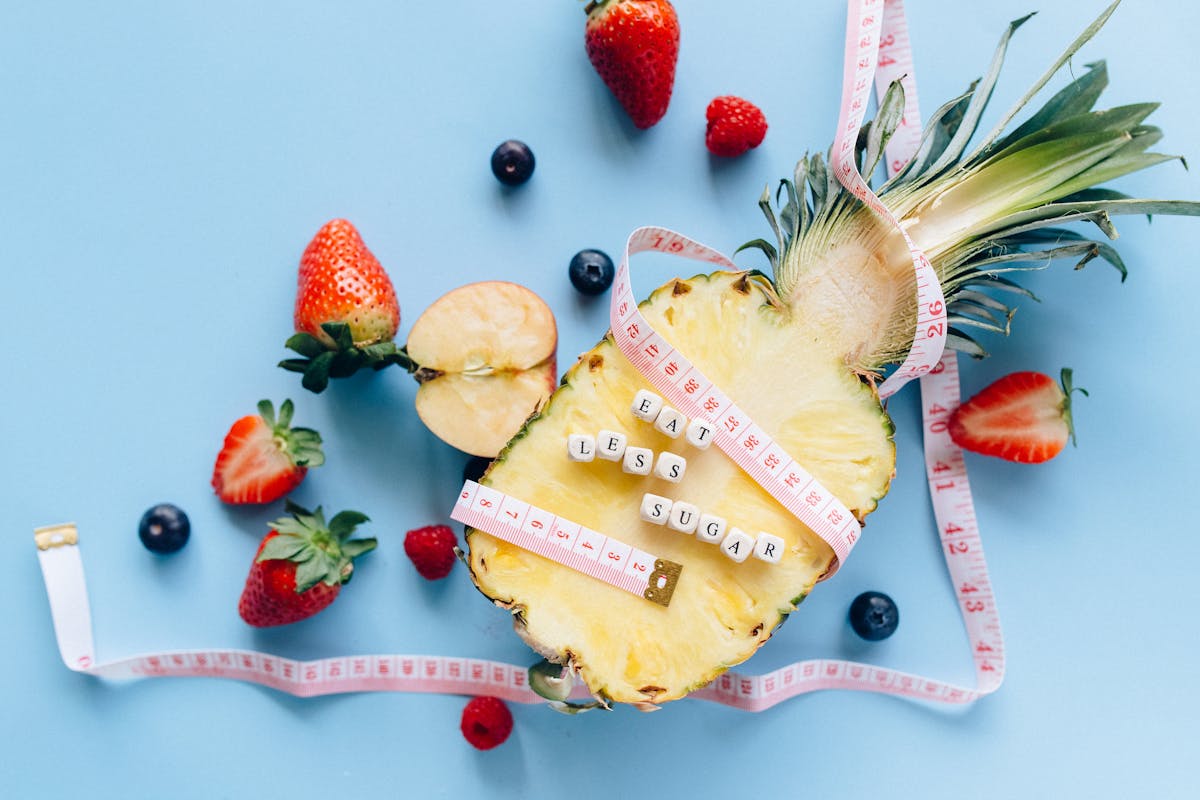
GLP‑1 medications like Ozempic, Wegovy, and Mounjaro have swept from endocrinology clinics into TikTok feeds, red‑carpet interviews, and everyday conversations about food and bodies. Once quiet tools for managing type 2 diabetes, they are now powerful symbols in a new era of “skinny jab” diet culture—where appetite can be muted by a weekly injection, and the old language of willpower and discipline collides with hormonal science and social media trends.
What Are GLP‑1 Drugs Like Ozempic and Wegovy?
GLP‑1 agonists are medications that mimic glucagon‑like peptide‑1, a hormone your gut releases after you eat. In simple terms, they:
- Help your pancreas release insulin when you need it
- Slow down how quickly your stomach empties
- Signal to your brain that you’re full sooner
The result for many people: dramatically reduced appetite, smaller portions, and often, substantial weight loss. Ozempic is approved for type 2 diabetes; Wegovy—also semaglutide—is approved specifically for obesity; tirzepatide (sold as Mounjaro for diabetes and Zepbound for obesity) targets two hormones at once (GLP‑1 and GIP), and can lead to even more pronounced weight loss in clinical trials.
Celebrity Bodies, Influencers & the New ‘Shortcut’ Myth

Rumors of “Ozempic bodies” in Hollywood and on reality TV hit at the same time as a broader cultural swing back toward ultra‑thin ideals. On TikTok, YouTube, and Instagram, you’ll find:
- “Ozempic transformation” before‑and‑after videos
- Speculation about which stars are on “the shot”
- Think‑pieces on privilege, access, and beauty standards
The subtle message many viewers absorb is that these injections are a sleek shortcut to the kind of lean, camera‑ready body once associated with brutal crash diets. That narrative is deeply incomplete. It ignores cost, side effects, mental health, complex biology, and the fact that many users live with chronic conditions—not red‑carpet schedules.
We’re watching a new chapter of diet culture unfold: less about juice cleanses and “detox teas,” more about prescription pens and hormone pathways—but still wrapped in age‑old pressures to shrink our bodies at any cost.
From Willpower to Biology: How These Drugs Reframe Obesity
For decades, mainstream diet advice framed weight almost entirely as a matter of willpower: eat less, move more, try harder. GLP‑1 medications crack that story open. When someone starts a weekly injection and finds their constant food noise suddenly muted—no more gnawing hunger, fewer intense cravings—it becomes harder to claim that discipline was the only missing ingredient.
Clinicians and dietitians are increasingly discussing obesity as a chronic, relapsing, biologically influenced condition, shaped by:
- Hormones that regulate hunger and fullness
- Genetics and family history
- Medications, sleep, and stress
- Environment, food access, and social determinants of health
This doesn’t erase the role of food and movement—but it challenges the shaming narrative that people in larger bodies are simply “failing” at self‑control. For many, that shift feels like a profound relief; for others, it raises questions about over‑medicalizing bodies in the name of thinness.
Eating on Ozempic or Wegovy: When Your Appetite Disappears
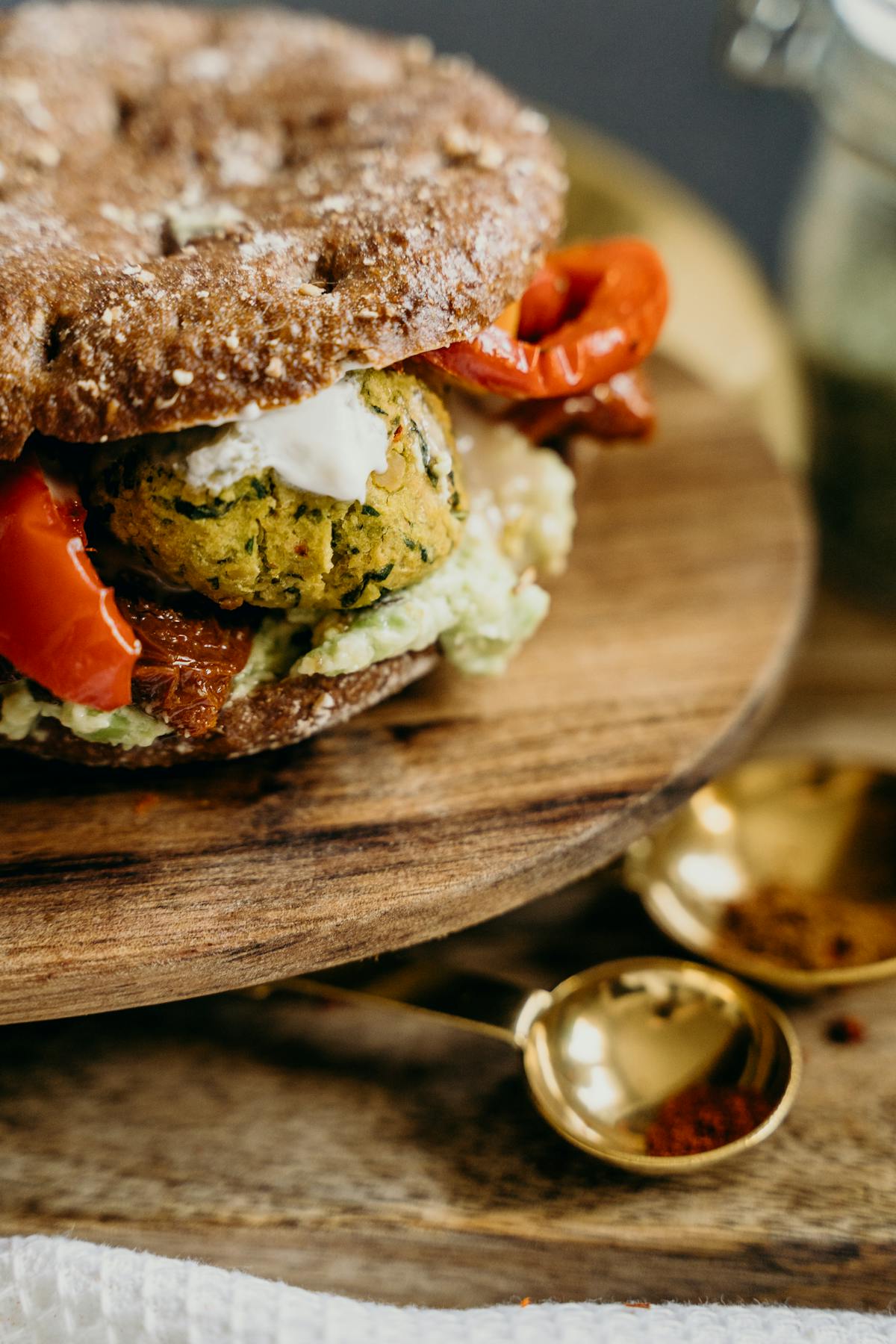
One of the strangest sensations people describe on GLP‑1 medications is a kind of indifference to food. Formerly favorite meals lose their pull; a few bites feel like plenty. While this can support weight loss, it raises real nutrition challenges:
- Too few calories to support energy and hormones
- Inadequate protein, leading to muscle loss
- Low intake of fiber, vitamins, and minerals
Dietitians now focus on “nutrition in small volumes”—packing as much nourishment as possible into modest portions:
- Protein‑forward meals: eggs, Greek yogurt, tofu, beans, fish, lean meat
- Colorful vegetables for fiber and antioxidants, even in half‑cup servings
- Healthy fats like olive oil, avocado, nuts, and seeds for satiety
Muscle Loss, Metabolism & Why Protein Suddenly Matters More

Rapid weight loss—whether from surgery, extreme diets, or GLP‑1 drugs—almost always includes some loss of lean body mass. That matters because muscle is metabolically active tissue; losing too much can:
- Lower your resting metabolic rate
- Make you feel weaker or less stable
- Increase risk of weight regain later
Current guidance from many dietitians and obesity specialists includes:
- Prioritizing protein at nearly every meal and snack
- Resistance training 2–4 times per week, tailored to your ability level
- Discussing options like creatine or targeted supplements with your clinician
For home cooks, this might mean shifting from big bowls of pasta to pasta plus chicken and white beans, or turning a simple salad into a protein‑rich plate with salmon, lentils, or hard‑boiled eggs.
Ethics, Access & the Two‑Tiered Food System
As demand for GLP‑1s has exploded, so have debates about who gets access. Key fault lines include:
- Shortages for people who rely on these drugs to manage type 2 diabetes
- High out‑of‑pocket costs, especially without robust insurance coverage
- The ethics of using potent medications primarily for cosmetic weight loss
On social media, many creators point out the contrast between:
- Expensive weekly injections and concierge medical care
- Communities where fresh, affordable food and safe places to move are scarce
None of this means medication is “cheating” or immoral; for some people, GLP‑1s are life‑changing tools that dramatically improve blood sugar, mobility, and quality of life. But it does raise big questions about a health system where some can buy access to appetite control, while others lack basic preventive care or the means to cook nutrient‑dense meals.
What Happens After Ozempic? The Question of Long‑Term Maintenance
One of the most unsettled parts of the GLP‑1 story is what happens after the injections stop. Early research and real‑world reports suggest:
- Hunger often returns—sometimes strongly
- Weight regain is common if medication is discontinued
- Blood sugar and cardiometabolic markers can worsen again
This pattern is familiar from other weight‑loss methods: the body resists long‑term changes in energy balance. That’s why many specialists now discuss GLP‑1 therapy as potentially long‑term or chronic treatment, especially for people with significant metabolic disease.
GLP‑1s, Fatphobia & The Next Wave of Diet Culture

GLP‑1 medications live at the intersection of hard science and messy culture. On one side: randomized trials, hormone pathways, and clinical guidelines. On the other: fatphobia, beauty standards, stigma, and a wellness industry eager to package the latest trend.
As this “skinny jab” era unfolds, we’re confronted with core questions:
- Can we support people who choose medication without shaming those who don’t—or can’t?
- Can we separate genuine health benefits from the pressure to conform to a narrow body ideal?
- Can we use these tools while also fighting for better food systems, safer movement spaces, and body‑respecting care?
A more compassionate approach to nutrition recognizes that no single injection, meal plan, or workout defines health. Long‑term well‑being is built from many ingredients: supportive relationships, access to nourishing food, joyful movement, mental health care, and yes—when appropriate and desired—evidence‑based medications.
Practical Nutrition Tips If You’re On (or Curious About) GLP‑1 Drugs
If you’re using a GLP‑1 medication, or simply navigating this new landscape, some gentle, food‑focused principles can help:
- Honor small appetites by making each bite count: protein, fiber, color, and healthy fats.
- Keep meals simple and satisfying—soups, stews, stir‑fries, and sheet‑pan dinners are your friends.
- Stay hydrated, especially if you’re experiencing nausea or constipation.
- Move in ways that feel good: walking, gentle strength work, stretching—consistency beats intensity.
- Seek qualified support from registered dietitians and clinicians familiar with GLP‑1 therapy.
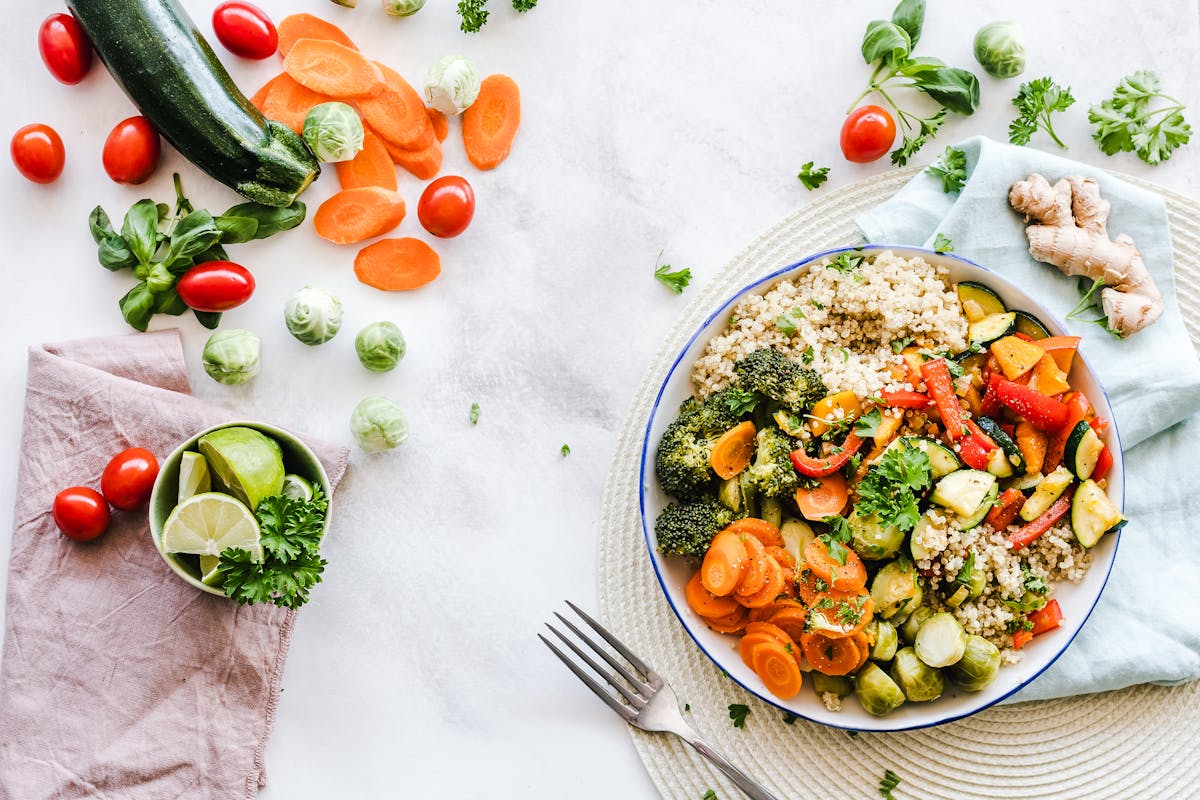
Whether or not you ever touch an injection pen, cooking at home—even a couple of times a week—is still one of the most powerful ways to care for your body. A pot of lentil soup, a tray of roasted vegetables, or a simple piece of fish with lemon and herbs can be quiet acts of resistance against a culture that reduces health to a number on the scale.
Looking Ahead: Beyond the Hype
GLP‑1 drugs are not a fad like juice cleanses or low‑carb crazes; they are potent medical tools that are likely to remain part of obesity and diabetes care for years to come. But they are also now woven into the fabric of diet culture—marketed, debated, and mythologized in ways that can obscure their real risks and benefits.
As we move forward, a healthier public conversation will center nuance: celebrating genuine medical advances, acknowledging harm from stigma and inequity, and remembering that nourishing yourself—whatever your size, whatever your prescription—deserves care, respect, and kindness.

