
Ozempic, Wegovy & the ‘Skinny Jab’ Era: How GLP-1 Drugs Are Rewriting Diet Culture
Ozempic, Wegovy & the Rise of GLP‑1 “Skinny Jab” Diet Culture
Prescription GLP‑1 weight‑loss drugs like Ozempic and Wegovy are reshaping how people think about dieting, with huge visibility driven by celebrity use, TikTok stories, and news coverage. At the same time, they raise important questions about nutrition, ethics, body image, and what sustainable, healthy weight management really looks like.
As we explore this topic, we’ll walk through how GLP‑1 agonists work in the body, what they mean for modern diet culture, how to protect your health if you’re on one of these medications, and where food—and the pleasure of eating—still fits into the picture.
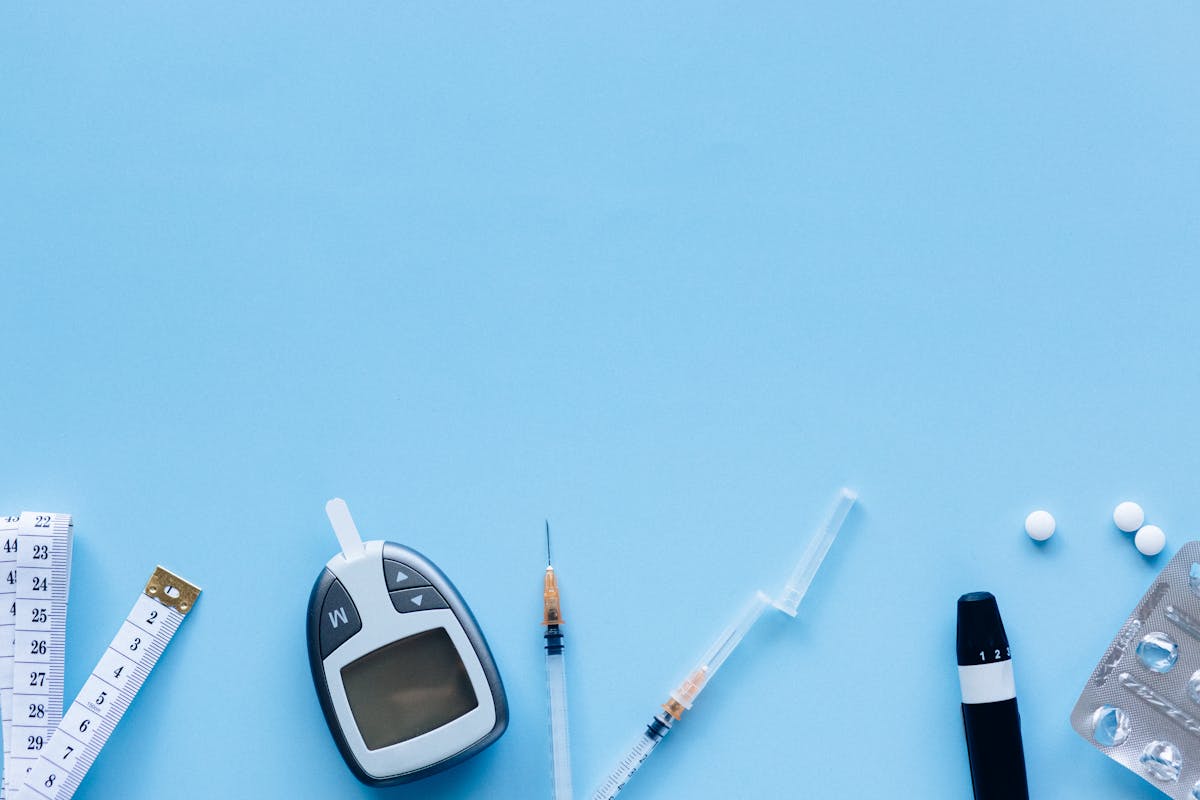
How GLP‑1 Drugs Like Ozempic and Wegovy Work
GLP‑1 agonists are a class of medications that mimic a natural hormone in your body called GLP‑1 (glucagon‑like peptide‑1). This hormone is part of the elegant feedback system that links your gut to your brain and pancreas.
When you eat, your body releases GLP‑1, which:
- Slows gastric emptying – food leaves your stomach more slowly, so you feel comfortably full for longer.
- Increases satiety – your brain gets stronger “I’ve had enough” signals.
- Supports blood sugar control – by boosting insulin release and reducing glucagon when appropriate.
Medications like Ozempic (semaglutide) and Wegovy are powerful synthetic versions of this hormone. They don’t magically melt fat; instead, they change how and how much you feel like eating. For many people, that means:
- Feeling full after a few bites.
- Less interest in snacking or high‑sugar foods.
- Smaller portions that still feel satisfying.
Many users describe it as “for the first time, I can hear my body telling me I’m full—and I actually want to stop.”

From Clinics to TikTok: GLP‑1s and Modern Diet Culture
GLP‑1 injections might have started as quiet tools in endocrinology clinics, but social media turned them into headline news. Celebrity rumors, red‑carpet transformations, and tech‑industry success stories have all helped build a powerful narrative around these “skinny jabs.”
On platforms like TikTok and YouTube, you’ll find:
- Before‑and‑after photos showing dramatic weight changes.
- Weekly video diaries tracking weigh‑ins and clothing sizes.
- Honest side‑effect talk—nausea, vomiting, constipation, diarrhea, and fatigue.
- Discussions of “Ozempic face”, where rapid fat loss leads to a more drawn, aged look.
This constant stream of personal stories makes GLP‑1 drugs feel casual and accessible, even when they are powerful prescription medications. The conversation often skips over nuanced medical context and dives straight into aesthetics: dress sizes, jawlines, and selfies.
Culturally, GLP‑1s sit right at the crossroads of:
- Body image – reinforcing thin ideals for some, offering relief from stigma for others.
- Celebrity influence – where whispers about who’s “on Ozempic” become a kind of gossip currency.
- Tech and biohacking culture – framing medications as optimization tools, not just treatments.
- Healthcare access – highlighting who can afford or obtain these medications and who cannot.
Eating Well on GLP‑1s: Protecting Nutrition When Appetite Drops
Many people on Ozempic or Wegovy describe their appetite shrinking overnight. For some, this feels like a miracle; for dietitians, it’s a yellow flag. When you’re only eating a few bites at a time, every bite needs to count.
The key goal is nutrient density in smaller portions: concentrating protein, fiber, and micronutrients into meals that are gentle on a slower stomach.
Prioritize Protein to Protect Muscle
Rapid weight loss can reduce not only fat but also lean muscle mass. Protein becomes non‑negotiable. Think of it as the structural material that keeps you strong and supports your metabolism while the scale is moving.
Taste-wise, focus on tender, moist textures that are easier to tolerate when appetite and gastric motility are low:
- Soft scrambled eggs or folded omelets with herbs.
- Greek yogurt with berries and finely chopped nuts.
- Poached or braised chicken thighs, shredded into broths or stews.
- Silken or soft tofu in miso soup or stir‑fries.
- Lentil or bean stews cooked until creamy and smooth.
Fiber, Veggies, and Gentle Grains
Fiber supports digestion, blood sugar, and fullness, but with slowed gastric emptying you’ll want the right kind of fiber and good hydration. Think:
- Cooked vegetables instead of raw salads—soft carrots, zucchini, spinach, and squash.
- Oatmeal, quinoa, and soft brown rice rather than very dense grains.
- Soups and stews where vegetables are simmered until tender.
Gentle, Nourishing Meal Ideas
To make this practical, here are some simple, GLP‑1‑friendly meal patterns that respect a low appetite while keeping food enjoyable:
- Breakfast: 1 small bowl of Greek yogurt topped with a spoonful of soft berries and a sprinkle of ground flax or chia.
- Lunch: Half a cup of lentil soup with extra vegetables, plus a slice of whole‑grain toast with a thin smear of soft cheese or hummus.
- Dinner: A few fork‑tender strips of baked salmon, mashed sweet potato, and sautéed spinach with garlic and olive oil.
- Snack: A boiled egg, a small protein shake, or a piece of cheese with a few grapes.
Ethics, Access, and Side Effects: The Complicated Side of GLP‑1s
Behind the glossy stories, GLP‑1 drugs raise serious ethical and social questions. While many people experience life‑changing health improvements, others are caught in medication shortages, cost barriers, or unrealistic expectations.
Off‑Label and Cosmetic Use
Some people without diabetes or clinical obesity seek these medications primarily for aesthetic reasons. This can contribute to:
- Drug shortages for people who need them for type 2 diabetes management.
- Intensified pressure to be thin—now with a pharmaceutical shortcut.
- Underestimation of real medical risks and side effects.
Side Effects and Safety
Common side effects include nausea, vomiting, diarrhea or constipation, abdominal discomfort, and fatigue. More serious but less common risks, such as pancreatitis or gallbladder issues, are also part of the safety conversation.
Clinicians also watch for:
- Malnutrition if intake is too low.
- Excessive muscle loss during rapid weight loss.
- Mental health impacts tied to body image and weight‑focused goals.
Reframing Obesity as a Chronic Disease
On the other hand, clinical trials have shown that GLP‑1 agonists can improve blood sugar, blood pressure, cholesterol, and even some cardiovascular outcomes in people with obesity. This supports a more nuanced view of obesity as a chronic, treatable disease influenced by biology, not just willpower.
For many patients, GLP‑1s offer:
- Reduced joint pain and improved mobility.
- Better blood sugar control and fewer diabetes complications.
- Improved sleep apnea and energy levels.
Life After the Injection: Maintenance, Movement, and Muscle
One of the biggest questions now shaping GLP‑1 diet culture is: What happens when you stop?
Many people regain some or all of the weight they lost if the medication is discontinued, especially if lifestyle patterns haven’t changed or if underlying drivers of weight gain remain.
That’s leading experts to reframe GLP‑1 drugs as potential long‑term therapies for some patients, more like blood pressure medications than a temporary fad.
Resistance Training: Your Metabolism’s Best Friend
Because GLP‑1‑related weight loss can include muscle, strength training becomes crucial. Preserving and building muscle:
- Helps maintain metabolic rate (how many calories you burn at rest).
- Supports joint health and mobility.
- Makes daily activities feel easier and more enjoyable.
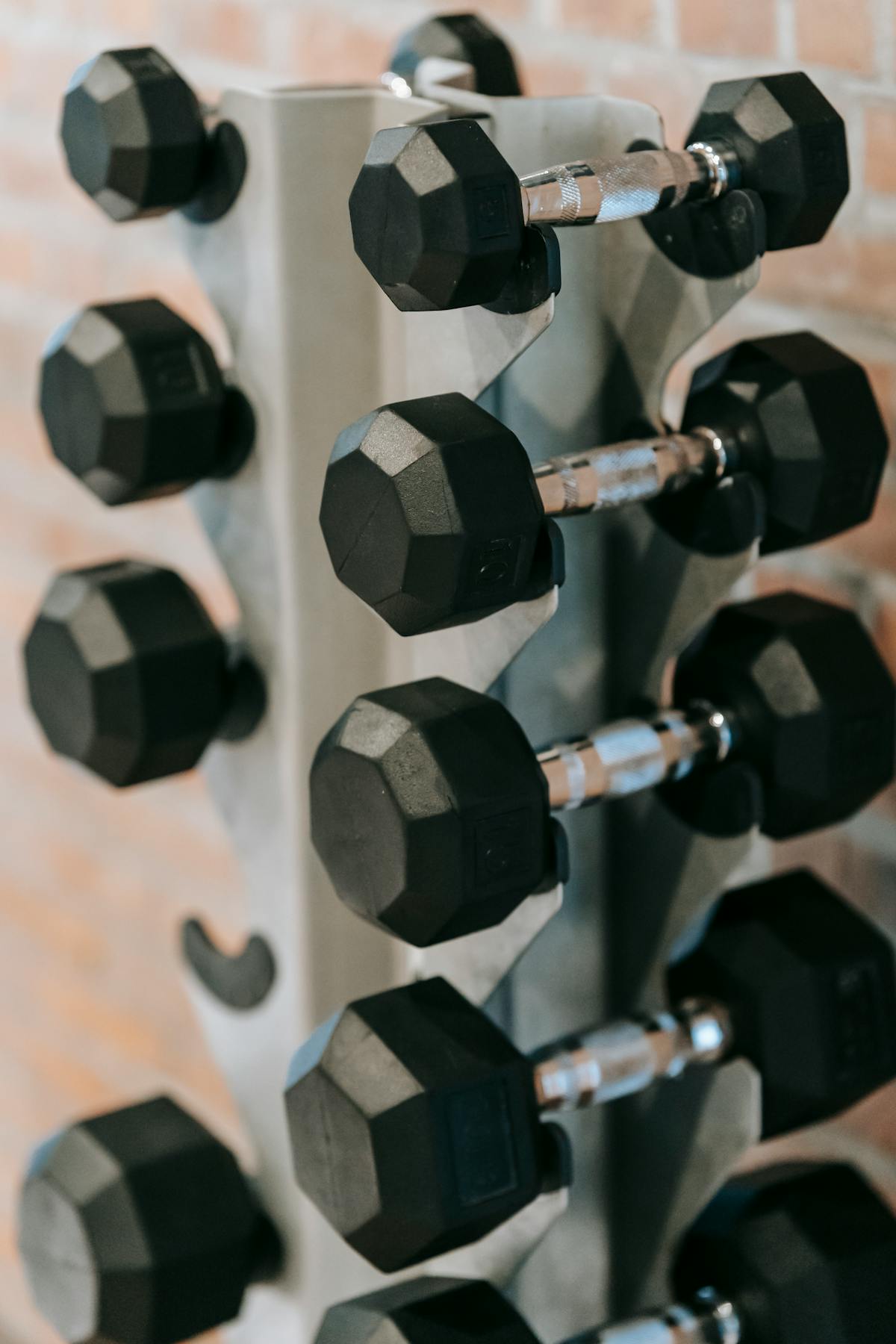
Even 2–3 short sessions per week with resistance bands, bodyweight movements (like squats against a chair or wall push‑ups), or light dumbbells can make a meaningful difference.
Building Sustainable Food Habits
Whether you stay on GLP‑1 medication long‑term or eventually taper off, it helps to treat this period as a chance to practice sustainable eating rhythms, not just chase the lowest possible calorie intake.
- Keep regular meal times, even if portions are small.
- Include protein and fiber at most meals.
- Allow satisfying fats (olive oil, avocado, nuts) for flavor and fullness.
- Keep enjoyable foods in your life—desserts, bread, cultural favorites—just in portions that feel good physically.
Where Food Pleasure Fits In: Enjoyment Beyond Diet Culture
One quieter side‑effect some people notice on GLP‑1s is a muted relationship to food. When you’re rarely hungry, the vibrant thrill of cooking and eating can soften into a neutral background hum. For anyone who has built memories around shared meals, this can feel like a loss.
It may help to shift your focus from quantity to quality and experience:
- Savor smaller portions of favorite dishes, eaten slowly.
- Lean into aroma—herbs, spices, slow simmering soups, toasted spices in a pan.
- Make eating social when possible, focusing more on conversation than what’s on your plate.
- Use colorful vegetables and thoughtful plating so even a few bites feel special and satisfying to the eye.
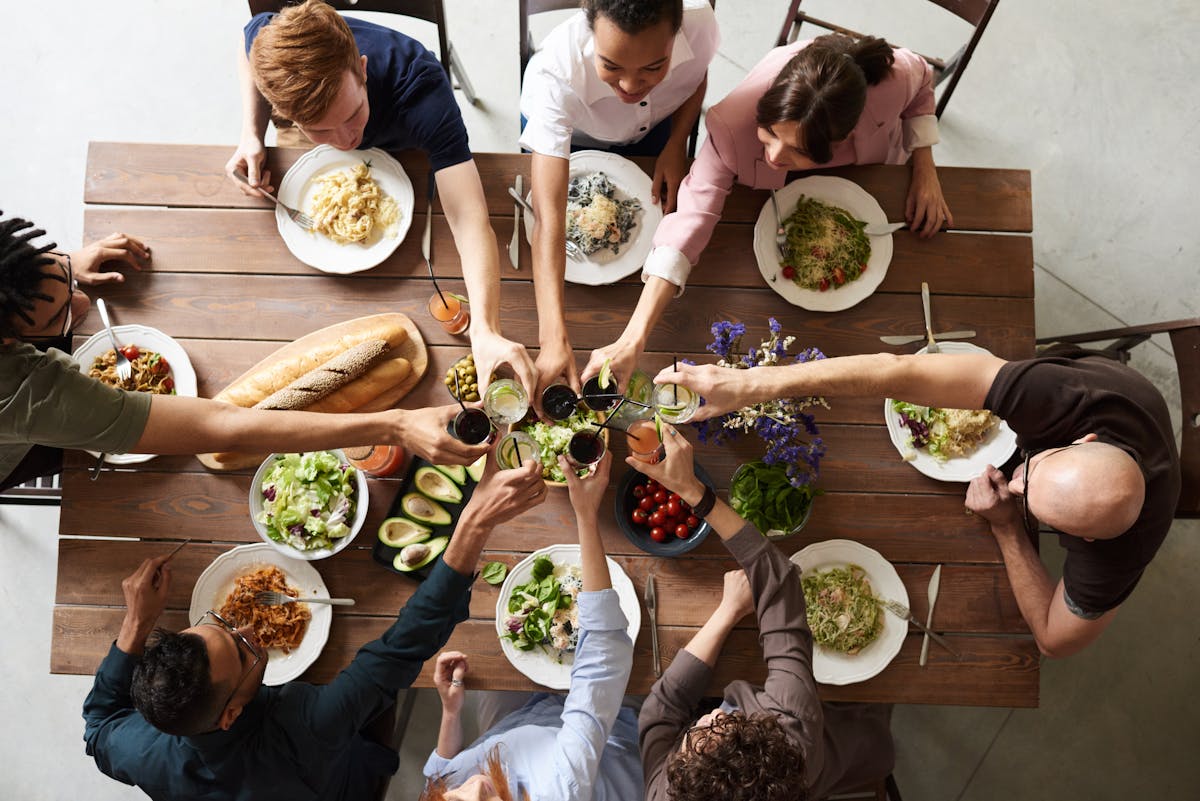
From a cook’s perspective, GLP‑1s don’t have to erase the sensory magic of food. They simply invite you to curate what goes on the plate: deeply flavored broths, silky purees, tender proteins, and bright, herb‑forward sauces that make each small bite feel worth savoring.
