
Ozempic, Wegovy & the New GLP‑1 Weight‑Loss Diet Culture: How These Drugs Are Changing Our Relationship with Food
Updated: February 18, 2026
Ozempic, Wegovy & the Rise of GLP‑1 Weight‑Loss Diet Culture
GLP‑1 weight‑loss drugs like Ozempic, Wegovy, Mounjaro, and Zepbound are reshaping how people think about dieting, appetite, and nutrition. From TikTok “Ozempic journeys” to celebrity red‑carpet speculation, these medications have leapt from endocrinology clinics into the center of diet culture, changing how people plan meals, feel hunger, and talk about health.
For anyone who loves food, this moment is both fascinating and complicated. On one hand, GLP‑1 receptor agonists can make long‑term weight loss achievable for people who have struggled for years. On the other, they raise tough questions about body image, access, and what it means to truly nourish ourselves when our appetites are turned way down.
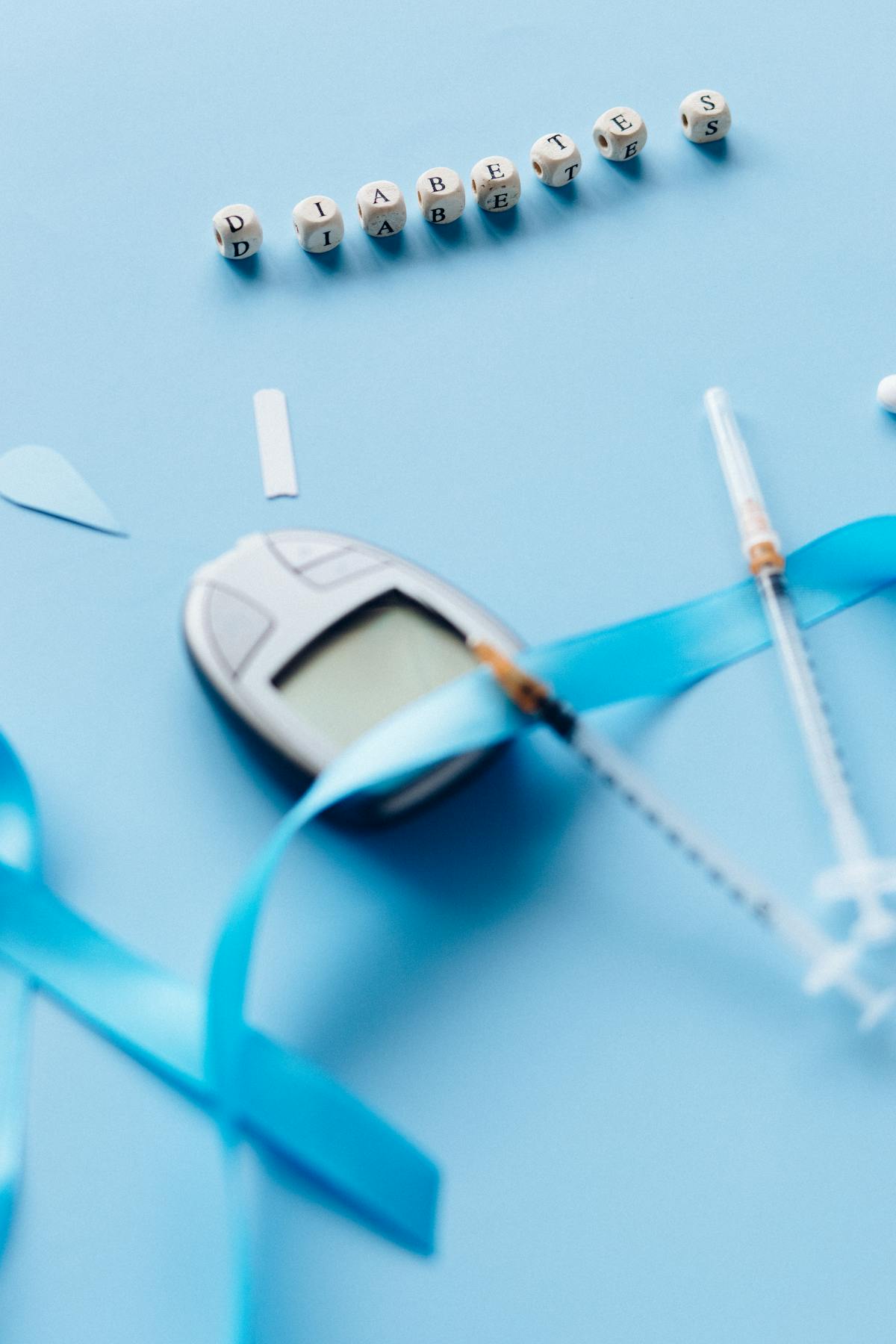
What Are GLP‑1 Weight‑Loss Drugs?
GLP‑1 receptor agonists are medications that mimic a hormone your body naturally makes after you eat. They slow stomach emptying, help regulate blood sugar, and signal your brain that you’re full. Two big names you’ll see everywhere:
- Semaglutide – sold as Ozempic (for type 2 diabetes) and Wegovy (for obesity and overweight with certain conditions).
- Tirzepatide – sold as Mounjaro (diabetes) and Zepbound (weight management).
Originally developed for type 2 diabetes, these drugs have shown significant weight‑loss effects. That’s why they’re now front‑and‑center in conversations about obesity treatment and diet culture, especially in 2025–2026 as more countries approve newer versions and insurers debate coverage.
“Ozempic Journeys” & Social Media Diet Culture
Open TikTok, Instagram, or YouTube, and you’ll see it: people sharing “Ozempic journeys” with before‑and‑after photos, weekly weigh‑ins, and “What I eat on Wegovy” videos. The storyline is often similar—smaller portions, less snacking, and cravings for ultra‑processed foods suddenly dialed way down.

These posts can be inspiring for some and triggering for others. There’s a powerful emotional mix: relief from constant hunger, pride in smaller clothing sizes, anxiety about side effects, and fear of weight regain if the medication stops.
“For the first time in my life, food isn’t the loudest voice in the room.”
That kind of sentiment appears again and again. For many, GLP‑1s don’t just change what’s on the plate—they change the mental soundtrack around food, quieting an internal tug‑of‑war between desire, guilt, and willpower.
Celebrity Hype, Speculation & Misinformation
Celebrity culture has poured gasoline on the GLP‑1 conversation. Magazine covers, red‑carpet photos, and talk‑show segments fuel constant guessing about who might be using Ozempic‑like drugs. While some public figures openly discuss prescription use, much of the conversation is speculative and can easily slide into body shaming.
At the same time, demand has exploded. People swap tips on where to find compounded semaglutide, how to navigate shortages, and how to get prescribed off‑label—sometimes without adequate medical oversight or an understanding of long‑term risks.
How GLP‑1 Drugs Change Eating: Appetite, Taste & Food Rituals
One of the most dramatic shifts people describe on GLP‑1 medications is how different food feels. Hunger cues soften. Fullness arrives quickly—sometimes after just a few bites. Rich, greasy foods may suddenly taste overwhelming or even unappealing, while cold, crisp textures can feel refreshing and easy to tolerate.
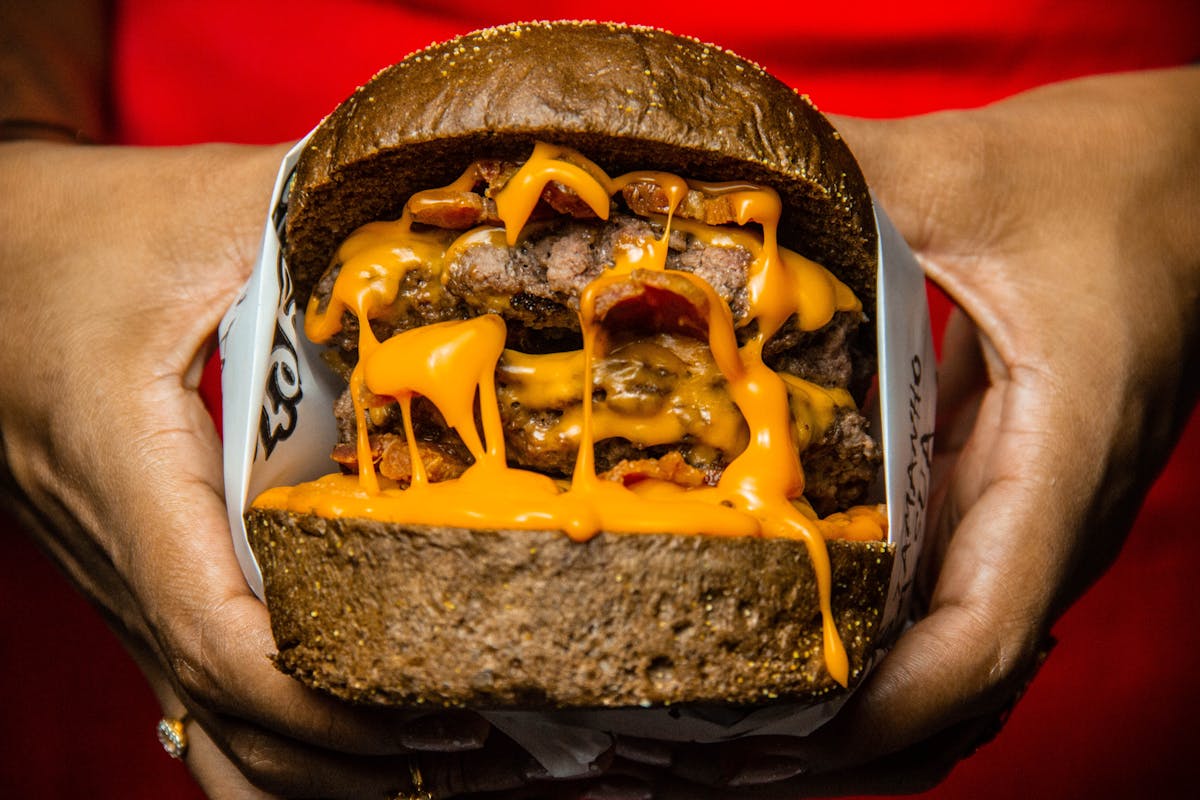
For someone who has always loved big, celebratory meals, this can feel like a loss and a relief at once. The joy of heaping plates may fade, but there’s a new pleasure in savoring a few perfect bites—a soft, protein‑rich scrambled egg; a spoonful of silky Greek yogurt; a forkful of bright salad with just enough tangy dressing.
Culturally, this is a big pivot: diet culture used to be about resisting food. GLP‑1 culture is about re‑negotiating your relationship with it—learning how to nourish a body that simply “wants” less volume.
Protein, Muscle Loss & “Maximum Nutrition per Bite”
Rapid weight loss—no matter the method—can reduce muscle mass alongside fat. That’s why dietitians, sports nutritionists, and physicians who work with GLP‑1 patients now emphasize:
- Higher protein intake to protect lean tissue.
- Resistance training (even light bands or bodyweight) a few times per week.
- Nutrient‑dense foods instead of empty calories, since total intake is lower.

Online, you’ll see this framed as “maximum nutrition per bite.” Instead of giant salads or huge smoothies, people look for small, concentrated options:
- Greek yogurt or skyr with berries and seeds.
- Eggs, tofu scrambles, or cottage cheese on whole‑grain toast.
- Soft baked fish, lentil stews, or bean‑rich soups.
- Smoothies boosted with nut butters, protein powder, or silken tofu.
Micronutrients, Fiber & Eating Well on a Tiny Appetite
When you’re only eating a few small meals, hitting your daily needs for vitamins, minerals, and fiber becomes more challenging. That’s why many healthcare providers and dietitians now focus on:
- Color variety (dark greens, orange vegetables, berries) to cover a range of micronutrients.
- Whole grains and legumes in modest portions for fiber, iron, and B vitamins.
- Healthy fats like olive oil, avocado, nuts, and seeds in small amounts for satisfaction and absorption of fat‑soluble vitamins.

Some people on GLP‑1s use a daily multivitamin or specific supplements (like vitamin D or B12) on a doctor’s advice, but food remains the foundation. Because portions are small, every plate becomes a chance to “pack in” color, texture, and flavor rather than just chasing fullness.
Nausea, Constipation & Gentle Eating Strategies
Gastrointestinal side effects are common in the first weeks or dose increases of GLP‑1 therapy. People frequently report nausea, vomiting, constipation, or feeling uncomfortably full after small amounts of food. In response, social media communities have created an informal playbook of “GLP‑1‑friendly” eating:
- Low‑grease, lower‑fat meals—heavy, fried foods often feel worst.
- Small, frequent bites rather than big meals.
- Hydration throughout the day, sometimes with electrolytes.
- Gradual fiber increases to ease constipation without bloating.

Ethics, Access & the Shadow of Weight Stigma
Beyond recipes and side‑effect tips, GLP‑1 drugs raise deep ethical questions. Critics worry that their popularity reinforces the idea that thinner is always better and that larger bodies are problems to be “fixed,” rather than challenging weight stigma and structural issues like food deserts, poverty, and bias in healthcare.
There’s also the matter of access. These medications are expensive, insurance coverage is patchy, and shortages have made it harder for some people with diabetes to fill prescriptions. Meanwhile, wealthier patients may use newer versions primarily for cosmetic weight loss.
GLP‑1s can be a powerful tool—but they don’t replace policies that make nutritious food, movement, and respectful healthcare available to everyone.
Online, you’ll find a wide spectrum of voices: people who finally feel hopeful after decades of yo‑yo dieting, activists worried about deepening inequalities, and clinicians trying to thread the needle—offering effective treatment without reinforcing shame or unrealistic body ideals.
What Doctors & Dietitians Emphasize in 2026
Healthcare professionals active on TikTok, YouTube, and X (Twitter) now spend much of their GLP‑1 content debunking myths and offering grounded guidance. Common themes include:
- These drugs are not magic. They work best as part of an overall care plan.
- Stopping often leads to weight regain. Obesity is typically chronic, and long‑term management is usually needed.
- Lifestyle changes still matter. Nutrition quality, movement, sleep, and mental health remain key.
- Monitoring is essential. Side effects, lab values, and mental health should be regularly checked.

From Willpower to Pharmacology: What This Means for Diet Culture
GLP‑1 medications are pushing diet culture into new territory. For decades, weight loss advice revolved around willpower: eat less, move more, resist temptation. Now, appetite itself can be medically turned down, and traditional dieting—keto, fasting, points, and macros—faces a new reality.
The conversation is slowly shifting from punishment to support: How can we design meals that feel good in a body with a tiny appetite? How do we protect muscle and energy while losing weight? How do we respect people’s autonomy if they choose medication, without suggesting that every larger body should?
If there’s a hopeful thread, it’s this: when appetite and shame are no longer the center of the story, food can return to what it’s always been at its best—an opportunity to care for ourselves, to enjoy flavor and texture, to honor culture and connection, even if the plate is smaller than it used to be.
Gentle, Food‑Loving Tips for Anyone on a GLP‑1 Journey
If you’re navigating life on Ozempic, Wegovy, Mounjaro, Zepbound, or a similar medication, you deserve food that feels good—physically and emotionally. A few supportive ideas:
- Prioritize protein and plants in every small meal.
- Eat slowly, pausing to check in with your body.
- Keep a few “safe” gentle foods on hand for rough nausea days (broths, yogurt, toast, bananas, simple soups).
- Honor the emotional side of changing your appetite—grief and relief can coexist.
- Reach out for professional and community support when you need it.
Most of all, remember: you’re not “cheating” by using medication. You’re working with your biology in a new way. Whatever path you choose—GLP‑1s, lifestyle changes alone, or none of the above—you deserve respect, good information, and food that truly nourishes you.
