
Ozempic, GLP‑1 Drugs, and the New Food Culture: How to Eat Well on the ‘Ozempic Diet’
Ozempic, GLP‑1 Drugs, and the ‘Ozempic Diet’ Backlash
GLP‑1 weight‑loss drugs like Ozempic and Wegovy are reshaping diet culture, sparking passionate debate about nutrition, muscle loss, and long‑term health. In just a few years, these medications have shifted the conversation from “willpower and discipline” to biology, hormones, and sustainable habits—and they’ve created a new wave of questions about how, and what, we should eat.
Food hasn’t stopped being joyful or comforting, but for many people on GLP‑1s, the experience of hunger, fullness, and even cravings feels radically different. That change can be unsettling, liberating, or a bit of both. This guide explores how Ozempic and similar drugs work, why the “Ozempic diet” idea is controversial, and how to build satisfying, nourishing meals that support your body—whether you’re on a GLP‑1 medication or simply curious about the trend.
Quick Overview: GLP‑1 Drugs and Diet at a Glance
If you’re short on time, here’s the heart of the conversation around Ozempic, Wegovy, and similar GLP‑1 drugs:
- What they are: GLP‑1 agonist medications originally used for type 2 diabetes, now widely prescribed for obesity and weight management.
- How they work: They mimic the hormone GLP‑1, slowing stomach emptying, reducing appetite, and affecting blood sugar and insulin secretion.
- Why they’re everywhere: Highly visible, rapid weight‑loss results—often shared on social media—have made them a cultural lightning rod.
- Big nutrition concern: With much less appetite, it’s easier to under‑eat protein and key nutrients, increasing the risk of lean muscle loss and deficiencies.
- Healthy focus: Smaller, protein‑rich, nutrient‑dense meals; gentle or moderate fat intake; resistance training; and attention to mental health and body image.
Why GLP‑1 Drugs and the ‘Ozempic Diet’ Are Trending
The rise of Ozempic, Wegovy, and other GLP‑1 agonists from 2024–2026 has been nothing short of explosive. A few forces came together at once: celebrity and influencer buzz, striking before‑and‑after photos, and a deep public fatigue with traditional dieting that “never sticks.”
Food creators, fitness coaches, and dietitians are now publishing endless content about “how to eat on Ozempic” and “keeping weight off after GLP‑1s.” Alongside excitement, there’s a growing backlash: fears about long‑term safety, uneven access, and what happens to our cultural relationship with food when appetite is pharmacologically suppressed.
- Celebrity & influencer adoption: Rumored and confirmed use has fueled curiosity, criticism, and sometimes unrealistic expectations.
- Visible results: Many people see double‑digit percent weight loss in months, making GLP‑1 journeys highly shareable on TikTok, Instagram, and YouTube.
- Controversy: Side effects, potential nutrient gaps, and equity issues (who can afford or access these drugs) are hotly debated.
- Industry shift: Nutrition and fitness professionals are pivoting from “calorie deficits” to nuanced GLP‑1‑specific guidance.

How GLP‑1 Drugs Change Hunger, Fullness, and Food Choices
Ozempic, Wegovy, and similar drugs mimic an intestinal hormone called GLP‑1 (glucagon‑like peptide‑1). This hormone is part of the body’s elegant system for coordinating digestion, blood sugar, and appetite. When you take a GLP‑1 agonist:
- Your stomach empties more slowly, so food lingers longer and you feel full sooner and for longer.
- Your appetite drops, and cravings—especially for high‑sugar, high‑fat foods—often shrink or feel distant.
- Your insulin response becomes more efficient, which helps stabilize blood sugar.
On a sensory level, many people describe it like this:
“It’s like the noise in my head around food turns down. I still enjoy flavors, but I’m not constantly thinking about my next bite.”
That quieting of appetite can feel peaceful, especially if you’ve battled cravings for years. But it can also be disorienting or even sad if food has been a big source of joy or cultural connection in your life. The key is to use this window to cultivate intentional, nutrient‑dense eating, rather than sliding into accidental under‑nutrition.
Key Nutrition Challenges on Ozempic and GLP‑1 Drugs
Because GLP‑1 medications lower appetite so effectively, many people eat far less without really trying. That can sound ideal from a weight‑loss perspective—but from a nutrition standpoint, it introduces real challenges.
1. Protein and Muscle Preservation
With reduced overall intake, getting enough protein becomes harder. Many clinicians now recommend roughly 1.6–2.2 g of protein per kilogram of body weight per day for people actively losing weight, especially if they’re using GLP‑1 drugs and want to preserve lean mass.
- Why it matters: Protein supports muscle, bone health, immune function, and satiety.
- Risk: Significant weight loss without enough protein and resistance training can mean losing more muscle than you’d like.
2. Micronutrient Density
When someone naturally shifts from three meals and snacks to just one or two small meals, every bite has to work harder. Nutrient‑dense foods become non‑negotiable:
- Dark leafy greens (spinach, kale, chard)
- Legumes (lentils, chickpeas, black beans)
- Eggs, Greek yogurt, cottage cheese
- Lean meats, tofu, tempeh, and fish
- Fortified whole grains and cereals
3. Gastrointestinal Comfort
Because GLP‑1s slow gastric emptying, big, heavy, or very high‑fat meals can cause nausea, reflux, or that “rock in the stomach” feeling. Many people feel better with:
- Smaller, more frequent mini‑meals
- Moderate, not extreme, fat intake
- Steady hydration throughout the day
4. Relationship with Food
Some users describe feeling strangely detached from food. For people who’ve struggled with binge‑eating or constant “food noise,” this can be profoundly relieving. But there’s a shadow side: loss of pleasure, disconnection from cultural food traditions, or anxiety about whether they’ll “lose control” if they stop the medication.
What Is the “Ozempic Diet” Really?
There isn’t a single, official “Ozempic diet.” Instead, the term describes a loose cluster of strategies emerging from:
- Clinical guidelines and research on GLP‑1 medications
- RD and trainer recommendations for muscle preservation
- Patient experiences and creator content online
In practice, the “Ozempic diet” looks less like a rigid meal plan and more like a set of priorities:
- Protein first: Center each eating occasion around high‑quality protein.
- Whole foods over ultra‑processed: Especially given smaller appetites, choose real, minimally processed ingredients when possible.
- Gentle on the stomach: Moderate portions, lower‑fat cooking methods, and plenty of fluids.
- Muscle‑savvy movement: Resistance training 2–4 times per week to preserve strength and physique while weight drops.
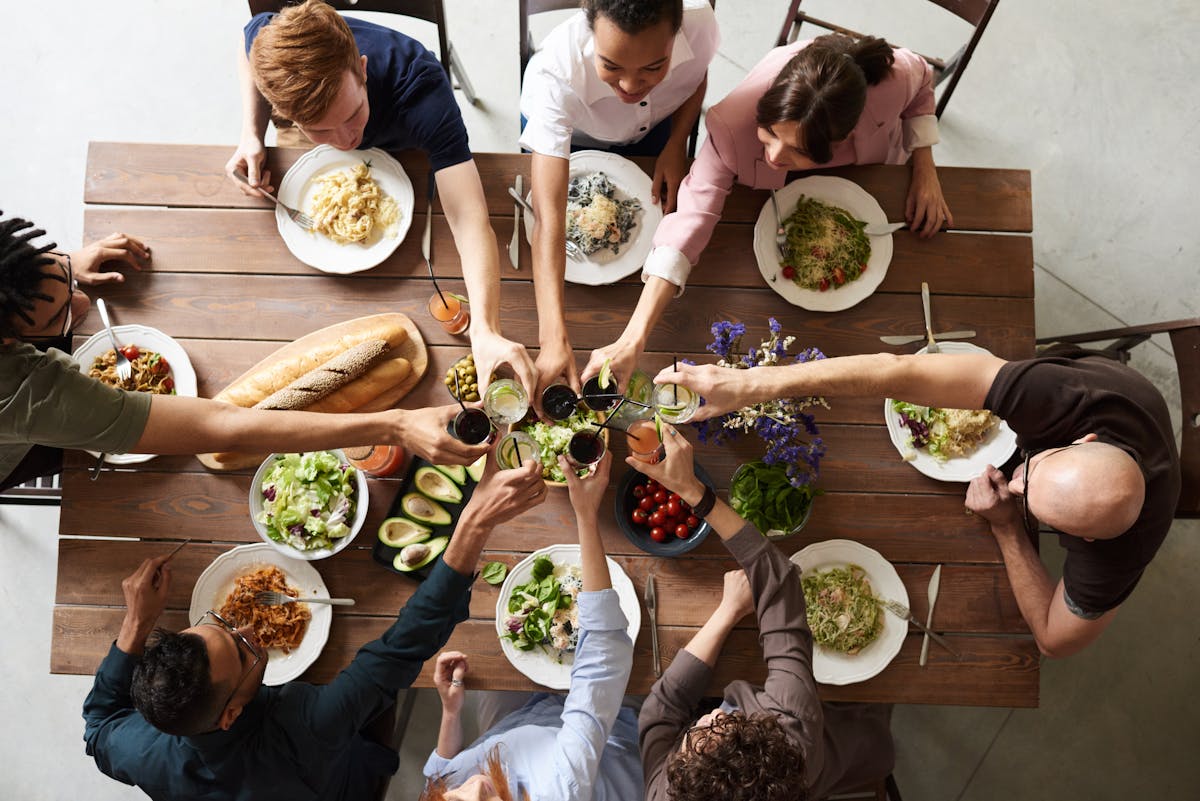
High‑Protein Mediterranean Bowl for the Ozempic Diet
A vibrant, high‑protein Mediterranean‑style bowl designed for GLP‑1 users: gentle on the stomach, rich in flavor, and packed with nutrients in a modest portion size.
Prep time:
Cook time:
Total time:
Servings: 4 small bowls
Difficulty: Easy
Ingredients
For the bowl:
- 450 g (1 lb) boneless, skinless chicken breast or thighs, trimmed
- 2 tbsp extra‑virgin olive oil, divided
- 1 tsp ground cumin
- 1 tsp smoked or sweet paprika
- 1/2 tsp dried oregano
- 1/2 tsp garlic powder
- 1/2 tsp fine sea salt, plus more to taste
- 1/4 tsp freshly ground black pepper
- 150 g (3/4 cup) dry quinoa or brown rice, rinsed
- 480 ml (2 cups) low‑sodium chicken or vegetable broth (or water)
- 1 small cucumber, diced
- 200 g (about 1 cup) cherry tomatoes, halved
- 1 small red bell pepper, diced
- 60 g (2 cups loosely packed) baby spinach or mixed greens
For the yogurt lemon sauce:
- 240 g (1 cup) plain Greek yogurt (2% or 0% fat)
- 1 tbsp fresh lemon juice
- 1 tsp lemon zest (optional but bright and lovely)
- 1 small garlic clove, very finely minced or grated
- 1–2 tbsp water, to thin as needed
- Pinch of salt and black pepper, to taste
Optional garnishes (highly recommended):
- 2 tbsp crumbled feta cheese
- 2 tbsp chopped fresh parsley or mint
- 1 tbsp toasted pumpkin seeds or slivered almonds
Equipment
- Medium saucepan with lid (for quinoa or rice)
- Large nonstick or cast‑iron skillet, or grill pan
- Mixing bowl for marinating chicken
- Small bowl for yogurt sauce
- Cutting board and sharp knife
- Measuring cups and spoons
Step‑by‑Step Instructions
Cook the quinoa or rice.
Rinse the quinoa or brown rice under cold water. In a medium saucepan, combine grains with the broth (or water) and a pinch of salt. Bring to a gentle boil, then reduce heat to low, cover, and cook according to package directions (usually 15–20 minutes for quinoa, 30–35 for brown rice) until tender and fluffy. Remove from heat, keep covered, and let steam for 5–10 minutes.
Fluff your grains with a fork so they stay light and easy to digest—a plus when you’re on a GLP‑1. Marinate the chicken.
While the grains cook, cut the chicken into bite‑sized strips or cubes. In a bowl, combine 1 tbsp olive oil, cumin, paprika, oregano, garlic powder, salt, and pepper. Toss the chicken thoroughly to coat. Let it sit for at least 10 minutes (or cover and refrigerate up to 4 hours for deeper flavor).
Prepare the vegetables.
Dice the cucumber and bell pepper, halve the cherry tomatoes, and roughly chop the spinach if the leaves are large. Keep each component in its own small bowl so you can assemble bowls in a way that suits your appetite and tolerance.
Bright, crunchy vegetables add fiber, vitamins, and satisfying texture—even in smaller portions. Mix the yogurt lemon sauce.
In a small bowl, stir together Greek yogurt, lemon juice, zest (if using), garlic, a pinch of salt, and pepper. Add 1–2 tbsp water, a little at a time, until the sauce is spoonable but still thick and creamy. Taste and adjust seasoning.
Cook the chicken.
Heat the remaining 1 tbsp olive oil in a large skillet over medium to medium‑high heat. Add the marinated chicken in a single layer. Cook for 4–6 minutes, stirring occasionally, until the pieces are lightly browned and cooked through (internal temperature 74 °C / 165 °F). If using thighs, they’ll stay extra juicy—great when your appetite is low and every bite counts.
Well‑seasoned, tender protein makes smaller servings deeply satisfying. Fluff and portion the grains.
Uncover the quinoa or rice and fluff with a fork. For GLP‑1‑friendly portions, start with about 1/3 to 1/2 cup cooked grains per bowl. You can always add more later if you feel comfortable.
Assemble the bowls.
In each bowl, layer:
- A small scoop of grains
- A handful of spinach or greens
- A spoonful each of cucumber, tomato, and bell pepper
- 1/4 of the cooked chicken
Drizzle with 2–3 tbsp of yogurt sauce. Sprinkle with feta, herbs, and seeds or nuts if using.
Keep portions modest and balanced: protein, whole grains, colorful vegetables, and a creamy yet light sauce. Pause, taste, and adjust.
Eat slowly, paying attention to your hunger and fullness cues. Because GLP‑1s can make fullness sneak up on you, start with less than you think you need—you can always add another spoonful of chicken or vegetables. Season with a squeeze of extra lemon or a pinch more salt if desired.
Storage and Reheating Tips
- Refrigeration: Store components separately in airtight containers for up to 3–4 days: chicken, grains, chopped veggies, and sauce.
- Reheating protein and grains: Warm chicken and grains gently in the microwave with a splash of water, or briefly on the stovetop. Avoid very hot, heavy meals if you’re prone to nausea on GLP‑1s.
- Serving from leftovers: Assemble small bowls as needed so you can adjust portion sizes day by day depending on how your appetite feels.
How to Serve This Bowl on the Ozempic Diet (and Beyond)
This Mediterranean bowl is intentionally modular, so you can tune it to your appetite and tolerance while staying nourished:
- As a light main meal: Great for days when your appetite is low but you still want 25–35 g of protein in one sitting.
- As two mini‑meals: Split one serving into two smaller bowls if large portions feel uncomfortable.
- Paired with a simple soup: A small bowl of broth‑based soup (like lentil or vegetable) can add gentle warmth and hydration.
- With extra greens: Serve over a larger bed of leafy greens if raw veggies sit well with you.
Beyond One Recipe: Long‑Term Health on GLP‑1s
While one beautifully balanced bowl is a great start, the cultural conversation around the “Ozempic diet” is really about long‑term patterns and what happens after the honeymoon phase.
1. Life After GLP‑1 Medications
Many people regain weight when they stop GLP‑1 drugs, especially if old habits slip back in or if there was never time to build sustainable routines. Healthcare teams are increasingly focusing on:
- Gradual, planned transitions off medication when appropriate
- Ongoing support from dietitians, trainers, and therapists
- Acceptance that obesity is often a chronic, biologically driven condition
2. Access, Equity, and Ethics
GLP‑1 drugs are expensive, and insurance coverage is inconsistent, raising difficult questions about who benefits from this new technology. Meanwhile, people who can’t access the medications are still often told to “just diet harder,” even as the medical community acknowledges that biology plays a major role.
3. Redefining Willpower and Blame
Perhaps the most powerful cultural shift is this: GLP‑1s are challenging the old narrative that weight is purely a matter of willpower. When a weekly injection dramatically changes hunger and cravings, it becomes harder to argue that people who struggle with weight simply “aren’t trying.”
In that light, food becomes less a test of character and more a tool for care—a way to support your body’s biology, not fight against it. Whether you personally use GLP‑1 medications or not, you can choose to eat in a way that is kind, protein‑aware, and deeply satisfying to your senses.
Bringing Joy Back to the Table
You don’t have to give up the pleasures of food just because your appetite has changed. A smaller bowl can still be fragrant with lemon and garlic, bright with herbs and tomatoes, and comforting with warm grains and tender chicken. The goal isn’t to chase tiny portions forever—it’s to build eating patterns that feel sustainable, respectful of your body, and connected to the people and traditions you love.
Whether you’re on Ozempic, another GLP‑1 drug, or simply watching this trend from the sidelines, you deserve meals that nourish your health and delight your senses. Start where you are, cook what you can, and let each plate be one more step toward a kinder relationship with food.
