Ozempic Diets Decoded: How to Eat Well on GLP‑1 Weight‑Loss Medications
Ozempic, GLP‑1 Drugs, and the New Wave of ‘Ozempic Diets’: How to Actually Eat on These Medications
Prescription GLP‑1 weight‑loss drugs like Ozempic, Wegovy, and Mounjaro are reshaping how we think about dieting. Instead of white‑knuckling through hunger, people are suddenly dealing with the opposite problem: tiny appetites, strong side effects, and confusion about what an “Ozempic diet” should look like. This guide brings together the latest (as of early 2026) nutrition thinking so you can feel nourished, protect your muscles, and build habits that last long after the prescription ends.
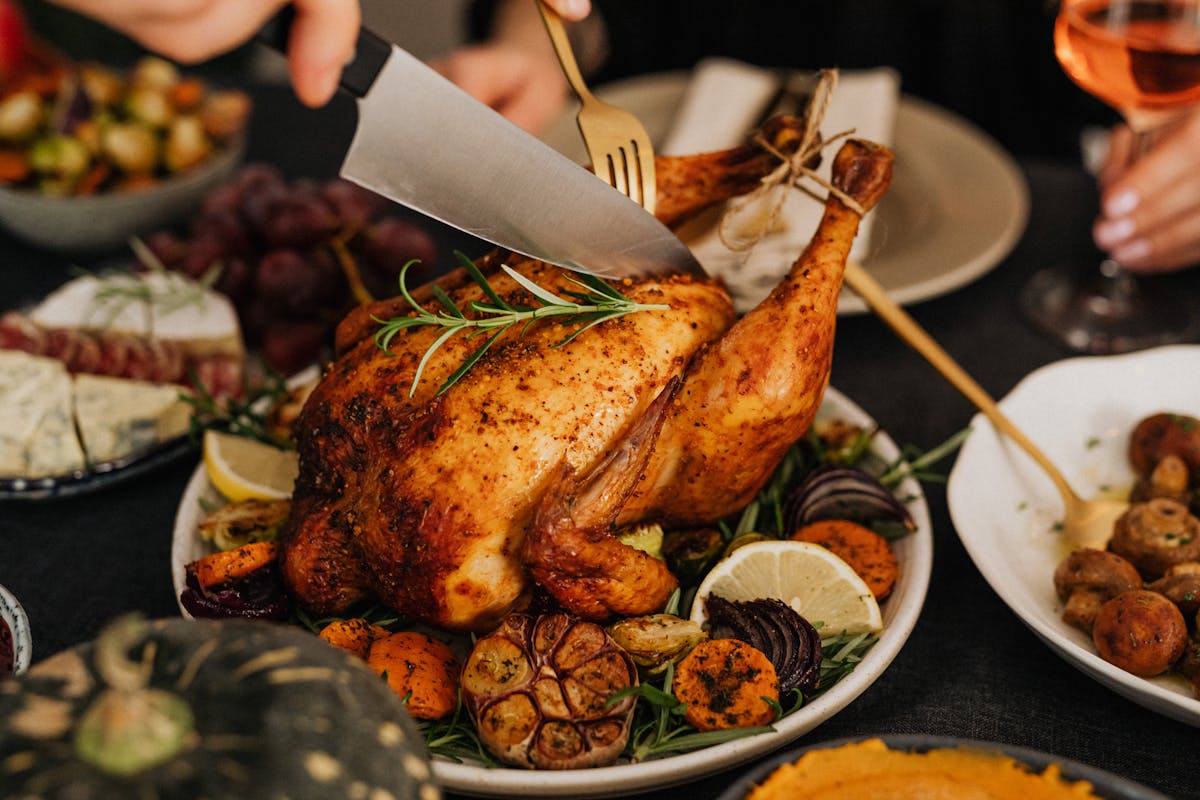
Quick Guide to Eating on Ozempic & GLP‑1 Drugs
Focus: Protein, fiber, and whole foods
Goal: Preserve muscle, support steady weight loss
Best for: People on GLP‑1s like Ozempic, Wegovy, Mounjaro (with medical supervision)
Difficulty: Easy, but requires planning due to low appetite
What Are GLP‑1 Drugs Like Ozempic, Wegovy, and Mounjaro?
GLP‑1 receptor agonists—medications like Ozempic (semaglutide), Wegovy (semaglutide at a higher dose), and Mounjaro (tirzepatide)—were originally developed for type 2 diabetes. They mimic a gut hormone called GLP‑1 that:
- Slows gastric emptying (food leaves your stomach more slowly, so you feel fuller longer).
- Acts on appetite centers in the brain to reduce hunger and cravings.
- Helps regulate blood sugar after meals.
For many people, that adds up to dramatic weight loss—often far beyond what they could manage with diet and exercise alone. As prescriptions have surged worldwide, so has the online buzz about the “Ozempic diet,” “GLP‑1 diet,” and before‑and‑after transformations.
Why “Ozempic Diets” Are Everywhere Right Now
GLP‑1 drugs aren’t just a medical story—they’re a cultural moment. They sit at the crossroads of celebrity diets, social media, and shifting attitudes about obesity and body image.
- Celebrity and influencer buzz
Rumored and confirmed use in Hollywood and among influencers keeps GLP‑1 drugs in headlines and comment sections, fueling constant speculation and comparison. - Dramatic before‑and‑after content
Platforms like TikTok, Instagram, and YouTube are packed with rapid‑weight‑loss transformations that garner millions of views, often without much nuance about health, context, or side effects. - Shortages, cost, and controversy
News about supply issues for people with diabetes, high out‑of‑pocket costs, and side effects like nausea, muscle loss, and so‑called “Ozempic face” keeps debate alive. - Mass diet confusion
People search frantically for “Ozempic diet plan” and “what to eat on Wegovy,” unsure how to eat enough protein, avoid nausea, and keep weight off after stopping the drug.

From Willpower to Medication: How GLP‑1s Are Changing the Diet Conversation
For decades, most weight‑loss advice boiled down to “eat less, move more”—putting the blame squarely on willpower. GLP‑1 drugs are pushing a very different narrative: that obesity is a chronic, biologically complex condition which can respond to pharmacological treatment, much like high blood pressure or high cholesterol.
That shift reduces shame for many people, but it also raises new questions:
- How do you make sure your body gets what it needs when you’re rarely hungry?
- How do you prevent losing as much muscle as fat?
- What happens when you come off the drug—how do you avoid rapid regain?
The emerging answer from dietitians, strength coaches, and metabolic researchers is clear: What and how you eat still matters—a lot.
GLP‑1s change the playing field, but they don’t replace the need for nourishing food, movement, and realistic expectations.
Core Nutrition Priorities on an Ozempic or GLP‑1 Diet
When your appetite shrinks, your nutritional stakes go up. Every bite has to carry more of the load—especially for protein, fiber, vitamins, and minerals.
1. Protein and Muscle Preservation
One of the biggest concerns with rapid weight loss—whether from crash diets or GLP‑1s—is loss of lean body mass. Without enough protein and resistance training, your body will happily break down muscle along with fat.
Many people on Ozempic find themselves eating far fewer calories than before—sometimes 800–1,200 per day—simply because they’re not hungry. That can mean protein intakes that are too low to protect muscle.
- Aim for roughly 1.2–1.6 g of protein per kg of body weight per day if your healthcare provider agrees.
- Spread protein across meals and snacks (15–30 g at a time is a good target for most adults).
- Combine with strength or resistance training 2–3 times per week to signal your body to hold onto muscle.
Protein foods that tend to sit well on GLP‑1s include:
- Eggs or egg whites (boiled, scrambled, or in a soft omelet).
- Greek or Icelandic yogurt (plain, low‑sugar, lactose‑free if needed).
- Soft fish (salmon, cod, trout) baked or poached.
- Lean poultry (chicken or turkey), preferably moist rather than dry.
- Tofu, tempeh, and soft lentil or bean dishes for plant‑based eaters.
- Protein shakes or smoothies for days when chewing feels like too much work.

2. Micronutrient Density and Fiber
When you’re only eating a few small meals, you can’t “waste” many bites on foods that don’t bring nutrients along for the ride. Think of every plate as concentrated nutrition in a small package.
Try to include:
- Colorful vegetables: spinach, kale, broccoli, carrots, bell peppers, tomatoes, roasted squash.
- Whole fruits: berries, citrus, kiwi, apples, pears (peeled if fiber upsets your stomach).
- Whole grains and starchy veg: oats, quinoa, brown rice, sweet potato, pumpkin.
- Healthy fats: avocado, olive oil, nuts, seeds, fatty fish.
Fiber supports digestion, blood sugar balance, and fullness—but too much at once can worsen GLP‑1‑related nausea, gas, or bloating. Increase slowly and listen to your gut (literally).
3. Hydration and Electrolytes
Nausea and low intake can make dehydration sneak up on you. Unfortunately, dehydration can amplify headaches, constipation, and fatigue.
- Sip water throughout the day rather than chugging large glasses at once.
- Consider adding a low‑sugar electrolyte drink if you’re struggling to eat.
- Include hydrating foods like soups, stews, yogurt, and juicy fruits if tolerated.
Eating to Manage Common Ozempic & GLP‑1 Side Effects
Side effects vary, but many people experience nausea, early fullness, reflux, constipation, or diarrhea. Food timing and texture can make a big difference.
- Keep portions small and frequent
Three huge meals are likely to backfire. Try 4–6 mini‑meals or snacks instead, spaced every 2–3 hours if your provider is okay with that. - Eat slowly and mindfully
Because gastric emptying is slowed, eating quickly can create an uncomfortable “brick” feeling in your stomach. Put your fork down between bites and give your body time to send fullness signals. - Go easy on high‑fat, fried foods
Rich, greasy meals can intensify nausea and reflux on GLP‑1s. Focus on baked, steamed, or lightly sautéed dishes with modest oil. - Choose bland or gentle foods on rough days
Crackers, toast, plain rice, bananas, applesauce, simple broths, and lightly seasoned proteins often sit better than spicy or acidic foods. - Manage constipation proactively
Include gentle fiber (oats, cooked veg, chia pudding), stay hydrated, and talk with your clinician about stool softeners or fiber supplements if needed.
A Gentle, High‑Protein Sample Day for an Ozempic Diet
Every body is different, and your calorie needs will depend on your size, activity level, and medical guidance. Think of this sample day as inspiration, not prescription—especially if your appetite is very low.
Morning
- Option 1: Greek yogurt parfait with berries and a spoonful of oats or granola.
- Option 2: Scrambled eggs with spinach and a small slice of whole‑grain toast.
- Option 3: Protein smoothie with whey or plant protein, banana, spinach, and peanut butter.
Midday
- Soft baked salmon with quinoa and roasted carrots, dressed with lemon and a drizzle of olive oil.
- OR a tofu and vegetable stir‑fry served over brown rice, seasoned mildly with ginger and garlic.
Afternoon Snack
- Cottage cheese or hummus with cucumber slices and cherry tomatoes.
- Handful of nuts and a small piece of fruit if tolerated.
Evening
- Turkey or lentil chili with beans and veggies, topped with plain yogurt instead of sour cream.
- OR baked chicken thighs with sweet potato and green beans, lightly seasoned.
Before Bed (If Needed)
- Warm milk (dairy or fortified plant milk) with cinnamon.
- Half a banana or a few crackers if your stomach is okay with it.
After Ozempic: How to Reduce Weight Regain Risk
One of the biggest worries around GLP‑1 medications is what happens when you stop. Studies and real‑world reports suggest that some weight regain is common once the drug is discontinued, especially if old habits return and appetite rebounds sharply.
While there’s no way to guarantee maintenance, certain habits can help:
- Keep your protein high to support muscle mass and satiety even without the medication’s appetite control.
- Continue resistance training 2–4 times per week to protect metabolism and body composition.
- Plan for appetite changes—you may feel hungrier than you have in months. A structured meal pattern and plenty of whole foods can buffer this.
- Avoid all‑or‑nothing thinking: “I’m off the drug, so it’s ruined” can quickly spiral. Instead, aim for flexible, realistic eating patterns.
- Stay in touch with your medical team to discuss long‑term options; some people may need ongoing or intermittent treatment.
The Cultural and Ethical Side of Ozempic Diets
GLP‑1 drugs sit at a delicate intersection of healthcare, privilege, and beauty standards. High costs, limited insurance coverage, and intermittent shortages mean that not everyone who might benefit medically can access them—while some with greater resources use them primarily for aesthetic goals.
At the same time, these medications are helping many people with long‑standing obesity, binge eating, or diabetes finally feel in control of their eating—sometimes for the first time in their lives. Both experiences can be true at once.
The most compassionate approach is to see GLP‑1 drugs not as a magic bullet or a moral failing, but as one tool among many—best paired with respectful medical care, good nutrition, and mental health support.
Key Takeaways for Eating Well on Ozempic & GLP‑1 Drugs
To bring it all together, here’s what an evidence‑informed, realistic “Ozempic diet” tends to look like:
- High in protein to preserve muscle and keep you full on fewer calories.
- Rich in colorful plants—fruits, vegetables, and whole grains—for vitamins, minerals, and fiber.
- Moderate in healthy fats like olive oil, nuts, seeds, and avocado.
- Low in ultra‑processed, greasy, or overly sweet foods that can worsen nausea or derail blood sugar.
- Structured but flexible, with small, frequent meals and room for personal preferences and cultural foods.
- Paired with movement, especially resistance training, for better long‑term outcomes.