
New Warning on Ozempic & Wegovy: What You Need to Know About Sudden Vision Loss Risk
Ozempic, Wegovy & Eye Damage Warnings: What the Latest Safety Alert Really Means
A new safety warning from the UK’s Medicines and Healthcare products Regulatory Agency (MHRA) has raised understandable concern: popular weight‑loss and diabetes injections like Ozempic and Wegovy may, in very rare cases, be linked to sudden blindness in one eye caused by reduced blood flow to the optic nerve (a condition known as non‑arteritic anterior ischemic optic neuropathy, or NAION). If you’re using these medicines—or considering them—it’s natural to feel worried, confused, or even guilty for wanting help with weight when you’re now hearing about eye damage. Let’s unpack what regulators are actually saying, what we know so far, and how you can protect your vision while making informed decisions about your health.

I’ve worked with patients who felt both relief and fear when they finally found a treatment that helped their blood sugar and weight, only to see headlines about “sudden blindness.” The goal of this article is not to scare you—or to minimize the risk—but to give you a calm, evidence‑based roadmap so you can talk confidently with your doctor and know what symptoms to act on right away.
What Exactly Did the Regulator Warn About?
The MHRA has issued a safety alert about a rare side effect potentially linked to semaglutide, the active ingredient in Ozempic and Wegovy. The concern is:
- Condition: Non‑arteritic anterior ischemic optic neuropathy (NAION)
- What it is: Sudden loss of vision in one eye due to reduced blood flow to the optic nerve
- Symptoms: Painless, rapid vision loss in one eye, often noticed on waking up; may include dark or blurred areas in vision, or loss of part of the visual field
- Timing: Reported in people currently or recently using Ozempic/Wegovy; the number of cases is small relative to how widely these drugs are used
Because this signal has emerged relatively recently, the evidence is still developing. Case reports and observational data can suggest a possible association, but they do not yet prove that semaglutide directly causes NAION in every case.
How Common Is Sudden Vision Loss With Ozempic or Wegovy?
Based on information available up to early 2026, including regulatory reports and emerging research, NAION linked to GLP‑1 medications like semaglutide appears to be very rare. Exact risk estimates are still uncertain because:
- These medicines are relatively new and used by millions of people worldwide.
- NAION can occur even in people who never use these drugs, especially those with vascular risk factors.
- Spontaneous reports often lack full clinical details, making it hard to calculate precise rates.
“At this stage, the signal for NAION with semaglutide is cause for vigilance, not panic. Patients should understand the symptoms and seek urgent care if they occur, but most people using these medications will never experience this complication.”
— Consultant Ophthalmologist, UK teaching hospital (paraphrased from current clinical commentary)
Importantly, people with diabetes and obesity already have a higher baseline risk of other eye problems—such as diabetic retinopathy or retinal vein occlusion—regardless of medication. That makes it more complex to untangle which events are due to the underlying condition and which may be drug‑related.
How Could Ozempic or Wegovy Affect the Optic Nerve?
Researchers do not yet fully understand why a GLP‑1 medication might be linked to NAION, and it’s possible that more than one factor is involved. Current hypotheses include:
- Changes in blood flow or blood pressure in susceptible individuals.
- Rapid improvements in blood sugar or weight that may temporarily alter circulation in people with long‑standing vascular disease.
- Individual anatomical risk, such as a “crowded” optic nerve head, which is known to increase NAION risk generally.
None of these theories has been definitively proven for semaglutide. That’s why regulators have not said the drugs must be stopped for everyone, but they are urging awareness and further study.
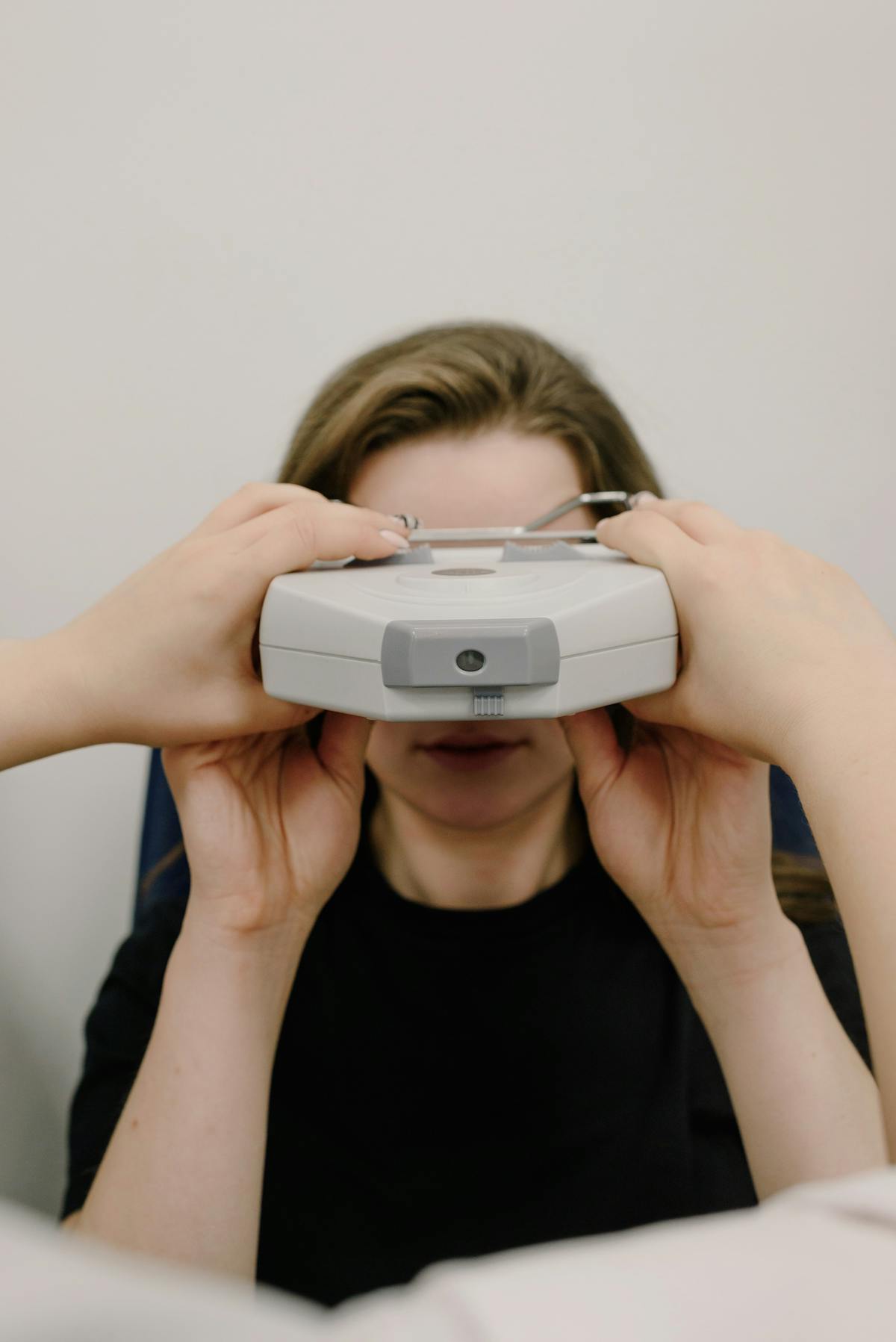
Warning Signs: When to Seek Urgent Eye Care
Whether or not you use Ozempic, Wegovy, or another GLP‑1 medication, any sudden change in vision is an emergency. If you are on these medications, be especially alert to:
- Sudden loss of vision in one eye (painless or with mild discomfort)
- Dark or grey patches in your vision (“like a curtain” or a shadow)
- Loss of part of your visual field (for example, missing lower or upper half)
- Sudden, unexplained blurring that does not clear with blinking
Early assessment can help rule out other sight‑threatening conditions such as retinal detachment, stroke, or acute glaucoma, and allows the ophthalmology team to document findings promptly if NAION is suspected.
Who Might Be at Higher Risk?
NAION has well‑known risk factors outside of any medication use. People may be more vulnerable—regardless of GLP‑1 treatment—if they have:
- Diabetes
- High blood pressure
- High cholesterol
- Obstructive sleep apnoea
- Smoking history
- Previous NAION in the other eye
- Certain optic nerve anatomy (“crowded” disc), usually detected by an eye specialist
If you have several of these factors and are considering or already taking Ozempic or Wegovy, it’s especially important to have:
- A detailed discussion with your prescribing clinician about risks and benefits.
- Baseline and regular eye examinations, particularly if you also have diabetic eye disease.
- Active management of blood pressure, cholesterol, sleep apnoea, and smoking cessation.
Balancing the Risks and Benefits of Ozempic and Wegovy
The same medications now linked to a possible increased risk of NAION have also shown significant benefits for many people with type 2 diabetes, obesity, or both. Evidence from large clinical trials (for example, STEP and SUSTAIN programs) suggests semaglutide can:
- Improve blood sugar control
- Lead to substantial weight loss for many users
- Reduce the risk of some cardiovascular events in high‑risk patients
Better control of diabetes and weight can, in turn, reduce long‑term risks to vision from conditions like diabetic retinopathy and macular oedema. So the picture is not simply “drug causes eye damage”—we’re weighing a small, uncertain risk of NAION against the known harms of poorly controlled metabolic disease.
“For most patients, the benefits of GLP‑1 therapy in diabetes and obesity still outweigh the potential risks, provided they are counselled properly and monitored. Informed choice is key.”
— Endocrinologist involved in obesity and diabetes care (summary of current expert stance)
This is why regulators have not recommended stopping treatment across the board. Instead, they stress shared decision‑making and education around symptoms.
Practical Steps if You’re Already Using Ozempic or Wegovy
You don’t have to navigate this alone. Here’s a practical, step‑by‑step approach you can use with your healthcare team:
- Do not stop suddenly without medical advice
For most people, abruptly stopping a GLP‑1 drug—especially if it’s controlling diabetes—could lead to rebound high blood sugar or weight regain. Discuss a plan with your prescriber. - Book an eye examination if you haven’t had one recently
Let the optometrist or ophthalmologist know you’re using semaglutide. Ask them to document your baseline optic nerve status. - Learn the emergency symptoms
Keep a short list on your phone or fridge: “sudden loss of vision in one eye = go to emergency department / eye casualty immediately.” - Review your vascular risk factors
Work with your clinician on blood pressure, cholesterol, sleep apnoea, smoking, and blood sugar to protect both your heart and your eyes. - Discuss alternatives if you’re very anxious
If the fear of this rare side effect is causing major distress, ask whether alternative treatments (other GLP‑1s, different classes of medication, or non‑drug approaches) might be reasonable for you.

A Real‑World Scenario: From Panic to a Clear Plan
Consider “Sarah,” a 52‑year‑old with long‑standing type 2 diabetes and hypertension. After starting semaglutide, she lost 10 kg and her HbA1c improved dramatically. Then she read about “sudden blindness” online and became terrified she’d traded one threat for another.
In clinic, we talked through:
- Her existing eye risk from 15 years of diabetes and high blood pressure
- The very low number of NAION cases reported relative to the huge number of people on semaglutide
- The exact symptoms that would require an emergency visit
- A plan for yearly eye exams, plus an earlier review in six months
Sarah decided to continue treatment, feeling more in control because she knew what to watch for and had a clear action plan. Another patient, with previous NAION in one eye and severe anxiety about losing the other, chose to switch to a different regimen after a similar conversation. Both choices were reasonable—because they were informed, personal, and supported.
Protecting Your Vision: Evidence‑Based Habits That Help
Regardless of your medication, you can take practical steps to support long‑term eye health:
- Keep blood sugar in target range if you have diabetes, using lifestyle measures and medication as agreed with your clinician.
- Manage blood pressure—consistent control is one of the strongest protectors of both eyes and brain.
- Stop smoking; it’s linked to higher risks of many eye diseases, including macular degeneration and vascular events.
- Treat sleep apnoea; use CPAP or other treatments as prescribed.
- Have regular eye exams, even if your vision feels normal—many problems are silent until advanced.
- Know your family history of glaucoma and other eye conditions and share it with your clinician.

What Research Is Ongoing and What to Expect Next
Following the MHRA signal and similar case reports internationally, several lines of investigation are underway:
- Pharmacovigilance reviews by regulators, pooling adverse‑event data from many countries.
- Retrospective cohort studies comparing NAION rates in semaglutide users versus carefully matched non‑users.
- Mechanistic studies exploring how GLP‑1 agonists might influence optic nerve perfusion in animal models and human imaging studies.
Over time, this research should clarify:
- Whether the association is causal, coincidental, or limited to specific high‑risk groups.
- What the approximate absolute risk is (for example, per 10,000 users).
- Which risk‑mitigation strategies are most effective.
Until then, regulators are following a “precaution plus transparency” approach: not withdrawing the drugs, but clearly informing clinicians and patients about what to watch for.
Before & After: How Awareness Changes Your Risk
Awareness itself can be protective. Here’s a conceptual “before and after” comparison:
- Before the warning
Many people on GLP‑1 medications were unaware that sudden vision loss needed immediate emergency assessment, and might have waited days hoping it would improve. - After the warning
More users—and more clinicians—know that:- Sudden one‑sided vision loss is an emergency.
- Early ophthalmology input is essential.
- Documenting events helps improve safety data for everyone.
Quick FAQs About Ozempic, Wegovy, and Eye Damage
- Does Ozempic or Wegovy “cause blindness”?
- Current evidence suggests a possible association with a very rare condition (NAION), not widespread blindness. Most users will not experience this, but everyone should know the warning signs.
- Should I stop my injections right now?
- Don’t stop suddenly without speaking to your prescriber. Arrange a discussion to review your personal risks, benefits, and options.
- Is there a test to know if I’m at risk?
- There’s no simple blood test, but an ophthalmologist can assess your optic nerve anatomy and existing eye disease, and your clinician can review vascular risk factors (blood pressure, diabetes control, sleep apnoea, smoking).
- What if I already have diabetic eye disease?
- You may need closer monitoring, but GLP‑1 drugs may still be beneficial overall. Coordination between your diabetes team and eye clinic is important.
Reliable Sources and Further Reading
For up‑to‑date, evidence‑based information, consider:
- UK Medicines and Healthcare products Regulatory Agency (MHRA) safety updates on GLP‑1 receptor agonists
- European Medicines Agency (EMA) and U.S. Food and Drug Administration (FDA) drug safety communications
- Patient information from national diabetes and ophthalmology societies (for example, Diabetes UK, American Diabetes Association, Royal College of Ophthalmologists)
Note: Exact URLs may change over time; searching for “MHRA semaglutide NAION safety update” or the name of your national regulator plus “GLP‑1 safety” usually brings you to the latest guidance.
Moving Forward: Stay Informed, Not Afraid
Learning that a medicine you rely on might, in very rare cases, be linked to sudden vision loss is unsettling. It’s okay to feel anxious or conflicted. At the same time, you deserve more than scary headlines—you deserve clear facts, context, and a plan.
Here’s the bottom line:
- The MHRA has identified a rare but serious potential risk (NAION) with Ozempic and Wegovy.
- Most people using these medications will not experience this problem.
- Sudden vision changes—on these drugs or not—are an emergency and need urgent assessment.
- Better blood sugar, weight, and blood pressure control still offer major protection for your long‑term eye and heart health.
Your next best step is simple and powerful: book a conversation with your clinician. Take this article—or your own notes—with you. Ask about your individual risk, your other options, and what specific symptoms should send you straight to emergency care.
With informed choices, regular eye checks, and a clear plan, you can respect this new safety information without letting it overshadow the progress you’ve worked so hard to make.
