
Mushroom Mania: Why Functional Mushrooms Are the Coziest New Super‑Food in Your Kitchen
Mushroom Mania: Functional Fungi Step Into the Spotlight
Mushrooms have quietly slipped from the side of the plate into the heart of the wellness world. Beyond the familiar button and portobello, functional mushrooms like lion’s mane, reishi, chaga, cordyceps, turkey tail, and maitake are now swirling into coffees, dusted over snack bars, and tucked into sleek supplement jars. They’re celebrated for potential benefits around focus, immunity, and stress support—and, just as importantly, for the deep, foresty flavor they bring to simple home recipes.
Today we’ll dive into the trend in a friendly, no‑hype way and finish with a cozy, barista‑style functional mushroom latte you can make in minutes at home—no fancy equipment, just warm hands around a fragrant mug.
Why Functional Mushrooms Are Trending Everywhere
Scroll TikTok or wander the wellness aisle and you’ll see mushrooms in places your grandparents would never expect. The “mushroom mania” trend overlaps with coffee culture, biohacking, and the boom in plant‑based cooking. Here are the big reasons they’re suddenly the star:
- Coffee & energy drink alternatives: Mushroom coffees and lattes promise smoother, less jittery energy by pairing coffee with lion’s mane, chaga, or cordyceps.
- Nootropics & adaptogens: Lion’s mane is framed as a “brain mushroom,” while reishi is sold as a calming, adaptogenic nightcap mushroom.
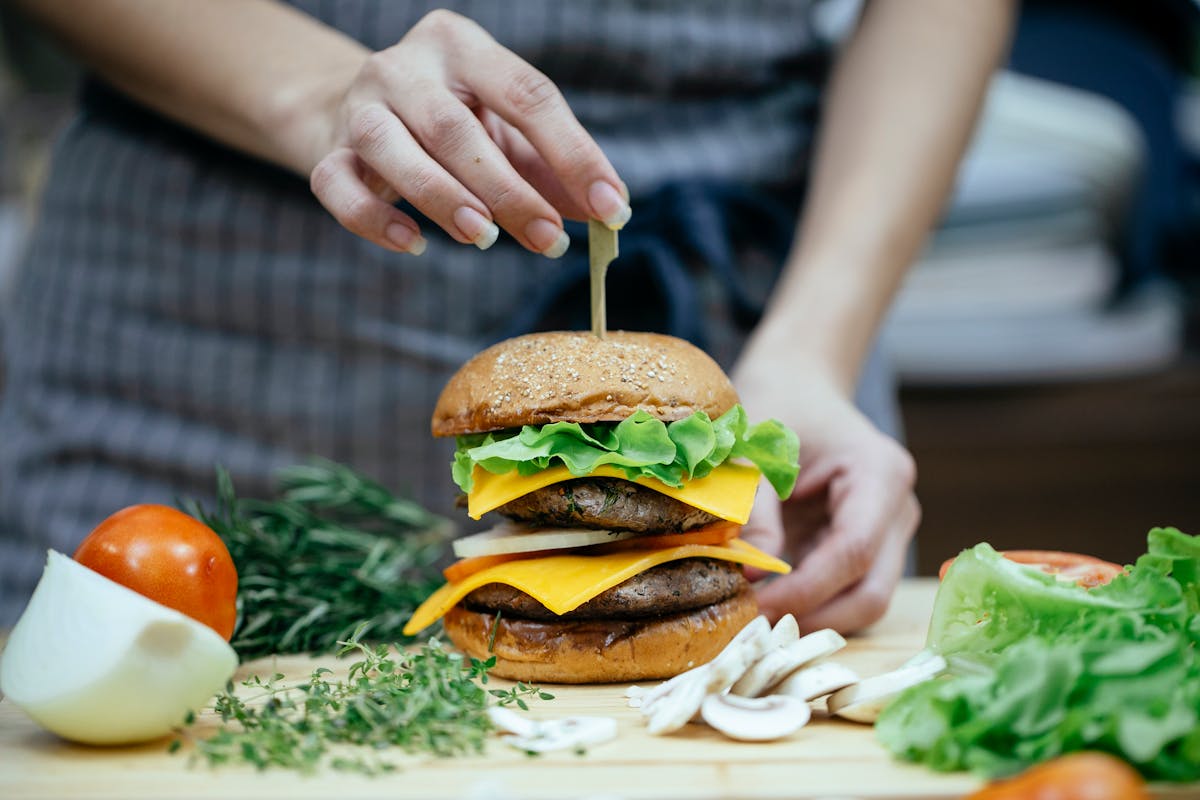
- Plant‑based eating: Meaty textures and umami richness make mushrooms a dream in burgers, tacos, “steaks,” and stir‑fries.
- Gorgeous branding: Forest‑core, biohacker‑chic designs make mushroom products incredibly photogenic on social feeds.
Underneath all the marketing, though, is a simple truth: eating more mushrooms as part of a varied, plant‑rich diet is a delicious, nutrient‑dense choice.

What Makes Functional Mushrooms Special?
All edible mushrooms offer a lot of nutrition for very few calories. Functional or “medicinal” mushrooms layer on interesting bioactive compounds studied for potential brain, immune, and stress‑related benefits.
Everyday nutrition
- B‑vitamins: riboflavin, niacin, and pantothenic acid for energy metabolism.
- Minerals: selenium, potassium, and a little copper.
- Fiber & protein: small amounts that still help with satiety and gut health.
Bioactive compounds (in plain language)
- Beta‑glucans: special fibers that may support immune function and help with cholesterol management.
- Lion’s mane: contains hericenones and erinacines, explored for potential brain‑supportive effects.
- Reishi & chaga: rich in triterpenes and polyphenols, antioxidant and anti‑inflammatory in lab and animal studies.
Human research is still early and often small, so it’s wise to see these as supportive foods, not miracle cures. Enjoy the earthy flavors and gentle rituals first—the science will keep evolving.
How Functional Mushrooms Show Up in Everyday Food
You don’t need a lab to enjoy these fungi—just a kitchen and a bit of curiosity. Here are some popular ways people are working them into daily routines:
- Mushroom coffee & lattes: Coffee blended with lion’s mane, chaga, or cordyceps powders for a smoother energy lift.
- Powders & capsules: Concentrated extracts stirred into smoothies, oatmeal, or taken as supplements.
- Ready‑to‑drink cans: Shelf‑stable mushroom “elixirs” and gentle energy drinks.
- Whole‑food cooking: Lion’s mane “crab” cakes, portobello “steaks,” oyster mushroom “chicken,” and hearty mixed‑mushroom stir‑fries.

Recipe: Creamy Lion’s Mane & Reishi Mushroom Latte
This gently sweet, earthy functional mushroom latte brings together lion’s mane (for focused energy) and reishi (for a calm, grounded feel). Think of it as a hug in mug form: light coffee or chicory for aroma, silky milk foam, and a whisper of cinnamon and vanilla.
If you’re reducing caffeine, you can go half‑caff or even skip coffee entirely and use roasted chicory or barley instead. The mushroom powders carry plenty of flavor on their own.
Quick Recipe Overview
Prep time:
Cook time:
Total time:
Servings: 1 large mug (about 350 ml) or 2 small cups
Difficulty: Easy
Ingredients
These quantities are designed for one generous latte. Double or triple for a cozy brunch spread.
Core ingredients
- 250 ml (1 cup) milk of choice (dairy, oat, soy, or almond all work)
- 60–90 ml (1/4–1/3 cup) hot brewed coffee, chicory, or strong black tea (optional but lovely)
- 1 tsp lion’s mane mushroom powder (standardized extract if available)
- 1/2 tsp reishi mushroom powder
- 1–2 tsp maple syrup, honey, or other sweetener, to taste
- 1/4 tsp ground cinnamon
- 1/4 tsp pure vanilla extract
- Small pinch of fine sea salt (enhances sweetness and depth)
Optional flavor & nutrition boosters
- 1 tsp coconut oil or MCT oil for extra creaminess
- 1 tbsp collagen powder or plant protein powder (unsweetened)
- Small pinch of ground nutmeg or cardamom for a cozy twist
Equipment You’ll Need
- Small saucepan or milk frother (stovetop or electric)
- Heatproof mug or two small cups
- Whisk, milk frother wand, or blender for frothing
- Measuring spoons and a heatproof jug (optional but handy)
Step‑by‑Step Instructions
Take your time and treat this like a small daily ceremony. Your future self will thank you when they wrap their hands around that warm mug.
- Warm the milk.
Pour the milk into a small saucepan. Heat over medium‑low, stirring occasionally, until steaming and just starting to show tiny bubbles around the edges. Avoid boiling to keep the flavor smooth and the texture velvety. - Brew your base.
While the milk heats, brew your coffee, chicory, or tea. You’ll need about 60–90 ml (1/4–1/3 cup). Pour it into your mug. If you’re going fully caffeine‑free, skip this step and just warm a splash of extra milk instead. - Whisk in the mushroom powders.
In a small bowl or jug, combine the lion’s mane and reishi powders with a tablespoon or two of the hot milk. Whisk until you get a smooth paste with no big clumps. This “slurry” helps them dissolve evenly. - Flavor the milk.
Add the mushroom slurry back into the warm milk along with the cinnamon, vanilla, sweetener, and a tiny pinch of salt. Whisk gently to combine. Taste and adjust sweetness or spice now—it’s easier before frothing. - Froth for texture.
Use a hand frother, whisk, or blender to aerate the mixture for 20–30 seconds until light and slightly foamy. With a blender, vent the lid and blend on low to avoid splashes. The foam makes every sip feel a bit luxurious. - Pour & garnish.
Pour the mushroom milk over the coffee (if using) in your mug, holding back the foam with a spoon, then spoon the foam on top. Dust lightly with extra cinnamon or nutmeg if you like. - Sip slowly.
Let it cool for a minute so the flavors bloom and the aroma rises—earthy, slightly sweet, with warm spice on the nose. Drink mindfully, noticing the silky texture and gentle bitterness balanced by vanilla and maple.
Tips, Variations & Dietary Swaps
Vegan & dairy‑free
- Use oat, soy, almond, or cashew milk instead of dairy. Barista‑style oat milks foam beautifully.
- Sweeten with maple syrup, agave, coconut sugar, or a zero‑calorie sweetener.
Caffeine‑free & evening‑friendly
- Skip coffee and use roasted chicory or barley, or just extra milk and a bit more cinnamon.
- Use only reishi (3/4–1 tsp) for a more relaxing nightcap; reduce or omit lion’s mane if you find it too energizing late in the day.
Low‑sugar or sugar‑free
- Rely on vanilla and warm spices to create a sense of sweetness.
- Use stevia, monk fruit, or erythritol to taste instead of syrup or honey.
If you don’t have lion’s mane or reishi
- Substitute chaga or cordyceps powder in the same quantity for a similar style of latte.
- Use a pre‑blended mushroom coffee mix and follow the same method, adjusting sweetness to taste.
Storage & Reheating
This latte tastes best freshly made, but you can absolutely batch‑prep for busier mornings.
- Short‑term storage: Keep the unfrothed mushroom milk mixture (without coffee) in the fridge in a sealed jar for up to 2 days.
- Reheating: Gently warm on the stove or in the microwave until steaming, then froth and pour over fresh coffee or chicory if using.
- Avoid boiling: High heat can dull the nuanced flavors and may impact some of the delicate compounds.
Serving Ideas & What to Eat With Your Latte
Turn this latte into a small ritual by pairing it with simple, nourishing bites. The earthy, toasty flavors love gentle sweetness and whole grains.
- Breakfast: A slice of toasted sourdough with avocado and sesame, or a bowl of cinnamon‑spiked overnight oats.
- Snack time: Dark chocolate squares, nut‑and‑seed energy bites, or a lightly sweet granola bar.
- Brunch spread: Serve alongside sautéed mixed mushrooms on toast with garlic and herbs to double down on the mushroom love.
Safety, Quality & Choosing Mushroom Products
Culinary mushrooms are generally safe for most people, but concentrated powders and extracts deserve a little extra care.
- Quality matters: Look for brands that specify species, list extract ratios, and use mostly fruiting bodies rather than just grain substrate (myceliated grain).
- Third‑party testing: Opt for products tested for heavy metals, pesticides, and identity where possible.
- Allergies & medications: If you have mushroom allergies, autoimmune conditions, are pregnant, or take medications that affect the immune system, consult a healthcare professional before using concentrated supplements.
- Reasonable doses: More isn’t always better. Start at the lower end of recommended doses and notice how your body responds over time.
Bringing Mushroom Mania Into Your Kitchen
Functional mushrooms sit at a beautiful intersection of flavor, tradition, and modern curiosity. Even as researchers continue to explore their potential for cognition, immunity, and stress resilience, you don’t need to wait for the final word to enjoy them as part of a colorful, plant‑forward way of eating.
Start with this creamy lion’s mane & reishi latte, adjust it to your taste and lifestyle, and let it become a small, grounding ritual in your day. From there, you might find yourself stirring mushroom powders into oatmeal, tossing oyster mushrooms into tacos, or searing a portobello “steak” for dinner—one delicious, earthy experiment at a time.
