
Mediterranean‑Plus Magic: How Mediterranean, DASH & Blue Zones Eating Became the Internet’s Favorite Longevity Trend
The Mediterranean‑Plus Trend: From Fad Diet Fatigue to Longevity Eating
Across social feeds, from Netflix documentaries to TikTok “what centenarians eat in a day” videos, a clear pattern has emerged: people are drifting away from restrictive fads and leaning into Mediterranean‑style, DASH, and Blue Zones–inspired ways of eating. This Mediterranean‑Plus trend celebrates bread and beans instead of bans and rules, focusing on heart health, steady energy, and graceful aging rather than dramatic quick fixes.
These science‑backed dietary patterns consistently rank at the top of expert lists for overall health, blood pressure control, and diabetes prevention. They’re now being recast as “longevity diets,” promising not just more years in life, but more life in your years—shared over simple, satisfying meals.
Core Elements of Mediterranean, DASH, and Blue Zones Eating
While each of these patterns has its own story and regional flair, they share a remarkably similar backbone—a plant‑forward, minimally processed, olive‑oil‑rich way of eating that cardiologists love and home cooks can actually live with.
- Plants at the center: Abundant vegetables, fruits, whole grains, legumes, nuts, and seeds form the bulk of the plate, adding fiber, antioxidants, and satisfying textures.
- Olive oil as the primary fat: Extra‑virgin olive oil replaces butter and shortening, bringing peppery aroma, silky mouthfeel, and heart‑protective monounsaturated fats.
- Moderate seafood, modest meat: Fish and seafood appear regularly but not extravagantly; red and processed meats are occasional accents, not daily staples.
- Fermented or low‑fat dairy: Yogurt and cheese show up in Mediterranean and DASH patterns, often in small but flavorful amounts.
- Minimal ultra‑processed foods: Sugary drinks, refined white breads, and snack foods are kept to a minimum, making room for more fiber‑rich, nutrient‑dense options.
Blue Zones: Everyday Meals from the World’s Longest‑Lived Communities
Blue Zones—regions like Okinawa (Japan), Sardinia (Italy), Ikaria (Greece), Nicoya (Costa Rica), and Loma Linda (California)—have captivated viewers on Netflix and YouTube. Instead of magical superfoods, their longevity secrets are usually humble, simmering quietly on the stove: bean stews, rustic breads, and piles of seasonal vegetables.
In Ikaria, it might be a bowl of hearty black‑eyed peas with wild greens and olive oil. In Nicoya, a trio of black beans, squash, and corn tortillas. These dishes are cozy and familiar, full of slow‑building flavors—the gentle sweetness of onions cooked down in olive oil, the creamy bite of beans, the herbaceous lift of oregano or thyme.
“The meals that seem the most ordinary—beans, greens, bread—are often the ones quietly protecting our hearts and brains over decades.”
Many creators also highlight that food is only part of the equation: daily movement, strong social ties, and lower chronic stress cement the health advantages of Blue Zones lifestyles.
Why Mediterranean and DASH Diets Became the “Default” Healthy Patterns
The Mediterranean diet and the DASH (Dietary Approaches to Stop Hypertension) diet have long been darlings of medical journals and annual “best diet” rankings. They show consistent benefits for:
- Lowering blood pressure and supporting flexible, healthy blood vessels.
- Improving cholesterol profiles, thanks to healthy fats and fiber.
- Reducing the risk of type 2 diabetes and improving insulin sensitivity.
- Supporting brain health and potentially reducing dementia risk.
Clinicians and cardiologists on social media often recommend these as a safe, flexible starting point: you don’t have to give up bread or fruit, and you can still enjoy social meals and occasional desserts. For many people, this balance feels far more realistic than extreme low‑carb, detox, or all‑meat approaches.

What the Mediterranean‑Plus Trend Looks Like on Your Plate
Scroll through trending recipe content and you’ll see the Mediterranean‑Plus approach everywhere, often in weeknight‑friendly formats:
- Sheet‑pan Mediterranean chicken and vegetables roasted with olive oil, garlic, and lemon.
- Lentil soups scented with cumin, thyme, or bay leaves and finished with a swirl of olive oil.
- Chickpea salads with cucumbers, tomatoes, parsley, and a bright citrus vinaigrette.
- Greek‑style yogurt bowls layered with fruit, nuts, and seeds for a protein‑rich breakfast.
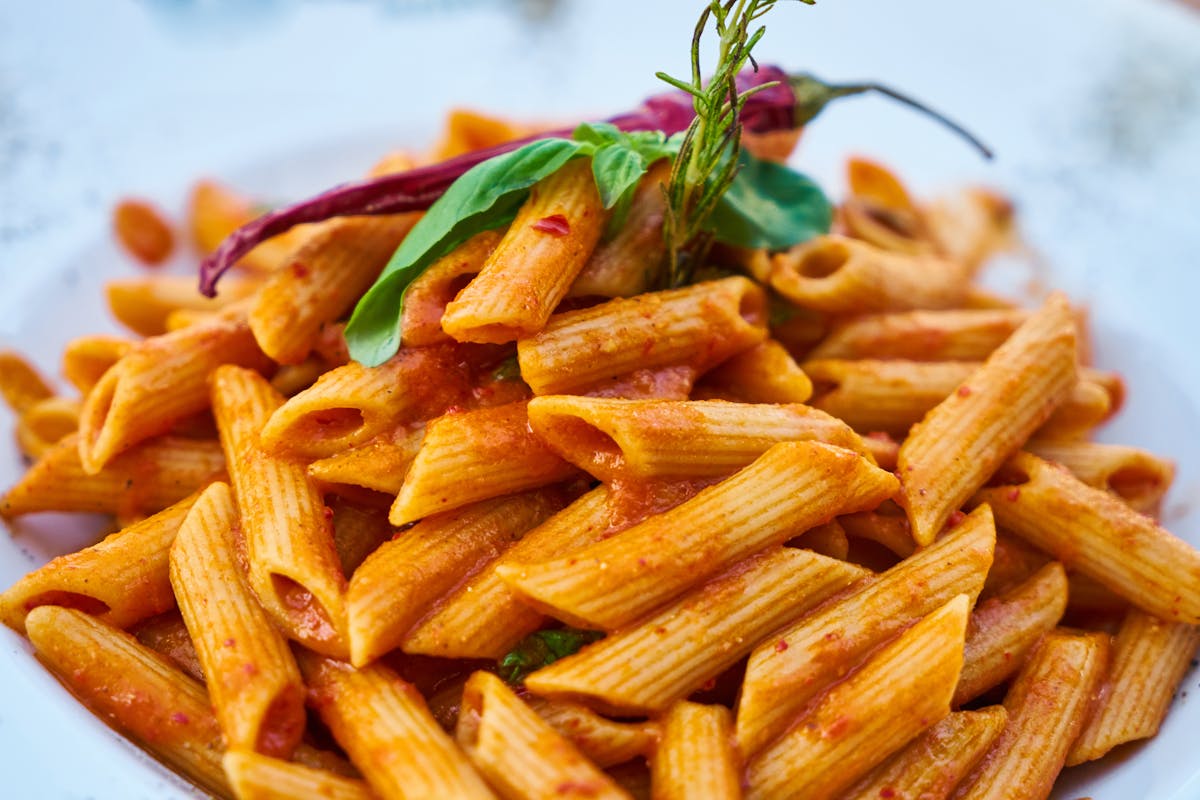
- Whole‑grain pastas with tomato‑olive sauces, capers, and plenty of herbs.
These dishes are designed to be deeply satisfying: think of the way roasted vegetables caramelize at the edges, the chew of whole grains, or the nutty richness of toasted seeds over creamy yogurt.
Mediterranean‑Plus One‑Pan Chickpea & Vegetable Skillet
This simple one‑pan chickpea and vegetable skillet captures the spirit of Mediterranean, DASH, and Blue Zones eating in a 30‑minute, plant‑forward dinner. It’s cozy, saucy, and perfect with a hunk of whole‑grain bread or spooned over brown rice or quinoa.
Prep time:
Cook time:
Total time:
Servings: 4 servings
Difficulty: Easy
Equipment
- Large skillet or sauté pan (with lid if possible)
- Cutting board and sharp knife
- Can opener
- Wooden spoon or spatula
- Measuring cups and spoons
Ingredients
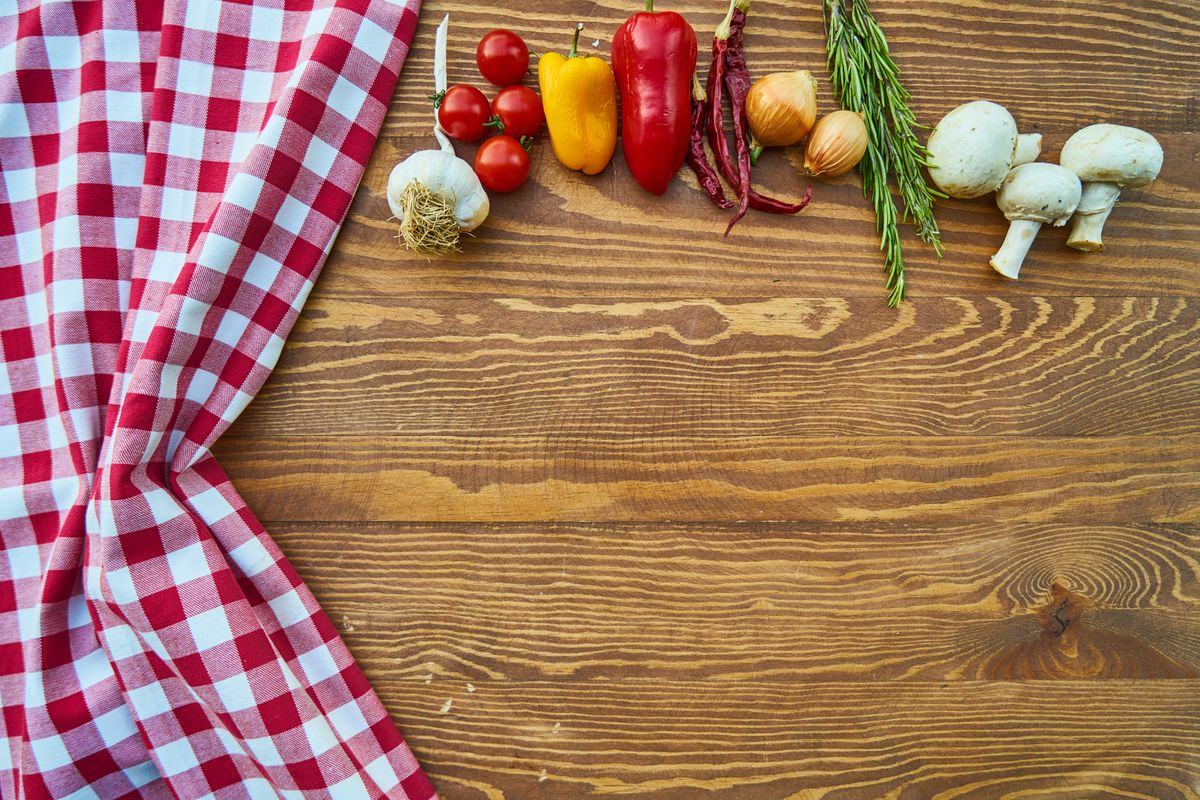
- 3 tbsp extra‑virgin olive oil
- 1 medium yellow onion, thinly sliced
- 3 cloves garlic, minced
- 1 red bell pepper, sliced into strips
- 1 medium zucchini, halved lengthwise and sliced into half‑moons
- 1 cup cherry or grape tomatoes, halved
- 1 can (15 oz / 425 g) chickpeas, drained and rinsed
- 1 can (14.5 oz / 410 g) no‑salt‑added diced tomatoes
- 1 tsp smoked or sweet paprika
- 1 tsp dried oregano
- 1/2 tsp ground cumin (optional but lovely)
- 1/4–1/2 tsp crushed red pepper flakes (to taste)
- Salt and freshly ground black pepper, to taste
- 1/4 cup pitted olives (Kalamata or green), sliced
- 2 tbsp chopped fresh parsley or basil
- 1–2 tsp red wine vinegar or lemon juice, to finish
- Cooked brown rice, farro, or whole‑grain bread, for serving
Step‑by‑Step Instructions
Warm the olive oil. Set a large skillet over medium heat and add the olive oil. Give it a minute to shimmer and release its gentle, peppery aroma.
Soften the onions and garlic. Add the sliced onion and a pinch of salt. Cook 5–7 minutes, stirring occasionally, until the onions are soft and turning golden at the edges. Stir in the garlic and cook 30–60 seconds, just until fragrant.
Add bell pepper and zucchini. Stir in the bell pepper and zucchini. Cook 4–5 minutes, letting the vegetables soften and pick up a bit of color. You’re building sweetness and depth here.
Layer in tomatoes and spices. Add the halved cherry tomatoes, canned diced tomatoes (with their juices), paprika, oregano, cumin (if using), red pepper flakes, and a few grinds of black pepper. Stir well.
Simmer with chickpeas. Add the chickpeas, stir, and bring the mixture to a gentle simmer. Lower the heat slightly, cover, and cook 8–10 minutes, stirring once or twice, until the flavors meld and the sauce thickens slightly.
Finish with olives and herbs. Stir in the olives and fresh parsley or basil. Taste and adjust salt, pepper, and heat. If the flavors taste flat, add 1–2 teaspoons of red wine vinegar or lemon juice to brighten.
Serve warm. Spoon the chickpea and vegetable mixture over warm brown rice, farro, or quinoa, or serve with thick slices of toasted whole‑grain bread to soak up the juices.

Storage & Reheating
Let the skillet cool, then store leftovers in an airtight container in the refrigerator for up to 4 days. The flavors deepen and meld, making this an excellent make‑ahead lunch.
To reheat, warm gently in a covered skillet over low to medium heat with a splash of water or broth, or microwave in 30‑second bursts, stirring in between. Finish with a fresh drizzle of olive oil and a squeeze of lemon to wake everything up.
Serving Suggestions & Pairings
To turn this Mediterranean‑Plus skillet into a full, Blue Zones–inspired meal, try:
- A simple side salad of leafy greens, cucumber, and tomato with lemon‑olive oil dressing.
- Thick slices of toasted whole‑grain sourdough or rye bread.
- Plain low‑fat or Greek‑style yogurt with a sprinkle of nuts and seeds for dessert or a side.
- Fresh fruit (like orange slices or berries) for a naturally sweet finish.
Mediterranean‑Plus Eating for Healthy Aging and Longevity
One reason the Mediterranean‑Plus trend has staying power is its focus on healthy aging. Research increasingly links plant‑forward, minimally processed diets rich in healthy fats to better cognitive function, lower dementia risk, and preserved mobility as we grow older.
Meals like the chickpea skillet above reflect what long‑lived communities have eaten for decades: plenty of beans and vegetables, modest servings of animal foods, and satisfying fats from nuts, seeds, and olive oil. They’re not “anti‑pleasure” diets—quite the opposite. The aromas of garlic and herbs blooming in olive oil, the lively colors of roasted peppers and tomatoes, and the comfort of sharing a pot of stew with family make these patterns emotionally sustainable as well.
From Home Kitchens to Menus: How Brands Use the Mediterranean‑Plus Wave
Restaurants and food brands have eagerly embraced the Mediterranean‑Plus movement. You’ll see:
- “Mediterranean bowls” packed with grains, beans, roasted vegetables, and tahini or olive‑oil dressings.
- Hummus‑based snacks paired with vegetables and whole‑grain crackers.
- Olive‑oil‑forward products, from dressings to snacks and even desserts.
- Menus billed as “Blue Zones–inspired,” focusing on beans, greens, and simple grilled seafood.
Some critics note that the Blue Zones concept can be oversimplified or commercialized, but the underlying nutrition principles—more plants, less ultra‑processed food, and a generous hand with good olive oil—remain strongly aligned with current evidence for long‑term health.
Getting Started with Mediterranean‑Plus at Home
You don’t need to overhaul your entire pantry overnight to benefit from Mediterranean, DASH, or Blue Zones‑style eating. Choose one or two small, joyful changes and build from there.
- Swap one meat‑heavy dinner per week for a bean‑based dish like the chickpea skillet.
- Drizzle olive oil over cooked vegetables instead of reaching for butter.
- Add a side salad or a piece of fruit to your usual lunch.
- Keep nuts and seeds on hand to sprinkle over yogurt, oatmeal, or salads.
Over time, these choices become habits, and your kitchen starts to smell just a little more like the Mediterranean coast or a Blue Zones village—herby, garlicky, and full of quietly powerful ingredients that support your heart, brain, and overall vitality.
