
Mediterranean Longevity Bowls: A Real‑World Answer to the Blue Zones Backlash
Mediterranean-Style Longevity Eating After the Blue Zones Backlash
Mediterranean-style “longevity eating” is having a fresh moment. As scrutiny builds around Blue Zones research—questioning how accurately those long-living communities were measured and marketed—interest has actually shifted toward something more grounded: a way of eating rooted in vegetables, beans, whole grains, olive oil, and slow, social meals that feels both deeply traditional and totally doable on a busy weeknight.
Instead of chasing mystical regions, more home cooks are leaning into realistic patterns supported by decades of nutrition science. Think hearty chickpea stews, vibrant grain-and-greens “longevity bowls,” and those endlessly flexible 5‑ingredient Mediterranean dinners—fish, vegetables, olive oil, herbs, and a squeeze of lemon—that somehow taste like a seaside vacation at your own kitchen table.
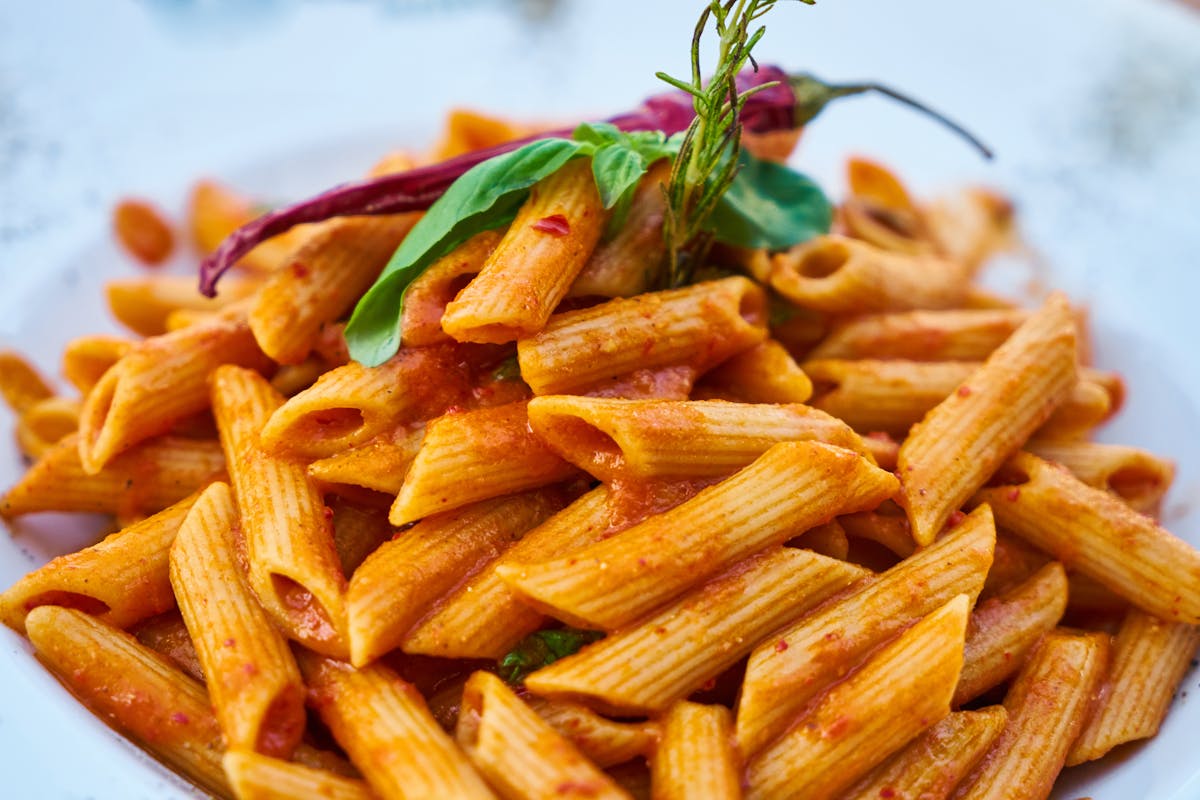
Mediterranean Longevity Bowl – Quick Recipe Snapshot
This Mediterranean Longevity Bowl pulls together the core principles of modern “longevity eating”: beans, whole grains, leafy greens, plenty of vegetables, and fragrant olive oil, all in one vibrant, customizable dish.
Prep Time: 20 minutes
Cook Time: 20 minutes
Total Time: 40 minutes
Servings: 4 bowls
Difficulty: Easy
Diet: Mediterranean, vegetarian, easily vegan, high-fiber
From Blue Zones Backlash to Everyday Mediterranean Bowls
The Blue Zones story captured imaginations: picturesque towns where people supposedly live to 100 with ease, fueled by beans, sunshine, and good company. More recent critiques, though, have raised valid questions—about data accuracy, how centenarians were counted, and how much the narrative was shaped to sell books and documentaries.
Yet the backlash hasn’t killed interest in longevity diets. If anything, it’s pushed curious eaters back toward what’s consistently supported by meta-analyses and large cohort studies: Mediterranean-style, whole-food eating that emphasizes plants, minimizes ultra-processed foods, and weaves food into a relaxed, social lifestyle instead of a strict, rules-heavy regimen.
Even if some Blue Zones claims were overstated, the core pattern—lots of plants and legumes, olive oil, nuts, limited red and processed meat—is still one of the best-supported ways of eating for long-term health.
On YouTube, podcasts, and long-form social content, you’ll hear the same reframing: less mystique, more evidence. Instead of “secret” foods or regions, the spotlight is on familiar ingredients you can put into your cart today.
What Makes Mediterranean Longevity Eating Different?
Mediterranean longevity eating isn’t a rigid plan; it’s a pattern. You’ll see endless variations, but the backbone looks wonderfully consistent across Greece, Southern Italy, coastal Spain, and modern “Mediterranean-ish” kitchens around the world:
- Vegetables and fruits in Technicolor: Tomatoes, leafy greens, onions, peppers, citrus, and seasonal produce show up at almost every meal.
- Legumes and whole grains as the comforting base: Chickpeas, lentils, beans, farro, barley, bulgur, and brown rice supply slow-burning energy and fiber.
- Olive oil and nuts as main fats: Extra-virgin olive oil drizzled on everything, along with almonds, walnuts, pistachios, and seeds.
- Moderate fish and seafood: Oily fish like sardines, anchovies, and salmon a few times a week, with red and processed meat kept minimal.
- Fermented dairy in moderation: Yogurt and aged cheeses appear often but in smaller, flavor-focused portions.
- Slow, social meals: Perhaps the most underrated piece: lingering at the table, eating mindfully, and treating food as connection rather than just “fuel.”
In research, this pattern is repeatedly associated with reduced risk of cardiovascular disease and stroke, lower all‑cause mortality, better metabolic health, and possible protection against cognitive decline—all while remaining flexible enough to adapt to your culture, budget, and personal taste.
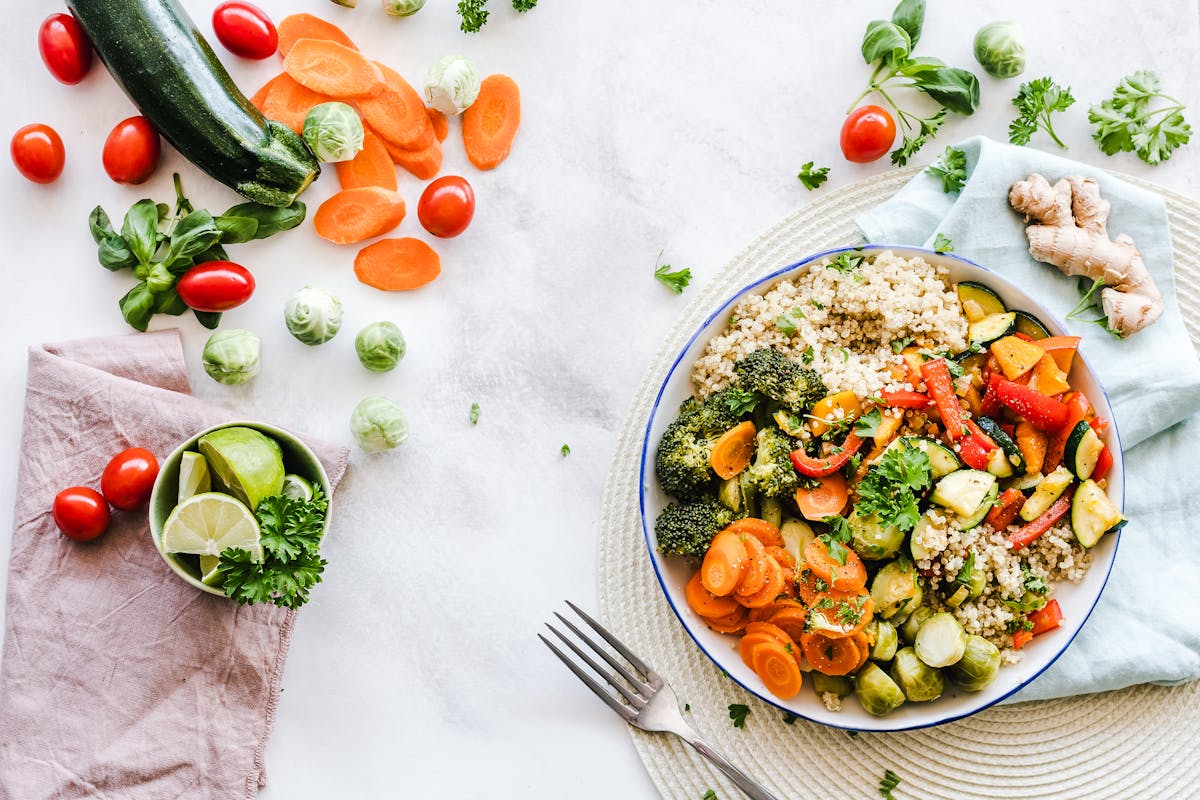
Ingredients & Equipment for a Mediterranean Longevity Bowl
This bowl leans into Mediterranean pantry staples: beans, grains, greens, and a lush olive-oil-and-lemon dressing that you’ll want to pour on everything.
Ingredients (Serves 4)
For the grain and bean base
- 1 cup (185 g) dry farro or brown rice, rinsed
- 2 cups (480 ml) low-sodium vegetable broth or water
- 1 can (15 oz / 425 g) chickpeas, drained and rinsed
- 1 can (15 oz / 425 g) cannellini beans, drained and rinsed
For the vegetables & herbs
- 3 cups (about 90 g) baby spinach or chopped kale, loosely packed
- 1 cup (150 g) cherry tomatoes, halved
- 1 large cucumber (about 250 g), diced
- 1 small red onion, thinly sliced
- 1/2 cup (75 g) pitted olives, halved
- 1/3 cup (50 g) crumbled feta cheese (optional; omit or use vegan feta for dairy-free)
- 1/4 cup (10 g) fresh parsley, chopped
- 1/4 cup (10 g) fresh mint, chopped (optional, but beautifully refreshing)
For the lemon-olive oil longevity dressing
- 1/3 cup (80 ml) extra-virgin olive oil
- 3 tbsp (45 ml) freshly squeezed lemon juice
- 1 small garlic clove, finely grated or minced
- 1 tsp dried oregano
- 1/2 tsp ground cumin
- 1/2 tsp fine sea salt, plus more to taste
- Freshly ground black pepper, to taste
For serving
- 1/4 cup (35 g) toasted nuts or seeds (walnuts, almonds, or pumpkin seeds work well)
- Extra lemon wedges and olive oil for the table (optional)
Equipment
- Medium saucepan with lid
- Cutting board and sharp knife
- Colander
- Small bowl or jar for dressing
- Large mixing bowl (optional, if you prefer to toss everything together)
- 4 wide serving bowls
How to Make a Mediterranean Longevity Bowl (Step by Step)
You’ll build layers of flavor and texture: warm, nutty grains; creamy beans; crisp vegetables; fragrant herbs; and a silky, lemony dressing that ties everything together.
1. Cook Your Grain Base
- Combine the farro or brown rice and vegetable broth or water in a medium saucepan.
- Bring to a boil over medium-high heat, then reduce to a gentle simmer.
- Cover and cook until tender but pleasantly chewy (about 20–25 minutes for farro; follow package directions for brown rice).
- Drain any excess liquid, cover again, and let the grains steam for 5 minutes so they turn fluffy.
2. Prep Beans and Greens
- Rinse the chickpeas and cannellini beans under cold water, then drain thoroughly.
- Pat them dry with a clean towel; this keeps the bowl from becoming watery and helps the dressing cling.
- If using kale, strip the leaves from the stems and finely chop. If using spinach, leave whole or roughly chop.

3. Chop the Mediterranean Rainbow
- Halve the cherry tomatoes so their sweet juices mingle with the grains.
- Dice the cucumber for refreshing crunch.
- Thinly slice the red onion; if you’re sensitive to sharp onion, soak slices in cold water for 10 minutes, then drain.
- Halve the olives so their briny flavor is more evenly distributed.
- Chop the parsley and mint just before serving to keep their aroma fresh and bright.
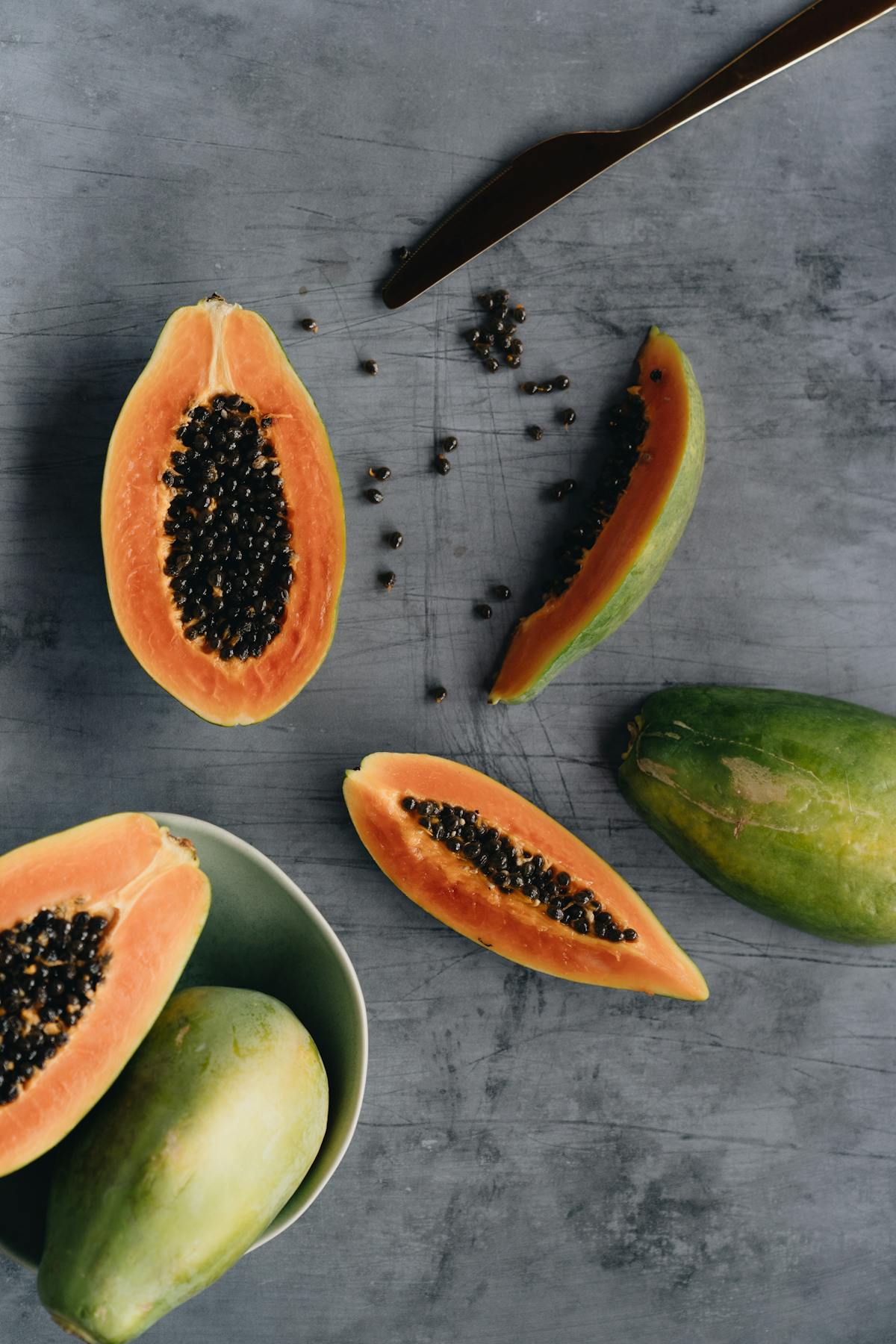
4. Whisk the Lemon-Olive Oil Longevity Dressing
- In a small bowl or jar, combine the olive oil, lemon juice, garlic, oregano, cumin, salt, and black pepper.
- Whisk or shake until the mixture turns slightly thick and glossy—this means it’s emulsified.
- Taste: you’re aiming for a balance of bright acidity, savory depth, and round richness. Adjust with extra lemon, salt, or oil as you like.
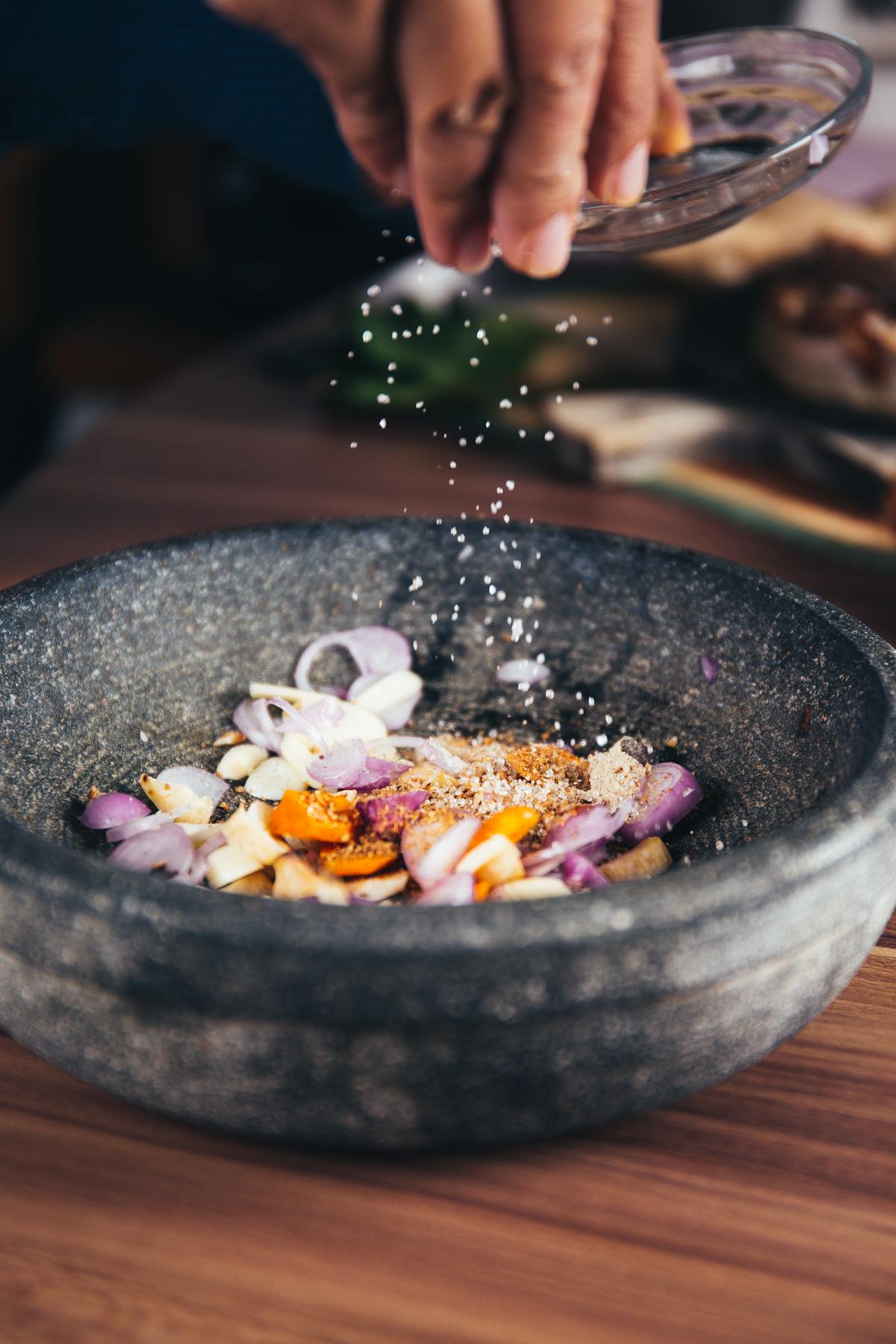
5. Assemble Your Longevity Bowls
- Spoon a bed of warm grains into each bowl.
- Add a generous handful of greens to one side so they gently wilt against the warm grains.
- Arrange beans, tomatoes, cucumber, onion, and olives in little mounds around the bowl—you’re painting with ingredients here.
- Sprinkle with parsley, mint, and feta (if using).
- Drizzle 2–3 tablespoons of the dressing over each bowl.
6. Finish with Crunch and Enjoy Slowly
- Top each bowl with a scattering of toasted nuts or seeds.
- Serve with extra lemon wedges and olive oil on the side so everyone can fine-tune their own flavor.
- Sit down, breathe, and eat without rushing—this might be the most “longevity-promoting” part of the whole dish.
Variations, Substitutions & Dietary Adaptations
One of the reasons Mediterranean longevity eating is thriving post–Blue Zones backlash is its flexibility. You can lean more plant-based, more pescatarian, or mix in small amounts of meat without breaking the pattern.
Make It Vegan or Dairy-Free
- Omit the feta or swap in a plant-based feta.
- Add extra olives or avocado slices for richness.
Make It Gluten-Free
- Use quinoa, brown rice, or millet instead of farro.
- Double-check that your broth is certified gluten-free.
Boost the Protein
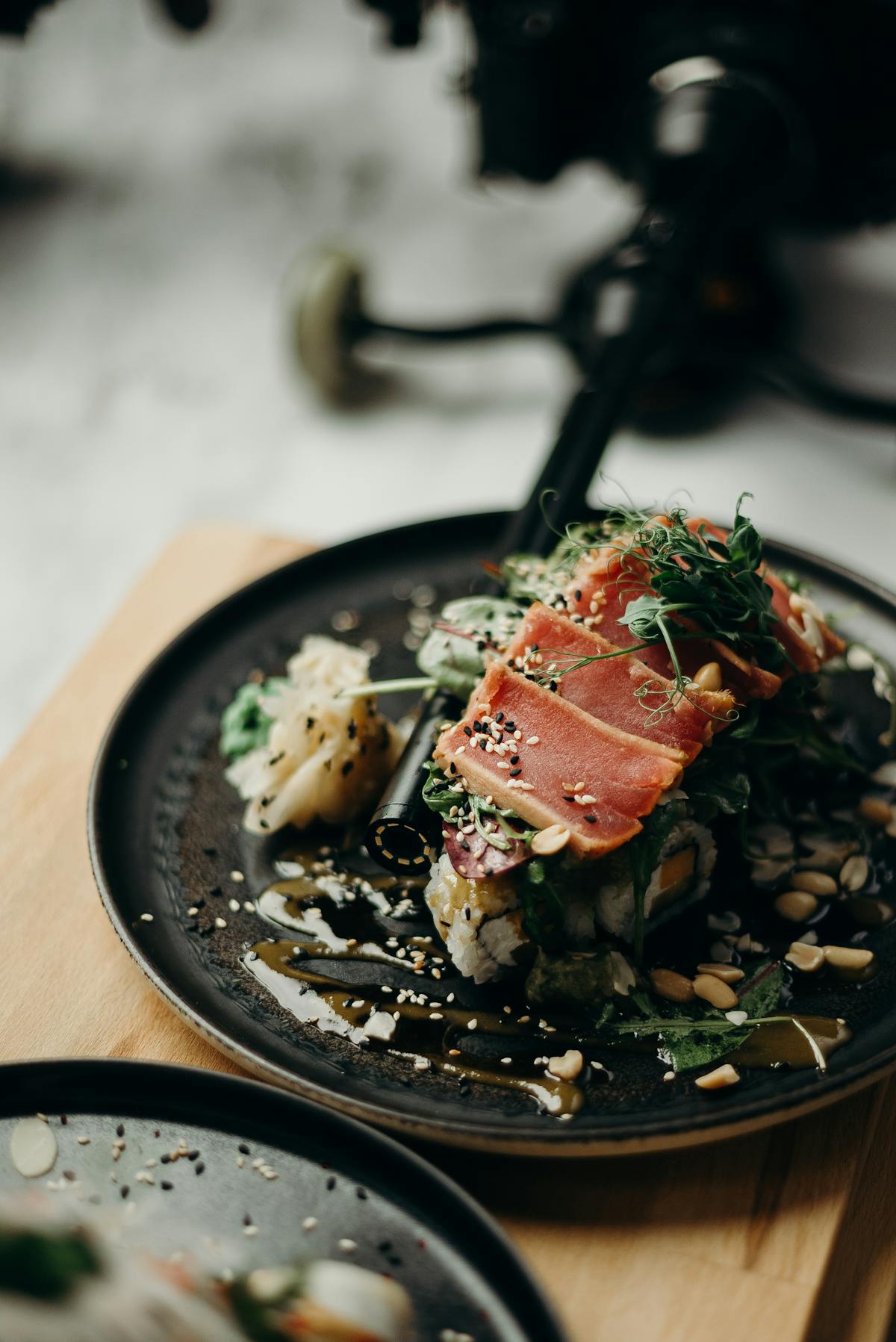
- Add a piece of grilled salmon, sardines, or tuna on top for a pescatarian twist.
- Or sear cubes of marinated tofu for more plant-based protein.
Change Up the Flavor Profile
- Swap cumin for smoked paprika for a Spanish-inspired bowl.
- Add a spoonful of hummus or tahini sauce for extra creaminess.
- Fold in roasted vegetables like eggplant, zucchini, or bell peppers when they’re in season.
Storage, Meal Prep & Reheating
This Mediterranean longevity bowl is ideal for meal prep—another reason it fits so well into realistic, long-term eating patterns.
How to Store
- Grains & beans: Store together or separately in an airtight container in the fridge for up to 4 days.
- Chopped vegetables: Keep in separate containers, lined with a paper towel to absorb moisture. Use within 3–4 days.
- Dressing: Refrigerate in a jar for up to 5 days. Bring to room temp and shake well before using.
- Assembled bowls: If pre-assembled, store undressed and add the dressing and nuts right before eating.
Reheating
- Warm the grains and beans briefly in the microwave (30–60 seconds) or in a skillet with a splash of water.
- Keep the vegetables and herbs cold or at room temperature for contrast.
- Dress and add nuts or seeds just before serving to preserve crunch.
How to Turn This Bowl into a Mediterranean Longevity Feast
One bowl can easily become a full Mediterranean-inspired spread—perfect for a relaxed, social dinner that captures the spirit of longevity eating.
Simple Sides
- Grilled or roasted vegetables: Eggplant, zucchini, peppers, and red onion with olive oil and herbs.
- Leafy green salad: Arugula or mixed greens with lemon, olive oil, and shaved Parmesan or olives.
- Whole-grain or sourdough bread: Lightly toasted and brushed with olive oil.
Light, Mediterranean-Inspired Desserts
- Fresh fruit platter: Oranges, figs (when in season), berries, and grapes.
- Yogurt with honey and nuts: Strained yogurt topped with a drizzle of honey and toasted walnuts.
Longevity-Friendly Drinks
- Water or sparkling water with citrus slices or cucumber.
- Herbal tea such as mint or chamomile after the meal.
Why This Style of Longevity Eating Is Sticking Around
As people grow more skeptical of oversimplified health promises—from miracle supplements to hyper-marketed “Blue Zones”—Mediterranean longevity eating stands out because it doesn’t demand perfection. You don’t need to move to a remote island or abandon your culture’s flavors; you just keep nudging your plate toward more plants, more olive oil, more beans, and fewer ultra-processed foods.
Whether you start with one Mediterranean Longevity Bowl a week or build a whole routine around grain salads, simple fish dinners, and yogurt with fruit, the magic lies in what you repeat over months and years. And if those habits come wrapped in lemon, garlic, and good olive oil, they’re a lot easier—and more joyful—to sustain.
