
Measles Surge in South Carolina: What 979 Cases Mean for Your Family’s Health
Measles cases in South Carolina have surged to 979 confirmed infections, according to recent state health data, with six new cases added since Friday. For many families, this isn’t just another headline—it’s a real source of anxiety, especially if you have young children, older relatives, or anyone with a weakened immune system.
In this guide, we’ll walk through what this rise in measles cases actually means, how to interpret the risk, and—most importantly—what you can do today to protect yourself, your family, and your community using evidence-based, practical steps.
You’ll find clear explanations, realistic expectations, and steps that fit into everyday life—without scare tactics or overpromising. The goal is simple: help you feel informed, prepared, and empowered during this outbreak.
The Current Measles Situation in South Carolina
As of the latest report (through Tuesday), South Carolina health data show:
- 979 confirmed measles cases statewide
- 6 additional cases reported since Friday
- Clusters reported in multiple communities, reflecting ongoing transmission
While exact case distribution by county may shift from day to day, the overall pattern suggests that measles is actively spreading, especially where vaccination coverage is lower than average.
These figures are concerning but also useful—they tell us where the system is stressed and where prevention efforts like vaccination clinics, contact tracing, and public awareness can have the most impact.
What Measles Is and Why This Outbreak Matters
Measles is a highly contagious viral illness that spreads through coughing, sneezing, and even breathing the same air as an infected person. The virus can linger in the air or on surfaces for up to two hours.
Typical symptoms include:
- High fever (often above 101°F / 38.3°C)
- Cough, runny nose, and red, watery eyes
- Tiny white spots inside the mouth (Koplik spots)
- Rash that starts on the face and spreads downward
For many, measles is more than “just a rash.” It can lead to:
- Pneumonia (a serious lung infection)
- Encephalitis (swelling of the brain)
- Hospitalization and, in some cases, death, especially in young children and immunocompromised people
“Measles is one of the most contagious diseases we know of. In a susceptible group, up to 9 out of 10 unvaccinated people who are exposed can become infected.”
– Centers for Disease Control and Prevention (CDC)
This is why a jump to 979 cases in one state is more than just a statistic—it indicates that the virus has found enough unprotected people to keep circulating.
How Measles Spreads: Understanding Your Real-World Risk
Measles spreads so efficiently that even brief contact can be enough in the right conditions. Here’s how that plays out in daily life:
- Airborne spread: Virus particles can hang in the air of a room or hallway for up to two hours after an infected person leaves.
- Shared spaces: Waiting rooms, schools, daycare centers, churches, gyms, and public transport are common exposure sites.
- Pre-symptomatic transmission: People can spread the virus about four days before the rash appears, when they may think they “just have a cold.”
Your actual risk depends on:
- Your vaccination status (MMR doses and timing)
- How much time you spend in crowded indoor spaces
- Local case counts and whether there are outbreaks in your county
- Whether you live or work near communities with lower vaccination rates
The Role of the MMR Vaccine in the South Carolina Outbreak
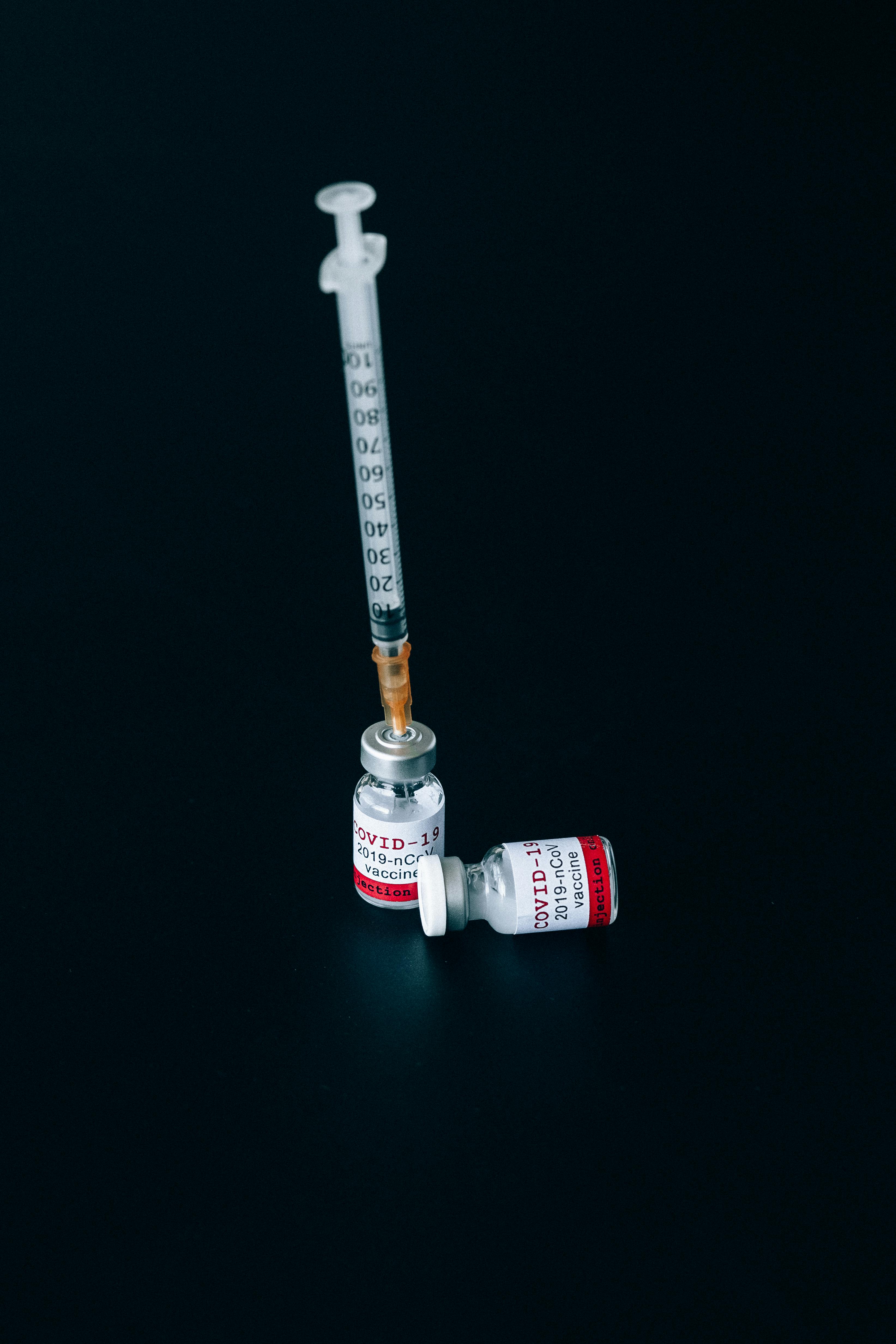
The measles, mumps, and rubella (MMR) vaccine is the main tool we have to slow and eventually stop outbreaks like the one in South Carolina.
When given on schedule:
- 1 dose of MMR is about 93% effective at preventing measles.
- 2 doses are about 97% effective, according to CDC data.
In many measles outbreaks, a large share of cases occur in:
- People who are unvaccinated
- People who are under-vaccinated (only one dose or incomplete records)
- Those who cannot be vaccinated due to medical conditions, relying on community protection
“High vaccination coverage is what keeps measles from finding new hosts. When coverage drops, outbreaks become not only possible, but predictable.”
– Infectious Disease Specialist, summarizing WHO and CDC guidance
If you live in South Carolina or nearby states, confirming your MMR vaccination status is one of the most impactful actions you can take—both for your personal health and for those around you.
Practical Steps to Protect Yourself and Your Family Right Now
You don’t have to overhaul your entire life to meaningfully reduce risk. Here’s a realistic, step-by-step approach you can start today.
1. Confirm Your Vaccination Status
- Check your or your child’s immunization record (often available via your pediatrician, primary care portal, or school).
- Look for two documented doses of MMR after 12 months of age.
- If records are missing or unclear, talk to your healthcare provider—re-vaccination is generally safe for most people.
2. Prioritize High-Risk Household Members
- Infants under 12 months (too young for routine MMR)
- Pregnant people without confirmed immunity
- People on chemotherapy or with immune-suppressing conditions
Ask your healthcare provider whether:
- Early vaccination (in certain age ranges) is appropriate for infants in outbreak areas
- You or your family members need blood tests to confirm immunity
3. Adjust Activities During the Surge
These temporary adjustments can lower exposure without isolating you completely:
- Avoid crowded indoor events where vaccination status is unknown, especially with young children.
- Use telehealth where possible for non-urgent medical visits.
- If you must visit clinics or ERs, notify staff if you suspect measles symptoms before you arrive.
Recognizing Measles Symptoms and When to Seek Care
Early recognition helps protect others and ensures timely medical support. Typical measles progression:
- Days 1–3: Fever, cough, runny nose, and red eyes.
- Days 2–4: Small white spots (Koplik spots) inside the cheeks.
- Days 3–7: A red, blotchy rash starting on the face and hairline, then spreading down the body.
Seek urgent medical care or emergency evaluation if someone with suspected measles develops:
- Difficulty breathing or rapid breathing
- Chest pain
- Confusion, severe headache, or seizures
- Persistent high fever that isn’t improving

A Real-World Scenario: How One Family Reduced Their Risk
Consider a composite example based on common situations reported during outbreaks:
A family in a South Carolina suburb learns that measles cases have climbed close to 1,000 statewide. They have a 10-month-old baby (too young for routine MMR) and a 7-year-old in elementary school.
- They call their pediatrician, who confirms the 7-year-old has had both MMR doses.
- The doctor recommends an early MMR dose for the 10-month-old due to local outbreak conditions, explaining benefits and limitations.
- The parents temporarily avoid large indoor gatherings and switch a few medical follow-ups to telehealth.
- They stay alert for school notifications and local health advisories.
This family can’t eliminate all risk, but through a few targeted decisions they significantly improve protection for their most vulnerable member—the infant—while keeping daily life as normal as possible.
Common Obstacles: Hesitancy, Access, and Misinformation
If you’re feeling hesitant, overwhelmed, or unsure who to trust, you’re far from alone. During outbreaks, three issues often come up:
1. Vaccine Hesitancy
Concerns about side effects, safety, or past negative experiences can make decisions difficult. A few ways to work through this:
- Ask your provider to explain risks vs. benefits in numbers and plain language.
- Request reputable resources, such as the CDC measles vaccine page or WHO measles overview.
- Bring your questions; a good clinician will welcome an open conversation.
2. Access to Vaccination
Some families struggle with time, cost, or transportation. Possible solutions:
- Look for local vaccination clinics or outreach events announced by DHEC or community health centers.
- Ask about low-cost or free vaccine programs for children, such as Vaccines for Children (VFC) in the U.S.
- Check pharmacy-based clinics that offer extended evening or weekend hours.
3. Confusing or Conflicting Information
With social media, it’s easy to encounter conflicting claims. To protect your peace of mind:
- Rely on primary sources such as CDC, WHO, and your state health department.
- Be cautious of any source that promises “100% safe” or “zero risk”—honest guidance acknowledges trade-offs.
- Ask your healthcare provider to help interpret complex or scary-sounding news stories.
Community Protection: How Individual Choices Add Up
Measles doesn’t just affect the individuals who get sick; it can strain hospitals, disrupt schools, and threaten those who can’t get vaccinated. When enough people are immune, we create a buffer—often called herd immunity—that slows or stops spread.
Public health experts estimate that because measles is so contagious, a very high vaccination rate—usually around 95% or higher—is needed to prevent outbreaks.
Every time a person updates their MMR vaccination or chooses to keep a sick child home, they’re not just acting for themselves—they’re helping protect newborns, cancer patients, and others who rely on that community shield.
Quick FAQ: Common Questions About the Measles Surge
- 1. If I had measles as a child, do I still need the MMR vaccine?
- Most people who had laboratory-confirmed measles in the past are considered immune. If you’re unsure or your history is unclear, your provider may recommend a blood test or vaccination for reassurance.
- 2. Can vaccinated people still get measles?
- Yes, but it’s less common. The MMR vaccine is highly effective but not perfect. Breakthrough cases in fully vaccinated people tend to be milder, but they still matter for public health tracking.
- 3. Should I keep my child home from school because of the outbreak?
- If your child is fully vaccinated and there’s no specific exposure notice, most public health agencies do not recommend routine school avoidance. If an exposure occurs, local health authorities or the school will provide specific guidance.
Evidence and Trusted Resources
For deeper reading and the latest data, these authoritative sources are regularly updated:
- CDC – Measles (Rubeola)
- CDC – Measles Vaccination (MMR)
- World Health Organization – Measles
- South Carolina Department of Health and Environmental Control (DHEC) – Infectious Disease Updates (check current measles reporting page)
Always cross-check major decisions about vaccination or travel with your own healthcare provider, who can tailor guidance to your medical history and local conditions.
Moving Forward: Staying Informed Without Staying Afraid
A measles count of 979 cases in South Carolina is a clear signal: the virus is exploiting gaps in protection. But it’s also a reminder that we’re not powerless. Small, concrete actions—checking your vaccination record, having one honest conversation with a clinician, adjusting a few plans during the surge—can add up to meaningful protection.
You don’t have to do everything at once. You only need to decide on your next step.
- Schedule time to review your family’s immunization records.
- Write down your top 3 questions about measles or the MMR vaccine.
- Reach out to your healthcare provider, pharmacy clinic, or local health department this week.
By taking informed, measured steps—not driven by panic, but by solid evidence—you help protect yourself, your loved ones, and neighbors you may never meet. That’s the real power we share in facing outbreaks like this together.
