Kid Rock’s Alt-Super Bowl: Inside Turning Point USA’s Culture-War Halftime Counterprogramming
Kid Rock to Headline Turning Point USA’s Alt-Super Bowl Show: What This Culture-War Concert Really Means
Turning Point USA is staging an “alt-Super Bowl” concert headlined by Kid Rock to counter Bad Bunny’s official Super Bowl halftime show, turning America’s biggest sports broadcast into a live culture-war split screen that says as much about politics and fandom as it does about music. This breakdown looks at what the lineup reveals about conservative pop culture strategy, how it fits into the NFL’s evolving brand, and why no one is shocked Kid Rock is at the center of it.

How We Got Here: From Halftime Show to Culture-War Battlefield
The Super Bowl halftime show has quietly morphed from a kitschy mid-game diversion into a global prestige stage where pop superstars audition for immortality and streaming spikes. Along the way, it’s also become a proxy war for America’s broader culture clashes. Every booking decision — from Janet Jackson and the infamous wardrobe malfunction to Shakira & Jennifer Lopez, Rihanna, and now Bad Bunny — gets read as a political statement.
Enter Turning Point USA, a conservative youth organization that has spent the past decade building a media-savvy ecosystem of conferences, podcasts, and live events. Counter-programming the official halftime show with their own concert is less about music taste and more about telling their audience: “You don’t need the NFL’s version of pop culture; we’ll build our own.”
The Lineup: Kid Rock, Country Radio Staples, and a Clear Message
Turning Point USA’s lineup reads like a Spotify playlist titled “Red State Tailgate 2012–2024.” The names are familiar, the vibes are unmistakable, and the strategy is very on-brand.
- Kid Rock – Once a rap-rock hybrid out of Detroit, he’s reinvented himself as a full-time culture-war performer, fusing Southern rock, country, and an unapologetically right-wing persona. If TPUSA wanted a headliner who screams “anti-woke Super Bowl,” this is the most predictable — and therefore effective — choice.
- Brantley Gilbert – A staple of modern “outlaw lite” country, Gilbert leans into biker aesthetics, small-town storytelling, and patriotic themes. His presence reinforces the concert’s lean into country’s more conservative fanbase.
- Lee Brice – A radio-friendly hit maker who brings emotional ballast and mainstream recognition, Brice broadens the event’s appeal beyond hardcore political devotees without clashing with the night’s ideology.
- Gabby Barrett – A younger star with a massive crossover hit (“I Hope”), she signals that TPUSA wants to recruit not just nostalgia-driven fans, but also Gen Z and young millennial country listeners.
“Turning Point USA has followed through on its promise (threat?) to counter-program Bad Bunny’s Super Bowl Halftime Show with a concert of its own and the most unsurprising headliner imaginable: Kid Rock.”
The subtext is loud: where the official halftime show highlights the global, bilingual, streaming-era face of pop music in Bad Bunny, TPUSA is curating a very specific vision of “real America” through their artists.
Visuals: Americana Aesthetics vs. Global Pop Spectacle
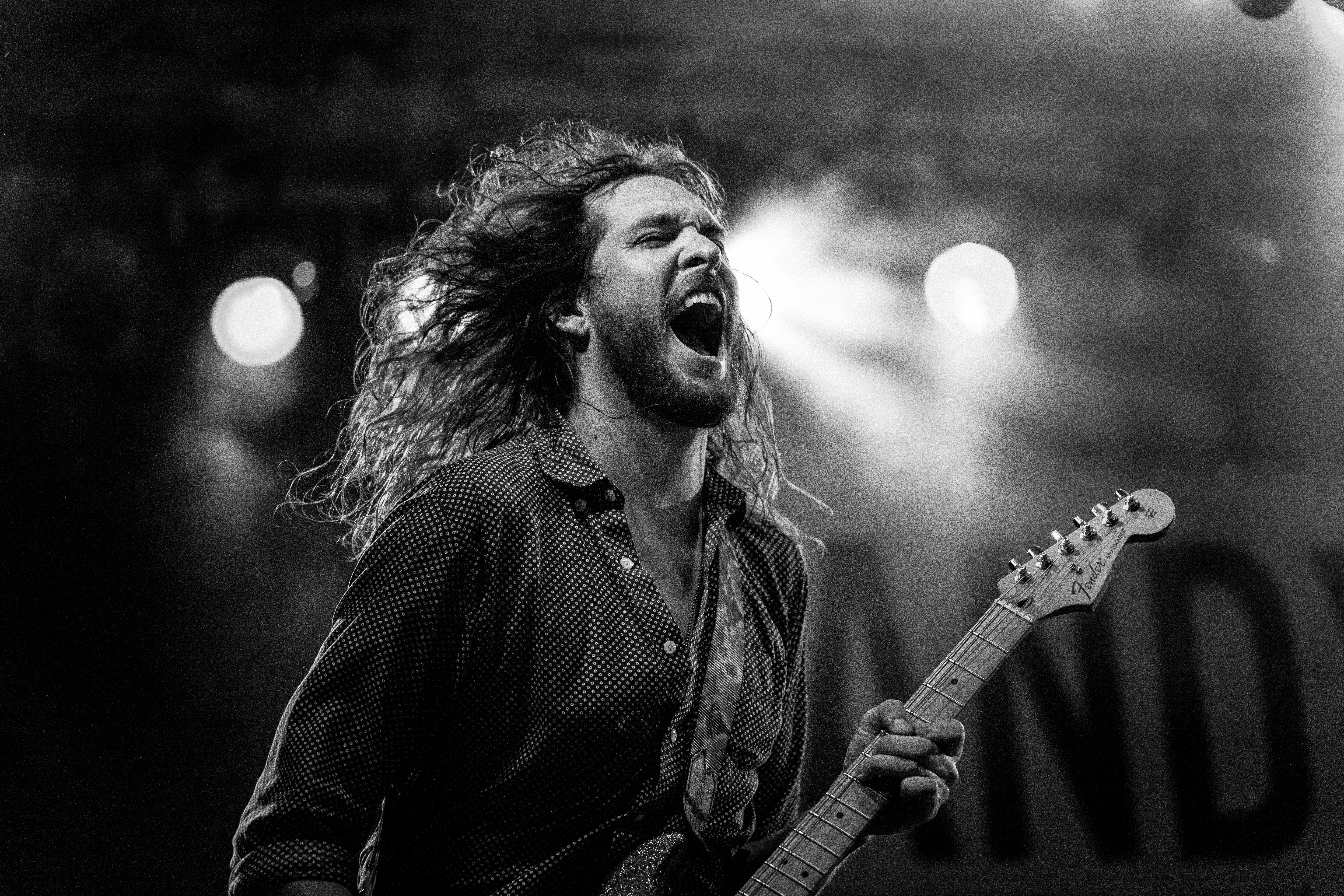
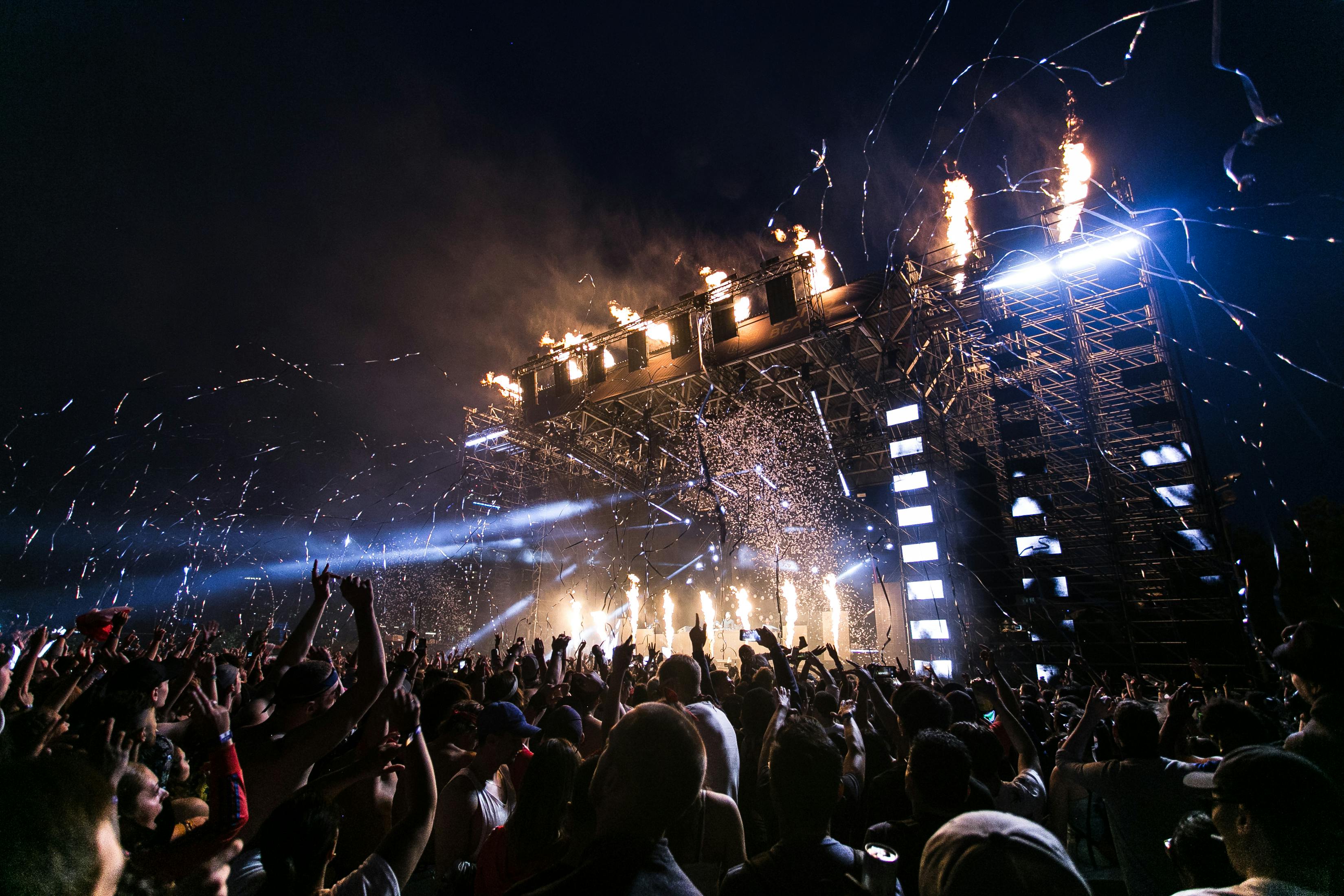
Visually, you can almost storyboard the contrast. On one screen: Bad Bunny, neon futurism, reggaeton and trap production, dancers in hyper-stylized outfits. On the other: denim, leather vests, American flags, trucks, and stadium rock poses.
Culture War Strategy: Building a Parallel Pop Universe
Turning Point USA’s alt-Super Bowl event is part of a wider trend: the right’s push to build a parallel media and entertainment ecosystem. If mainstream institutions — from the Academy Awards to ESPN — are perceived as hostile or overly progressive, the solution is to launch separate awards shows, streaming platforms, and tour circuits that flatter a conservative audience.
Kid Rock is perfectly cast for that mission. Once a crossover figure, he’s spent recent years deepening his alignment with conservative politics, from outspoken commentary to high-profile boycotts. Booking him sends a message that this isn’t just a concert — it’s a statement of identity.
- Affirmation: The show reassures viewers who feel alienated by the NFL’s current cultural posture that their tastes are valid, even superior.
- Engagement: It keeps TPUSA’s brand in the news cycle during one of the most-watched nights of the year.
- Recruitment: Young country fans and Kid Rock loyalists may drift into the broader TPUSA ecosystem via livestreams, clips, and social content.
In a fragmented media landscape, the Super Bowl remains one of the last true monoculture events — which makes it irresistible as a stage for parallel programming and protest.
Musically Speaking: Will This Actually Be a Good Show?
Stripped of politics, the TPUSA concert is a straightforward, radio-safe bill. Kid Rock still knows how to work a crowd; his catalog of anthems and power ballads is essentially engineered for halftime-style singalongs. Brantley Gilbert and Lee Brice reliably deliver sturdy, guitar-heavy country rock, while Gabby Barrett adds contemporary polish.
On a setlist level, expect:
- Kid Rock leaning on hits like “Bawitdaba,” “Cowboy,” and country-leaning singles with overt patriotic themes.
- Gilbert and Brice serving mid-tempo heartland rock, tailored for beer-in-hand viewing.
- Barrett anchoring the younger, TikTok-literate side of the bill with sleek, radio-friendly performances.
The likely weakness isn’t technical performance so much as predictability. Where the official halftime show tends to lean into surprise guests, genre mashups, and elaborate staging, TPUSA’s event will probably feel closer to a very well-funded state fair headliner night — fun for fans, but narrower in ambition.
Bad Bunny vs. Kid Rock: Two Americas, Two Halftimes
Put bluntly, this is less about who is the better performer and more about what kind of America each act represents. Bad Bunny stands at the center of streaming-era pop: Spanish-language, genre-fluid, digitally native, and deeply plugged into global youth culture. His Super Bowl slot underlines the NFL’s ongoing courtship of younger, more diverse audiences.

Kid Rock, by contrast, is anchored in a vision of late-90s and 2000s rock radio, repurposed as a symbol of resistance to perceived “woke” pop culture. His Super Bowl-adjacent show reflects a nostalgia for a pre-streaming, more homogenous pop landscape — one where rock and country sat firmly at the center.
Industry Insight: What This Signals for Future Super Bowls
For the NFL, this kind of counter-programming is both inevitable and manageable. The league has spent the past decade threading a needle: embracing social-justice messaging, aggressively chasing international markets, and leaning into pop’s global powerhouses, all while trying not to alienate its core U.S. football base.
For political groups, alt-Super Bowl events are a content goldmine:
- Clippable moments: Speeches, crowd chants, and patriotic visuals can be sliced into viral social content within minutes.
- Fundraising & data: Ticketing and livestream sign-ups become list-building opportunities.
- Brand building: Being part of “Super Bowl Sunday” — even in orbit — lets organizations borrow cultural capital they couldn’t manufacture on their own.

Expect more of this: conservative festivals lining up against award shows, progressive organizers staging their own sports-adjacent watch parties, and fan communities increasingly sorting themselves into parallel entertainment streams.
Where to Learn More
For readers wanting official details, context, and additional reporting:
- Rolling Stone coverage of the alt-Super Bowl announcement: Rolling Stone – Music & Politics
- Event and organization info from the source: Turning Point USA Official Site
- NFL and halftime show background: NFL.com
- Artist filmography and appearances: IMDb – Entertainment Database
Conclusion: When the Halftime Show Becomes a Rorschach Test
Kid Rock headlining Turning Point USA’s alternative Super Bowl show isn’t a plot twist; it’s the logical culmination of a decade in which every major cultural event is treated like a referendum. For some viewers, the night will offer choice — a chance to flip between two very different visions of American music. For others, it will simply underline how far the idea of a single, shared “main event” has slipped away.
Whether you’re tuning in for Bad Bunny’s hyper-modern spectacle, Kid Rock’s throwback patriot-rock, or just the actual football game, Super Bowl Sunday now doubles as a mirror. What you choose to watch may say as much about the country you think you live in as it does about the songs blasting through your speakers.