
Kid Rock vs. the Lip-Sync Backlash: Inside the TPUSA Halftime Controversy
Kid Rock’s Turning Point USA alternative halftime show was supposed to be a smooth political-tinged spectacle, but it turned into a viral debate over whether he was lip-syncing, forcing the rock-rapper onto the defensive as he insisted the performance was real while acknowledging that the pretaped audio and visuals were out of sync.
In a media cycle that already treats Super Bowl halftime shows like election nights, the TPUSA event became its own culture-war offshoot. When clips started circulating on social media showing Kid Rock’s mouth and the track noticeably out of sync, accusations of lip-syncing arrived on cue. His response: yes, the show was pretaped, and yes, the sync was off—but no, he swears he wasn’t faking it.

How a TPUSA Halftime Stunt Became a Culture-War Moment
Turning Point USA has built a brand on blending conservative politics with youth-targeted media spectacle—live events, influencers, and now, alternative halftime shows positioned as counter-programming to mainstream entertainment. Booking Kid Rock, a long-time conservative-leaning figure with a NASCAR-and-tailgate fan base, fits that playbook perfectly.
In the past decade, halftime performances—from Beyoncé to Eminem—have doubled as political Rorschach tests. The TPUSA show tries to flip that dynamic: instead of reading hidden messages into the NFL’s main-stage performance, it offers an outright ideological alternative, complete with star power tailored to a specific base.
That’s why the lip-sync discourse matters more than it would at, say, a random festival set. For fans, Kid Rock is supposed to be the “real,” no-nonsense antidote to what they see as overproduced, overly choreographed pop performances. A sync problem—even a technical one—cuts against that self-image.
What Actually Happened With Kid Rock’s “Out-of-Sync” Performance?
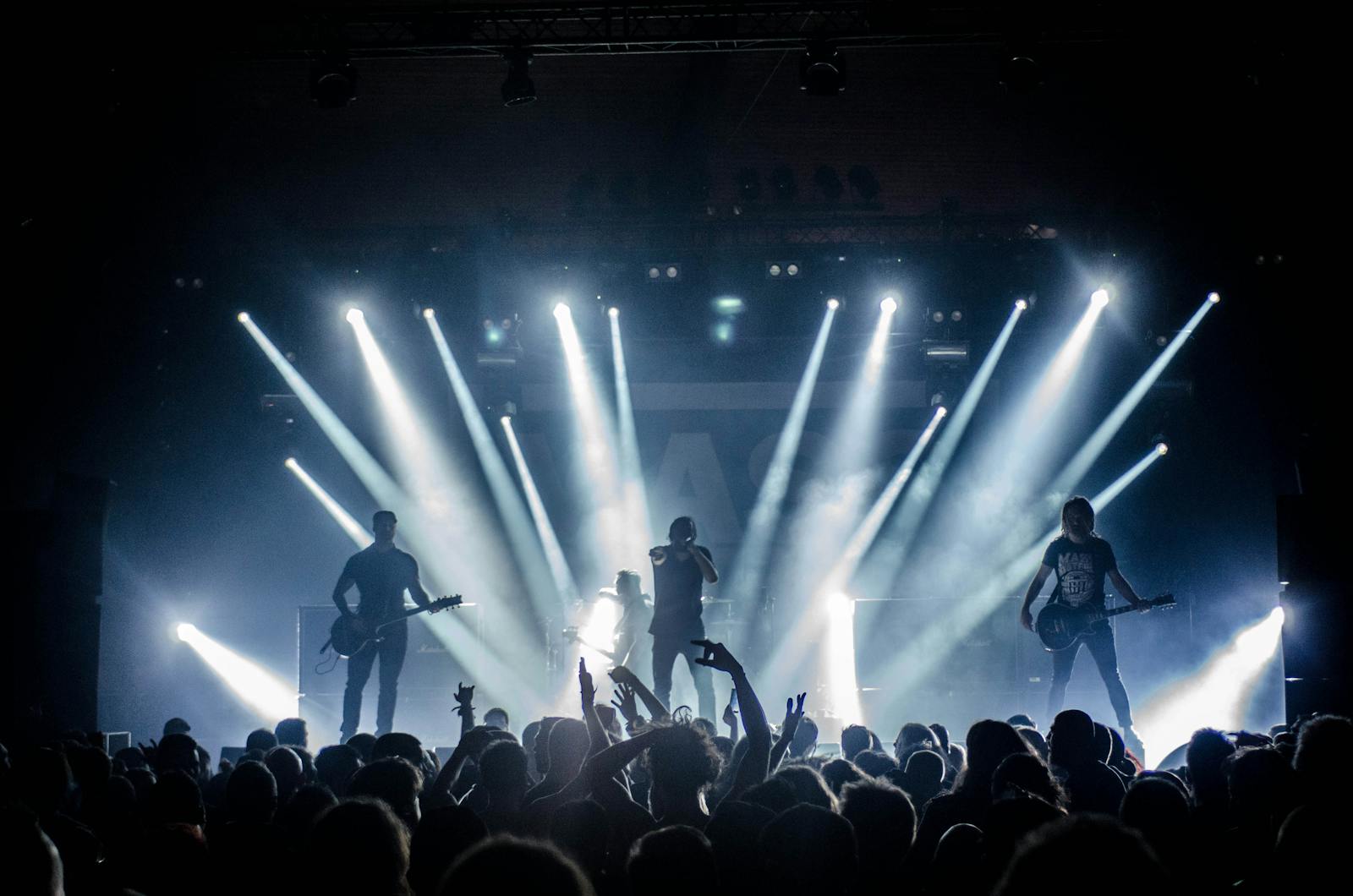
Based on reports and circulating clips, the TPUSA halftime performed by Kid Rock was pretaped and then aired during the live game break. That’s not unusual—plenty of large-scale TV performances rely on some mix of pre-recorded elements and live vocals. The problem here is that viewers saw Kid Rock’s mouth moving noticeably out of time with the vocal track, triggering an avalanche of “it’s all fake” reactions online.
In subsequent interviews, Kid Rock pushed back on the lip-sync label. He acknowledged that the broadcast was out of sync but framed it as a technical or post-production issue, not a musical shortcut. In other words: he claims he actually sang; the delivery system glitched.
“I wasn’t lip-syncing. We recorded it, they aired it, and the sync got screwed up. That’s on the production, not on whether I can sing.”
Whether that explanation satisfies you probably depends on how you already feel about Kid Rock and about political entertainment experiments like this one. But technically speaking, there’s a big difference between miming to someone else’s studio track and performing live to a pre-recorded mix that later gets misaligned in the edit.

Lip-Syncing, Authenticity, and the Long Shadow of Past TV Fiascos
Lip-sync accusations on TV are nothing new. From Ashlee Simpson’s infamous “SNL” backing track mishap to numerous pop stars caught with suspiciously perfect vocals mid-choreography, viewers have learned to be skeptical of anything that looks too clean—or too off.
Kid Rock’s brand has always traded less on precision and more on bar-band energy: beer, volume, and a kind of rough-and-ready swagger. That aesthetic clashes with the idea of slickly mimed tracks but also with overproduced political TV spectacles. The TPUSA halftime straddled those worlds, and the cracks showed.
What’s different now is the speed at which social media can freeze-frame a single misaligned syllable and turn it into a referendum on a celebrity’s entire persona. In that sense, the Kid Rock controversy isn’t just about one performance; it’s about how tightly authenticity is policed when an artist has become a walking political symbol.
Kid Rock’s Damage Control Tour: Owning It or Overreacting?
One of the more telling parts of this saga is Kid Rock’s reaction. Instead of celebrating the show as a slam-dunk for the TPUSA audience, he’s on the defensive—“making the media rounds,” as Rolling Stone put it—trying to convince people he didn’t cheat.
That posture unintentionally concedes something: if the show had landed as an undeniable success, the narrative wouldn’t be about sync issues. Artists whose performances clearly work on their own terms typically don’t feel compelled to litigate the technical details after the fact. By focusing on what went wrong, Kid Rock and the show’s producers signal that they know the broadcast didn’t quite match the swagger they were selling.
“This is the one thing you don’t want to be explaining after a big televised performance: that the thing everyone saw wasn’t quite the thing you meant to show them.”
To be fair, TV music production is genuinely complicated, and it’s not unusual for artists to bristle at being blamed for problems introduced in the control room. But when your public persona is built on “I’m as real as it gets,” even a technical failure feels like a reputational threat.
Strengths, Weaknesses, and What the Show Was Trying to Be
Evaluated purely as a piece of entertainment, the Kid Rock TPUSA halftime special sits in an odd middle ground—part political rally, part concert, part made-for-streaming spectacle. Without getting into policy, you can still see what the production was aiming for: a kind of outlaw-patriot aesthetic calibrated to a particular slice of the American audience.
- Strengths: Clear understanding of its target demo; recognizable star with a long catalog; visual scale that looks good in short social clips; a tone that matches TPUSA’s brand.
- Weaknesses: Technical inconsistency that undermines the “authentic” vibe; over-reliance on pre-packaged spectacle; and a performance that plays better as a culture-war talking point than as a standalone musical moment.
Compared with mainstream Super Bowl halftime productions by artists like Rihanna or The Weeknd, the Kid Rock special feels narrower in ambition: less about unifying a broad cross-section of the audience and more about serving a self-selected in-group. There’s nothing inherently wrong with that, but it means the margin for error is slim—if the target fans don’t think it rocks, there’s no backup audience to rescue the narrative.

What This Says About Politics, Pop Culture, and “Owning the Moment”
The Kid Rock TPUSA halftime flap is, on one level, minor: a sync issue in a niche broadcast. But it sits at the intersection of several bigger currents—politics invading every corner of pop culture, the rise of parallel media ecosystems, and the demand that celebrity performances double as ideological statements.
For conservative entertainment projects, the goal is often “owning” or replacing mainstream cultural stages. But with that ambition comes the same scrutiny the NFL and major networks face. You can’t claim to be the more “authentic” version of the show and then shrug off production mistakes as beside the point. Viewers are media-literate enough to expect both ideological clarity and technical competence.
As for Kid Rock, his insistence that he wasn’t lip-syncing may well be accurate on the narrow question of whether his vocals were real. The more interesting story, though, is how a misaligned broadcast turned into yet another referendum on what kind of entertainment counts as genuine—and who gets to decide.
Looking ahead, expect more alternative halftime shows, more politically aligned concerts, and more debates about what’s “real” on stage. The cameras aren’t going anywhere, and neither is the replay button.

Further Reading and Official Sources
- Rolling Stone’s coverage of the controversy (search: “Kid Rock Swears He Wasn’t Lip-Synching at the Pretaped TPUSA Halftime Show” on rollingstone.com)
- Kid Rock’s filmography and TV appearances on IMDb
- Turning Point USA official site: tpusa.com
