
Kid Rock, Bad Bunny, and the Super Bowl Halftime Lip-Sync Debate Explained
The Super Bowl halftime show has a long history of sparking arguments, but Super Bowl LX on February 8, 2026, in Las Vegas managed to ignite several at once. Bad Bunny made history with the first-ever fully Spanish-language headline set, Kid Rock popped up in a guest slot, and within hours social media was flooded with accusations of lip-syncing, culture wars, and debates over what “live” even means on the biggest TV stage in America.
Super Bowl LX Halftime: When “Live” Doesn’t Mean What You Think
After the show, Kid Rock tried to cool things down by insisting that his controversial segment was “pre-recorded but performed live,” a phrase that raised more eyebrows than it calmed. Meanwhile, Bad Bunny’s ambitious Spanish-language performance drew both praise for representation and criticism from viewers who felt shut out or questioned the musical choices. The result: a halftime show still dominating headlines days later, for reasons that go far beyond football.

How We Got Here: Bad Bunny, Kid Rock, and a Very 2026 Halftime Show
Super Bowl LX in Las Vegas was always going to be loud. The NFL tapped Bad Bunny as the main halftime headliner—its first time giving the entire spotlight to a Spanish-language artist—and surrounded him with surprise guests aimed at bridging generational and cultural gaps. Enter Kid Rock, a lightning-rod figure whose crossover from rap-rock to country rock to political talking point has kept him in the culture conversation for years.
On paper, it was classic NFL hedging: pair the global streaming titan (Bad Bunny) with a nostalgia-heavy American rocker (Kid Rock) to keep as many demographics as possible from changing the channel. In practice, it produced a whiplash-inducing medley that had Twitter, TikTok, and group chats parsing every mic movement for signs of lip-syncing.
The NFL, still haunted by the technical chaos of older shows and the post–Janet Jackson hyper-scrutiny era, runs the halftime production like a military operation. Stages roll in and out in minutes, wireless mics compete with tens of thousands of smartphones, and the league prioritizes a pristine TV broadcast over any risk of a blown vocal. That tension—between “perfect” and “authentic”—sets the stage for what happened next.
Kid Rock’s Defense: “Pre-Recorded but Performed Live”
As criticism piled up, Kid Rock jumped into the fray, addressing fans who accused him of faking his performance. His explanation introduced a phrase that quickly started doing laps across social media:
“The track was pre-recorded, but I performed it live on top of it. That’s how these shows work. You want the energy of live, but the safety net of a track so millions of people don’t hear a disaster.”
To music insiders, what Kid Rock described is standard practice. It’s called tracking: artists sing along with pre-recorded vocals or backing stems to keep the sound consistent when staging, choreography, or broadcast conditions make pure live audio risky. Pop, rock, K-pop, even some “cred”-heavy bands use variations of this on TV.
To a lot of viewers, though, the wording “pre-recorded but performed live” sounded like political spin—technically accurate, but suspiciously convenient. In an era when authenticity is currency, the halftime show is starting to feel like the uncanny valley of live music: it looks real, it mostly sounds real, but something about the perfection makes people uneasy.

Why the Super Bowl Almost Never Sounds Truly “Live”
The controversy isn’t happening in a vacuum. Super Bowl halftime shows have flirted with backing tracks, miming, and hybrid performances for decades. From the heavily tracked pop spectacles of the early 2000s to the more rock-oriented sets in the 2010s, the NFL’s priorities haven’t changed: no dead air, no obvious mistakes, no lawsuits.
- Stadium acoustics are notoriously unforgiving, with sound bouncing and delaying across open space.
- Stage and gear must be rolled out, plugged in, and functioning in a tiny window during halftime.
- Broadcast audio has to sound good on phones, TVs, bars, and massive jumbotrons simultaneously.
Put simply: the Super Bowl halftime show is less like a concert and more like a live-action music video with an audience. The NFL usually pre-records instrumental tracks and sometimes “safety” lead vocals. Artists may sing fully live on top—or lean on the track more heavily if something goes sideways.
“If you expect a club gig level of rawness from a show that has 700 million eyes on it, you’re misunderstanding the product. It’s television first, concert second.”
None of this excuses misleading marketing—“live” should mean something—but it does explain why even rock acts end up participating in the same safety-first audio strategy as the pop stars they like to differentiate themselves from.

Bad Bunny’s Historic Spanish-Language Set: Representation, Resistance, and Ratings
While Kid Rock soaked up much of the backlash narrative, the bigger cultural story belongs to Bad Bunny. Super Bowl LX marked the first time the halftime spotlight belonged entirely to a Spanish-language artist, without an English-speaking “anchor” to soften the pitch to Middle America. That alone made the show historic.
The set reportedly leaned into his global hits—songs like “Tití Me Preguntó,” “Dakiti,” and “Callaíta”—with minimal English banter and a staging style closer to a stadium tour than a safe, legacy-rock medley. For younger viewers, especially across Latin America and U.S. Latino communities, it felt overdue. For others, it became a flashpoint.
Critically, early reactions have split along familiar lines: music press and many fans praising the risk and cultural significance; more conservative commentators framing it as the NFL “abandoning” tradition. That Bad Bunny isn’t an English-language crossover act but a dominant global force on his own terms only heightens the sense that the halftime show has stepped decisively into a post–Top 40 era.
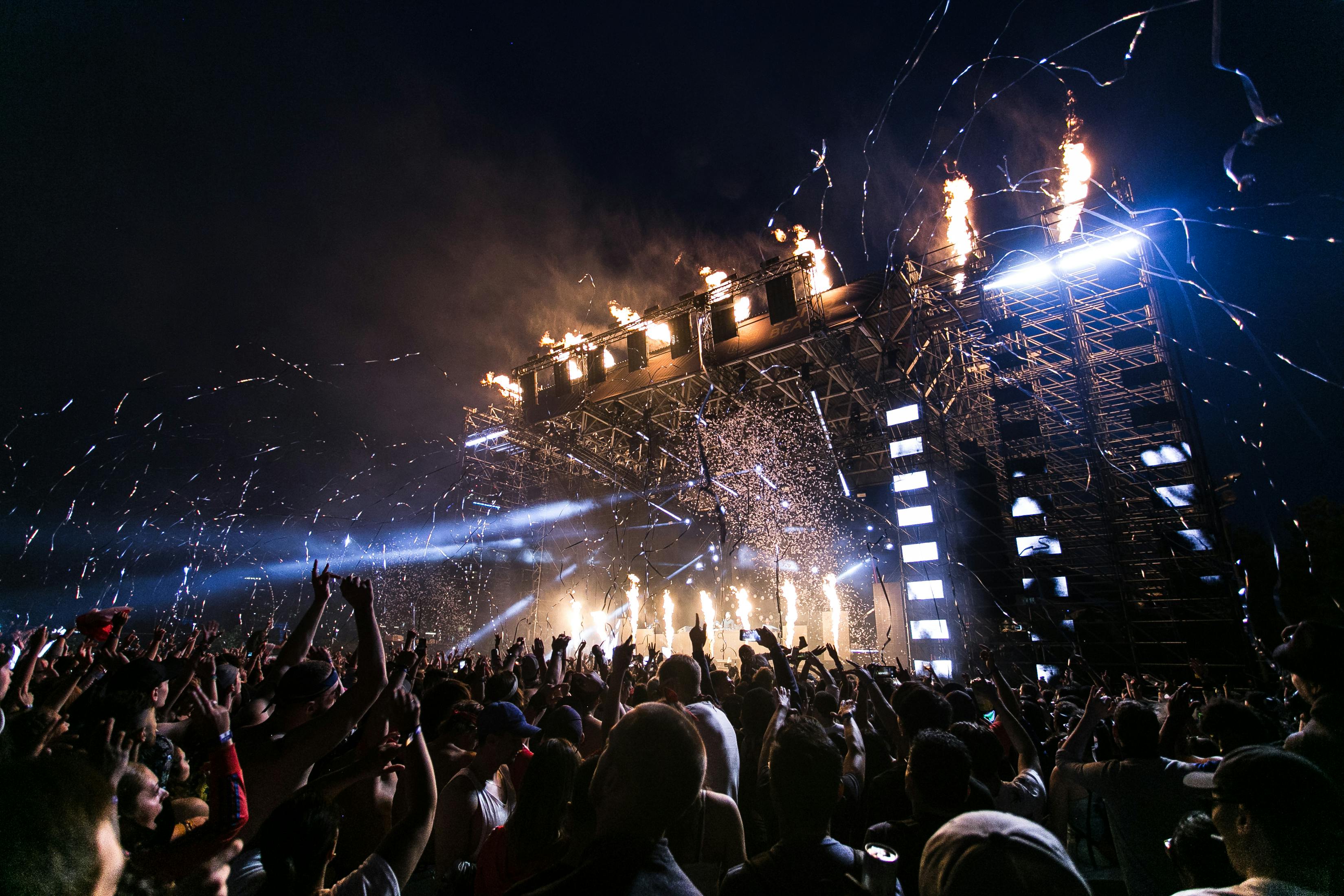
The Backlash: Lip-Sync Accusations, Culture Wars, and Fan Expectations
The postgame discourse wasn’t just about audio tracks; it was about identity, authenticity, and who the NFL thinks its audience is. Kid Rock’s involvement invited instant political framing—supporters celebrating his presence, critics calling it pandering. Bad Bunny’s set, meanwhile, became a Rorschach test for how comfortable viewers are with a “main event” not tailored to English-only audiences.
- Performance authenticity: Viewers zoomed in on off-mic moments, delayed breaths, and perfectly mixed harmonies as supposed evidence of full-on miming.
- Cultural representation: Fans praised the visibility of Spanish-language music on U.S. TV’s biggest stage, while detractors painted it as exclusionary.
- Political overtones: Kid Rock’s brand baggage meant any perceived misstep became part of a broader culture-war narrative.
“We want the chaos of a live concert, the polish of a studio recording, and the symbolism of a world-pleasing cultural statement—delivered in 13 minutes between car commercials.”
That impossible wish list explains why so many people end up disappointed. The halftime show can’t simultaneously be a raw club gig, a patriotic ritual, and a Spotify playlist come to life. Every artistic choice—Spanish lyrics, rock cameos, pre-recorded tracks—will thrill some slice of the audience and alienate another.
Evaluating the Show: What Worked, What Didn’t
Stripping away the noise, Super Bowl LX’s halftime show was ambitious, occasionally messy, and strategically savvy. It landed some big swings and whiffed a few others.
Strengths
- Cultural significance: Centering a Spanish-language artist at the world’s most-watched TV event is a milestone, not a gimmick.
- Visual production: From camera work to staging, the show delivered the now-expected NFL spectacle—tight, colorful, and meme-ready.
- Setlist focus: Leaning into actual hits rather than safe classic-rock karaoke gave the show a sense of being of the moment.
Weaknesses
- Tonality whiplash: The shift from Bad Bunny’s global reggaeton energy to Kid Rock’s Americana-rock presence felt more algorithmic than organic.
- Perception of fakeness: Even if the vocals were partially live, the obvious reliance on tracks undermined the emotional immediacy for many viewers.
- Lack of narrative: Recent standout halftime shows—from Beyoncé to Prince—told a story. This one felt more like a playlist shuffle with very good staging.
On balance, the show succeeds more as a cultural signal than as an all-time musical performance. It announces where the NFL thinks popular music is headed (global, multilingual, streaming-first) but can’t quite reconcile that with its own conservative instincts and risk-averse production playbook.

Industry Takeaways: The Future of “Live” at Mega-Events
The Kid Rock backlash and Bad Bunny discourse point toward a few trends that are unlikely to reverse anytime soon:
- Hybrid performances are the norm now. Total live vocals at events this big are the exception, not the rule—especially when choreography and complex staging are involved.
- Transparency will matter more. Audiences increasingly want to know what’s live, what’s tracked, and why. Vague statements like “pre-recorded but performed live” don’t help.
- Global pop is here to stay. From K-pop to reggaeton, expect more halftime shows that assume a multilingual audience and streaming-era taste, not just U.S. radio habits.
- Backlash is part of the business model. Controversy drives clicks, clips, and replay value. The NFL is unlikely to see online outrage as a reason to play it safe.
From an industry standpoint, Super Bowl LX isn’t an outlier; it’s a case study. The show reveals how legacy institutions like the NFL are trying to surf a rapidly changing musical landscape without alienating a base that often prefers nostalgia to novelty.
Watch the Performances and Decide for Yourself
The best way to cut through the discourse is to watch the show with your own eyes and ears. The NFL typically uploads the full halftime performance to its official YouTube channel within hours of broadcast.
You can usually find it by searching:
- YouTube: “Super Bowl LX Halftime Show Bad Bunny Kid Rock NFL Official”
- NFL site: Visit nfl.com/video and filter for Super Bowl LX content.
- Recaps & reviews: Check coverage on Billboard, Variety, or The Hollywood Reporter for critic perspectives.
When you watch, pay attention to moments where vocals stay flawless despite heavy movement, or where crowd sound seems oddly muted or perfectly mixed—those are often clues to where the live/tracked line sits.
Final Verdict: A Turning Point Wrapped in a PR Problem
Super Bowl LX Halftime Show (Bad Bunny featuring Kid Rock and guests)
Taken as a whole, the Super Bowl LX halftime show feels less like a flawless classic and more like a snapshot of where pop culture is right now: globally fluent, hyper-produced, and permanently embroiled in debates about what’s real. Kid Rock’s “pre-recorded but performed live” defense didn’t end the backlash, but it accidentally articulated the paradox at the heart of modern mega-events. We want our performances both bulletproof and vulnerable, both perfectly mixed and undeniably live.
Bad Bunny’s landmark Spanish-language set will probably age better than the surrounding discourse. Years from now, people may remember this halftime less for the lip-sync arguments and more for the moment a global superstar performed on his own terms in front of the most mainstream audience on Earth.
Reviewed by An Entertainment Culture Analyst
Overall rating: 3.5/5 — culturally important, musically mixed, and guaranteed to be argued about until next year’s kickoff.
