
Jay Manuel Breaks His Silence on Tyra Banks and the Fallout Behind America’s Next Top Model
Jay Manuel’s cool, almost casual admission that he doesn’t really miss his friendship with Tyra Banks lands with the weight of a finale cliffhanger. Thanks to Netflix’s docuseries Reality Check, the legacy of America’s Next Top Model is suddenly back under the microscope, and the once inseparable duo at the heart of the show now feel like characters from two very different spin‑offs.
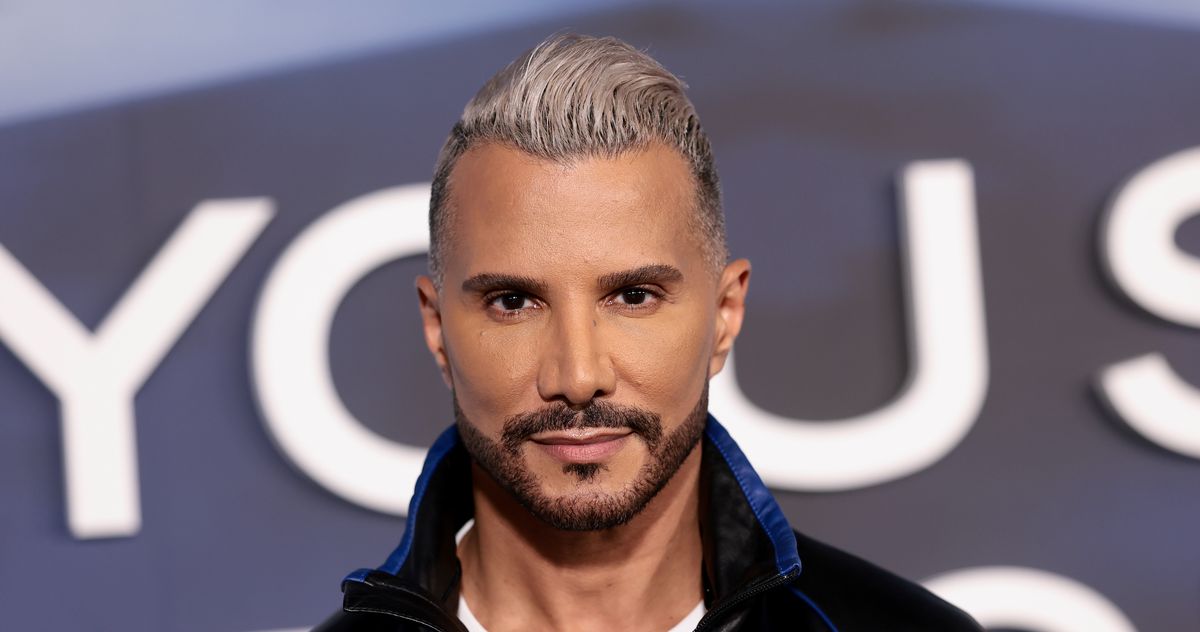
In a new interview with Vulture, Manuel reveals that despite Banks saying she’d call him after the docuseries revisited their falling‑out, the phone has stayed silent. And he’s… fine with that. For fans who grew up on “smizing,” makeover meltdowns, and panel drama, this low‑key estrangement is more than gossip; it’s a window into how reality TV fame ages—and fractures—offscreen.
From Runway Fairy Godfather to Reality Check: A Quick Refresher
Before the fallout, Jay Manuel and Tyra Banks were reality TV royalty. On America’s Next Top Model (ANTM), which debuted in 2003, Banks was the visionary host and executive producer; Manuel was the silver‑haired creative director orchestrating photo shoots, doling out technical advice, and occasionally delivering ice‑cold truths in a perfectly tailored jacket.
The show ran for 24 cycles, hopscotching across networks and cultural eras—from early‑2000s low‑rise chaos to Instagram‑age branding. Along the way, ANTM shaped (and sometimes warped) how a generation understood beauty, representation, and what it meant to be “high fashion.” Manuel, often identified simply as “Mr. Jay,” became central to that mythology.
Reality Check, Netflix’s docuseries revisiting ANTM, doesn’t just replay the memes. It interrogates the show’s more troubling moments—race, body image, power imbalances—and, in the process, surfaces the rift between Banks and Manuel, once presented as a creative dream team.
“If I Never Spoke to Tyra Again…”: What Jay Manuel Actually Said
In the Vulture conversation, Manuel confirms that despite Banks publicly suggesting she’d reach out post‑Reality Check, that reconciliation call hasn’t happened—and he’s not exactly refreshing his missed calls.
“If I never spoke to Tyra again in this lifetime, I’m okay with that.”
It’s a stark line, made starker by how calm he sounds about it. This isn’t a dramatic reality‑TV reunion; it’s a professional collaborator quietly closing a door. For longtime ANTM watchers, the remark hits differently because of how often the show sold us on “family” language—Banks calling contestants her “girls,” the Jays framed as trusted inner circle.
Manuel also notes that he hasn’t heard from her at all, undercutting the familiar PR move of promising private conversations that never materialize. In an era where accountability is often staged for social media, his matter‑of‑fact tone feels, paradoxically, more honest.
How Netflix’s Reality Check Rewrites the ANTM Legacy
Reality Check arrives in a cultural moment obsessed with unpacking Y2K and early‑2000s media: think Framing Britney Spears, Pamela Anderson’s memoir, and endless TikToks dissecting low‑rise jeans trauma. ANTM, with its harsh critiques and occasionally shocking challenges, was overdue for a reckoning.

The docuseries revisits controversies that have since gone viral on social media: racially insensitive photo shoots, comments on contestants’ bodies, and the way vulnerability was routinely turned into story beats. In this light, the strained relationship between Banks and Manuel is more than interpersonal drama—it’s a case study in how power, credit, and blame get distributed on a hit reality show.
- For Banks, the show was an auteur project—she was host, creator, executive producer, and cultural ambassador.
- For Manuel, it was a platform but also a job, one where he was the face of many creative decisions he may not have fully controlled.
- For viewers, ANTM became a collage of fashion fantasy and retroactive red flags.
Reality Check nudges audiences to ask who got to steer the narrative, who absorbed the criticism when things aged badly, and who now feels compelled—or not—to revisit old wounds.
The Tyra Banks–Jay Manuel Break: Beyond “We Just Drifted”
Celebrity friendships usually end publicly in one of two ways: the carefully worded “we just grew apart,” or the scorched‑earth tell‑all. Manuel’s stance sits somewhere in the middle—measured, not vindictive, but clearly done.

When he says he’s okay never speaking to Banks again, it suggests a few things:
- Closure without contact – Manuel seems to have made peace with his ANTM chapter independently, without needing a neat, camera‑ready reconciliation.
- A power imbalance – Banks’s public suggestion that she’d reach out, followed by silence, highlights the asymmetry between star and lieutenant. She can gesture at healing without following through; he has to live with the public record.
- Brand vs. real life – The ANTM brand relied heavily on the image of a tight‑knit creative “family.” Time has revealed those bonds to be more workplace‑fragile than fans were led to believe.
Manuel’s earlier comments over the years—about production choices he was uncomfortable with and the emotional toll of the show—set the stage for this quieter boundary. If anything, his refusal to dramatize the breakup underlines how much of ANTM’s old intensity belonged to the show, not the people who’ve since moved on.
Rewatch Culture, Accountability, and the ANTM Rethink
The resurfacing of ANTM clips on TikTok and Twitter over the last few years—especially scenes involving racialized styling, teeth gaps, and extreme makeovers—primed the ground for something like Reality Check. The show once sold itself as tough love; now those same scenes read as exploitation lite.
Banks has, at various points, issued apologies for specific moments from the show, acknowledging that “choices were problematic.” But what Reality Check and Manuel’s comments underline is that accountability isn’t just about isolated incidents—it’s about systems:
- How much power did contestants really have to say no?
- Which producers were pushing the most controversial concepts?
- Who gets to narrate what “lessons” were learned after the fact?
Manuel’s refusal to chase a friendship reboot with Banks fits the current mood: the nostalgic rewatch era is giving way to a more sober, industry‑literate perspective. People who were once just “characters” are now narrating their own experiences, sometimes at odds with the glossy version we saw on air.
What Reality Check Gets Right—and Where It Still Pulls Punches
As a piece of entertainment journalism in docuseries form, Reality Check does a lot of work in a tight runtime. It gathers former contestants, revisits key cycles, and gives fans a guided tour through the show’s most infamous choices.
From an industry and cultural perspective, its strengths include:
- Contextualizing the era – It reminds viewers that ANTM wasn’t operating in a vacuum; early‑2000s pop culture was crowded with “tough love” formats and makeover humiliation shows.
- Platforming alumni voices – Contestants finally get to expand on their edited arcs, highlighting mental health fallout and long‑term impact.
- Interrogating beauty standards – The show’s supposed advocacy for “unconventional” looks is contrasted with how often it reinforced narrow, Eurocentric ideals.
But there are still soft spots:
- Limited access to power players – Without more direct, sustained participation from Banks and top‑level producers, some questions remain politely unanswered.
- Emotional distance – The series sometimes leans on clips and quick reactions instead of digging deeper into contract structures, pay, and duty of care.
Manuel’s comments land in that gap—he’s close enough to offer insight, but far enough removed (and, clearly, emotionally done) that he appears unwilling to center the story on reconciliation theatrics.
What the Jay–Tyra Rift Reveals About Reality TV Labor
Strip away the celebrity names, and the Banks–Manuel distance looks like something very familiar: coworkers who shared intense conditions, built something wildly successful, and then discovered their relationship didn’t survive the aftermath.
The rift also underlines a few industry truths:
- Credit is uneven – The lead figure (here, Banks) often absorbs both the brand glory and the cultural backlash, while supporting creatives like Manuel get partial visibility and less narrative control.
- Reality TV is high‑burnout – Long days, emotional manipulation, and the pressure to “make good TV” strain even strong friendships.
- Post‑show narratives are political – Speaking out can be read as disloyal; staying quiet can look like complicity. Manuel is trying to thread a needle: honest, but not vengeful.
Manuel’s “I’m okay never speaking again” isn’t simply shade; it’s a boundary shaped by two decades of hindsight and a better understanding of what that workplace actually was.
Where to Watch and Read More
For those wanting to dive deeper into this evolving story and the broader ANTM legacy:
- Netflix – Reality Check official page (availability may vary by region).
- Vulture’s coverage of Jay Manuel and Tyra Banks for interviews and analysis.
- IMDb – America’s Next Top Model for cast, episode guides, and production details.
- IMDb – Reality Check for docuseries credits and user reviews once fully indexed.
No Reunion Arc, Just Real Life
Pop culture loves a reunion—cast panels, hug‑it‑out specials, legacy reboots. Jay Manuel declining, in effect, to audition for that arc with Tyra Banks is quietly radical. It suggests that not every broken onscreen bond needs a redemptive third act, especially when the offscreen cost was high.
As audiences keep revisiting and reassessing early‑2000s reality TV, stories like this will likely become more common: collaborators drawing firmer boundaries, stars choosing silence over spectacle, and former “characters” insisting on being treated as workers with history, not just meme fodder. Whether Banks ever makes that call is almost beside the point now. Manuel has already made his choice—and, for once in the ANTM universe, it has nothing to do with elimination.
