
Is Your Child Protected? Exploring North Carolina’s Measles Vaccination Rates by County and School
If you live in North Carolina and have a child in school, you can now see exactly how your county and even your child’s school is doing on measles vaccination. Thanks to the state’s kindergarten immunization dashboard, families can explore local vaccine coverage and better understand what those numbers mean for their child’s health and community safety.
The measles vaccine (part of the MMR shot) is recommended for everyone 12 months and older and is required for kindergarteners in North Carolina’s public schools. Yet, vaccination rates are not perfect—and even small pockets of low coverage can open the door for outbreaks.
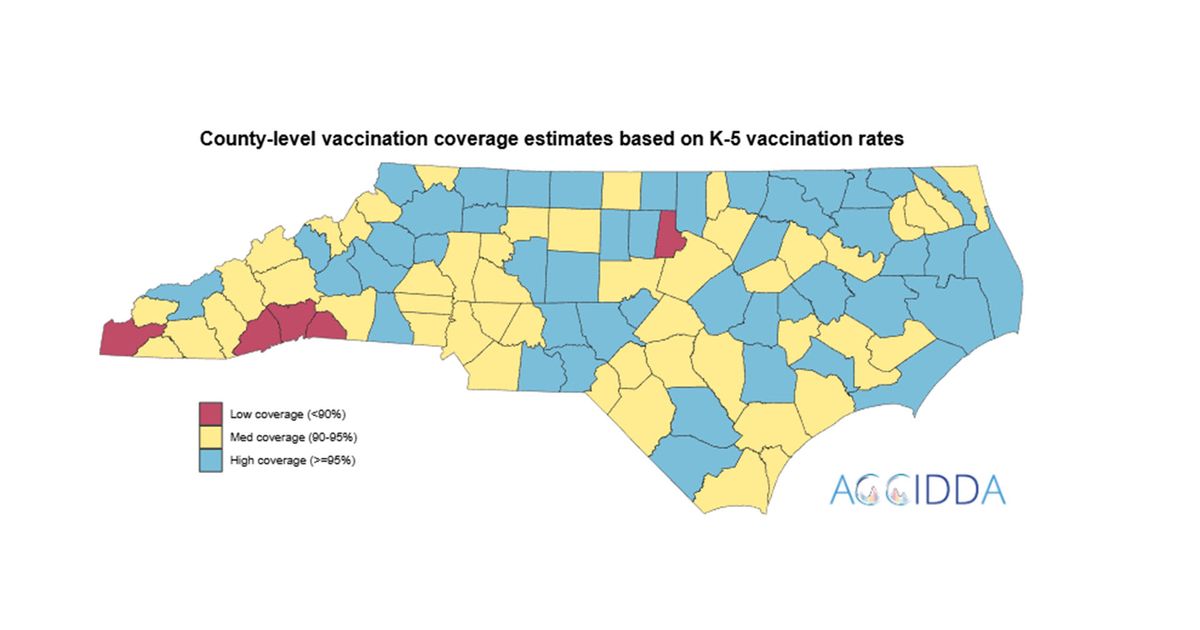
In this guide, we’ll walk through how to read the dashboard, what “good” measles coverage looks like, and practical steps you can take—no matter what your local numbers show.
Why Measles Vaccination Rates Matter in North Carolina
Measles is one of the most contagious viruses known. Public health experts estimate that about 90–95% of people in a community need to be immune—mostly through vaccination—to prevent outbreaks. This is often called herd immunity or community protection.
North Carolina requires measles vaccination for kindergarten entry, but:
- Some children have medical exemptions and truly cannot be vaccinated.
- Others may be behind schedule on shots or have incomplete records.
- A small but important number have non-medical reasons for remaining unvaccinated.
“Measles is so contagious that if one person has it, up to 9 out of 10 people around them will also become infected if they are not protected.”
— U.S. Centers for Disease Control and Prevention (CDC)
Inside North Carolina’s Kindergarten Immunization Dashboard
The North Carolina Department of Health and Human Services (NCDHHS) hosts an interactive kindergarten immunization data dashboard and map. This tool shows:
- County-by-county vaccination rates for all required kindergarten vaccines
- Estimated measles (MMR) vaccination coverage
- School-level data, searchable by school name
While exact numbers vary year to year, the dashboard helps parents, educators, and health professionals quickly identify:
- High-coverage areas where measles risk is relatively low.
- Low-coverage pockets where an imported measles case could spread quickly.

How to See Your County and School’s Measles Vaccination Rate
You don’t need to be a data expert to use the dashboard. Here’s a simple way to explore measles vaccination coverage where you live:
- Open the dashboard: From the NCDHHS immunization page or WRAL’s measles coverage, click the link to the Kindergarten Immunization Data Dashboard.
- Select the school year: Use the dropdown to choose the most recent year of data available.
- View the county map: Look for color shading that represents different coverage levels for MMR or measles-containing vaccine.
- Hover or tap your county: A box should appear with specific percentages, including the share of kindergarteners who are fully vaccinated and those with exemptions.
- Search by school: Use the search bar to type your child’s school name and review its individual vaccination rate.
As you browse, pay particular attention to the measles/MMR column and the percentage of students meeting all vaccine requirements.

What Is a “Good” Measles Vaccination Rate?
Public health agencies, including the CDC and World Health Organization, generally aim for at least 95% coverage with two doses of measles-containing vaccine to prevent outbreaks.
- 95% or higher: Strong community protection; outbreaks are less likely to spread widely.
- 90–94%: Borderline; may be enough in some settings, but outbreaks are more possible if unvaccinated students are clustered.
- Below 90%: Higher risk for measles spread if the virus is introduced.
“From a practical standpoint, when I see school coverage dipping below the mid-90s for measles, I start thinking about targeted outreach to families and providers.”
— Hypothetical comment from a North Carolina pediatrician, summarizing common clinical practice
What the Science Says About the Measles (MMR) Vaccine
The measles vaccine has been studied for decades and is considered one of the most effective vaccines ever developed.
- Effectiveness: One dose is about 93% effective at preventing measles; two doses are about 97% effective (CDC data).
- Duration: Protection is long-lasting for most people after the 2-dose series.
- Safety: Serious side effects are rare; the most common reactions are mild, such as temporary soreness at the injection site or low-grade fever.
Large studies from the U.S., Europe, and elsewhere have found no link between MMR vaccination and autism or other developmental conditions. Organizations such as the CDC, American Academy of Pediatrics, and World Health Organization consistently affirm the vaccine’s safety profile.
Common Obstacles North Carolina Families Face
If your child isn’t up to date on measles shots, you’re far from alone. Families across the state face real-world barriers, such as:
- Logistical challenges: Limited clinic hours, transportation issues, or difficulty scheduling appointments.
- Insurance and cost concerns: Confusion about what’s covered or fear of unexpected bills.
- Misinformation and fear: Worries fueled by outdated or unreliable online sources.
- Language or cultural barriers: Unclear communication about why, when, and how vaccines are given.
“It wasn’t that we were against vaccines. Life was hectic, appointments got pushed back, and suddenly kindergarten was around the corner and we were behind.”
— Composite story based on experiences shared by North Carolina parents
Practical Steps to Protect Your Child and Community
Whether your county’s measles vaccination rate is high or low, you can take concrete, manageable steps to protect your family.
- Check your child’s record.
Ask your child’s pediatrician or school nurse for an updated immunization history. In North Carolina, measles vaccination is typically given as:- First MMR dose at 12–15 months
- Second MMR dose at 4–6 years (often before kindergarten)
- Schedule catch-up shots if needed.
If your child missed a dose, your provider can help create a safe catch-up plan. It’s usually possible to get back on track without restarting any series. - Use the dashboard to guide questions.
If your school or county shows lower coverage, consider asking your pediatrician:- How that might affect your child’s risk
- What symptoms of measles to watch for
- When it might be wise to stay home during an outbreak
- Talk with trusted professionals.
If you have concerns about vaccine safety, bring them directly to a clinician who knows your child. Ask them to walk you through the evidence, benefits, and risks in detail. - Stay informed during outbreaks.
Follow local updates from:- Your county health department
- North Carolina DHHS
- Trusted local news outlets such as WRAL
Before and After: What Happens When Coverage Changes
While every community is unique, health departments around the country have seen clear patterns when measles vaccination coverage shifts.
| Scenario | Typical Situation | Public Health Response |
|---|---|---|
| Before: High coverage (>95%) | Imported measles cases may appear but tend to fizzle quickly. | Targeted contact tracing, limited exclusions, public information. |
| After: Coverage falls (<90–92%) | Outbreaks are more likely, especially in schools with clusters of unvaccinated students. | Expanded contact tracing, possible exclusion of unvaccinated students, urgent vaccination clinics. |
Moving Forward: Using Data to Make Confident Choices
North Carolina’s kindergarten immunization dashboard gives families something powerful: clear, local information. Instead of guessing about your school’s measles vaccination rate, you can see the numbers, ask informed questions, and work with your child’s care team to decide what’s best.
No dashboard can promise zero risk, and vaccination is just one part of keeping kids healthy. But understanding how protected your community is—and how to strengthen that protection—can make daily decisions feel a little less uncertain.
A simple next step: This week, set aside ten minutes to:
- Look up your county and school on the kindergarten immunization dashboard.
- Check your child’s vaccine record or patient portal.
- Jot down any questions to bring to your next pediatric visit.
One small, informed action at a time, North Carolina families can help keep measles—and other vaccine-preventable diseases—on the sidelines rather than in our classrooms.
