
Inside the Vision Pro Era: How Apple Ignited the Mixed‑Reality Platform Wars
In this article, we unpack the technology behind Vision Pro, compare Apple’s strategy to Meta’s Quest ecosystem, explore real-world productivity and entertainment use cases, and examine what these mixed‑reality “platform wars” mean for the future of post‑smartphone computing.
Apple’s Vision Pro launched into a tech landscape already primed by years of virtual reality (VR) and augmented reality (AR) experimentation, yet it immediately reframed the conversation. Instead of pitching a “metaverse,” Apple calls Vision Pro a spatial computer—a device that blends digital content with the physical world and aspires to replace, or at least augment, traditional monitors, TVs, and even laptops.
The result is a new wave of coverage, developer energy, and platform strategy discussions. Tech media such as The Verge, Ars Technica, and TechCrunch have focused on Vision Pro’s cutting‑edge displays and tracking systems, while also questioning whether its price and ergonomics can support mainstream adoption.
“Apple isn’t just launching a headset; it’s positioning a new way of computing that extends the company’s ecosystem into three dimensions.”
Mission Overview: What Vision Pro Represents
From Apple’s perspective, Vision Pro is not a gaming console or a novelty gadget. It is the first generation of a long‑term spatial computing platform, designed to:
- Extend the Apple ecosystem (iCloud, iMessage, App Store, Apple TV+, and more) into 3D space.
- Offer a premium productivity and media device that can function as a high‑end “infinite desktop.”
- Seed a developer ecosystem for VisionOS apps, ready for future, cheaper headsets.
This strategic framing contrasts sharply with Meta’s Quest line, which has historically prioritized social presence and gaming. Meta’s devices, particularly the Meta Quest 3, are more affordable and accessible, but less tightly integrated into a unified productivity ecosystem than Apple’s offering.
On social platforms like YouTube and TikTok, creators test Vision Pro as:
- A triple‑monitor replacement for coding, design, and trading.
- An immersive home theater for 3D movies and sports.
- A portable workspace for travel or shared apartments.
Technology: Inside Apple’s Spatial Computing Stack
Vision Pro sits at the intersection of AR, VR, and traditional computing. Its core innovations combine high‑resolution optics, sophisticated sensors, and Apple’s custom silicon.
Display System and Optics
Vision Pro uses dual micro‑OLED displays with a combined pixel count in the tens of millions, yielding exceptional clarity compared with most consumer headsets. This high pixel density is crucial for:
- Comfortable reading of small text in productivity apps.
- Reducing the “screen door” effect common in older VR headsets.
- Delivering cinema‑grade visual fidelity for movies and 3D content.

Figure 1: A modern mixed‑reality headset illustrating immersive optics. Source: Pexels (royalty‑free).
Sensors, Eye Tracking, and Hand Tracking
Vision Pro’s interaction model relies on:
- Eye tracking using inward‑facing cameras and IR illuminators to detect where you are looking.
- Hand tracking with external cameras that capture subtle gestures in your lap or at your sides.
- Head and environment tracking powered by inertial measurement units and depth sensors.
Instead of controllers, you select an item by looking at it and tapping your fingers together. This “look‑and‑pinch” paradigm feels natural to many users and reduces hardware complexity but can be fatiguing for long sessions and requires careful UX design to avoid accidental selections.
Compute: The M‑Series and R‑Series Chips
Vision Pro combines a primary Apple silicon chip (similar to an M2‑class processor) with an auxiliary R1 chip that handles sensor fusion and low‑latency data processing. The division of labor allows:
- High‑performance rendering of 3D scenes and apps.
- Ultra‑low‑latency passthrough video to prevent motion sickness.
- Efficient power usage within the constraints of a wearable device.
VisionOS and App Ecosystem
VisionOS is derived from iOS and macOS, with a new 3D windowing system that anchors apps in space. For developers, Apple provides:
- RealityKit and ARKit for real‑time 3D rendering and spatial understanding.
- SwiftUI for building 2D and 3D interfaces that adapt to different depths and positions.
- Compatibility layers so many iPad and iPhone apps can run on Vision Pro with minimal changes.
“VisionOS takes the familiar foundations of our platforms and extends them into a spatial environment where apps can live side by side at different scales and depths.”
Scientific and Technological Significance
The Vision Pro vs. Quest vs. other headsets debate is not just a product comparison; it highlights deeper questions in human–computer interaction, neuroscience, and ergonomics.
Human–Computer Interaction (HCI)
Spatial computing moves away from 2D screens to a 3D canvas anchored in the real world. Researchers in HCI study:
- How spatial memory can improve task switching and recall when apps stay “pinned” in specific locations.
- The cognitive load of managing multiple 3D windows and depth cues.
- How natural gestures and eye tracking affect learning curves and accessibility.
Perception, Presence, and Cybersickness
Mixed reality relies on aligning visual, vestibular, and proprioceptive signals. If latency is too high or the virtual camera moves unnaturally, users can experience nausea or disorientation. Vision Pro’s high refresh rates and tight sensor fusion architecture aim to minimize these issues.
Studies in journals like Frontiers in Virtual Reality investigate how field of view, motion, and interaction design impact comfort, which in turn shapes platform adoption.
Enterprise and Scientific Use Cases
Beyond entertainment, mixed reality enables:
- Medical visualization: 3D imaging of anatomy for surgical planning and training.
- Engineering and CAD: Inspecting complex assemblies in true scale before fabrication.
- Data visualization: Immersive analysis of multidimensional datasets.
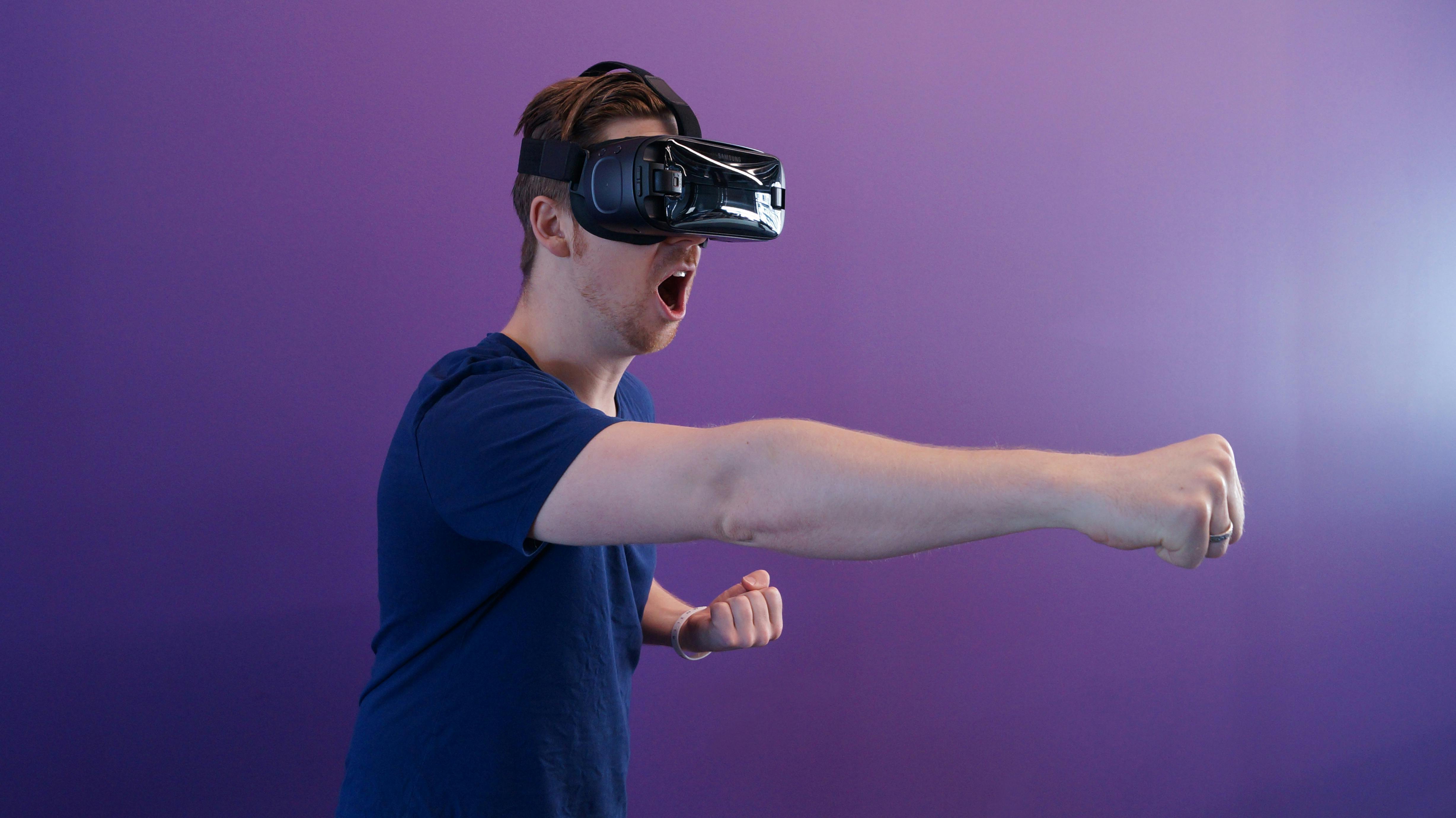
Figure 2: Conceptual visualization of spatial computing in scientific and data‑intensive workflows. Source: Pexels (royalty‑free).
“Spatial computing is not just a new screen; it is a new coordinate system for information.”
The Mixed‑Reality Platform Wars: Apple vs. Meta and Beyond
Vision Pro crystallizes a strategic clash that has been brewing for years: Who will control the next major computing platform after smartphones?
Competing Visions
- Apple’s Vision Pro / VisionOS
Focus on premium hardware, tight ecosystem integration, and productivity/media use cases. Closed but curated, with strong privacy marketing and high entry price. - Meta Quest Platform
Focus on social presence, gaming, and accessible pricing. More open to experimentation and cross‑platform content, with heavy investment in avatars and virtual environments. - Other Players
Companies like Microsoft (HoloLens), Magic Leap, and various Chinese manufacturers pursue industrial and specialized markets.
Developer Economics and Ecosystems
For mixed reality to become a durable platform rather than a fad, developers must see sustainable returns. Key considerations include:
- Install base: Vision Pro starts small at a high price, while Quest has larger unit shipments but lower average spend.
- Monetization models: Upfront purchases, subscriptions, enterprise licensing, and in‑app purchases for virtual goods.
- Cross‑platform engines: Unity and Unreal remain central, with Apple pushing native VisionOS frameworks.
Conversations on Hacker News and Twitter/X frequently highlight the tension between Apple’s closed ecosystem and developers’ desire for portability across devices.
Mixed Reality in Practice: Productivity, Media, and Creation
Early adopters are stress‑testing Vision Pro and competing headsets as everyday tools rather than novelties. Several usage patterns are emerging.
Spatial Productivity Setups
Developers, designers, and knowledge workers experiment with:
- Floating multiple browser windows, IDEs, and communication apps around a physical desk.
- Using a physical keyboard (e.g., Apple’s Magic Keyboard) paired with Vision Pro for serious typing.
- Screen‑mirroring a Mac into VisionOS for “giant monitor” experiences.
For users building such setups, high‑quality peripherals remain essential. Popular options include:
- Apple Magic Keyboard with Touch ID for secure logins across the Apple ecosystem.
- Apple Magic Trackpad for precise pointer control when hand gestures are not ideal.
- Anker PowerCore portable battery pack as a companion for external‑battery headsets during travel.
Immersive Entertainment and Social Experiences
Vision Pro emphasizes high‑end media consumption—4K movies, 3D films, and sports—with spatial audio and darkened environments. Meta Quest, by contrast, excels in multiplayer games and social hangouts.

Figure 3: Mixed‑reality devices are redefining how people experience films, sports, and social spaces at home. Source: Pexels (royalty‑free).
This divergence reflects different theories of what will drive mass adoption: premium solo experiences vs. shared, social entertainment.
Creation and 3D Content
A crucial factor in platform wars is whether creators can build inside the headset. We see:
- 3D modeling and sculpting tools that leverage natural hand motions.
- Spatial video editing, allowing timelines and assets to float around the user.
- Productivity workflows where code, documentation, and 3D previews are all visible simultaneously.
YouTube channels focusing on XR development, such as those covering Unity or Unreal for VR/AR, provide tutorials on porting existing projects to VisionOS and Quest, accelerating the learning curve for new entrants.
Milestones in the Vision Pro and Mixed‑Reality Ecosystem
Several early milestones are shaping perceptions of mixed reality as a serious computing platform:
- Launch Reviews and First‑Wave Apps
Coverage from major tech outlets, plus early productivity and media apps, sets baseline expectations. - Enterprise Pilots
Trials in healthcare, architecture, and remote collaboration demonstrate where mixed reality creates clear ROI. - Developer Conferences
Events like Apple’s WWDC and Meta’s Connect reveal new APIs, hardware revisions, and strategic direction. - Price Evolution
Subsequent, more affordable headsets from Apple or competitors may dramatically expand the addressable market.
“The first Vision Pro may be a developer kit disguised as a consumer product—but that’s exactly how platform shifts start.”
Challenges: Ergonomics, Privacy, and Social Acceptance
Despite the excitement, several serious challenges stand between mixed reality and mainstream status.
Comfort, Weight, and Long‑Term Use
High‑end optics and batteries add weight, leading to:
- Neck and facial strain during extended sessions.
- Heat build‑up and general discomfort.
- Need for custom fit adjustments and strap variants.
Reviews frequently note that Vision Pro, while technologically impressive, still feels like a first‑generation device in terms of comfort.
Privacy, Cameras, and Public Spaces
Headsets like Vision Pro rely on multiple external cameras pointed at the world. This raises privacy concerns:
- People nearby may be uncomfortable not knowing whether they are being recorded.
- Institutions (schools, workplaces, theaters) may restrict headset use.
- Regulators increasingly scrutinize biometric data and sensor fusion logs.
Apple emphasizes on‑device processing and visible indicators, while Meta experiments with physical indicators and policy guidelines. Still, social norms around “face computers” are far from settled.
Social Presence and Isolation
A central tension is whether headsets bring people together or isolate them. While mixed reality can enable remote collaboration and shared virtual spaces, the act of covering one’s eyes with hardware remains a barrier to natural co‑located interaction.

Figure 4: Mixed‑reality devices raise new questions about presence, attention, and social norms. Source: Pexels (royalty‑free).
“Headsets promise connection but can also put a physical barrier between you and the people right next to you.”
Looking Ahead: Where the Mixed‑Reality Platform Wars May Go
Over the next five to ten years, mixed reality is likely to evolve along several fronts:
- Form Factor Shrinkage: Transition from bulky headsets to lighter goggles and eventually AR glasses.
- Price Compression: Premium “Pro” devices supplemented by mid‑range and entry‑level models.
- Deeper OS Integration: Spatial computing treated as a first‑class mode in mainstream operating systems.
- Hybrid Workflows: Seamless hand‑off between phone, laptop, and headset for continuous tasks.
- Stronger Content Libraries: Native spatial apps that cannot be replicated on flat screens, finally making headsets feel indispensable.
Whether Apple’s carefully curated, premium approach or Meta’s open, mass‑market strategy wins out—or they coexist as different tiers—will depend less on raw specs and more on compelling, everyday use cases.
For educated non‑specialists, the key insight is that mixed reality is not just another gadget cycle; it is a contested attempt to redefine what a “computer” looks like, where it lives, and how we interact with it.
Practical Tips for Following and Participating in the Spatial Computing Shift
If you want to stay informed—or even contribute—to the emerging spatial computing ecosystem, consider the following steps:
- Explore Developer Resources
Visit Apple’s VisionOS developer site and Meta’s Quest developer documentation to understand capabilities and constraints. - Follow Key Thinkers
Analysts and researchers on platforms like LinkedIn and X regularly dissect platform moves, business models, and UX patterns. - Experiment with Affordable Hardware First
If Vision Pro is out of budget, devices such as Meta Quest 3 provide a cost‑effective entry point to understand core concepts like room‑scale tracking and mixed‑reality passthrough. - Think in 3D
Even without a headset, start imagining how your work—data visualization, collaboration, design—might benefit from depth, scale, and spatial organization.
As with smartphones a decade ago, the most transformative spatial computing apps may not exist yet. They will come from developers, researchers, and creators who internalize the medium’s constraints and possibilities, then design experiences that feel obvious in hindsight.
Conclusion
Apple’s Vision Pro has become a lightning rod for discussions about the future of computing, not because it is perfect, but because it signals Apple’s conviction that spatial computing is the post‑smartphone frontier. Meta’s Quest line, Microsoft’s HoloLens work, and a growing constellation of industrial and consumer devices show that no single company owns this future yet.
The mixed‑reality platform wars will be decided not just by hardware specs, but by ecosystems, ergonomics, economics, and cultural acceptance. Whether you are a technologist, investor, or curious observer, understanding Vision Pro’s role in this broader landscape is essential to anticipating how we will work, play, and communicate in the next decade.
References / Sources
Further reading and sources for the concepts discussed:
- Apple – Apple Vision Pro overview
- Apple – VisionOS Developer Documentation
- The Verge – Technology / Mixed Reality Coverage
- Ars Technica – Gadget & XR Analysis
- TechCrunch – Virtual Reality Tag
- Wired – Virtual and Mixed Reality Articles
- Meta – Quest 3 Overview
- Hacker News – Discussions on Vision Pro and Mixed Reality
- Frontiers in Virtual Reality – Academic Research on VR/AR
