
Inside “The Swamp”: What the Kennedy Center Boss Really Knew About Trump’s Shutdown Play
The Daily Beast’s deep-dive into the Kennedy Center’s shutdown saga during the Trump years reframes what once looked like a straightforward culture-war spat. Instead of a simple story about a cash-strapped arts palace and a TV-obsessed president, The Swamp: What Kennedy Center Boss Really Knew About Trump’s Shutdown digs into who knew what, when they knew it, and how political theater collided with literal theater in Washington.
Positioned at the intersection of politics, philanthropy, and performance, the John F. Kennedy Center for the Performing Arts has long been more than a venue; it’s a barometer of Beltway taste, money, and influence. That’s why the investigation matters: it asks whether the “swamp” Trump promised to drain extended into one of D.C.’s most prestigious cultural institutions—and whether the public was getting the full story.
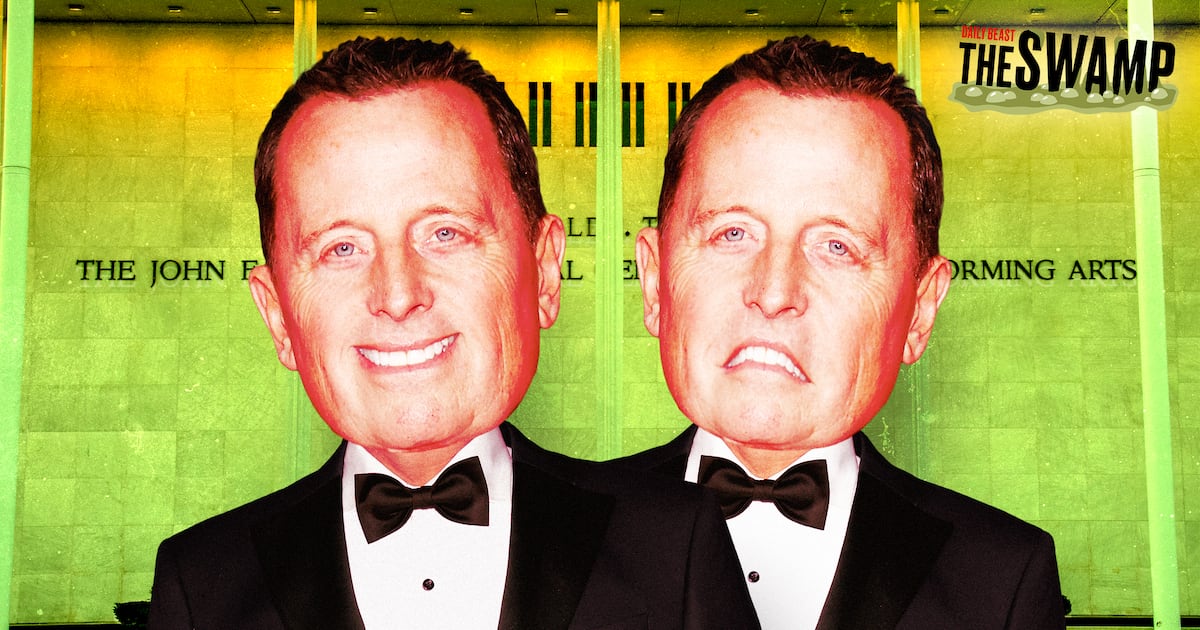
Why This Kennedy Center–Trump Story Still Matters
In an era where “The Swamp” became both a campaign slogan and a media franchise, this piece lands as a kind of sequel: Trump is gone from the White House, but the questions about how power moves through D.C. cultural institutions remain. The article leans into that tension—between public rhetoric and backroom reality—and the result is part political thriller, part arts-industry postmortem.
The Shutdown, the Bailout, and the Backlash: Setting the Scene
To understand the stakes of The Swamp piece, you have to rewind to the government shutdown and later COVID-era funding battles. The Kennedy Center wound up in the crosshairs of right-wing media when pandemic relief bills earmarked tens of millions of dollars for the institution. Overnight, the arts complex became shorthand for “elite liberal culture” supposedly feeding off taxpayer money while ordinary people struggled.
The Daily Beast article revisits that moment with fresh reporting on the Kennedy Center’s leadership during Trump’s shutdown and the political calculations surrounding federal support. It’s less about accounting spreadsheets and more about optics: who appeared unbothered, who scrambled behind the scenes, and how the narrative of a pampered arts institution collided with a president obsessed with television coverage.

The writers—David Gardner, Farrah Tomazin, and Sarah Ewall-Wice—position the Kennedy Center as a character in its own right: famous, well-connected, but also vulnerable to the whims of Congress and the White House. The piece probes whether the institution’s leadership understood just how volatile that relationship had become in the Trump era.
“The Swamp” as Brand: Trump, Leaks, and the Politics of Performance
The article leans heavily on the thematic framing of “The Swamp.” Trump used the phrase to attack entrenched D.C. interests; The Daily Beast uses it to describe the murky overlapping interests around the Kennedy Center—politicians, donors, and cultural gatekeepers all navigating the same pool of influence.
“Donald Trump wants to crush The Swamp. The leaks, the sneaks, and the secrets are all there. Our writers… are sifting through the ooze so you don’t have to.”
That copy, pulled from the newsletter promotion for the piece, tells you a lot about its tone: a bit lurid, a bit playful, but grounded in reporting. The investigation positions Trump as both arsonist and art critic—someone who reveled in torching elite institutions on Twitter while relying on access to those same cultural spaces to project power.
At its best, the piece uses the “swamp” metaphor to articulate something genuinely useful: how arts funding can become a proxy in wider ideological wars. We are reminded that the Kennedy Center’s federal money is small in the context of the national budget but huge in symbolic value—particularly to a president looking for easy villains.
What the Kennedy Center Boss Allegedly Knew—and Why It Matters
The investigative hook promised by the title—what the Kennedy Center boss really knew about Trump’s shutdown maneuvering—is the article’s main selling point. The piece suggests that leadership at the Center had a clearer, earlier sense of both the political risk and the likely contours of federal support than was obvious from their public posture at the time.
The writers parse internal communications, timelines, and on-the-record comments to paint a more nuanced picture: a leadership team attempting to keep donors calm, artists paid, and politicians appeased, while outwardly sounding surprised by the ferocity of the backlash. It’s less a smoking gun than a study in strategic ambiguity.

The article stops short of alleging outright deception but does raise questions about transparency. Were public statements about the Center’s financial peril calibrated more for narrative impact than strict fiscal necessity? The reporting nudges readers toward skepticism without collapsing into conspiracy theorizing.
Style, Structure, and Storytelling: How the Piece Plays
Stylistically, The Swamp installment wears its newsletter origins on its sleeve. The tone is punchy, heavy on hooks, and clearly designed for readers skimming headlines on their phones. Yet beneath the cheeky framing, the authors layer in solid sourcing and a clear narrative spine.
- Strengths: brisk pacing, a knack for contextualizing Beltway drama, and a useful synthesis of political reporting and arts-industry insight.
- Weaknesses: a tendency toward breathless phrasing, and occasional overreliance on the “swamp” metaphor where plain description might land harder.

For readers familiar with D.C. intrigue, the piece will feel comfortably on-brand: part media criticism, part power map, all filtered through a voice that assumes you’re fluent in shutdowns, relief bills, and Beltway etiquette. For casual readers, it may feel a touch insidery, but the human stakes—jobs, reputations, the survival of a major arts institution—keep it relatable.
Cultural Fallout: Arts Funding, Partisanship, and the “Coastal Elite” Narrative
One of the story’s most useful contributions is how it situates the Kennedy Center flap inside the broader culture war over who deserves public support. To Trump allies, the Center stood in for a whole ecosystem of blue-state, coastal-elite institutions; to arts workers, it represented a fragile lifeline in an unprecedented crisis.
The Daily Beast piece nods to this clash without pretending it can resolve it. Instead, it highlights how easily cultural policy becomes a meme. A single line item in a massive funding bill spawned days of cable-news segments, op-eds, and online outrage—often divorced from the actual mechanics of arts funding.
In that sense, the story functions as a reminder: when we argue about “the Kennedy Center” in the abstract, we’re also arguing about whose stories get told onstage, whose jobs are protected, and how a country values culture during crisis.
Verdict: A Sharp, Occasionally Showy Tour Through D.C.’s Cultural Swamp
As a piece of political-arts journalism, The Swamp: What Kennedy Center Boss Really Knew About Trump’s Shutdown succeeds in reframing a well-worn controversy with added depth and specificity. It doesn’t topple any major figures, but it does complicate the easy narratives: the hapless arts palace, the populist president, the faceless “swamp” of insiders.
The article’s biggest accomplishment is its ability to remind readers that the cultural sector is never just about culture. It’s about who holds the purse strings, who gets invited to the gala, and who can survive being turned into a talking point on cable news. If the tone occasionally veers into self-consciously swampy branding, the reporting underneath is sturdy enough to justify the theatrics.
Looking ahead, the piece also feels like a preview of future battles. As cultural institutions navigate post-pandemic realities, political polarization, and changing audience habits, stories like this will only grow more common. The Kennedy Center episode, as rendered here, is less an anomaly than a template—a reminder that in Washington, even the arts are part of the power play.

For readers following the ongoing story of how U.S. institutions—political and cultural alike—reckon with the Trump era, The Daily Beast’s latest trip into “The Swamp” is well worth the click.
Read the original investigation on The Daily Beast for full sourcing, additional context, and updates.
