
Inside the Kennedy Center Uncertainty: NSO Musicians, Dark Stages, and a Scramble for New Venues
Kennedy Center staffers and National Symphony Orchestra musicians are facing an uncertain future as the arts complex prepares for a Trump-era renovation-linked closure, scouting alternative venues while workers fear being left in the dark about pay, timelines, and the long-term impact on Washington, D.C.’s flagship performing arts institution.
Kennedy Center Workers Still in the Dark as the NSO Scouts Other Venues
The John F. Kennedy Center for the Performing Arts has always sold itself as the symbolic “living memorial” to a president who loved culture and believed in public funding for the arts. Now, that living memorial is in a strangely liminal state: unions are agitating for clarity, National Symphony Orchestra leadership is quietly casing other halls, and rank-and-file workers are trying to figure out what happens after July 4.

How We Got Here: Renovations, Politics, and a Looming Shutdown
According to reporting from The Washington Post, Kennedy Center staffers have been told to expect work through July 4. After that, the schedule goes hazy. The uncertainty follows President Donald Trump’s planned closure of the center in connection with renovation and budget decisions—an unusual convergence of arts administration and high‑profile politics.
In the culture sector, “dark” days are usually planned: a summer hiatus, a quiet Monday, a scheduled off‑season. Here, “dark” sounds more existential. Workers and unions say they lack clear information about:
- How long performance spaces will be closed
- Whether staff will be paid or furloughed during the shutdown
- What happens to union contracts and benefits
- Where—and how—the NSO can realistically perform in the meantime
“The center’s unions, leaders of the National Symphony Orchestra and lawmakers across the aisle reacted Tuesday to President Donald Trump’s planned closure of the center.”
Any time the words “planned closure” and “across the aisle” show up in the same sentence as “National Symphony Orchestra,” you know the situation is about more than just swapping out some carpets in the lobby. This is about labor, symbolism, and the fragile economics of American high culture.
Workers in the Wings: Staff, Unions, and the Human Cost of Going Dark
Staff at the Kennedy Center reportedly expect to work until Independence Day, then face a cliff of unknowns. For a building that runs on backstage labor—ushers, stagehands, box office staff, lighting and sound techs, custodial teams—that kind of vagueness is not just frustrating. It’s destabilizing.
Unions representing these workers have started pushing for more transparency around:
- Clear timelines for any extended closure
- Guarantees around salary, healthcare, and benefits during downtime
- Advance notice for any layoffs, furloughs, or reassignments
- Safety and working conditions during renovation periods
One staffer told the Post that workers “expect to continue their work until July 4,” adding that after that, the future feels like a blank space on the calendar.
This is where cultural policy meets everyday life. The Kennedy Center isn’t just a marble box hosting black‑tie galas; it’s a workplace. Renovations and closures ripple out into rent payments, childcare schedules, and whether a veteran stagehand has to pick up gig work at a suburban theater just to keep the lights on at home.
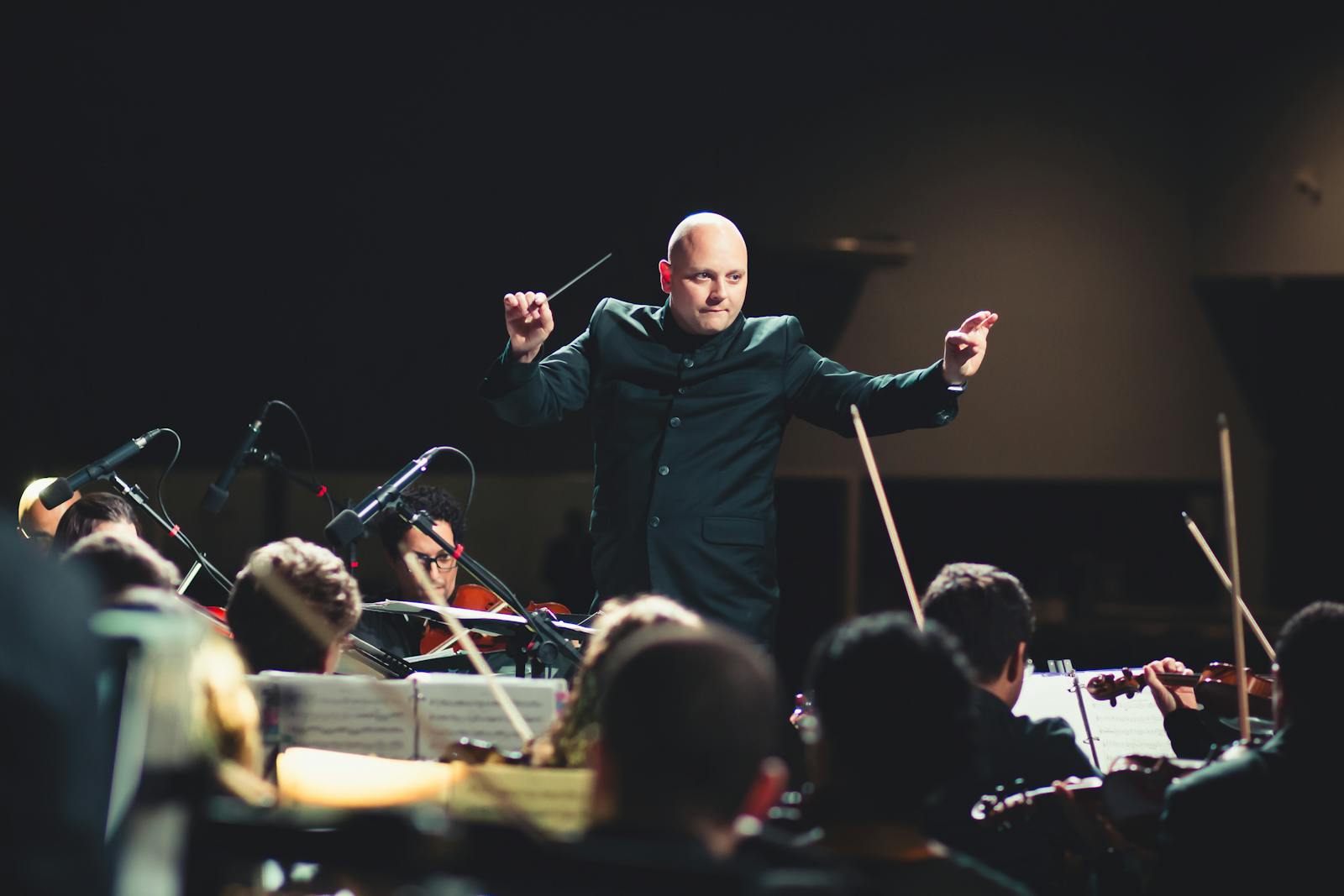
The National Symphony Orchestra on the Move: Scouting Backup Stages
While workers worry about paychecks, the National Symphony Orchestra has a different but related problem: where do you put a full symphony orchestra if your primary hall goes offline? According to the reporting, NSO leaders have begun quietly scouting alternative venues around the region.
Logistically, relocating an orchestra is a headache of almost comic proportions:
- Acoustics matter—a lot. Not every big room can handle Mahler.
- Rehearsal and performance schedules must align with other tenants.
- Union rules around travel, load‑in, and performance conditions kick in.
- Subscribers expect a certain level of comfort, access, and prestige.
The NSO has some local options—D.C. is not short on concert spaces—but none perfectly replicate the symbolic and practical centrality of its home at the Kennedy Center. There’s also the branding question: if the National Symphony ends up playing a season out of borrowed halls, what happens to its national profile?

There’s a smaller, subtler risk, too: audiences can drift. Any extended period of displacement—especially if communication is murky—can turn “I’ll catch them when they’re back at the Kennedy Center” into “I forgot to renew my subscription.”
Culture Wars, Bipartisan Concern, and the Symbolism of a Shuttered Memorial
The twist here is that lawmakers from both parties have reportedly weighed in on the Kennedy Center situation. That cross‑party concern is telling: despite periodic skirmishes over NEA funding and “elitist” art, the Kennedy Center still carries bipartisan symbolic weight.
A high‑profile, Trump‑linked closure creates an awkward visual: a performing arts memorial to John F. Kennedy—patron saint of mid‑century liberal optimism—darkened on the watch of a president often at odds with cultural institutions. The optics are almost too on‑the‑nose for a cable‑news chyron.
In the 1960 campaign, Kennedy framed culture as a public good, not a luxury: “I look forward to an America which will not be afraid of grace and beauty.” Closing his namesake arts center, even temporarily, raises uncomfortable questions about what that grace and beauty look like in 21st‑century politics.
At the same time, renovations and temporary shutdowns are standard in the life cycle of any major arts complex—from New York’s Lincoln Center to London’s Southbank Centre. The controversy here isn’t that the building needs work; it’s the communication vacuum and the sense that workers are being treated as an afterthought in a high‑stakes political theater.

How Other Arts Hubs Have Managed Closures (and What the Kennedy Center Can Learn)
There’s no need for the Kennedy Center to reinvent the wheel here. Other major arts institutions have had to juggle big renovations, tight budgets, and anxious workers—and some have handled it more gracefully than others.
- Lincoln Center (New York): Phased renovations allowed portions of the campus to remain active while specific halls were offline, paired with clear messaging to donors and audiences.
- Royal Festival Hall (London): A long closure was cushioned by transparent renovation timelines and significant investment in public communication and community engagement.
- Regional theaters and symphonies: Many smaller organizations have built goodwill by over‑communicating and involving staff and unions early in planning, instead of presenting closures as done deals.
By contrast, the phrase “still in the dark” is doing a lot of work in the Washington Post’s headline. It signals not just logistical chaos but a failure of narrative. If you’re going to temporarily close one of America’s most visible arts centers, you need a story that workers, audiences, and lawmakers can all understand.

What It Means for D.C. Culture Fans in the Short Term
For audiences, the uncertainty translates into a more practical question: will my shows go on? In the near term, staffers expect operations through July 4, which means spring and early summer events are likely safe. Beyond that, it’s a moving target.
If you’re a local concert‑goer or theater fan, a few common‑sense moves apply:
- Keep an eye on official announcements via the Kennedy Center website.
- Check the Kennedy Center listings on IMDb for televised specials and broadcasts.
- Follow the National Symphony Orchestra’s official channels for venue updates.
- Consider supporting affected workers’ funds or union initiatives if they emerge.
Curtain Call (For Now): A Critical Moment for a National Stage
The Kennedy Center situation is still in motion, and clarity could arrive as renovation plans crystallize and political dust settles. But the stakes are already clear. This isn’t just about concrete, wiring, and seating charts; it’s about whether one of the country’s most recognizable arts institutions can honor its workers, serve its resident orchestra, and live up to its status as a “national” center in more than name.
If the Kennedy Center manages this well—transparent communication, serious worker protections, smart NSO venue planning—it could turn a disruptive closure into a renewal story, a kind of cultural season reset. If it stumbles, the result may be more than a few canceled performances; it could be a long‑term hit to trust, morale, and the broader idea that public culture is worth planning for, not just reacting to.
For now, workers remain, in the Post’s words, “still in the dark.” Whether the next act is a triumphant reopening or a prolonged intermission may depend less on marble and more on how seriously leadership takes the people who keep the lights, metaphorically and literally, on.
