
Inside the GLP‑1 Diet Era: How Ozempic and Wegovy Are Rewriting the Rules of Eating
The GLP‑1 Diet Era: How Ozempic & Wegovy Are Changing Food Culture
GLP‑1 weight‑loss medications—like Ozempic, Wegovy, Mounjaro, and Zepbound—have quickly become some of the most talked‑about tools in modern nutrition and metabolic health. Originally designed for type 2 diabetes, these drugs are now widely prescribed for obesity and have quietly rewritten how many people experience hunger, fullness, and everyday eating.
Online, a whole new food narrative is taking shape. “What I eat on Ozempic” videos, GLP‑1 meal prep reels, and evidence‑based explainers from dietitians sit side by side, painting a picture of a diet culture that’s less about willpower and more about biology, access, and long‑term health.

This piece explores that new landscape—how GLP‑1s affect appetite, what people are actually eating, and how food culture is evolving to support health, not just smaller bodies.
What Are GLP‑1 Drugs Like Ozempic, Wegovy, Mounjaro, and Zepbound?
GLP‑1 (glucagon‑like peptide‑1) agonists are medications that mimic a hormone your body naturally produces after you eat. That hormone helps:
- Slow gastric emptying (how quickly food leaves your stomach)
- Increase feelings of fullness and satisfaction
- Reduce appetite and cravings for some people
- Improve blood sugar control by increasing insulin release in response to meals
Names you hear most often—Ozempic and Wegovy (semaglutide), Mounjaro and Zepbound (tirzepatide)—share this core mechanism. For many users, that translates into:
“I’m finally able to stop eating when I’m comfortably full, instead of battling constant hunger.”
That shift in physical hunger is exactly what’s reshaping food culture: when your appetite feels different, your whole relationship with food often changes too.
“What I Eat on Ozempic”: Inside the New GLP‑1 Food Culture Online
On TikTok, YouTube, and Instagram, GLP‑1 content is everywhere. Creators post:
- “Day in the life on Wegovy” videos featuring mini‑meals and gentle walks
- GLP‑1 grocery hauls loaded with Greek yogurt, cottage cheese, eggs, tofu, and rotisserie chicken
- “Tiny portion” plates that spotlight how dramatically appetite can shrink
- High‑protein meal prep designed to protect muscle while losing fat
The tone ranges widely: some clips feel celebratory (“I finally feel in control!”), while others are more clinical, offering tips to manage nausea and avoid under‑eating. Across the board, though, one pattern stands out: a move toward smaller, protein‑forward, nutrient‑dense meals.
For long‑time dieters, this can feel strangely liberating: instead of fighting cravings, many are learning to nourish themselves within a smaller appetite window—prioritizing foods that “earn their keep” in terms of satisfaction, nutrition, and enjoyment.
How GLP‑1s Change Hunger, Fullness & Portion Sizes
GLP‑1s don’t prescribe a menu, but they strongly influence how eating feels. Common experiences include:
- Full faster: A few bites may bring on a firm “that’s enough” feeling.
- Less food noise: Constant thoughts about the next snack often quiet down.
- More neutral cravings: Hyper‑palatable foods can feel less “urgent.”
- Physical discomfort when overeating: Pushing past fullness may quickly lead to nausea.
From a sensory standpoint, meals may shift from “big, indulgent plates” to intensely satisfying small bites. A half‑cup of creamy Greek yogurt with berries, or a few forkfuls of garlicky roasted chicken with lemony greens, can feel like a complete event.
From Willpower to Nourishment: What Professionals Recommend Eating on GLP‑1s
Registered dietitians and obesity‑medicine clinicians are increasingly vocal about one theme: do not starve yourself on GLP‑1s. Rapid, extreme calorie cuts can worsen fatigue, cause nutrient gaps, and increase the risk of losing lean muscle instead of fat.
Instead, professionals often focus on these pillars:
- Protein first: Around 80–120+ grams per day for many adults, adjusted to body size and medical advice.
- Fiber‑rich carbs: Vegetables, fruits, beans, lentils, and whole grains to support digestion and blood sugar.
- Healthy fats: Olive oil, nuts, seeds, avocado for satisfaction and hormone health.
- Hydration: Steady water intake to ease constipation and reduce nausea.
- Resistance training: 2–3 sessions per week to preserve muscle and metabolic rate.

The goal is not a joyless “diet” but dense nourishment in smaller volumes—meals that are gentle on the stomach yet packed with protein, vitamins, minerals, and flavor.
A Gentle, High‑Protein “GLP‑1 Day of Eating” (Example)
Every body is different and medical guidance is essential, but many GLP‑1 users find small, frequent meals work best. Here’s an example of a protein‑forward, moderate‑fiber day of eating that respects a reduced appetite:
- Morning (Breakfast): ½–¾ cup plain Greek yogurt
+ Handful of berries and 1–2 tablespoons chopped nuts or seeds - Mid‑Morning Snack: 1 hard‑boiled egg or a small protein shake
Sip slowly to avoid nausea. - Lunch: 2–3 oz grilled chicken or tofu
+ Small portion of soft grains (e.g., quinoa or rice) and tender cooked veggies - Afternoon Snack: Cottage cheese or hummus
+ A few whole‑grain crackers or cucumber slices - Dinner: Baked salmon or beans
+ Roasted vegetables drizzled with olive oil and a squeeze of lemon - Optional Evening Bite: A small piece of fruit
or a warm mug of herbal tea if appetite is low.
Eating for Comfort: Nausea, Digestive Upset, and Gentle Foods
One of the most practical food conversations in the GLP‑1 era is about managing side effects. Nausea, constipation, and early fullness can turn eating into a chore if meals aren’t chosen thoughtfully.
Many users and clinicians recommend:
- Smaller bites and slower eating to avoid overwhelming the stomach.
- Soft, easy‑to‑digest proteins like yogurt, eggs, tofu, and slow‑cooked meats.
- Avoiding heavy, greasy meals that can intensify nausea.
- Adding fiber gradually (oats, chia pudding, cooked veggies) to support digestion.
- Staying well hydrated with water, broths, or herbal teas.

Celebrity Speculation, Stigma, and a Shift in Diet Culture
GLP‑1s haven’t just changed what’s on our plates—they’ve disrupted the way we talk about bodies. High‑profile speculation about entertainers, influencers, and public figures allegedly using Ozempic‑like drugs has filled gossip columns and comment threads.
This has sparked tough questions around:
- Stigma: Is using medication for weight loss “cheating,” or is it valid medical care?
- Access: Who can afford or obtain these drugs, and whose health is prioritized?
- Transparency: Do public figures have a responsibility to share when medical tools shape their bodies?
Amid the noise, something meaningful is happening: conversations are slowly shifting from blame and willpower toward metabolic health, medical treatment, and compassion for people living with obesity. Food becomes less of a moral test, and more of a tool for well‑being.
How GLP‑1 Eating Patterns Merge with Classic Diet Trends
Even as GLP‑1s feel new, the eating patterns they encourage often look familiar. Many users naturally gravitate toward:
- High‑protein frameworks to stay full and protect muscle.
- Lower ultra‑processed intake because highly rich, sugary foods may feel overwhelming.
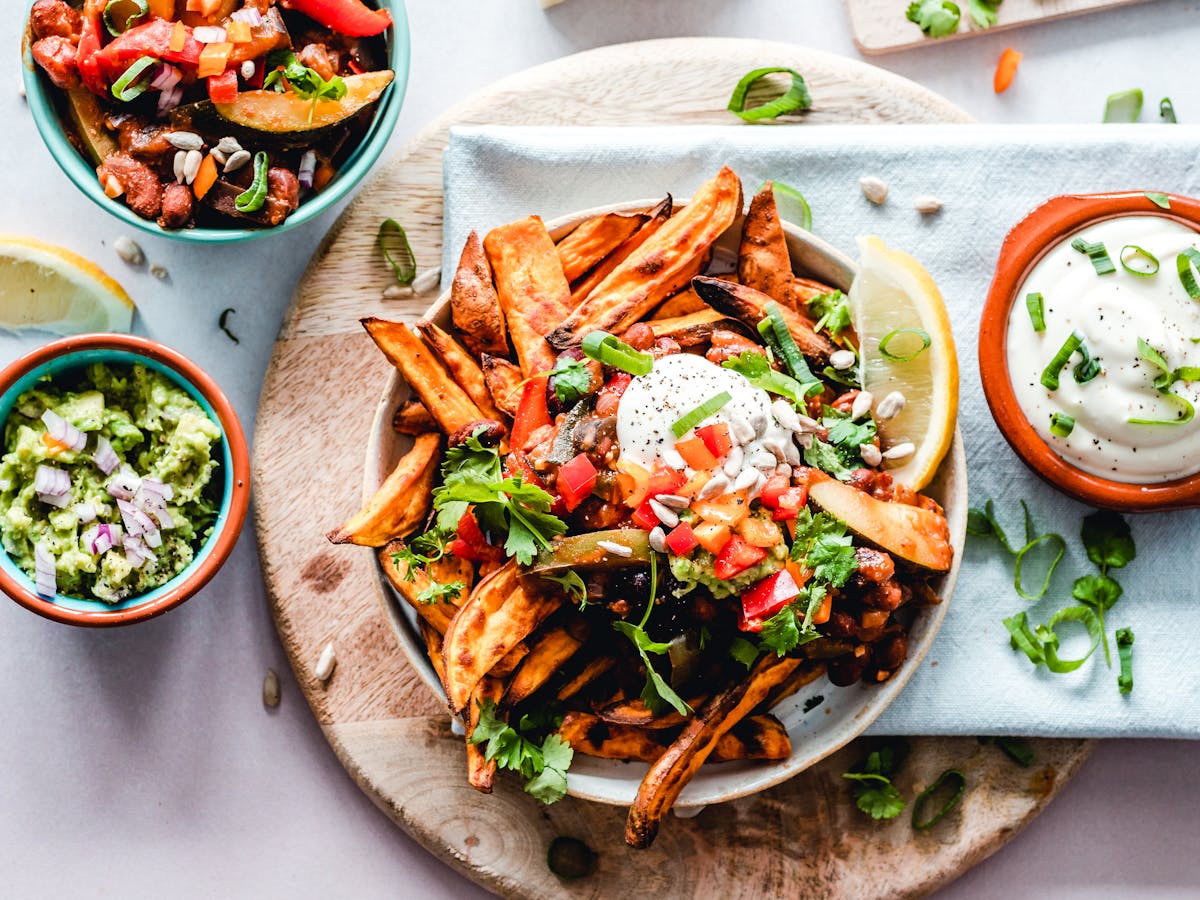
- Mediterranean‑style elements like olive oil, fish, beans, and plenty of vegetables.
- Simple, home‑cooked meals that are easier on the stomach than fast food feasts.
The difference now is that these patterns often feel physically easier to follow. With appetite turned down, many people can finally align their eating with long‑recommended habits without feeling like they’re white‑knuckling every choice.
Life After GLP‑1s: Building Habits to Prevent Weight Regain
A growing corner of GLP‑1 content focuses on a tricky question: What happens if you stop? Because these drugs act on appetite and hormones, it’s common for hunger to increase and some weight to return when medication is reduced or discontinued.
To soften that rebound, clinicians and coaches often emphasize:
- Strength training to maintain or build muscle mass.
- Consistent, protein‑rich meal patterns that carry over beyond medication use.
- Sleep and stress management, which strongly influence appetite and cravings.
- Flexible structure—like planning balanced meals while still allowing favorite foods.
How GLP‑1s May Reshape the Food Industry and Everyday Eating Out
Economists and food analysts are beginning to ask how a sizable GLP‑1 user base might alter demand. If many people eat less overall and gravitate toward higher‑quality, protein‑rich meals, we may see:
- Smaller portion options at restaurants and fast‑casual spots.
- More protein‑forward menu items and snack products.
- Less emphasis on supersized, hyper‑rich meals that are tough on medicated stomachs.
- Growth in ready‑to‑eat, high‑protein, minimally processed foods that are easy to tolerate.
As with any major shift, there are complex ethical and policy layers: Who gets access to these drugs? Will insurance coverage expand? How do we protect against renewed stigma or unrealistic beauty standards dressed up in medical language?
Amid those big questions, the day‑to‑day reality remains very human: quieter hunger, smaller plates, and a renewed focus on making every bite count—for health, pleasure, and a kinder relationship with food.
Practical GLP‑1 Eating Tips You Can Use Today
If you’re cooking at home while using a GLP‑1 (with medical supervision), these gentle, food‑loving guidelines can help:
- Cook in small batches: Prepare modest portions so leftovers don’t feel overwhelming.
- Season boldly, portion gently: Bright herbs, citrus, and spices make smaller servings feel exciting.
- Keep “easy wins” on hand: Rotisserie chicken, canned beans, pre‑washed greens, frozen veggies.
- Honor your culture: Adapt familiar dishes—like dal, pozole, or stir‑fries—into smaller, protein‑rich, veggie‑heavy bowls.
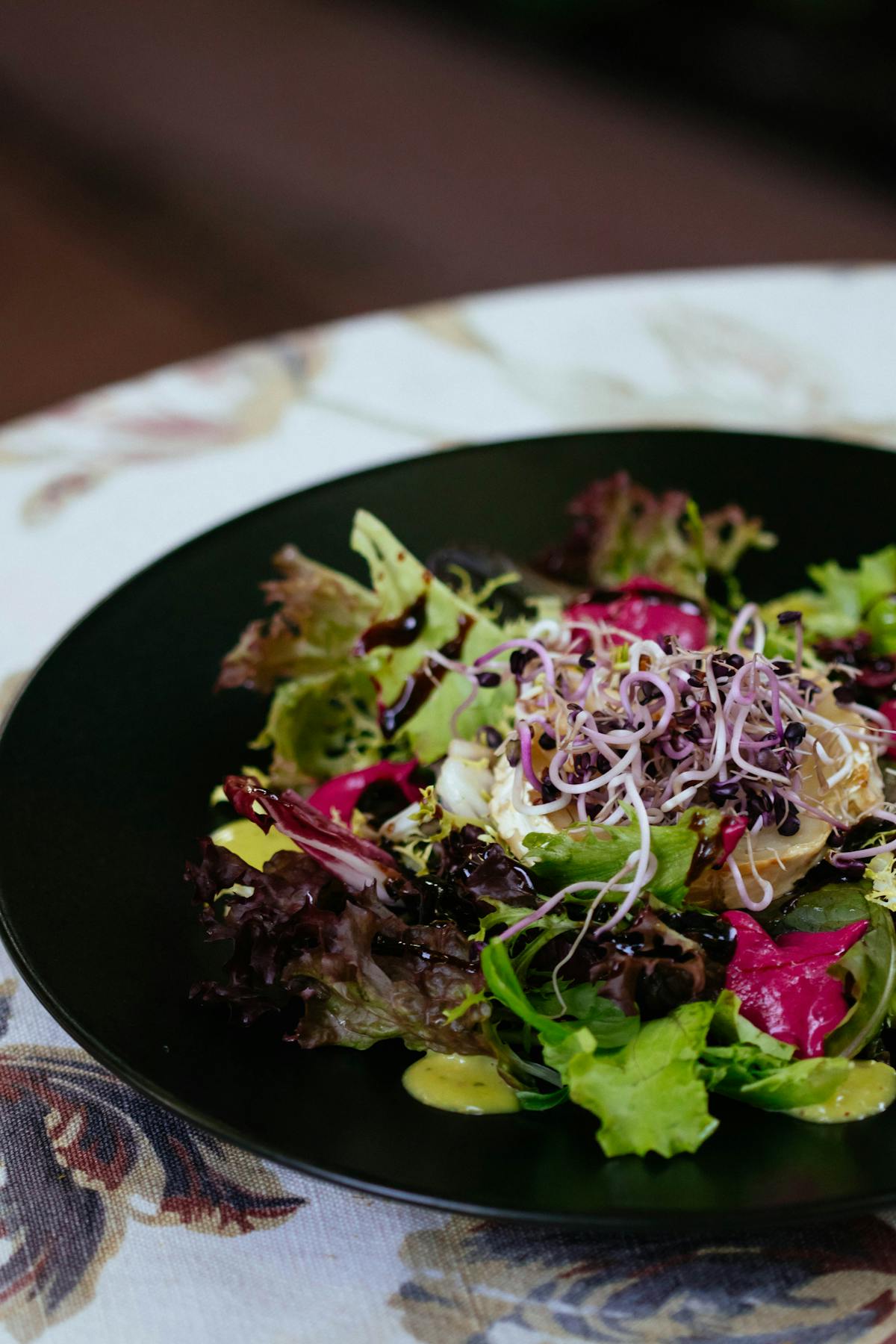
- Plate beautifully: A small, colorful bowl garnished with herbs or a drizzle of olive oil feels more satisfying than a giant plate of beige food.
Above all, be gentle with yourself. Whether you’re cooking elaborate Mediterranean‑style feasts or assembling quick yogurt bowls between meetings, learning to feed a quieter appetite is a skill—and you’re allowed to take your time mastering it.
