
Inside the AI Revolution: How Generative Models Are Designing the Next Generation of Proteins
Advances in deep learning have pushed biology into a new era where computers do not just predict protein structures—they actively design them. Building on breakthroughs such as DeepMind’s AlphaFold and the University of Washington’s RoseTTAFold, researchers are now deploying generative models to create novel proteins with bespoke functions: ultra-precise therapeutics, enzymes for green chemistry, and protein-based materials that never existed in nature.
This shift from analysis to creation sits at the intersection of biology, chemistry, genetics, and computer science. It is reshaping how we think about evolution, engineering, and even intellectual property. At the same time, it is igniting debates about biosecurity and the ethics of “programming life.”
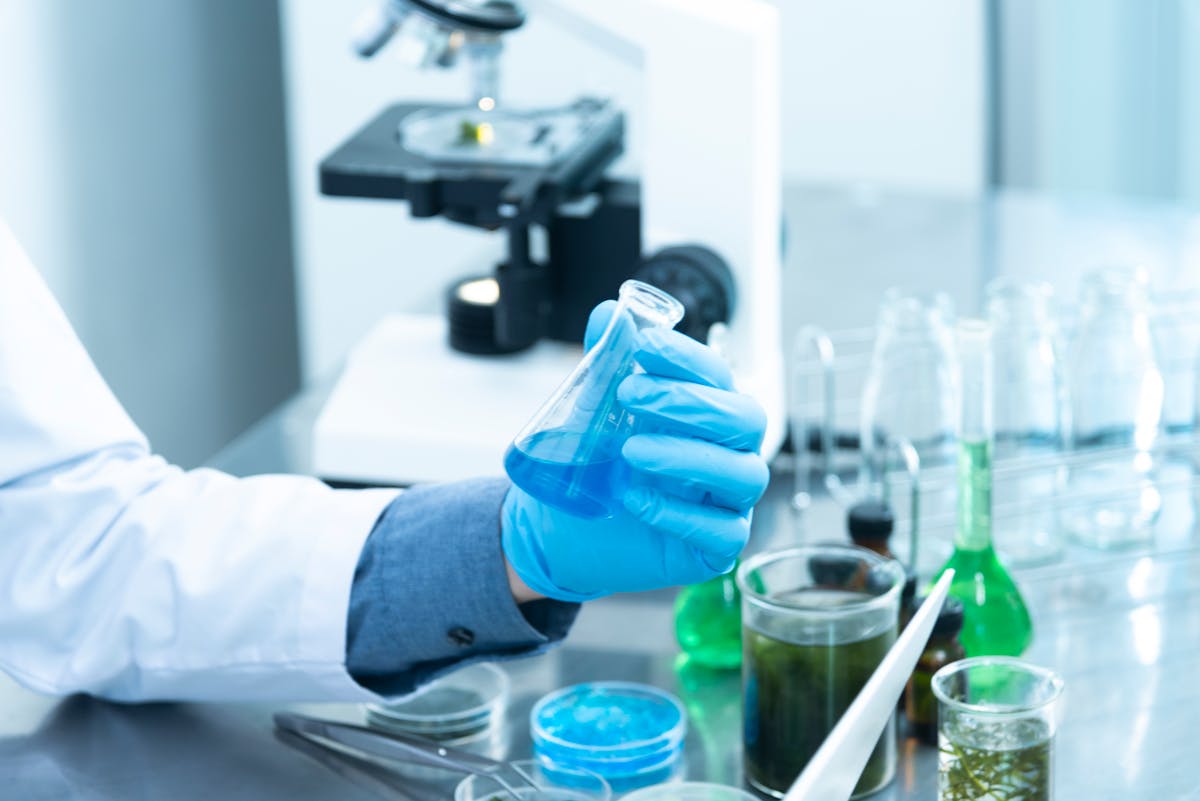
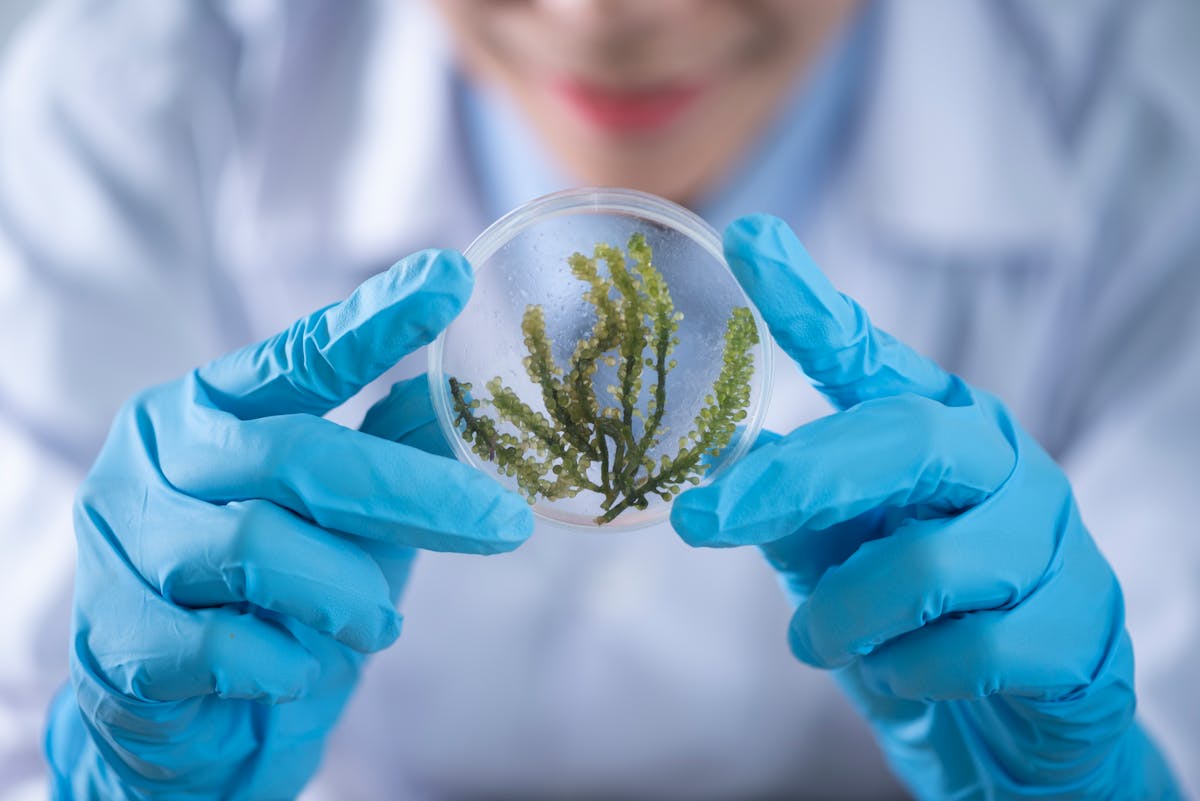
Visualizing the New Era of AI‑Designed Proteins
Mission Overview: From Prediction to Creation
The central mission of AI‑driven protein design is to navigate the astronomical “sequence space” of possible amino‑acid combinations and discover proteins that perform specific tasks—binding a target, catalyzing a reaction, or assembling into a desired shape. Traditional protein engineering relied on:
- Rational design: tweaking residues based on structural knowledge.
- Directed evolution: introducing random mutations and selecting improved variants over many rounds.
Generative AI adds a new paradigm. Models learn from millions of natural and engineered proteins, then propose completely new sequences tailored to:
- Fold into stable 3D structures.
- Exhibit a desired biochemical activity.
- Meet additional constraints, such as solubility or manufacturability.
“We are no longer limited to what evolution has already explored. We can ask for the protein we want and let the computer propose sequences that might achieve it.” — Paraphrasing David Baker, Institute for Protein Design
Technology: How AI Designs Novel Proteins
Modern generative protein design platforms integrate several families of machine learning models with robotics and high-throughput biology. Core technological pillars include diffusion models, transformer architectures, graph-based networks, and differentiable structure prediction.
Diffusion Models and Generative Architectures
Inspired by image generation systems like DALL·E and Stable Diffusion, protein diffusion models gradually “denoise” random sequences or structures into plausible proteins. Systems such as RFdiffusion (from the Baker lab) and related approaches can be conditioned on:
- A desired binding pocket shape.
- A catalytic motif or active site geometry.
- A target protein surface for de novo binder design.
Transformers for Sequence and Structure
Protein language models treat amino-acid sequences like text. Trained on massive sequence databases (e.g., UniProt, metagenomic datasets), models such as ESM (Meta AI), ProtBERT, and others:
- Capture statistical patterns that correlate with stability and function.
- Enable zero-shot predictions of mutational effects.
- Generate new sequences consistent with learned grammar.
Graph Neural Networks and 3D Geometry
Proteins are inherently 3D objects. Graph neural networks (GNNs) operate on residues as nodes and interactions as edges, learning how spatial arrangements influence energy and function. Many generative frameworks combine:
- Sequence models to propose residues.
- GNNs to refine or score 3D conformations.
- Energy-based models to penalize unrealistic folds.
Closed-Loop Design–Build–Test–Learn
The most advanced synthetic biology platforms form a closed loop:
- Design — AI proposes thousands of candidate sequences.
- Build — DNA synthesis robots encode these sequences.
- Test — High‑throughput assays measure stability, activity, or binding.
- Learn — Experimental data feed back into the models to improve future designs.
This virtuous cycle resembles reinforcement learning in silico, but grounded in wet‑lab evidence.
Scientific Significance and Real‑World Applications
AI‑designed proteins are not only technical curiosities; they are already appearing in peer‑reviewed studies and early-stage commercial pipelines across medicine, chemistry, and materials science.
1. Drug Discovery and Therapeutics
Pharmaceutical companies and startups are racing to design:
- De novo binders that latch onto disease-related proteins with antibody‑like specificity.
- Enzymes that modulate metabolic pathways or activate prodrugs at precise locations.
- Cytokine mimetics and immune modulators with reduced side effects.
For readers interested in the practical tools used in antibody and protein engineering labs, a classic reference is the textbook Protein Engineering and Design , which provides foundational concepts still relevant in the AI era.
2. Enzymes for Green Chemistry
Industrial biotechnology uses enzymes to replace harsh chemical catalysts. AI‑designed variants can:
- Operate at lower temperatures and neutral pH, reducing energy and corrosive reagents.
- Increase reaction selectivity, minimizing by‑products and waste.
- Enable entirely new transformations that were previously uneconomical.
“Custom enzymes are one of the most powerful levers we have for sustainable chemistry. AI lets us search for them in regions of sequence space evolution has barely touched.” — Paraphrasing Frances Arnold, Nobel Laureate in Chemistry
3. Synthetic Biology and Genetic Control
AI design is also expanding the toolkit of synthetic biology:
- Programmable transcription factors to precisely turn genes on and off.
- Engineered nucleases and base editors that extend beyond CRISPR systems.
- Biosensors that change fluorescence or activity in response to metabolites or environmental signals.
4. Protein‑Based Materials and Nanostructures
Researchers are designing self‑assembling protein cages, fibers, and lattices for:
- Targeted drug delivery and vaccine display.
- Biomimetic fibers with tunable mechanical properties.
- Nano‑reactors that encapsulate enzymatic pathways.
High‑profile work from the Institute for Protein Design has shown that purely computationally designed nanoparticles can successfully display viral antigens and elicit strong immune responses in animal models.
Milestones: How We Reached the Current Frontier
The story of AI‑designed proteins is punctuated by several key milestones across the last decade.
Key Milestones in AI‑Driven Protein Science
- 2018–2020: AlphaFold and RoseTTAFold
DeepMind’s AlphaFold and the Baker lab’s RoseTTAFold achieved near-experimental accuracy for structure prediction in CASP competitions, effectively “solving” many aspects of the protein‑folding problem. - 2021–2022: Open Structure Databases
Massive releases of predicted structures (e.g., AlphaFold Protein Structure Database) provided structural hypotheses for hundreds of millions of sequences, accelerating basic biology and target discovery. - 2022 onward: Generative Design Systems
Tools such as RFdiffusion, ProteinMPNN, and diffusion-based binders moved the field from predicting natural proteins to designing new ones from scratch. - Commercialization Wave
Dozens of startups and major pharma collaborations emerged, integrating AI design with robotic labs and clinical pipelines for antibodies, enzymes, and vaccines.
Public interest grew in parallel, with accessible explainers on YouTube (for example, several videos from DeepMind and the Institute for Protein Design) and discussions by scientists on platforms like X/Twitter and LinkedIn.
Tools, Platforms, and Learning Resources
A distinctive feature of this field is the availability of open-source tools and educational resources, which enable both academic labs and startups to experiment with generative protein design.
Popular Open Tools
- AlphaFold/ColabFold — widely used for structure prediction and guiding design; tutorials and code are actively discussed on GitHub and Google Colab.
- Rosetta & RosettaFold — a comprehensive suite for macromolecular modeling, including many design protocols.
- RFdiffusion & ProteinMPNN — generative frameworks for designing backbones and sequences that realize specific structural motifs.
Recommended Learning Material
- DeepMind’s public talk on AlphaFold and the future of biology
- Institute for Protein Design at the University of Washington — news, publications, and software.
- Trends in Biotechnology — frequent reviews on AI and synthetic biology.
For hands-on lab practitioners, equipment like accurate micropipettes and thermal cyclers remains essential. An example is the Eppendorf Research Plus Micropipette , a workhorse tool in many protein engineering labs.
Challenges: Hype, Reality, and Responsible Innovation
Despite rapid progress, AI‑designed proteins face significant scientific, practical, and ethical challenges.
Scientific and Technical Limitations
- Function prediction: Accurately predicting function from structure (or sequence) remains hard, especially for multi-step catalysis or allosteric regulation.
- Context dependence: Protein behavior in a test tube can differ from behavior in a cell or organism, where interactions and post‑translational modifications matter.
- Generalization: Models trained on existing data may struggle when pushed far into unexplored regions of sequence space.
Scaling, Cost, and Infrastructure
Closing the design–build–test–learn loop requires sophisticated infrastructure:
- High‑throughput DNA synthesis and cloning.
- Multi‑omics measurements (proteomics, metabolomics, etc.).
- Cloud or on‑premise compute for large models and simulations.
These resources are not evenly distributed, creating disparities between well‑funded organizations and smaller labs or emerging economies.
Ethics, Biosecurity, and Governance
Because proteins can, in principle, influence pathogenicity, immune evasion, or environmental stability, AI‑assisted design raises legitimate biosecurity questions. Responsible innovation requires:
- Robust oversight — institutional biosafety committees and regulatory bodies adapting to AI‑enabled capabilities.
- Publication norms — balancing openness for scientific progress with safeguards around potentially dangerous designs.
- Access controls — especially for tools tightly coupled to DNA synthesis and high‑containment work.
“The same algorithms that promise life‑saving therapies can, in the wrong hands, lower barriers to misuse. Governance must evolve in step with capability.” — Summary of views from biosecurity policy forums
Milestones Ahead: Where Is the Field Going?
Over the next decade, AI‑designed proteins are poised to become foundational technologies across biotechnology and medicine. Emerging directions include:
- Multi‑objective design: Simultaneous optimization for stability, expression, immunogenicity, and manufacturability.
- Whole‑pathway engineering: Designing ensembles of enzymes that function together as synthetic metabolic circuits.
- In vivo feedback: Using data from animal models or early clinical trials to refine design objectives.
- Human‑AI co‑design: Interactive interfaces where biologists steer generative models in real time, blending intuition with computation.
Many experts foresee an eventual convergence between AI‑based protein design and broader efforts in cell engineering, tissue engineering, and programmable gene circuits—effectively transforming cells into programmable factories for custom molecules and materials.
For deeper reading on these integrated futures, white papers from organizations like the World Economic Forum’s Centre for the Fourth Industrial Revolution and reports from the U.S. Office of Science and Technology Policy provide accessible policy‑level discussions.
Conclusion: Programming Biology with Code and Data
AI‑designed proteins mark a turning point in synthetic biology. Where previous generations of scientists meticulously tweaked one mutation at a time, today’s researchers can ask generative models for entire families of candidate proteins, then experimentally sift for the best performers. This is not mere automation—it is a new conceptual framework for exploring and shaping the biological world.
Realizing the full benefits of this revolution will require disciplined science, rigorous safety practices, and thoughtful policy. Yet if guided well, AI‑driven protein design could accelerate therapeutics, enable cleaner industrial processes, and produce materials that help address global challenges from climate change to pandemics.
For scientists, engineers, and informed citizens alike, understanding how these systems work—and the trade‑offs they entail—is essential. The era of AI‑designed proteins has already begun; the question now is how we choose to use it.
Additional Considerations for Practitioners and Learners
If you are considering entering this field—whether as a researcher, student, or entrepreneur—several practical steps can accelerate your progress:
- Build a strong foundation in biochemistry, structural biology, and statistics.
- Learn a general‑purpose programming language such as Python, and gain familiarity with deep learning libraries (PyTorch, TensorFlow, JAX).
- Explore open datasets (UniProt, PDB, AlphaFold DB) and reproduce published models where licensing allows.
- Engage with online communities—special-interest groups on platforms like the LinkedIn synthetic biology and computational biology forums—to stay current with tools and best practices.
As you progress, lab notebooks, temperature‑stable sample storage, and good pipetting practice remain as important as cutting‑edge algorithms. A reliable cold‑storage solution such as the Whynter CUF‑110B lab‑friendly compact freezer can be a practical asset in small research spaces.
References / Sources
Selected sources for further reading:
- Jumper, J. et al. (2021). “Highly accurate protein structure prediction with AlphaFold.” Nature. https://www.nature.com/articles/s41586-021-03819-2
- Baek, M. et al. (2021). “Accurate prediction of protein structures and interactions using a three-track neural network.” Science. https://www.science.org/doi/10.1126/science.abj8754
- Watson, J. L. et al. (2023). “De novo protein design by diffusion.” Nature. https://www.nature.com/articles/s41586-023-06180-3
- Alley, E. C. et al. (2019). “Unified rational protein engineering with sequence-based deep representation learning.” Nature Methods. https://www.nature.com/articles/s41592-019-0598-1
- Institute for Protein Design, University of Washington. https://www.ipd.uw.edu
- AlphaFold Protein Structure Database. https://alphafold.ebi.ac.uk
- Royal Society: Biological Security in an Age of Open Science. https://royalsociety.org/topics-policy/projects/biological-security/
